
Fermentation and preservation · intermediate
The science of drying
Removing water stops microbes and slows enzymes, which is why dried chillies, papads, fruit and jerky keep for months.
What happens
Microbes need available water to grow. Food scientists measure this as water activity (aw), from 0 (completely dry) to 1 (pure water). Most bacteria need an aw above about 0.91, most yeasts above about 0.88 and most moulds above about 0.80; below about 0.6 almost nothing grows. Drying lowers water activity by evaporating water, helped by gentle heat, moving air and low humidity. Water must move from the inside of a piece to its surface to evaporate, so thin, even pieces dry best. If the outside is dried too hot and fast, it can form a hard skin that traps moisture inside (case hardening). Drying concentrates sugars, acids and flavours, and some aromas and vitamins are lost.
Why it matters in the kitchen
Drying is a key preservation method in hot climates and in Indian kitchens, from sun-dried chillies, kokum and amchur to papads and vadis. Getting it right means safe, long-keeping food rather than mouldy batches.
Temperatures and conditions
- Herbs and leaves 35–45 °C · Low heat keeps colour and aroma.
- Fruit and vegetables in a dehydrator 50–60 °C
- Meat jerky: heat meat to 71 °C (poultry 74 °C) before or after drying 71–74 °C · USDA advice; dehydrator alone may not kill pathogens.
In practice
- Sun-dried red chillies, kokum and raw-mango slices for amchur.
- Papads, sandige and vadis dried on rooftops.
- Raisins, dates, dried apricots and figs.
- Dried fish and prawns in coastal cooking.
- Kasuri methi: dried fenugreek leaves.
Myths and facts
Myth: Drying kills bacteria.
Fact: Drying mainly stops microbes growing; many survive and revive when the food is rehydrated. That is why jerky needs to be heated to a safe temperature and soaked dried foods should be cooked or used promptly.
Myth: Dried food lasts forever.
Fact: Fats still oxidise, aromas fade and the food absorbs moisture from humid air, which can allow mould. Store dried foods airtight, cool and dark.
Myth: Hotter drying is always faster drying.
Fact: Too much heat cooks the surface and forms a hard skin that traps moisture inside, leaving the centre damp. Moderate heat with good airflow is more reliable.
Use it to cook better
- Cut food into thin, even slices so it dries uniformly.
- Dry with gentle heat and moving air; turn pieces so both sides dry.
- Test by cooling a piece: fruit should be leathery with no moist pockets, vegetables brittle or crisp, chillies snap.
- Cool dried food fully before sealing, then check the jar for a few days: condensation inside means it needs more drying.
- For jerky, follow USDA advice to heat meat to 71 °C (poultry 74 °C) and use lean meat, trimmed of fat.
- Sun-dry only in dry weather, covered with fine mesh, and bring food in at night to avoid dew.
Try it at home
How much water is in an apple?
You need: 1 apple, Kitchen scales, A knife, An oven or dehydrator, A baking tray with a rack
- Core the apple, slice it thinly and weigh the slices.
- Dry them on the rack at the oven's lowest setting (about 60–80 °C, door slightly open) or in a dehydrator for several hours until leathery.
- Cool and weigh again.
What you’ll see: The dried slices weigh only a small fraction of the fresh ones: most of the apple was water. They taste sweeter and more concentrated.
Use oven gloves and keep the oven door propped safely; supervise children.
Going deeper
Water activity, not total water content, decides microbial stability, because sugar and salt bind water and lower its availability. That is why jam, with plenty of water but lots of sugar, still keeps. As food dries, enzymes slow down but may not stop entirely, so blanching vegetables first helps keep colour and flavour. Rehydration is never complete: drying permanently changes cell walls, so dried and fresh vegetables differ in texture.
Ingredients it affects most
Techniques that rely on it
Worth double-checking
- Water-activity thresholds are general values from food-science references; individual species differ.
- Jerky guidance is from USDA FSIS; other agencies may differ.
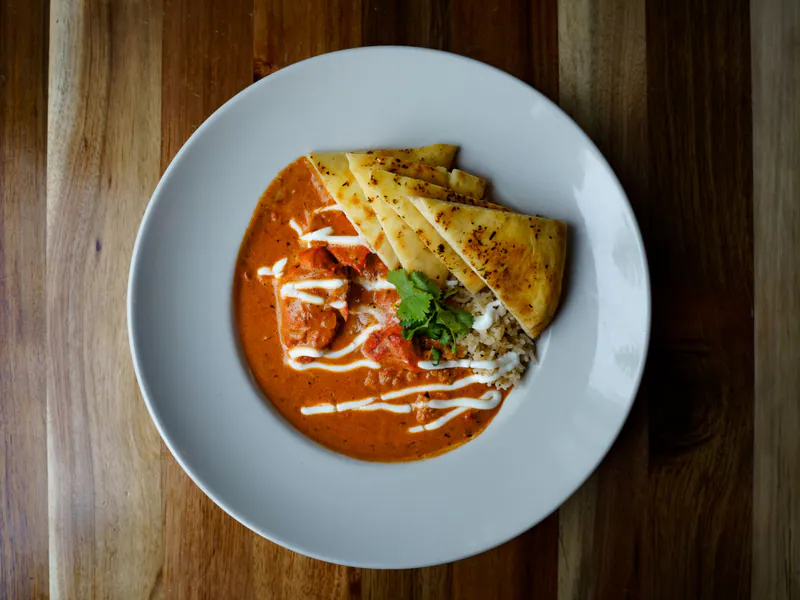
 South Indian · 73 h · 49 kcal ·
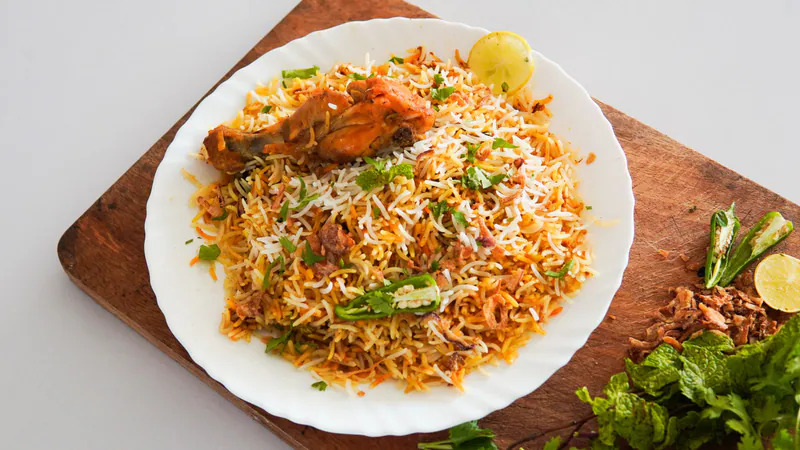
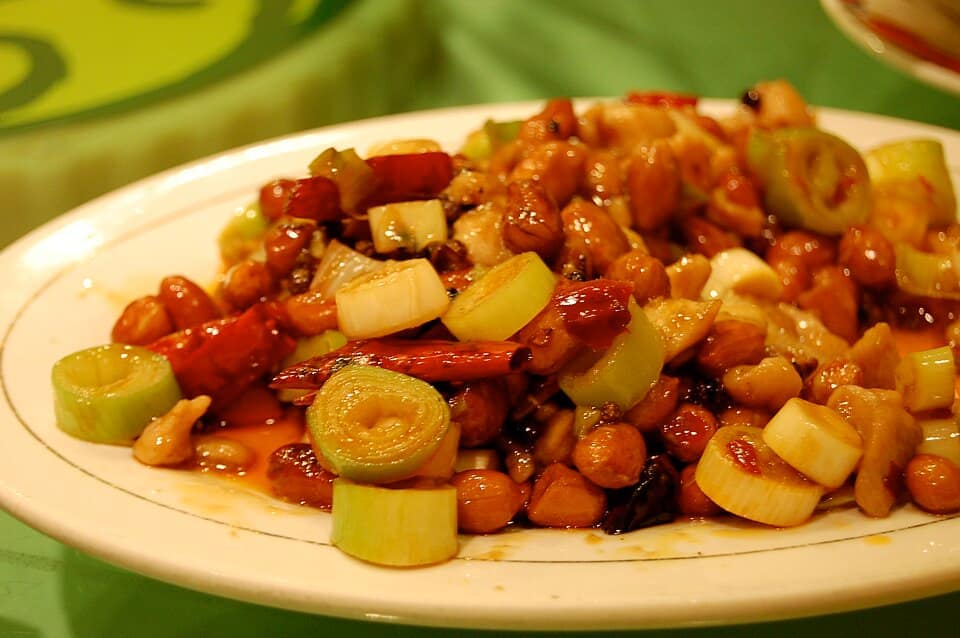
 Sichuan · 35 min · 341 kcal
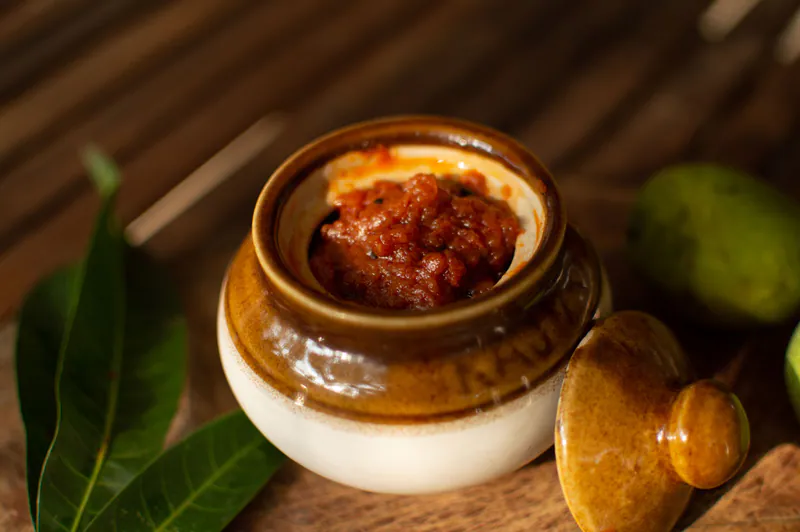
 Japanese · 50 min · 8 kcal ·
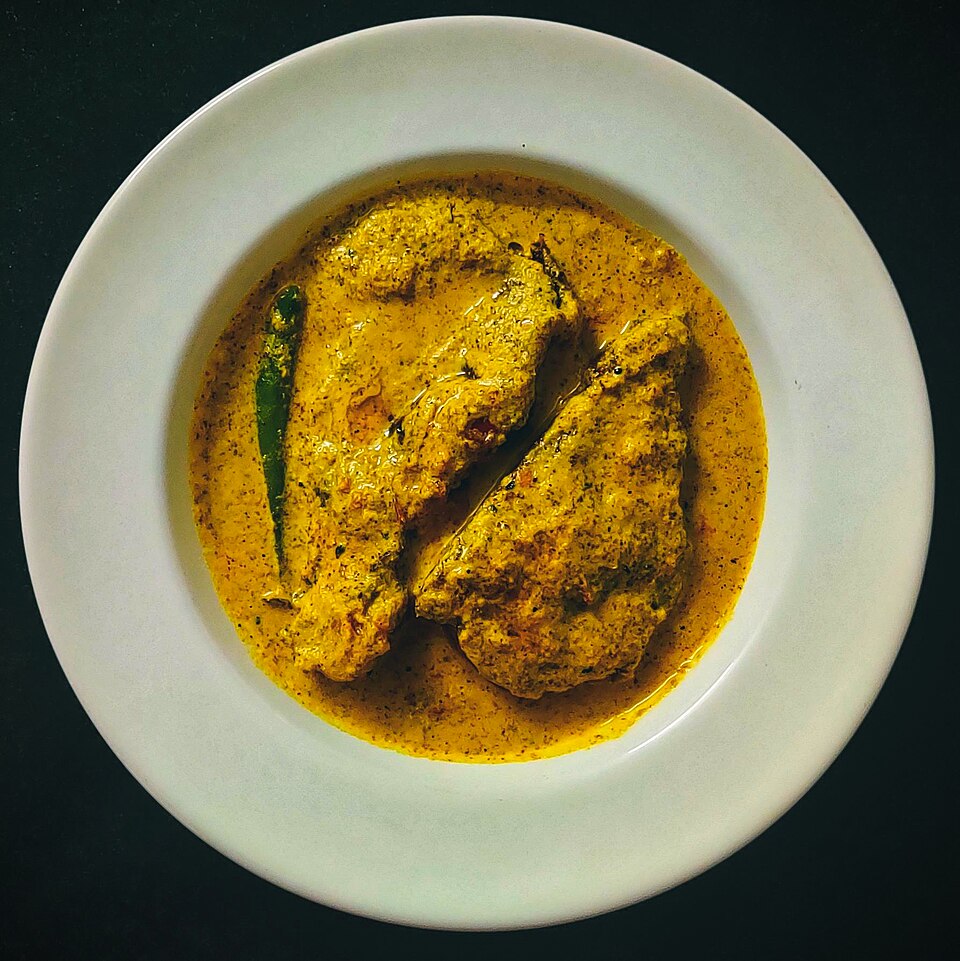
 Bangladeshi · 45 min · 456 kcal