Italian · regional cuisine
Sicilian
The island's layered cooking, marked by Greek, Arab, Norman and Spanish rule: sweet-sour agrodolce, citrus, almonds, pistachios, eggplant, seafood and lavish pastries.
Flavour character: Sweet-sour (agrodolce) with vinegar, raisins and pine nuts; bright citrus; rich almond and pistachio; salty capers, olives and anchovies; ricotta-based sweets.
History
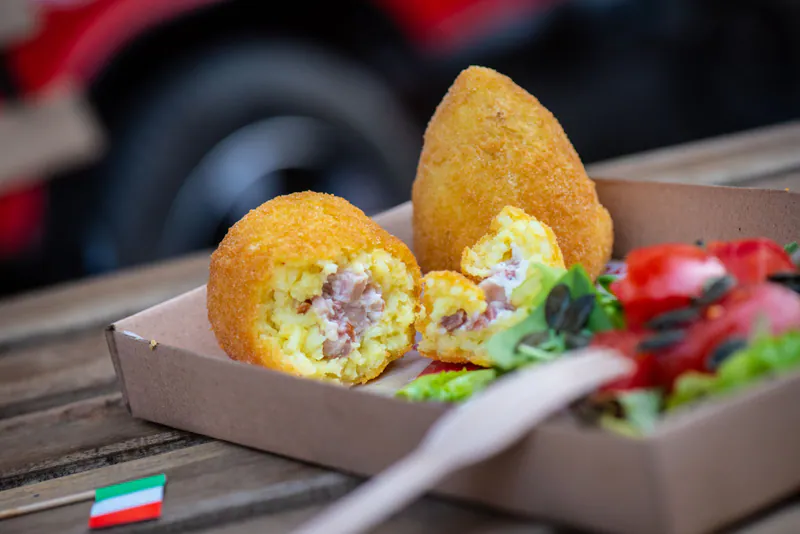
Sicily was colonised by Greeks, ruled by Arabs (9th–11th centuries), then by Normans, Aragonese Spanish and Bourbons. Arab rule is commonly credited with spreading citrus, sugar cane, rice, almonds and sweet-sour cooking, visible in caponata, arancini, cassata and couscous in Trapani. Spanish rule brought tomatoes, chocolate (Modica) and peppers. Many elaborate pastries (cannoli, cassata) are associated with convent kitchens.
Commonly told; not firmly documented
Geography and influences
The largest Mediterranean island: volcanic Etna slopes, citrus groves around Catania and Palermo, wheat in the interior, tuna, swordfish and sardines offshore.
- Ancient Greek colonies
- Arab rule
- Norman and Spanish rule
- North African trade
Regional variations
- Palermo and the west
- Arab-influenced: pasta con le sarde, couscous, panelle, sfincione.
- Catania and the east
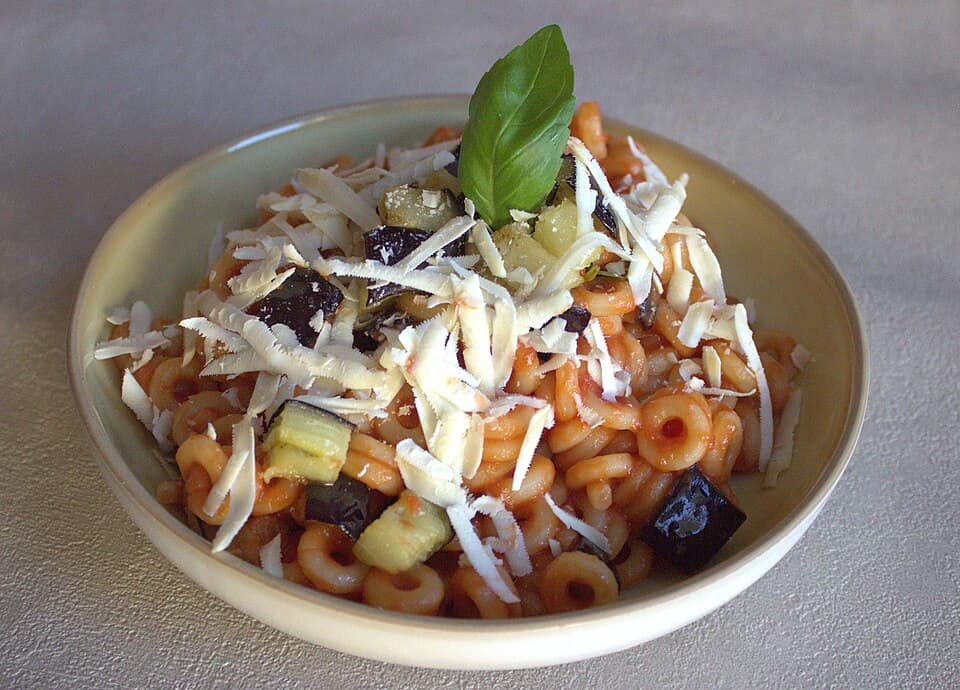
- Pasta alla norma, pistachios from Bronte, arancini made cone-shaped.
Festive and seasonal food
- Cassata and cannoli at Easter
- Arancine on the feast of Santa Lucia (13 December) in Palermo
- Frutta martorana (marzipan fruits) for All Souls' Day
Signature dishes
Not on the site yet: Caponata, Pasta con le sarde, Cannoli, Cassata, Granita with brioche, Couscous trapanese, Swordfish involtini
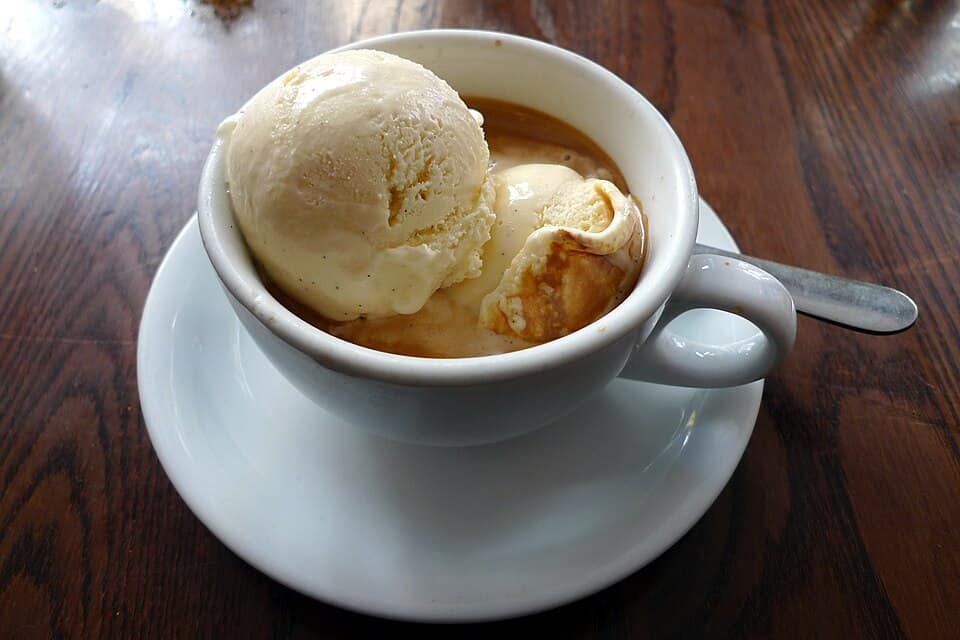
 Italian · 5 min · 137 kcal ·
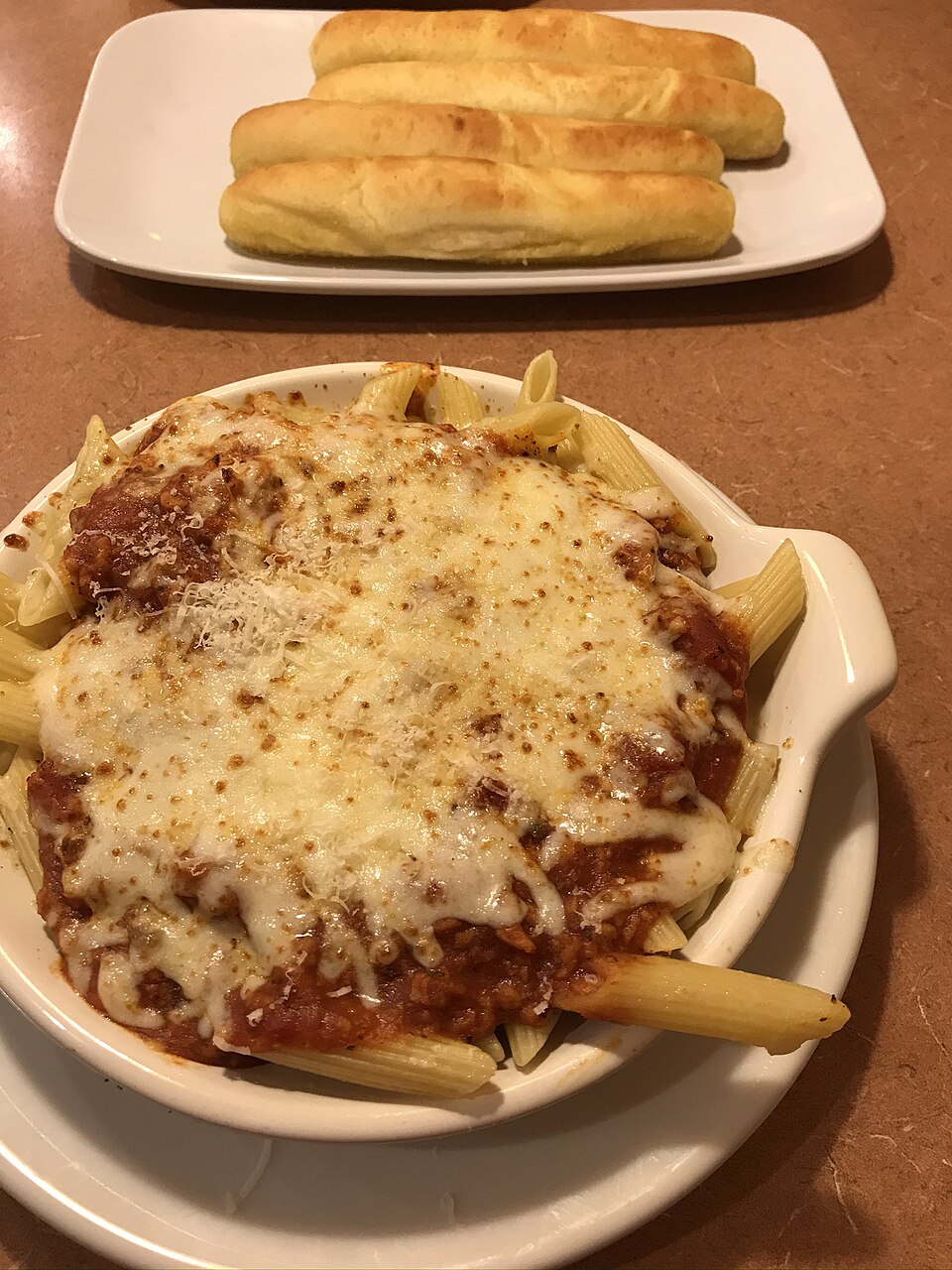
 American · 1 h 30 min · 487 kcal
 French · 25 min · 115 kcal ·