
Vegetables · Pickled & preserved
Black olives
Cured black or dark olives, such as Kalamata, eaten as a snack and used in salads, pizzas, stews and tapenade.
Also called: olives, kalamata olives, zeytin
What it is
Olives are the fruit of the olive tree and are too bitter to eat raw, so they are cured in brine, salt, oil or lye. Black olives are fully ripe; naturally cured ones are wrinkly or purple-brown (Kalamata, Niçoise), while uniformly black, mild canned olives are often treated to darken. Green olives are picked unripe and are firmer and sharper.
Olea europaea
How it’s used
- Mezze, antipasti and breakfast plates
- Scattered on pizza, salads and pasta
- Blended into tapenade
- Simmered in stews and tagines
Characteristics
- Taste
- Salty, fruity and slightly bitter.
- Texture
- Soft to meaty; wrinkled types are dense and chewy.
- When cooked
- Add salt to dishes, so season lightly; flavour holds up in long cooking.
- Sold as
- cured, canned
- Cooking uses
- Usually eaten raw, Commonly cooked, Used as a garnish
Kinds in our pantry
Storage
Refrigerated. Store unopened jars in the pantry; once opened keep olives submerged in their brine in the fridge.
Diet, allergens and safety
No major allergens in typical versions.
- Vegetarian
- Vegan
- Dairy-free
- Egg-free
- Gluten-free
- Nut-free
- Soy-free
- Caffeine-free
- Olives are high in salt.
Nutrition per 100 g
- Energy
- 116 kcal
- Protein
- 0.84 g
- Carbohydrate
- 6.04 g
- Fat
- 10.9 g
- Fibre
- 1.6 g
- Sugars
- 0 g
USDA FoodData Central: Olives, ripe, canned (small-extra large).
Substitutes
Optional — what works if you don’t have it, and how it changes the dish.
- Green olives — Sharper and firmer; same quantity.
- Capers — Use far fewer for a similar salty tang.
Related ingredients
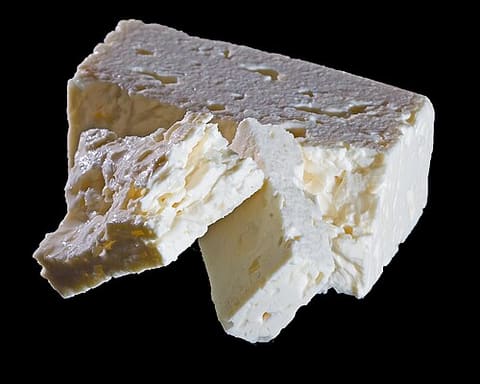
Recipes with black olives
See all 39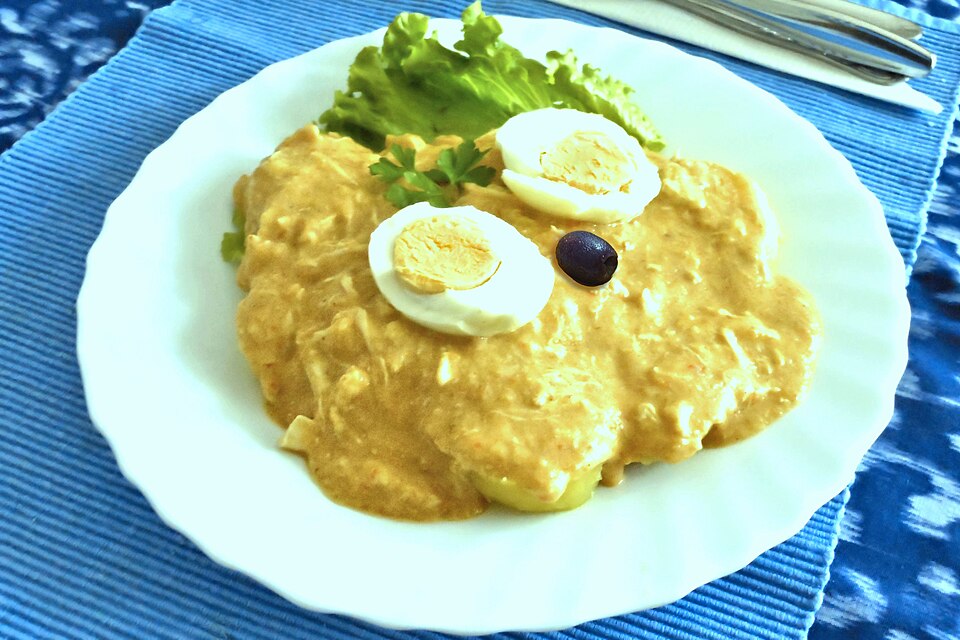
Ají de gallina
 Peruvian · 1 h 5 min · 553 kcal
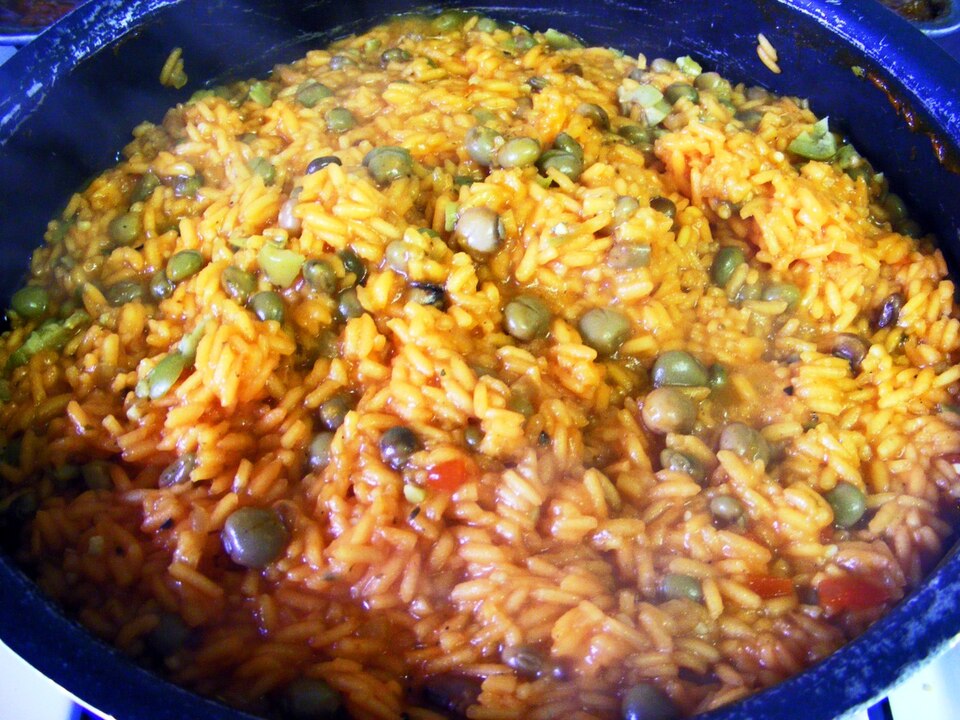
Arroz con gandules
 Puerto Rican · 1 h 10 min · 328 kcal
Bacalhau à brás
 Portuguese · 55 min · 581 kcal
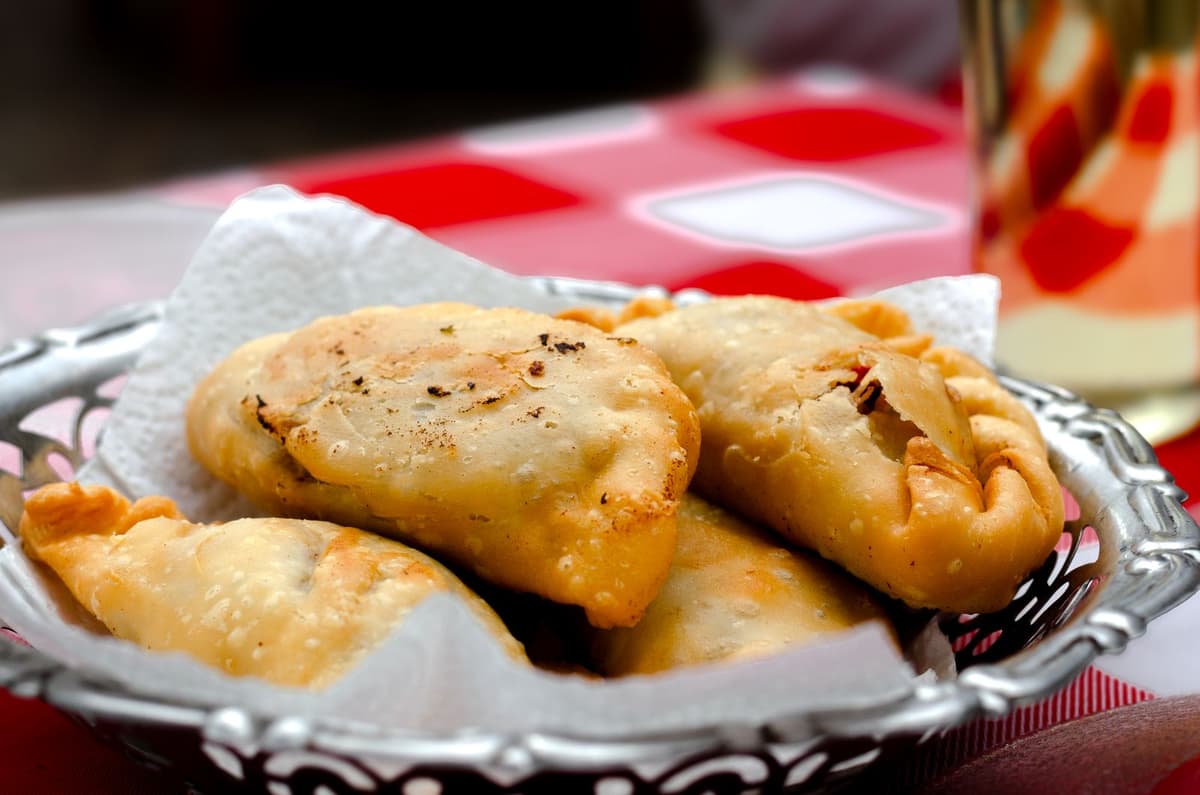
Baked beef empanadas
 Argentine · 2 h 20 min · 498 kcal
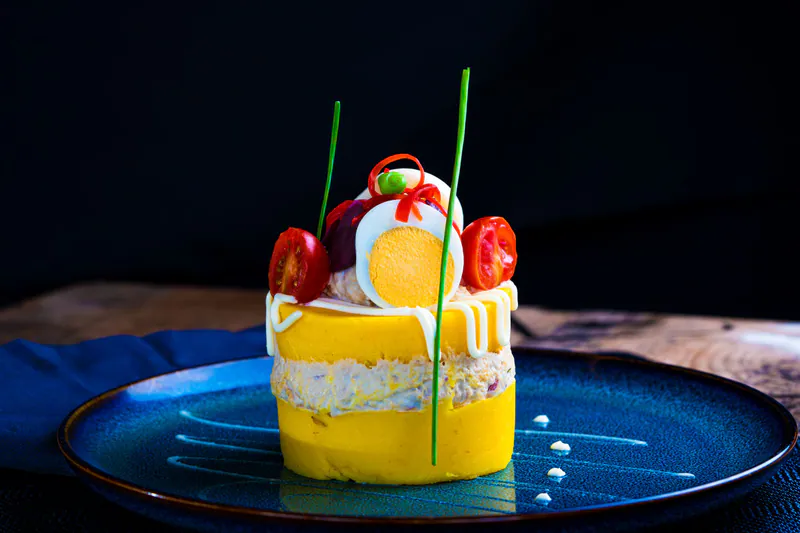
Causa limeña
Peruvian · 1 h 50 min · 416 kcal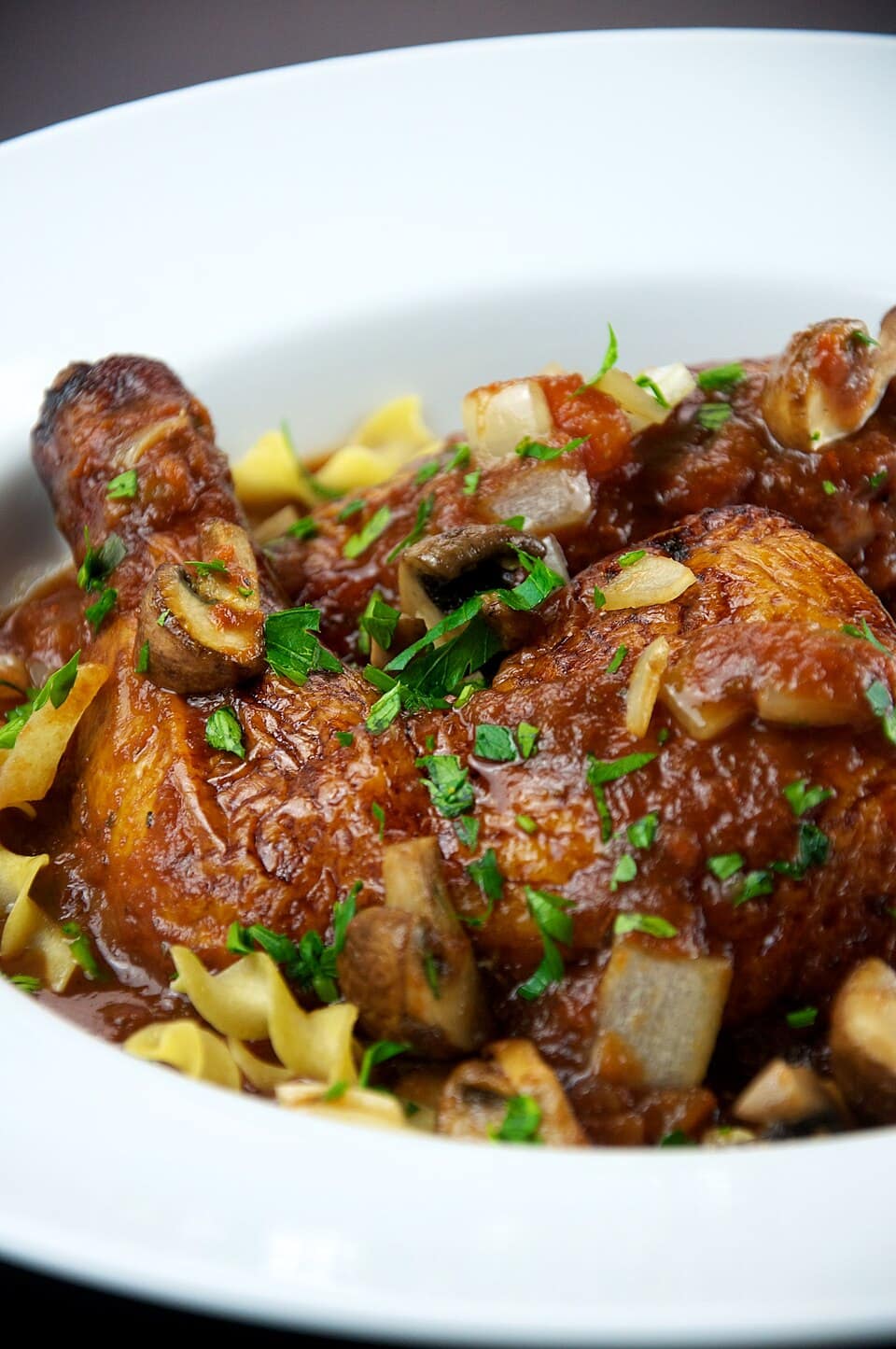
Chicken cacciatore
 Italian · 1 h 15 min · 574 kcal
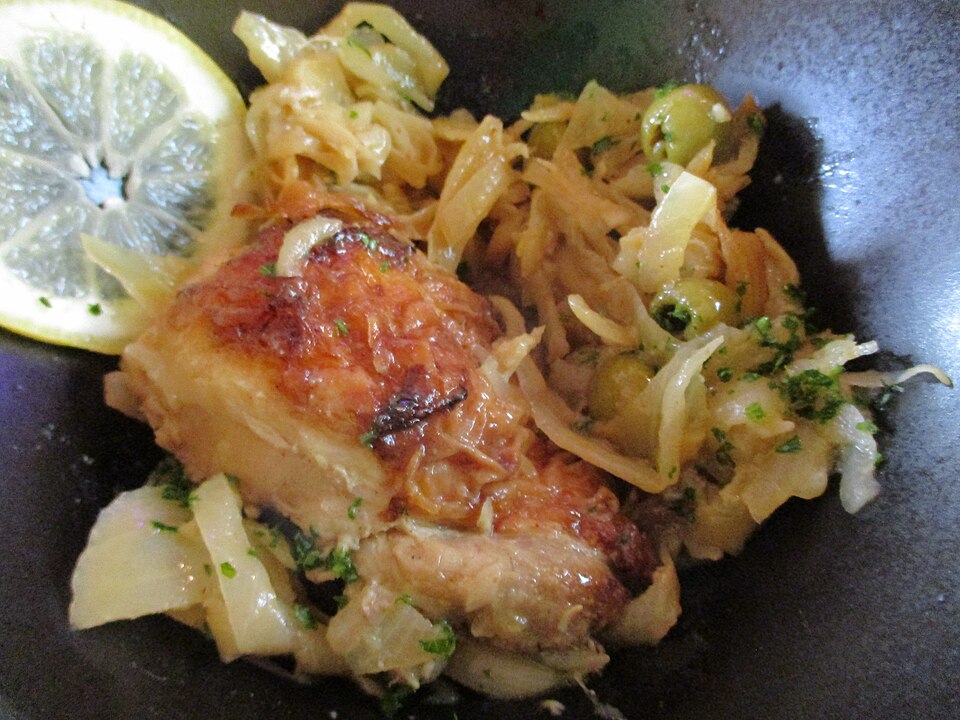
Chicken yassa
 Senegalese · 3 h 30 min · 526 kcal
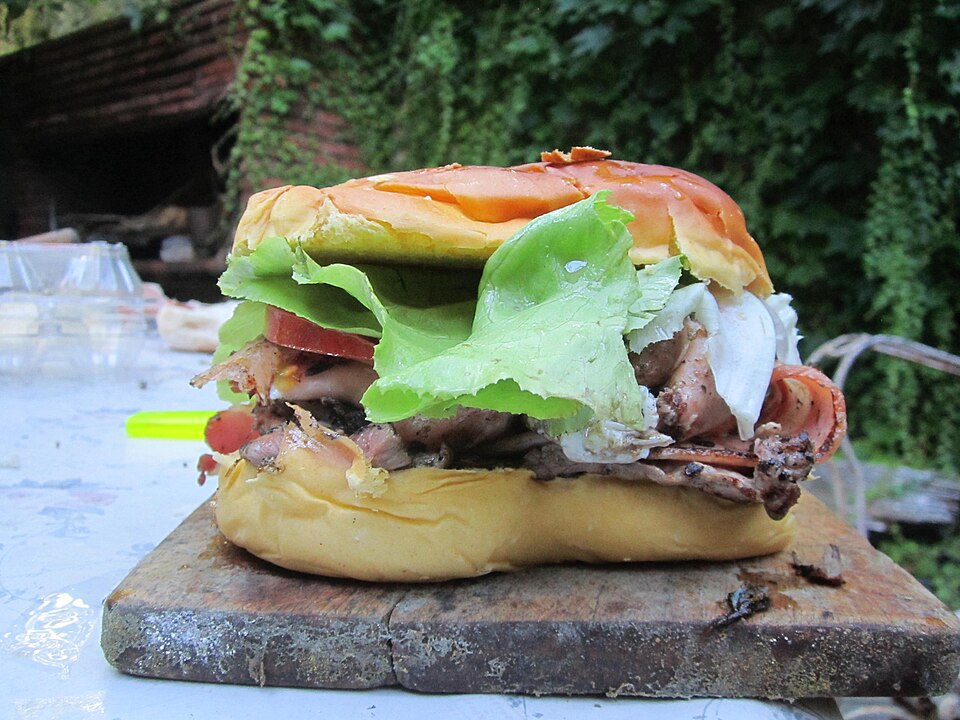
Chivito
 Uruguayan · 35 min · 745 kcal
Empanadas salteñas
Argentine · 2 h 25 min · 505 kcalEnsalada mixta
 Spanish · 25 min · 233 kcal
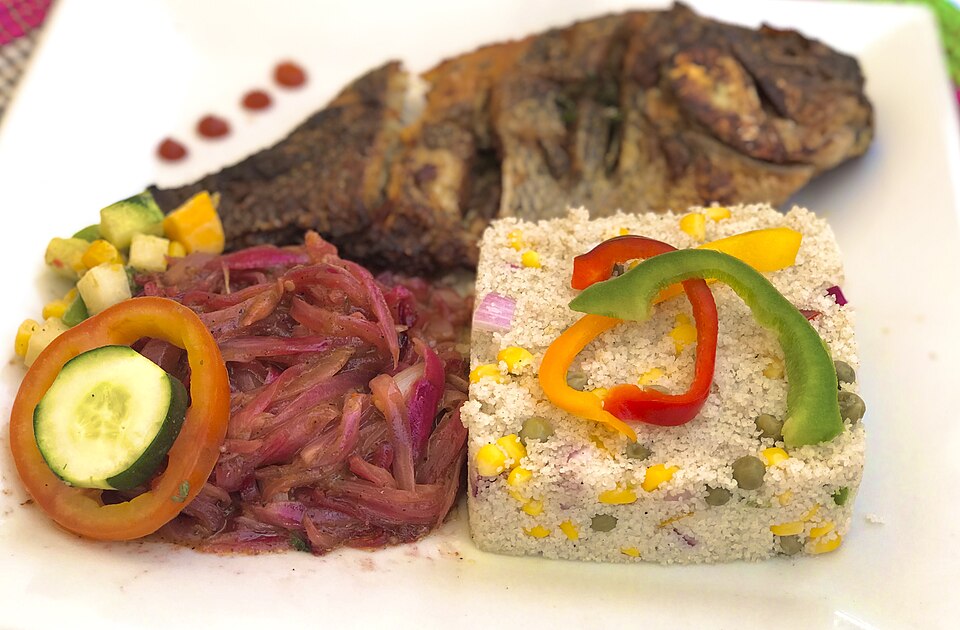
Fish yassa
Senegalese · 2 h 5 min · 374 kcalFougasse
 French · 3 h 13 min · 277 kcal · Vegan
27 more
- Ftira biż-żejt · Maltese
- Greek village salad · Greek
- Hallacas · Venezuelan
- Insalata di rinforzo · Italian
- Labneh with za'atar and olive oil · Levantine
- Mediterranean Chickpea Salad · Mediterranean
- Mediterranean quinoa salad · Mediterranean
- Melitzanosalata (Greek smoky aubergine dip) · Greek
- Moroccan chicken tagine with olives and lemon · Moroccan
- Papa a la huancaína · Peruvian
- Papa rellena · Peruvian
- Pasta alla puttanesca · Italian
- Pastel de choclo · Chilean
- Pastel de feira · Brazilian
- Picadillo a la cubana · Cuban
- Piyaz · Turkish
- Rocoto relleno · Peruvian
- Ropa vieja · Cuban
- Salade niçoise · French
- Salata mechouia · Tunisian
- Salteñas · Bolivian
- Shopska salad · Balkan
- Sicilian orange and fennel salad · Italian
- Slata tounsia · Tunisian
- Solterito arequipeño · Peruvian
- Solyanka · Russian
- Tapenade (Provençal olive, caper and anchovy spread) · French
More pickled & preserved
Pickled & preserved
Canned tomatoes
Peeled tomatoes packed in juice, whole, chopped or crushed; a reliable base for sauces, soups and stews.
43 recipes
Pickled & preserved
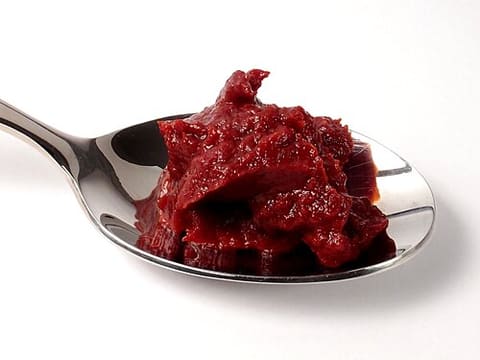
Tomato paste
Thick, concentrated cooked tomato sold in tubes, cans or jars, used by the spoonful for colour and depth.
114 recipes
Pickled & preserved
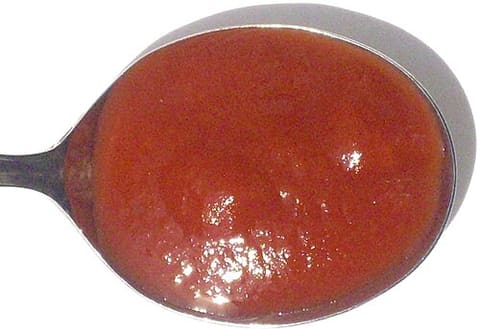
Tomato passata
Smooth, uncooked tomato purée strained of skins and seeds, sold in bottles or cartons as a ready sauce base.
20 recipes
Pickled & preserved
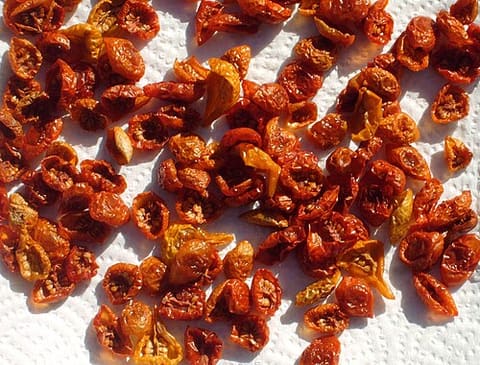
Sun-dried tomatoes
Tomato halves dried until chewy and intensely sweet-savoury, sold dry or packed in oil.
No recipes yet
Pickled & preserved
Roasted red peppers (jarred)
Red peppers roasted, peeled and preserved in jars; soft, smoky and ready for dips, salads and sauces.
5 recipes
Pickled & preserved
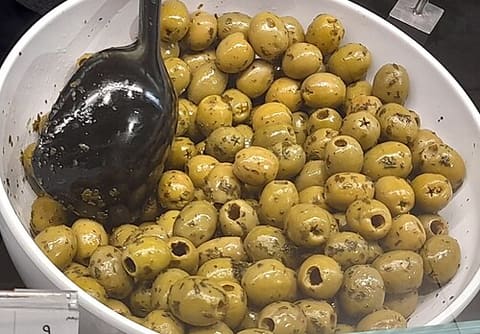
Green olives
Unripe olives cured in brine; firm, tangy and often stuffed with pimiento, garlic or almond.
15 recipes
Pickled & preserved
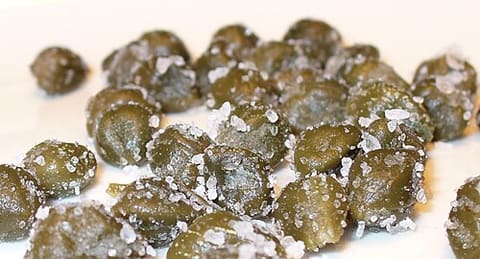
Capers
Small pickled flower buds of the caper bush, adding salty, tangy bursts to sauces, salads and fish.
21 recipes
Pickled & preserved
Kimchi
Korean fermented napa cabbage with chilli, garlic, ginger and seafood seasonings; tangy, spicy and crunchy.
6 recipes