
Fruits · Citrus
Orange
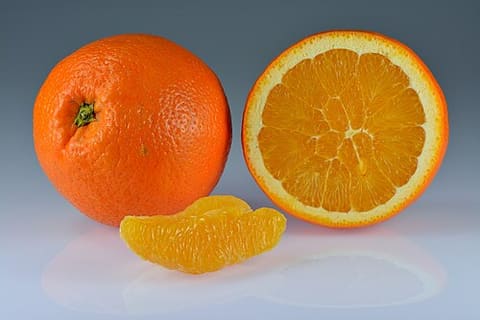
Sweet, juicy citrus fruit with an orange rind; eaten fresh, juiced and used in salads, marinades and baking.
Also called: oranges, portakal, naranja, santra
Photo: Ivar Leidus, via Wikimedia Commons (CC-BY-SA-4.0)
What it is
Oranges are round citrus fruits with a thick, aromatic orange rind and sweet, juicy segments. Navel oranges are seedless and good for eating; Valencias are juicier; blood oranges have red flesh; Seville oranges are bitter and used for marmalade. Mandarins are smaller and easier to peel.
Citrus × sinensis
How it’s used
- Eaten fresh or segmented into salads
- Juice and zest in cakes, glazes and marinades
- Paired with fennel, olives or beetroot in salads
- Bitter oranges in marmalade and Cuban mojo
Characteristics
Kinds in our pantry
Storage
At room temperature. Keep at room temperature for about a week, or in the fridge for longer. Soft patches or mould mean discard.
Diet, allergens and safety
No major allergens in typical versions.
- Vegetarian
- Vegan
- Dairy-free
- Egg-free
- Gluten-free
- Nut-free
- Soy-free
- Caffeine-free
Nutrition per 100 g
- Energy
- 47 kcal
- Protein
- 0.94 g
- Carbohydrate
- 11.75 g
- Fat
- 0.12 g
- Fibre
- 2.4 g
- Sugars
- 9.35 g
USDA FoodData Central: Oranges, raw, all commercial varieties.
Substitutes
Optional — what works if you don’t have it, and how it changes the dish.
- Mandarin — Swap for eating or juicing; sweeter and less acidic.
Related ingredients
Recipes with orange
See all 31Bouillabaisse
 French · 1 h 25 min · 667 kcal

Café de olla
 Mexican · 19 min · 66 kcal · Vegan

Cantucci (biscotti di Prato)
 Italian · 1 h 5 min · 74 kcal · Contains egg
Caribbean sorrel drink
Caribbean · 12 h 20 min · 94 kcal · Vegan
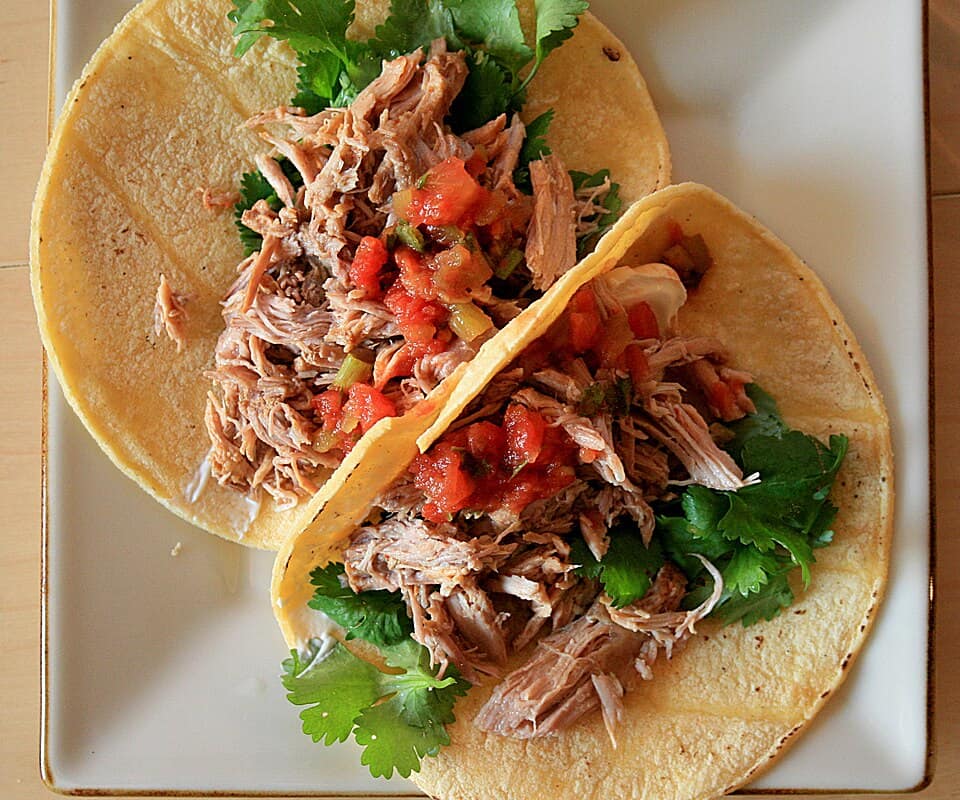
Carnitas
Mexican · 3 h 10 min · 611 kcal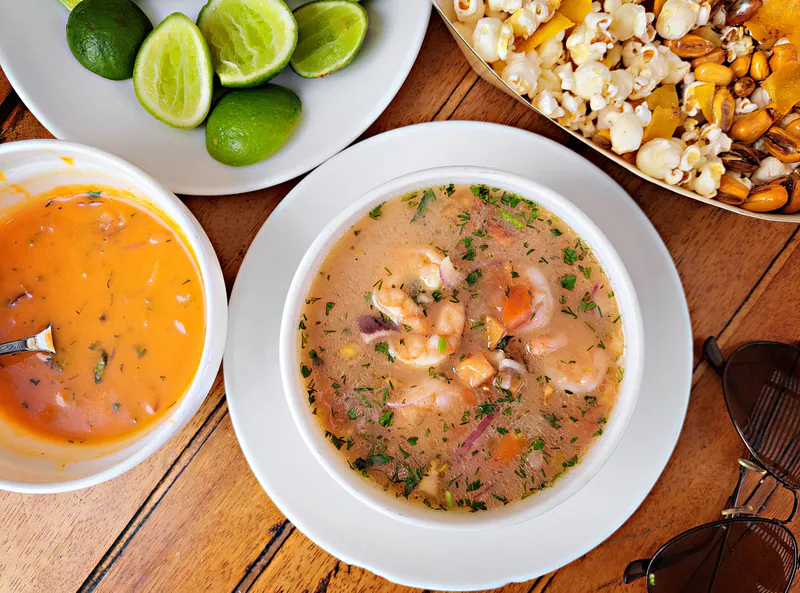
Ceviche ecuatoriano de camarón
 Ecuadorian · 1 h · 195 kcal
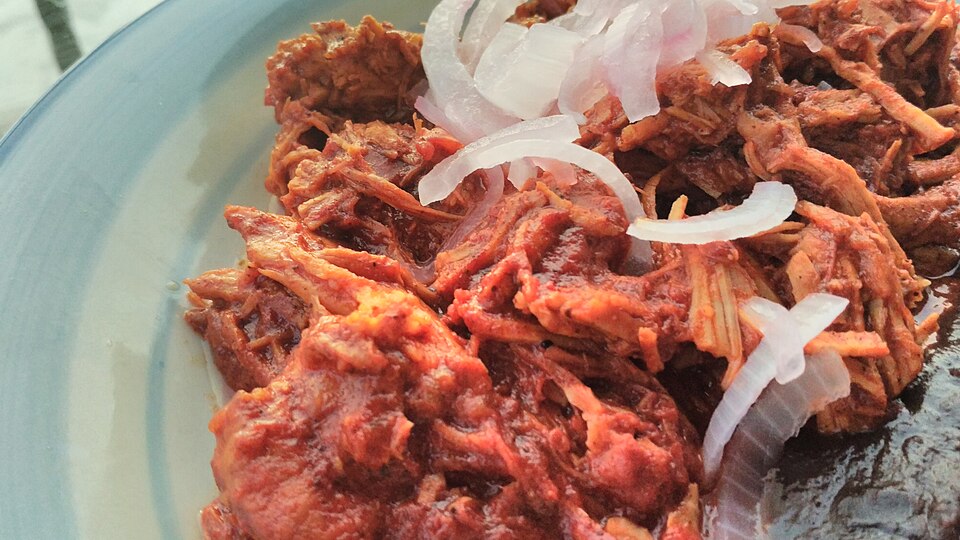
Cochinita pibil
Mexican · 4 h 20 min · 675 kcal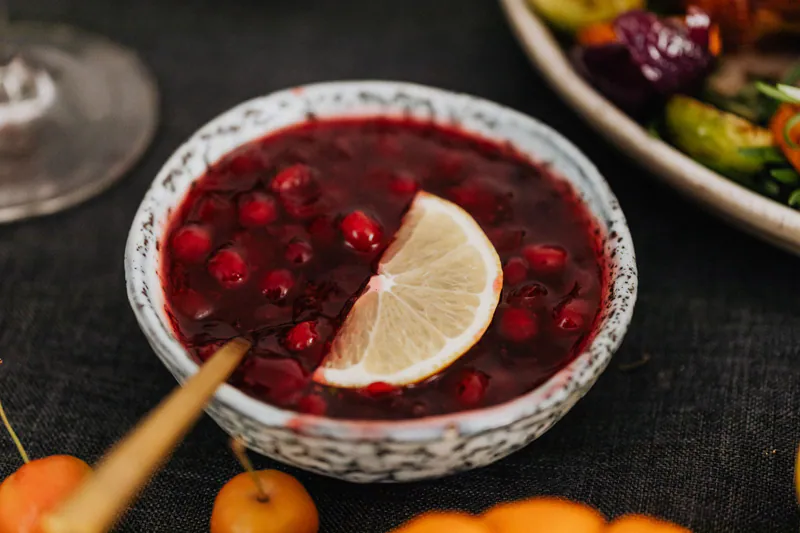
Cranberry sauce
 American · 1 h 17 min · 74 kcal · Vegan
Cuban mojo
 Cuban · 28 min · 111 kcal · Vegan
Cuban sandwich
Cuban · 1 h 55 min · 770 kcalCumberland sauce
 British · 1 h 25 min · 88 kcal · Vegan
Espresso tonic
International · 2 min · 54 kcal · Vegan
19 more
- Feijoada · Brazilian
- Fresh orange juice · International
- Fruit chaat · Indian
- Griot · Haitian
- Guyanese pepperpot · Guyanese
- Indio viejo · Nicaraguan
- Kerala plum cake (alcohol-free) · Indian
- Medialunas (Argentine croissants) · Argentine
- Mixed fruit juice · International
- Nacatamal · Nicaraguan
- Orange, Carrot and Ginger Juice · International
- Pahadi nimbu sana · Indian
- Pan de muerto · Mexican
- Plato típico hondureño · Honduran
- Pom · Surinamese
- Recado rojo (Yucatecan achiote paste) · Mexican
- Shichimi togarashi · Japanese
- Sicilian orange and fennel salad · Italian
- Tacos al pastor · Mexican
More citrus
Citrus
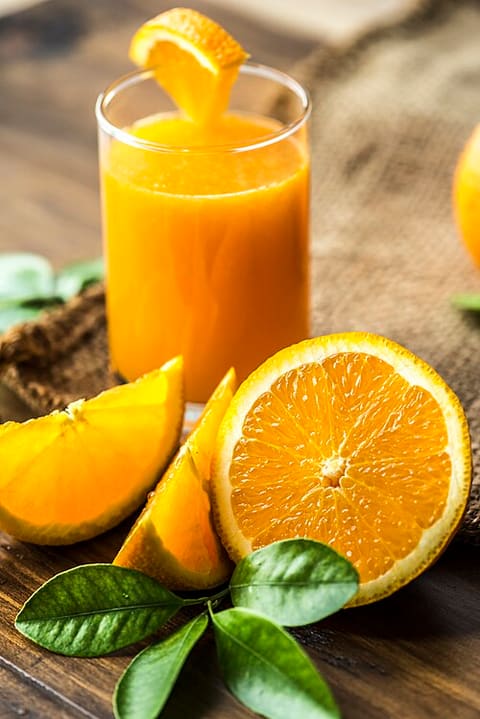
Orange juice
Juice of sweet oranges, fresh or bottled; drunk on its own and used in marinades, glazes, cakes and smoothies.
13 recipes
Citrus
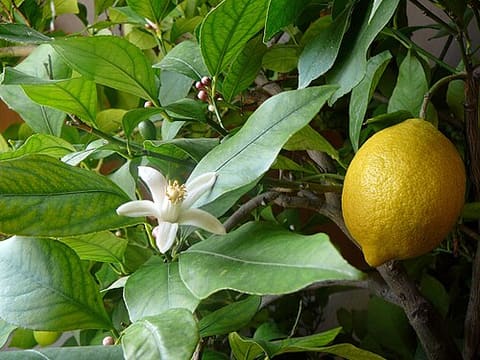
Lemon
Bright yellow, sour citrus fruit; its juice, zest and flesh add acidity and fresh aroma to almost every cuisine.
341 recipes
Citrus
Lemon juice
The sour juice squeezed from lemons; adds brightness, balances richness and stops cut fruit browning.
272 recipes
Citrus
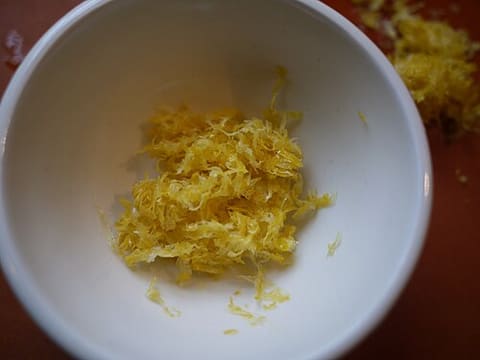
Lemon zest
The finely grated yellow outer skin of a lemon, rich in aromatic oils; adds citrus fragrance without acidity.
29 recipes
Citrus
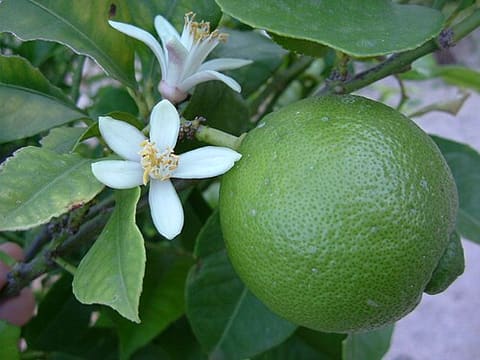
Lime
Small, green, sour citrus fruit; its juice and zest season Thai, Mexican, Indian and Caribbean food.
188 recipes
Citrus
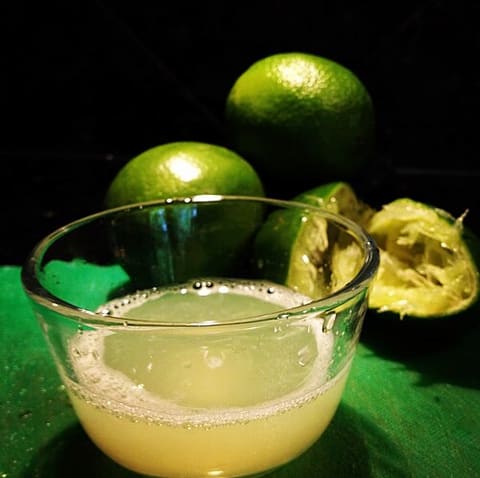
Lime juice
Sharp juice of fresh limes; sours ceviche, salsas, Thai salads and drinks.
140 recipes
Citrus
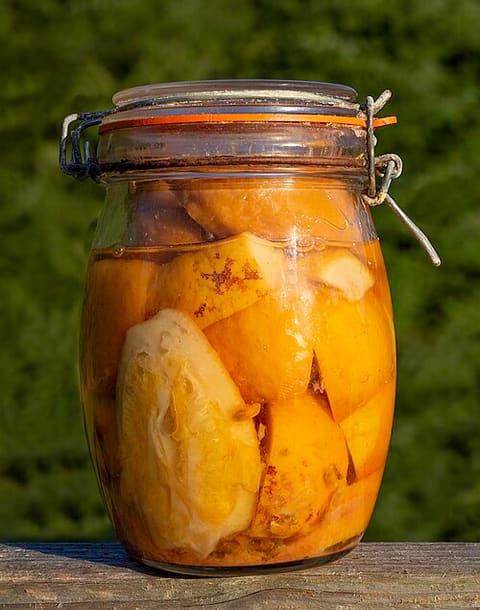
Preserved lemon
Lemons cured in salt and their own juice until soft; the rind adds a mellow, salty-lemony depth to tagines and salads.
2 recipes
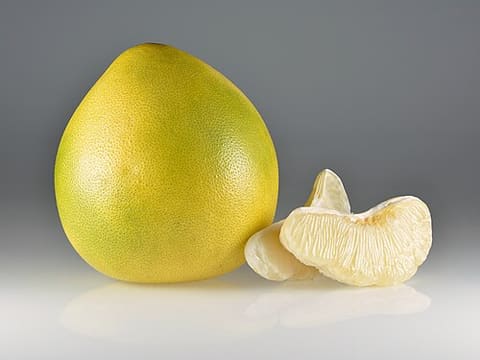
Citrus
Pomelo
The largest citrus fruit, with thick pith and mild, sweet, slightly bitter segments eaten fresh and in Asian salads.
1 recipe