French · regional cuisine
Provençal
The sunny Mediterranean cooking of Provence and Nice: olive oil, garlic, tomatoes, wild herbs, olives and fish soups, closer in spirit to Italy than to Paris.
Flavour character: Garlicky, herbal and sun-ripe: olive oil, tomato, anchovy, black olive and capers, saffron and orange zest in fish soups, raw garlic emulsions (aïoli, rouille).
History
Greek settlers founded Marseille (Massalia) around 600 BC and are traditionally credited with planting olives and vines in the region. Bouillabaisse grew from Marseille fishermen's practice of cooking unsold rockfish; in 1980 a group of Marseille restaurateurs signed a charter defining its ingredients. Nice belonged to the Kingdom of Sardinia until 1860, which explains Niçois dishes shared with Liguria such as socca and pistou (cousin of pesto).
Commonly told; not firmly documented
Geography and influences
Hot, dry Mediterranean hills and coast from the Rhône delta to the Italian border: olive groves, vineyards, lavender, wild thyme and rosemary, market gardens.
- Ancient Greek Marseille
- Ligurian and Piedmontese neighbours (Nice)
- Mediterranean fishing communities
Regional variations
- Marseille
- Bouillabaisse, bourride and panisse.
- Nice (Niçois)
- Socca, salade niçoise, pan bagnat, pissaladière and pistou.
- Inland Provence
- Lamb, daubes, truffles from the Vaucluse and goat's cheeses.
Festive and seasonal food
- Le gros souper and the thirteen desserts on Christmas Eve
- Pompe à l'huile (olive-oil bread) among the thirteen desserts
- Grand aïoli at village festivals
Signature dishes
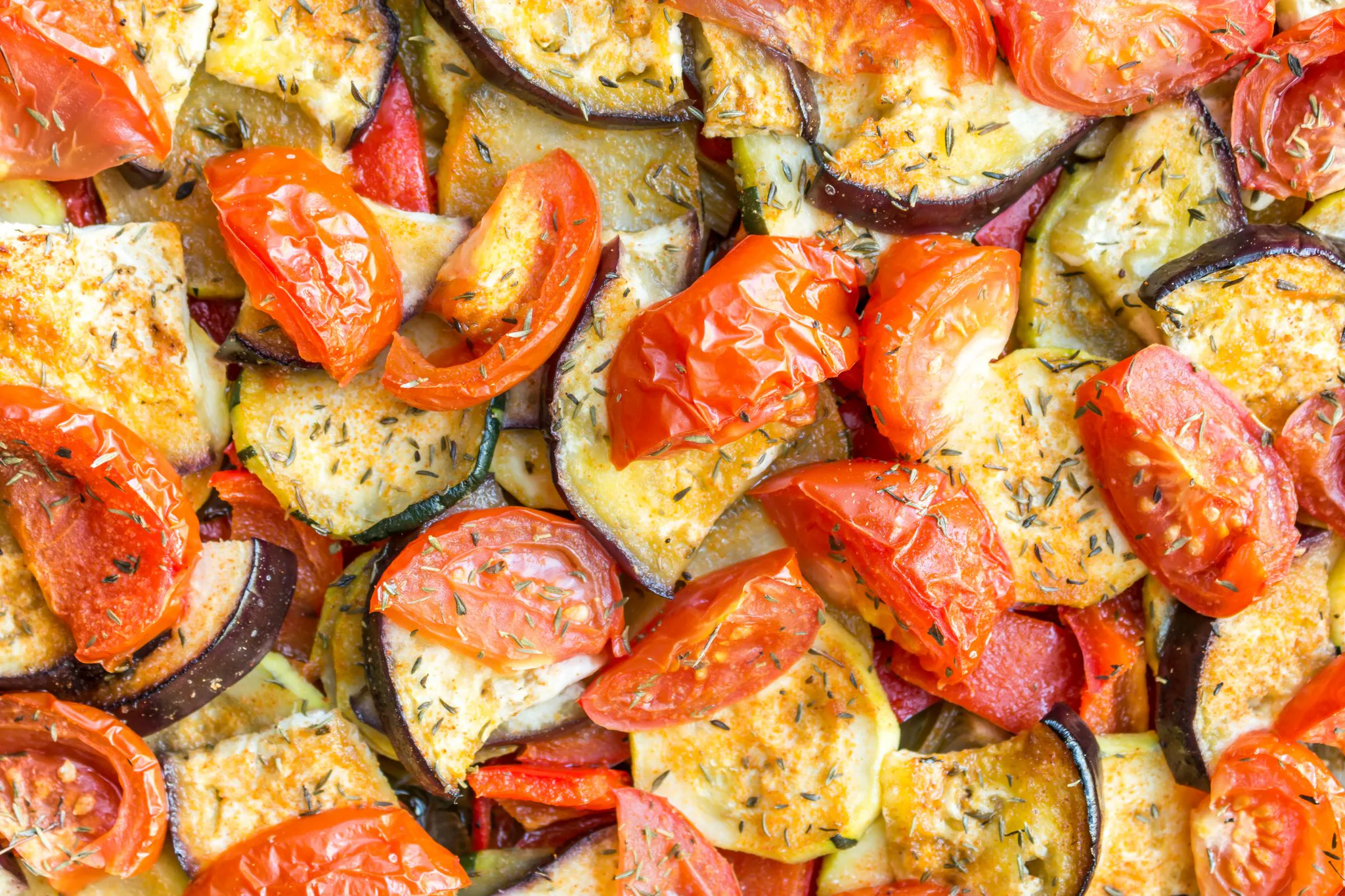
- Ratatouille
- Bouillabaisse
- Soupe au pistou
- Salade niçoise
- Fougasse
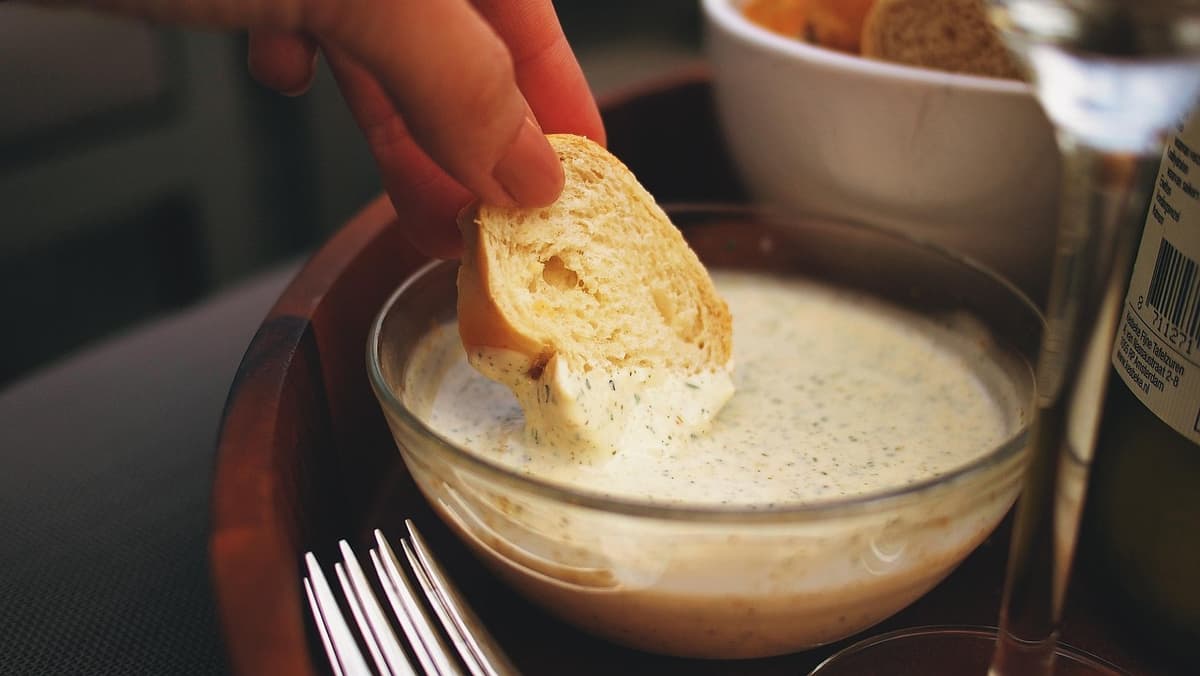
- Aïoli (Provençal garlic mayonnaise)
- Tapenade (Provençal olive, caper and anchovy spread)
Not on the site yet: Pissaladière, Socca, Daube provençale, Le grand aïoli (Friday feast with salt cod and vegetables), Bourride
 French · 20 min · 211 kcal ·