
Aromatic leaves
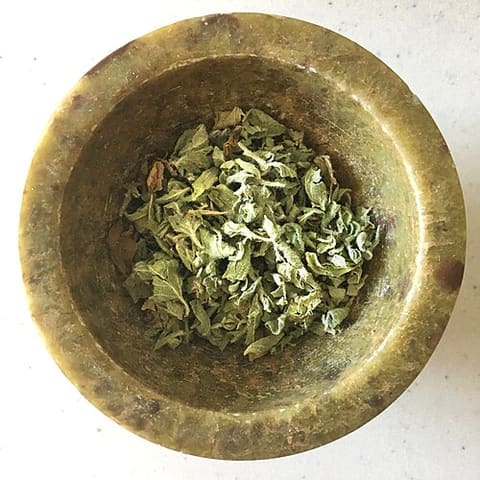
Dried marjoram
Origanum majorana
Dried marjoram: a sweet, mild cousin of oregano with floral notes, for sausages, stuffings and soups.
Also called: marjoram, majoram
Around the world: Majoran (de) · majeranek (pl)
- Herbal & green
- Floral
- Warm & sweet
- No heat
Photo: Misterneedlemouse, via Wikimedia Commons (CC0-1.0)
Flavour and aroma
sweet, floral, mild oregano, slightly piney. Sweet, mild, floral.
- Heat
- No heat
- Forms
- dried, fresh
How to use it
crush · Dry grinding technique
Rub between your palms and add toward the end of cooking (last 5–10 minutes); its delicate aroma fades in long simmering.
use raw
Mix into sausage meat, meatballs, potato soup and egg dishes.
- German and Polish sausages and żurek
- Potato soups and stews
- Stuffings and meatballs
- Tomato dishes in place of oregano
Identifying good quality
Small, soft, grey-green dried leaves, finer and paler than oregano, with a sweeter, more perfumed smell.
- Not to be confused with Dried oregano: Oregano is stronger, more peppery and bitter.
Origin and history
Origin: Cyprus and southern Turkey (Origanum majorana).. Grown and used: Grown in Egypt, France, Hungary and the eastern Mediterranean; used in German, Central European, French, British and Levantine cooking..
Marjoram is a close relative of oregano that has long been used in European cooking. In Germany it is called the 'sausage herb' (Wurstkraut) and is used in sausages, liver dumplings and potato soup, and it is a usual part of herbes de Provence in some versions.
Commonly told; not firmly documented
In masalas, pastes and sauces
Recipes with dried marjoram
Barszcz czerwony
 Polish · 1 h 35 min · 104 kcal · Vegan
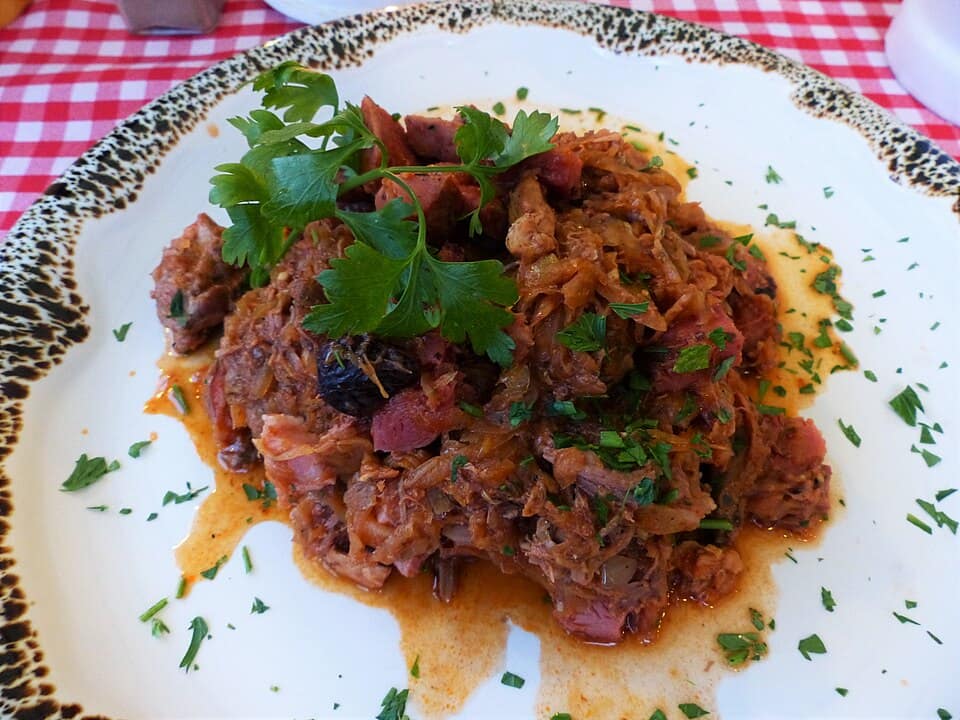
Bigos
Polish · 2 h 55 min · 353 kcal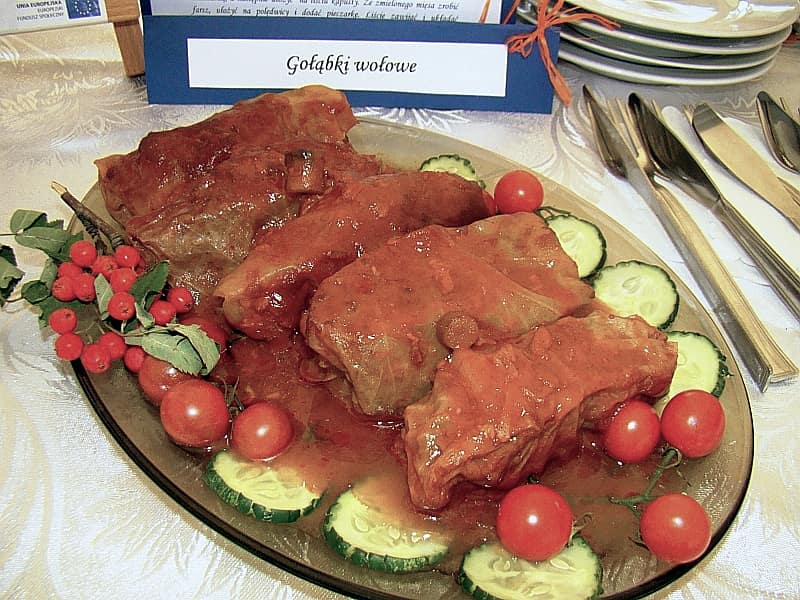
Gołąbki
Polish · 1 h 55 min · 380 kcalKalduny
 Belarusian · 1 h 25 min · 598 kcal
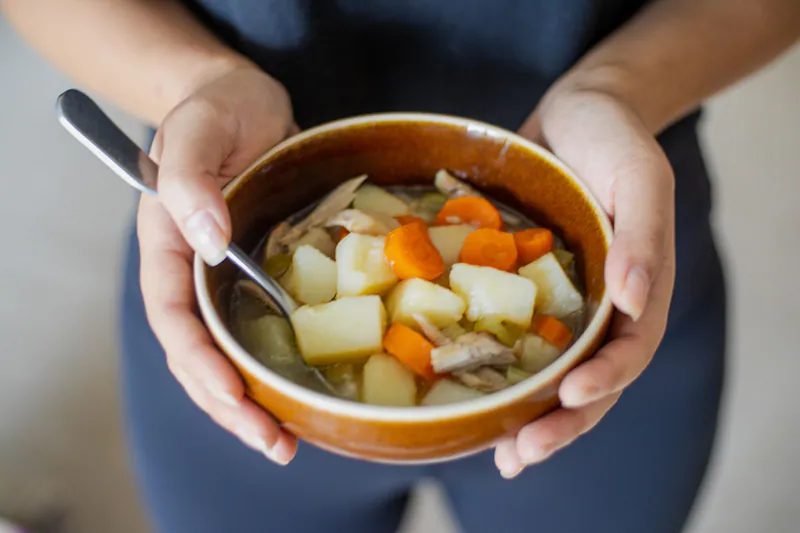
Kartoffelsuppe
 German · 45 min · 247 kcal
Linsensuppe
German · 1 h 5 min · 246 kcal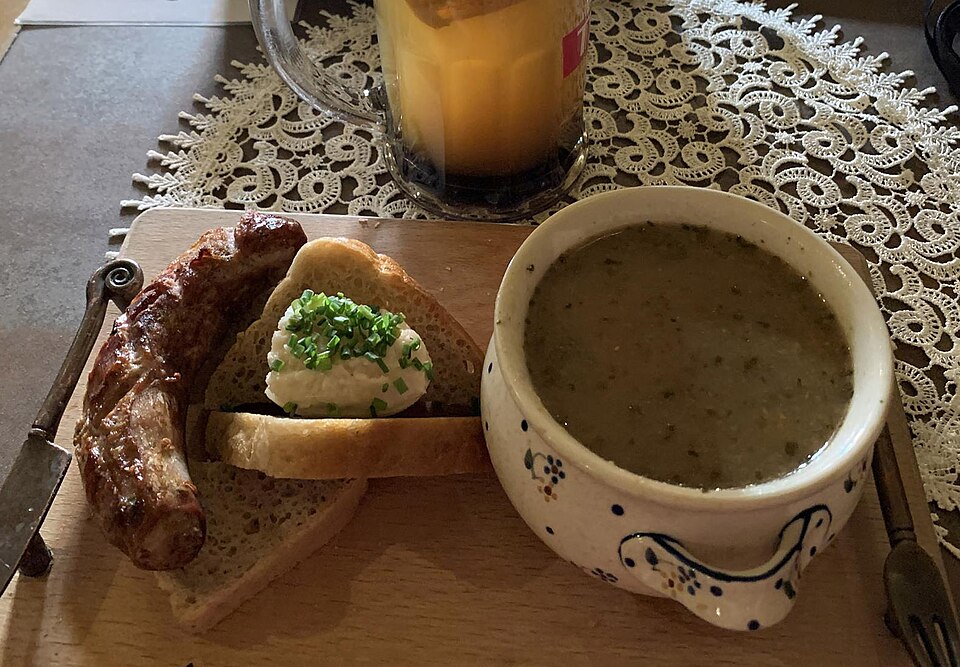
Żurek
Polish · 1 h · 587 kcal