
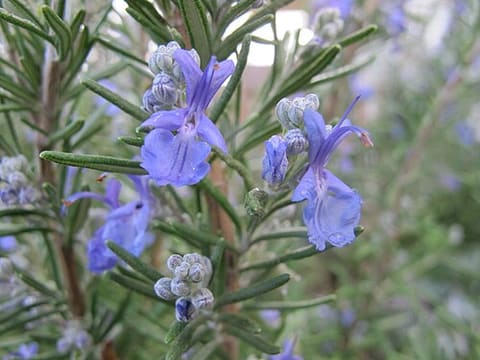
Aromatic leaves
Rosemary (fresh)
Salvia rosmarinus
Needle-leaved woody herb with a strong pine-like aroma, ideal for roasts, potatoes and focaccia.
Also called: fresh rosemary, biberiye, romero
- Resinous & piney
- Herbal & green
- No heat
Photo: Margalob, via Wikimedia Commons (CC-BY-SA-4.0)
Flavour and aroma
piney, camphor, resinous, slightly bitter. Piney, resinous, slightly bitter.
- Heat
- No heat
- Forms
- fresh, dried
How to use it
infuse · Simmering technique
Put whole sprigs under or inside roasts and in braises, then remove; the needles fall off and stay tough.
use raw
For chopped rosemary, strip needles off the stem against the direction of growth and chop very finely.
grind · Dry grinding technique
Dried rosemary should be crushed in a mortar or ground before use; whole dried needles are unpleasant to bite.
fry · Tadka (tempering) technique
Fry whole needles in olive oil for a few seconds until crisp, as a garnish.
- Roast lamb, chicken and pork
- Roast potatoes and root vegetables
- Focaccia and breads
- Infused oils and marinades
- Skewers for grilling
Identifying good quality
Fresh: woody sprigs with narrow, needle-like leaves, dark green on top and silvery underneath, strongly piney when rubbed. Dried: hard, curled grey-green needles; they stay tough after cooking.
Origin and history
Origin: The Mediterranean basin (Salvia rosmarinus, formerly Rosmarinus officinalis).. Grown and used: Grown throughout the Mediterranean and in temperate gardens worldwide; used mainly in Italian, French, Spanish, Greek and British cooking..
Rosemary grows wild on Mediterranean coasts and has been used in the region's cooking since ancient times. In 2017 botanists moved it into the sage genus, Salvia. It is classic with roast lamb, pork and potatoes and in Italian focaccia.
Well documented
Recipes with rosemary (fresh)
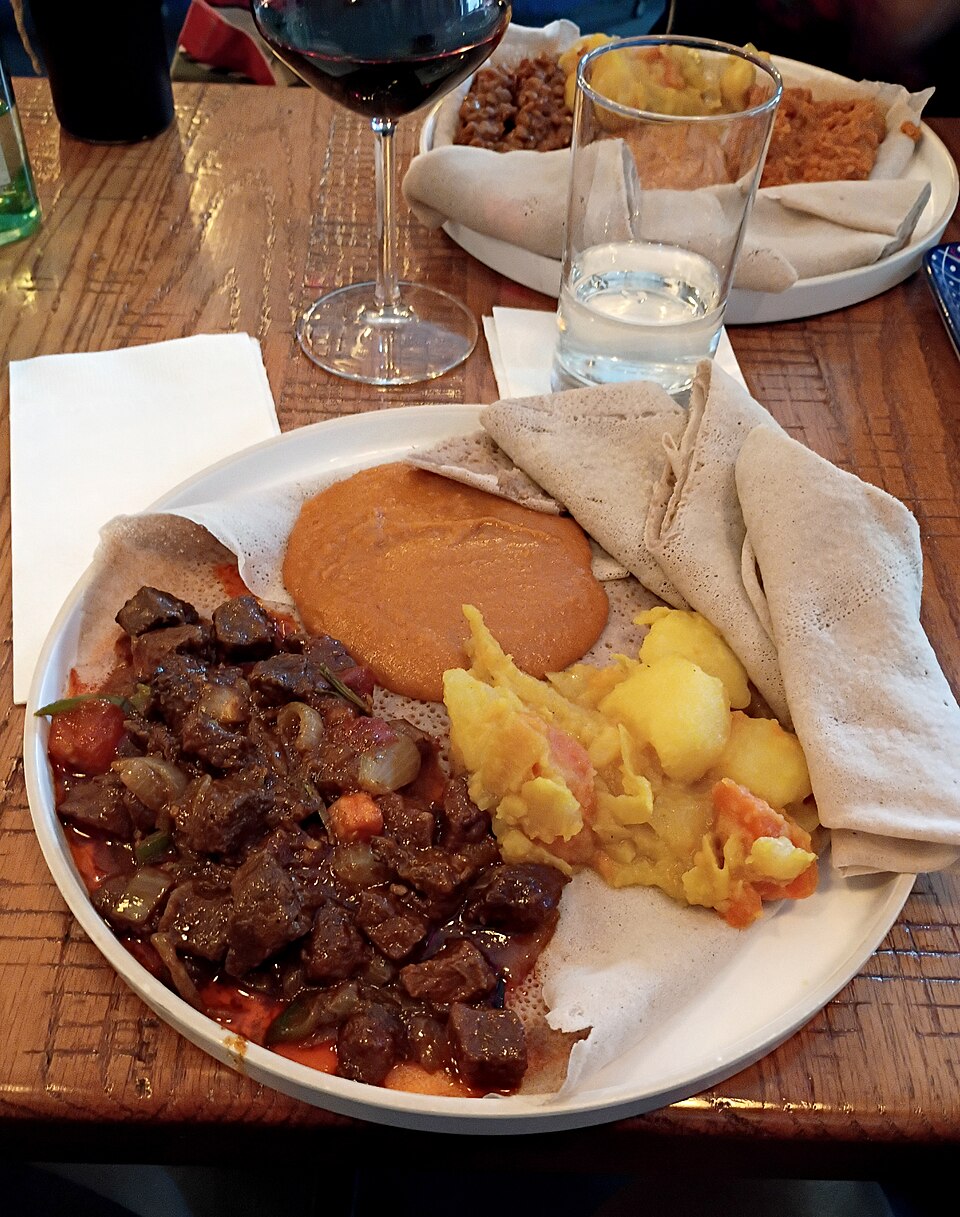
Beef tibs
 Ethiopian · 25 min · 301 kcal
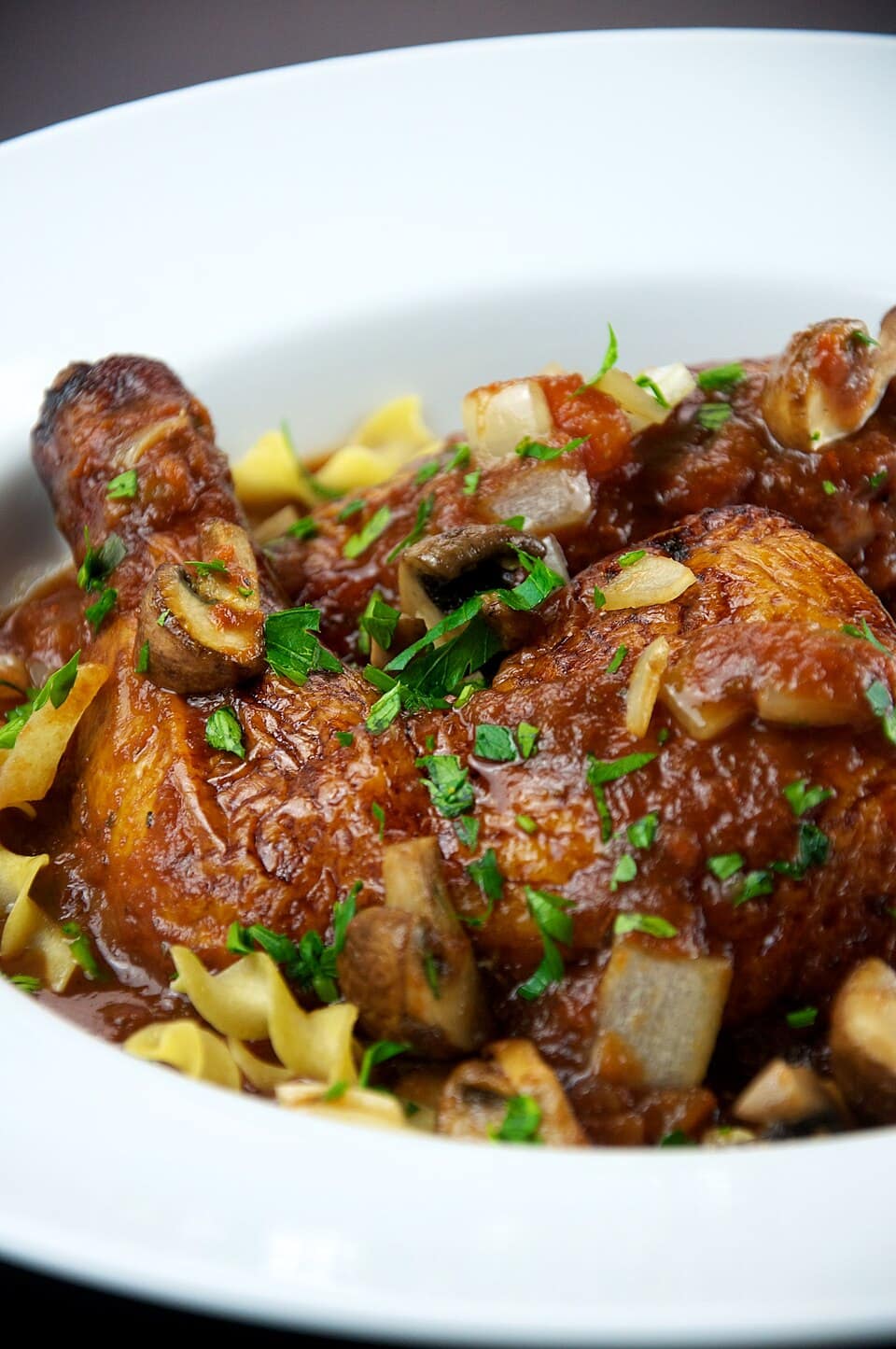
Chicken cacciatore
 Italian · 1 h 15 min · 574 kcal
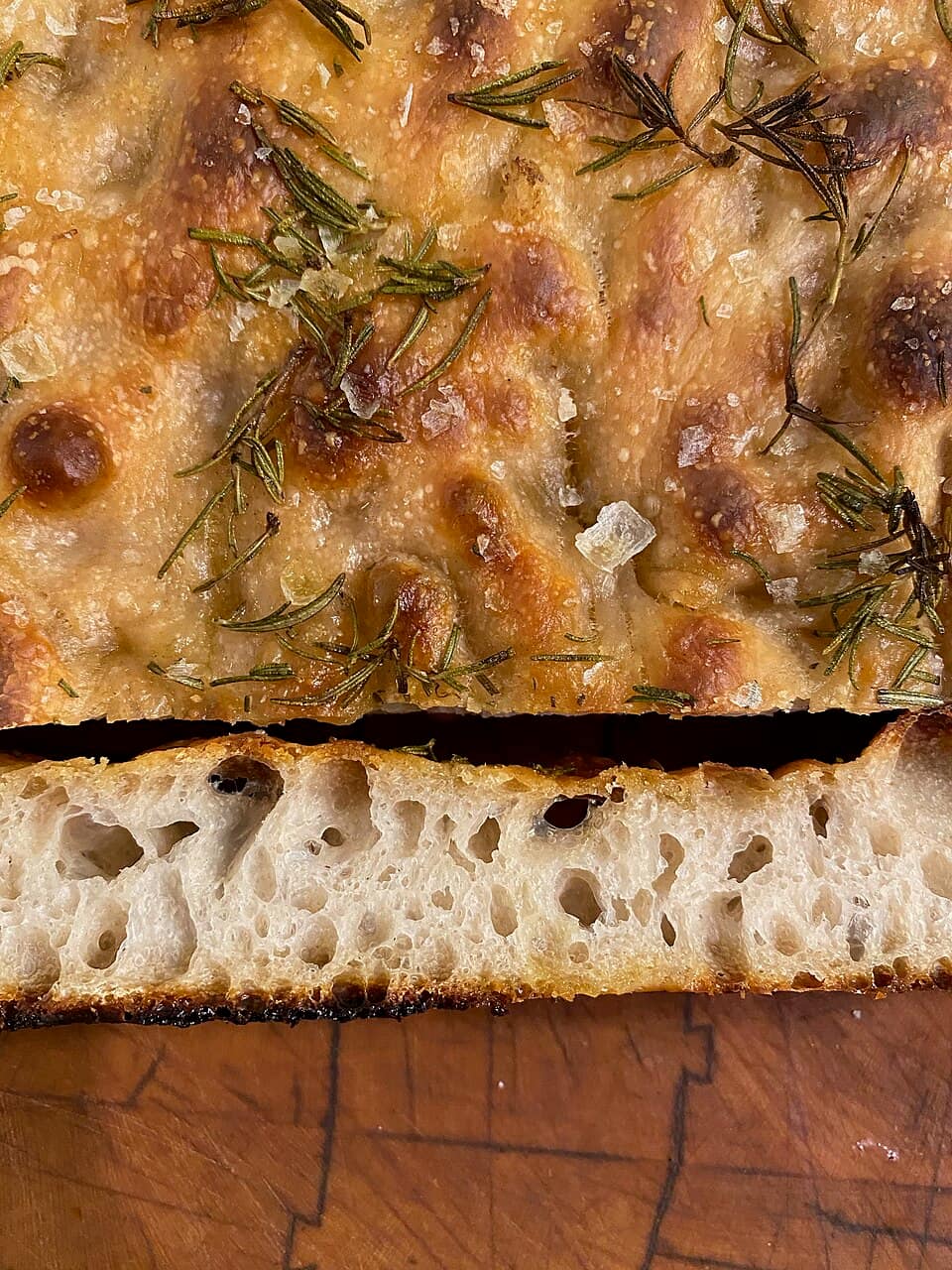
Focaccia
Italian · 3 h 10 min · 319 kcal · VeganFougasse
 French · 3 h 13 min · 277 kcal · Vegan
Grissini torinesi
Italian · 2 h 18 min · 55 kcal · VeganLamb peka
 Croatian · 2 h 40 min · 764 kcal
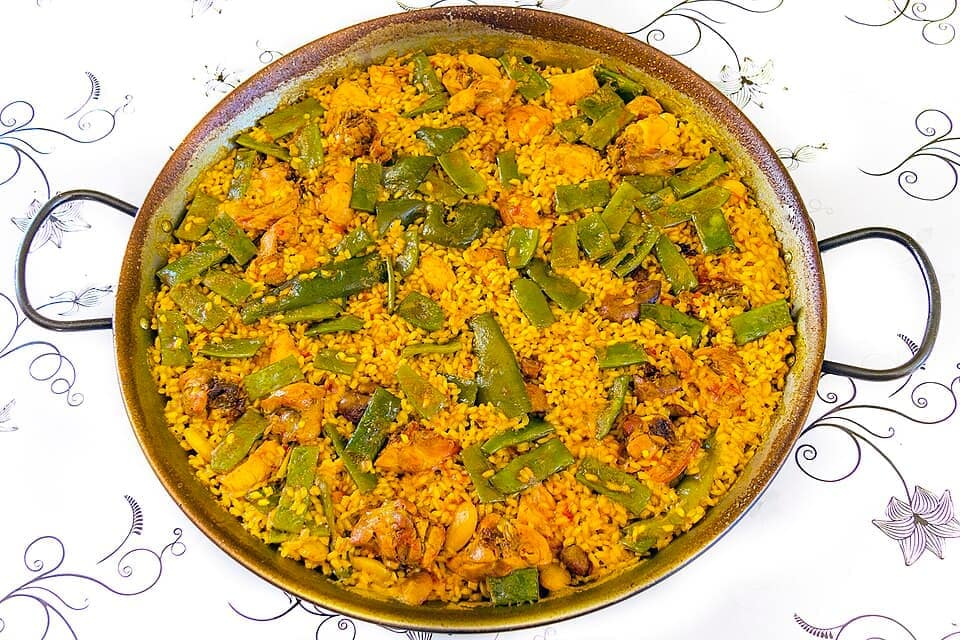
Paella valenciana
 Spanish · 1 h 20 min · 788 kcal
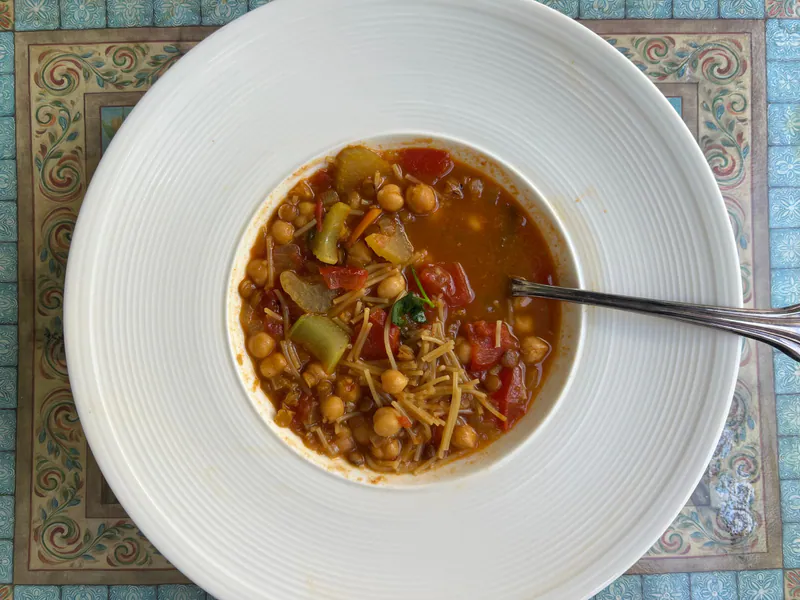
Pasta e ceci
Italian · 40 min · 490 kcal · Vegetarian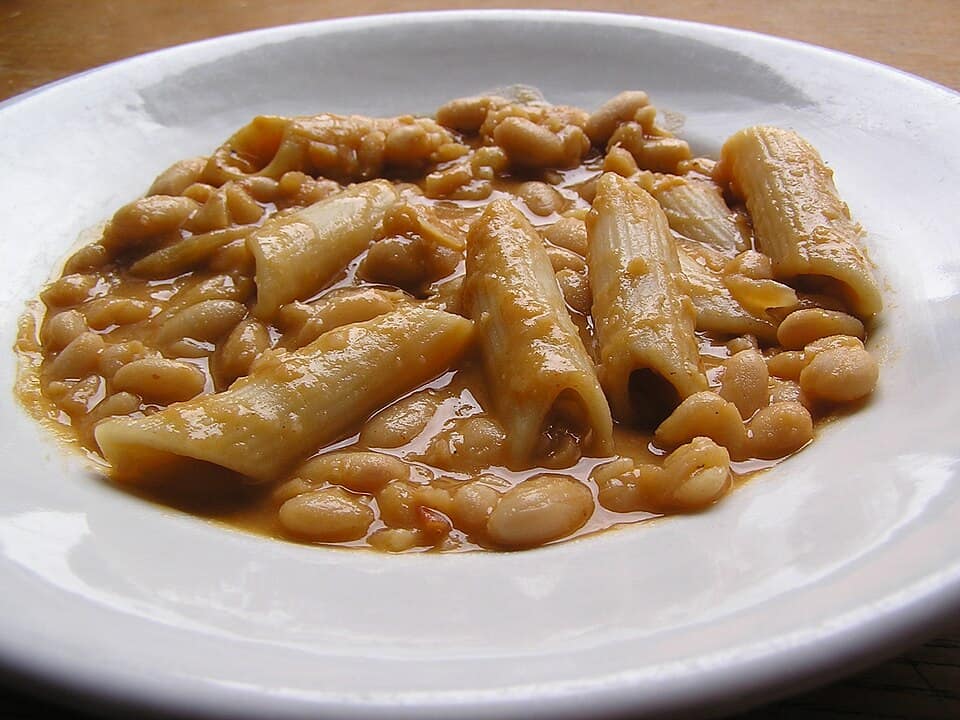
Pasta e fagioli
Italian · 45 min · 406 kcal · Vegetarian
2 more
- Sparkling pomegranate spritzer · International
- White Bean and Kale Stew · Mediterranean