Cuisine
Levantine
The shared cooking of Lebanon, Syria, Palestine and Jordan: mezze spreads, olive oil, bulgur, chickpeas and tahini, grilled meats, flatbreads and abundant herbs and lemon.
Flavour character: Fresh and tangy: lemon, sumac and pomegranate molasses; nutty tahini; garlic (toum); parsley and mint; warm allspice-and-cinnamon spicing (baharat) in meat dishes; Aleppo pepper for gentle heat.
History
The eastern Mediterranean is one of the places where wheat, barley, lentils, chickpeas and olives were first domesticated. Arab, Byzantine and four centuries of Ottoman rule (1516–1918) shaped a common repertoire of kibbeh, stuffed vegetables, pilafs and pastries. Aleppo and Damascus were renowned culinary cities; Lebanese emigrants spread mezze culture worldwide in the 20th century. Jordan's mansaf was inscribed by UNESCO in 2022.
Well documented
Geography and influences
A coastal strip and mountain ranges backed by inland plains and desert: olives, citrus, vegetables and wheat near the sea; sheep, goats and dairy inland.
- Ancient Fertile Crescent agriculture
- Arab and Islamic cooking
- Ottoman cuisine
- Armenian communities
- French Mandate (bakery, some sauces)
Regional variations
- Lebanon
- Large mezze tables, raw kibbeh, toum and mountain dairy.
- Syria (Aleppo, Damascus)
- Aleppo is famed for kibbeh varieties, muhammara and Aleppo pepper; Damascus for sweets and fatteh.
- Palestine
- Musakhan, maqluba, Nablus knafeh and taboon bread.
- Jordan
- Bedouin heritage: mansaf with jameed (dried fermented yogurt).
Festive and seasonal food
- Maamoul at Eid and Easter
- Mansaf at weddings and gatherings (Jordan)
- Qatayef during Ramadan
- Kaak and sweets at Eid
Signature dishes
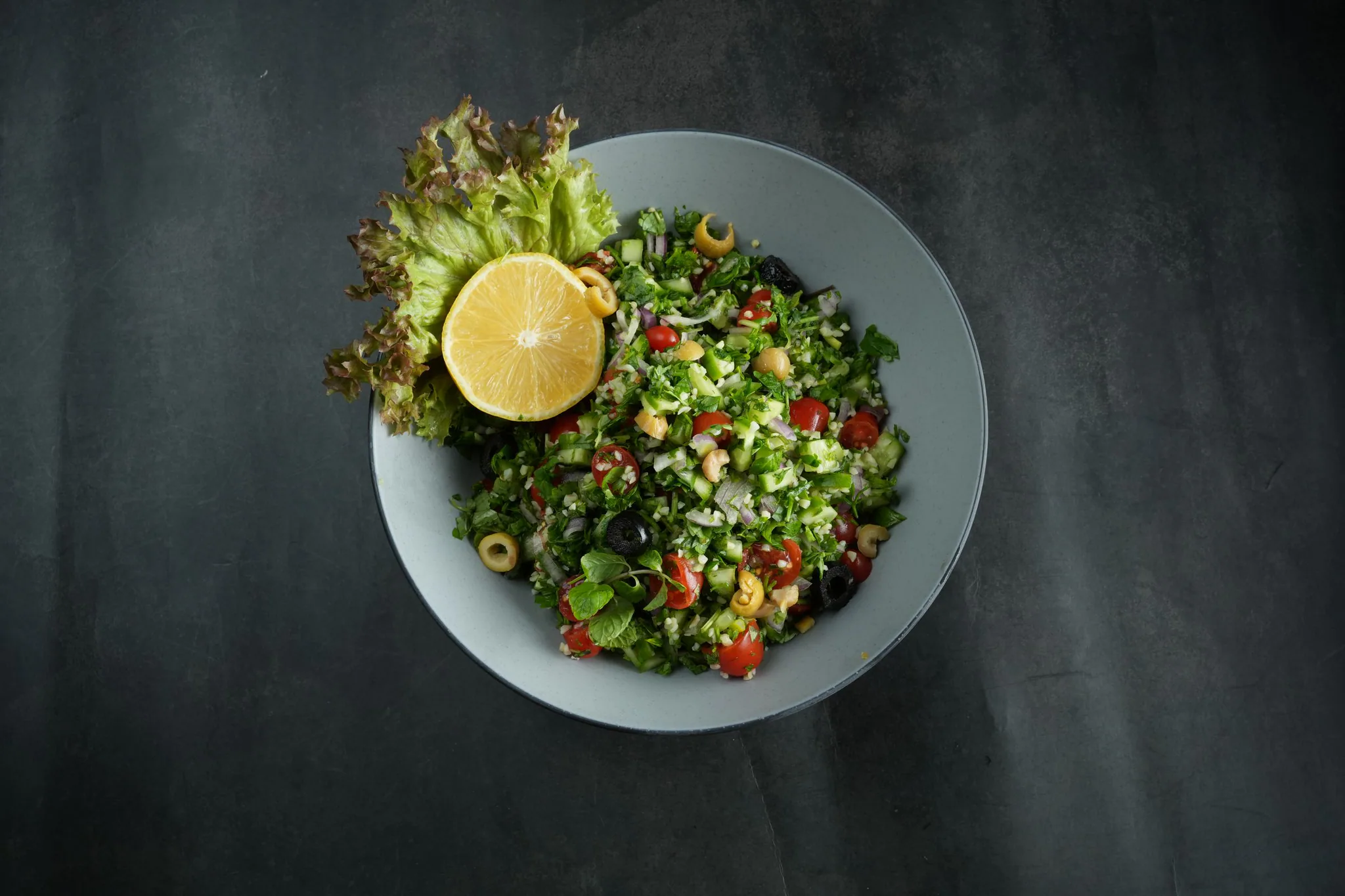
- Tabbouleh
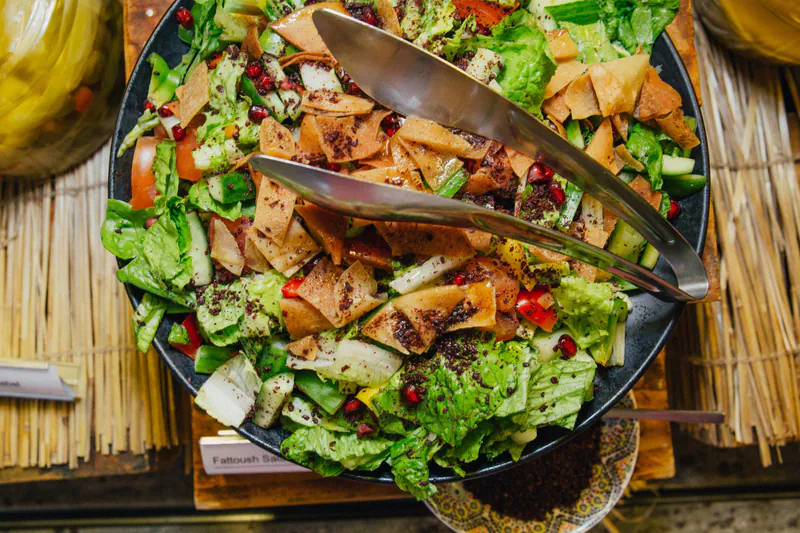
- Fattoush
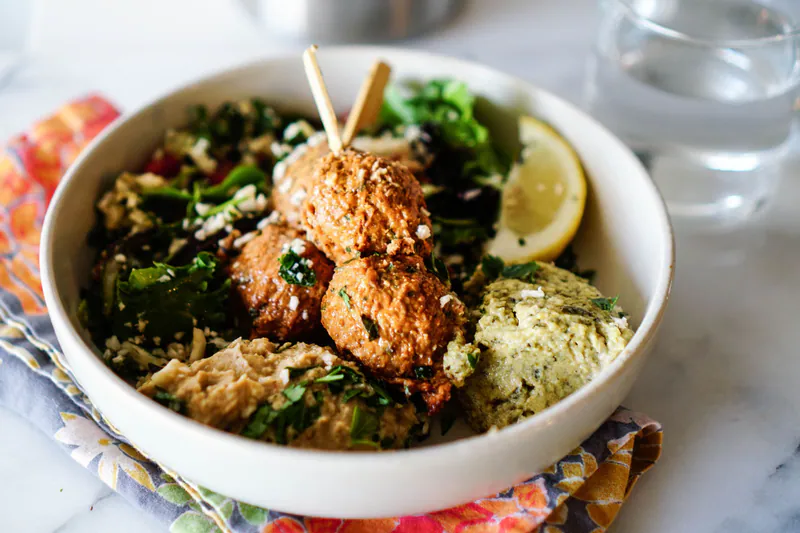
- Falafel
- Kibbeh bil sanieh
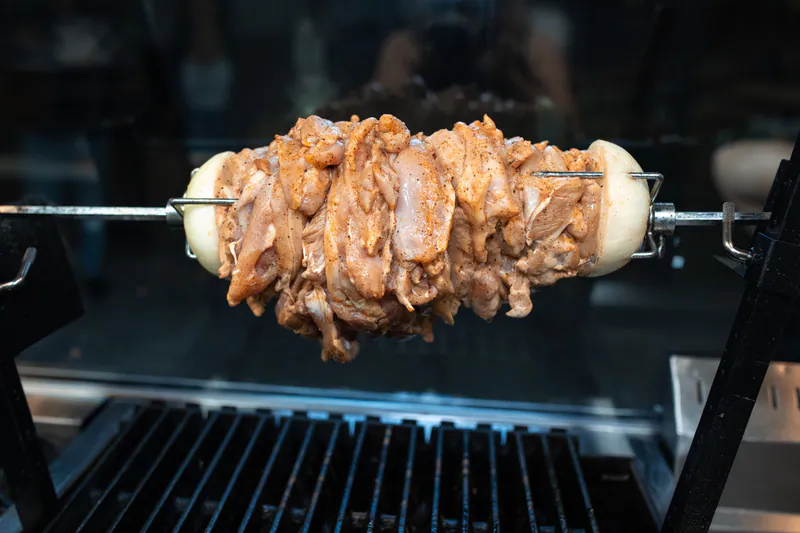
- Chicken shawarma
- Shish tawook
- Manakish za'atar
- Mujaddara
- Maqluba
- Musakhan
- Mansaf
- Knafeh
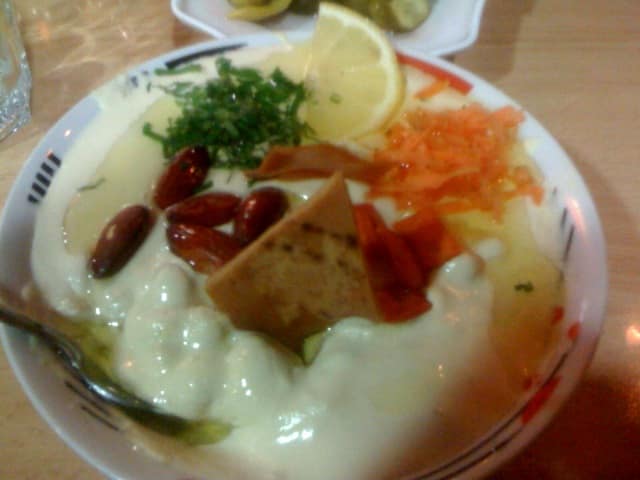
- Fattet hummus
- Fried kibbeh
- Ma'amoul with dates
Not on the site yet: Kibbeh nayyeh (raw kibbeh), Shish barak, Warak enab (stuffed vine leaves), Mulukhiyah
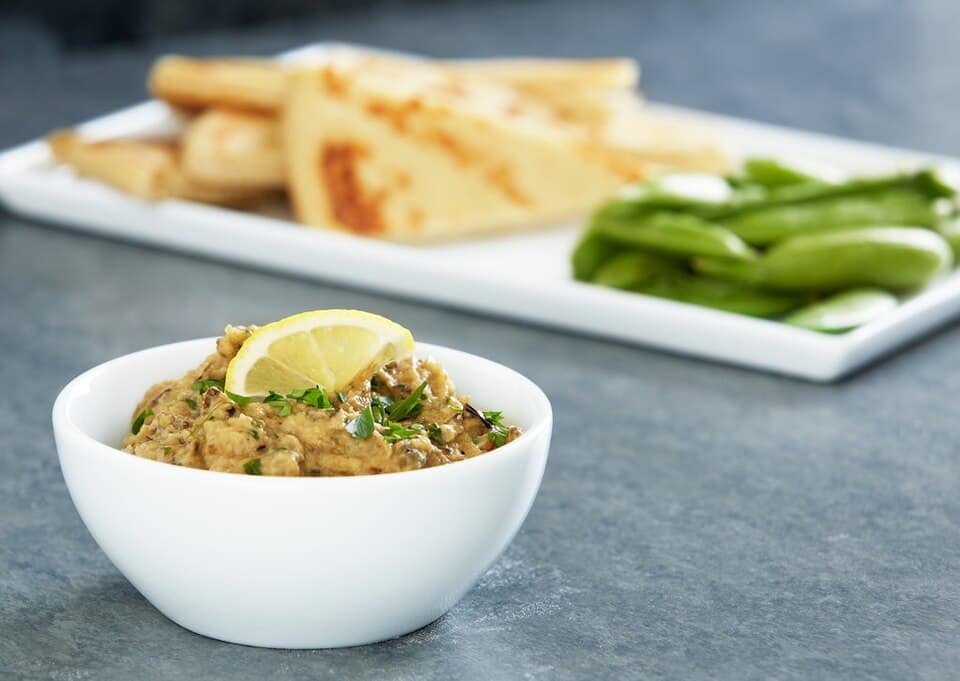
 Lebanese · 1 h 5 min · 123 kcal ·
 Turkish · 5 h 30 min · 217 kcal ·