
Dry-heat cooking · intermediate
Charcoal grilling
Also: barbecue, angeethi / sigri cooking, yakitori-style grilling
Grilling directly over burning charcoal for intense radiant heat and smoky flavour.
What it is
Charcoal grilling cooks food over lump charcoal or briquettes. It is the method behind street kebabs, bhutta (charred corn), satay, yakitori and much of the world's barbecue. The fire can be arranged in hot and cool zones to control cooking.
Why cooks use it: Glowing charcoal gives off strong infrared heat, higher than many gas grills, and drippings vaporising on the coals add smoky flavour.
The science
Charcoal is mostly carbon, so it burns with little flame and radiates heat steadily. Heat output is controlled by the amount of coal and by airflow through the vents. Fat dripping onto coals creates smoke that flavours the food.
How heat moves into foodThe Maillard reactionAroma compounds and flavour
Step by step
Light the charcoal in a chimney starter; avoid lighter fluid if you can.
Wait until the coals are covered in grey ash (15–25 minutes).
Bank most coals to one side for a hot zone and leave the other side cooler.
Clean and oil the grate; grill over the hot zone to sear.
Move food to the cooler side to finish thicker pieces with the lid on.
Control heat with the vents: more air means hotter coals.
Heat and timing
- Charcoal grilling 200–350 °C · Directly over a full bed of lit charcoal the grate can exceed 300 °C; the cool zone is far lower.
Time: Kebabs 8–12 minutes; corn 8–10 minutes; whole fish 15–25 minutes.
How you know it’s right
- Coals glowing under a layer of grey ash
- Food releases easily from the grate
- Light charring at edges, not black all over
Common mistakes
- Cooking over flaming, freshly lit coals
- Using too little charcoal for the job
- Smothering the fire by closing all vents
Troubleshooting
- Chemical taste
- Lighter fluid or briquette additives; use a chimney and let coals ash over completely.
- Fire dying
- Open the vents and add a few lit coals from a chimney.
Restaurant DNA
How professionals do it
Specialist grill restaurants (kebab houses, yakitori bars) use dense lump or binchotan charcoal in narrow troughs so skewers sit close to the heat, and fan the coals to adjust it.
At home
A kettle grill with a chimney starter, or a small cast-iron sigri outdoors; for charring aubergine or peppers indoors, a gas flame is the practical stand-in.
General professional practice — not any particular restaurant’s recipe.
Food safety
- Only ever use charcoal outdoors; it produces carbon monoxide.
- Never add lighter fluid to lit coals.
- Let ash cool completely (often 48 hours) before disposal.
Practise it
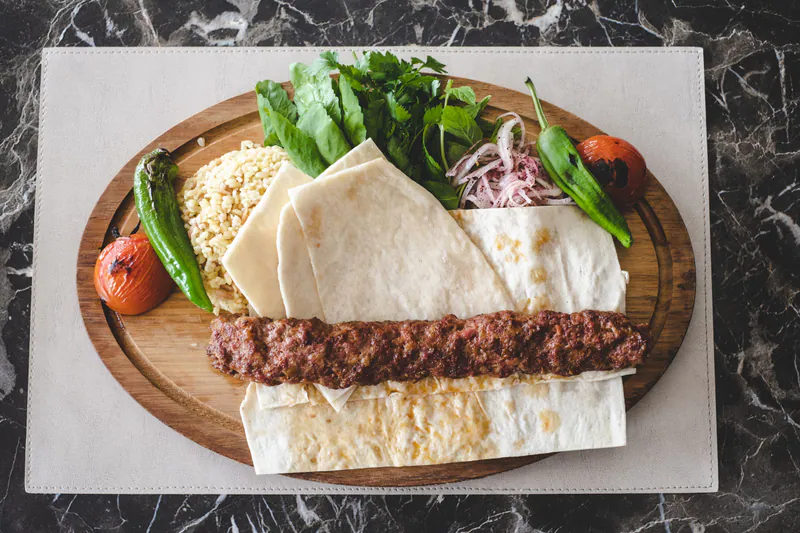
Adana kebab
 Turkish · 1 h 7 min · 438 kcal
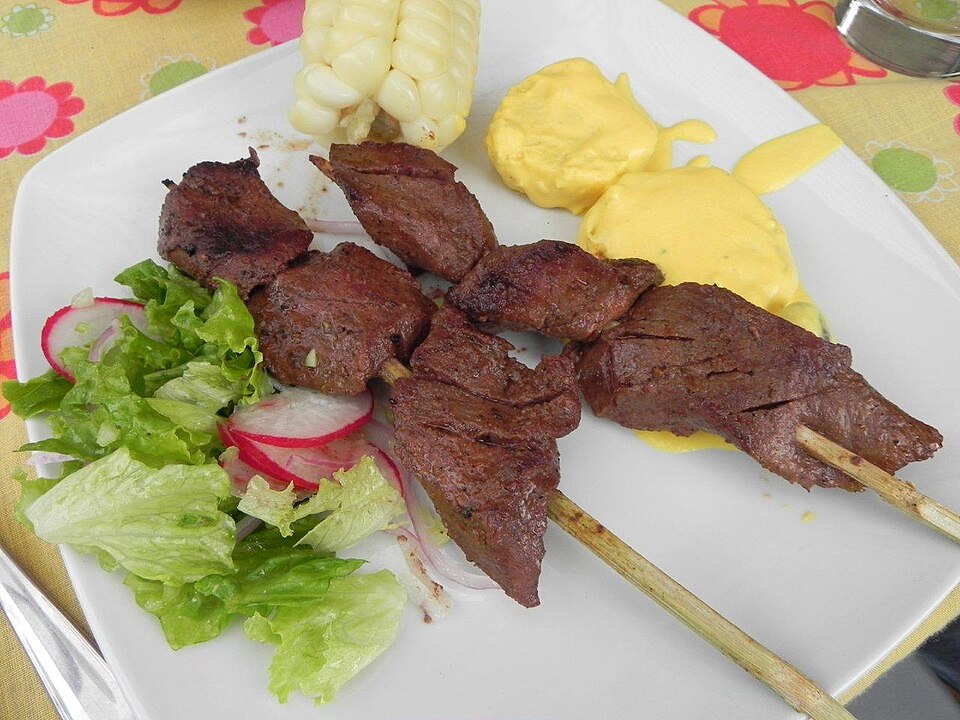
Anticuchos de corazón
 Peruvian · 45 min · 491 kcal
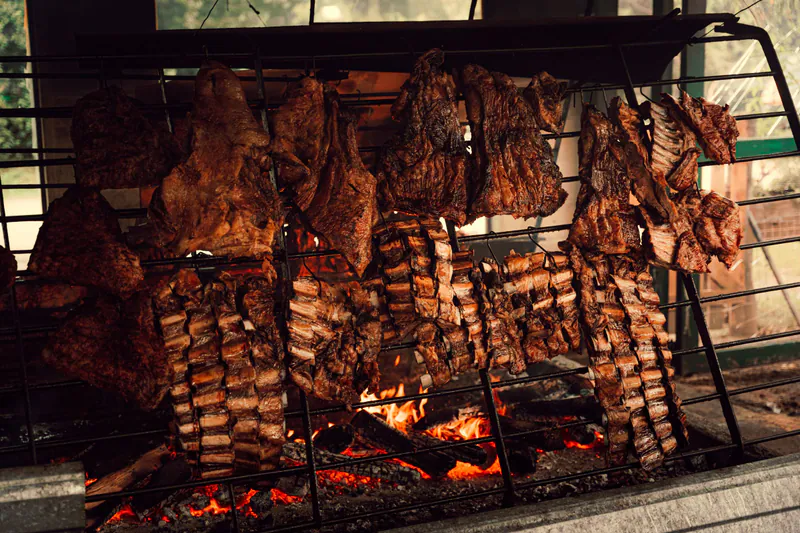
Argentine asado
 Argentine · 2 h 5 min · 653 kcal
Attiéké with grilled fish
 Ivorian · 1 h 15 min · 644 kcal
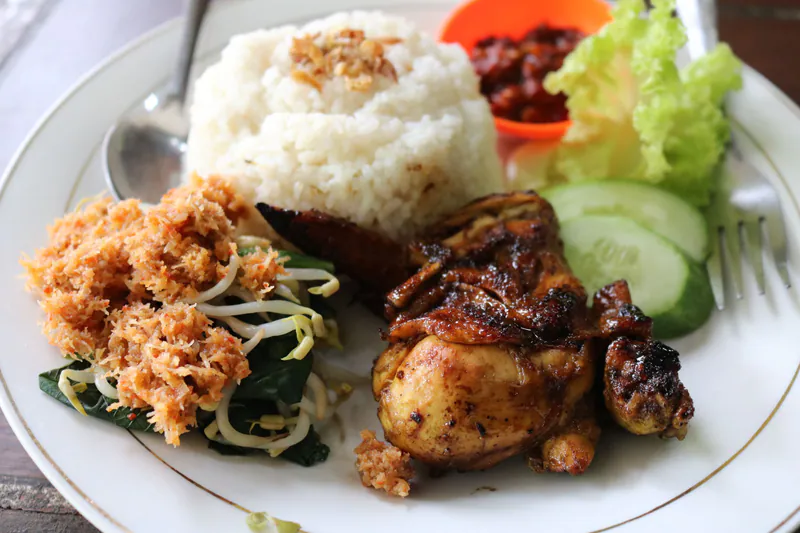
Ayam bakar
 Indonesian · 1 h 15 min · 716 kcal
Baba ghanoush (Lebanese-Syrian chopped style)
 Lebanese · 1 h 5 min · 123 kcal · Vegan
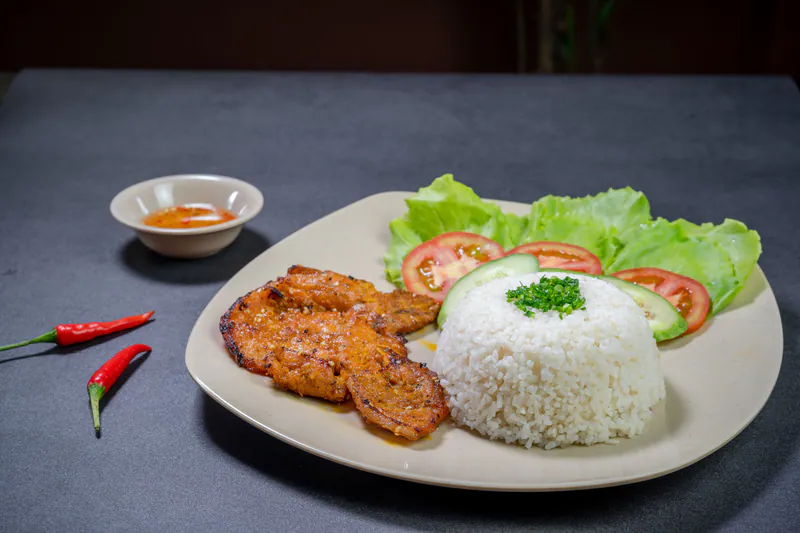
Bai sach chrouk
 Cambodian · 1 h 50 min · 724 kcal
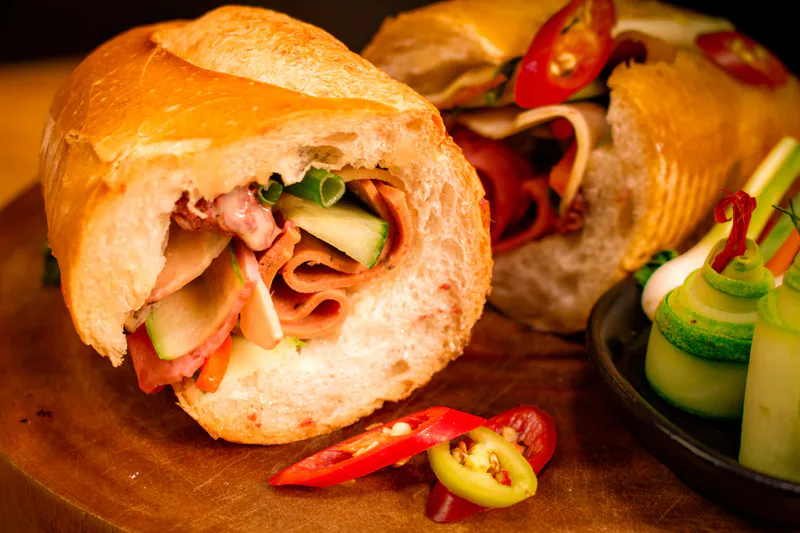
Bánh mì thịt nướng
 Vietnamese · 1 h 40 min · 656 kcal
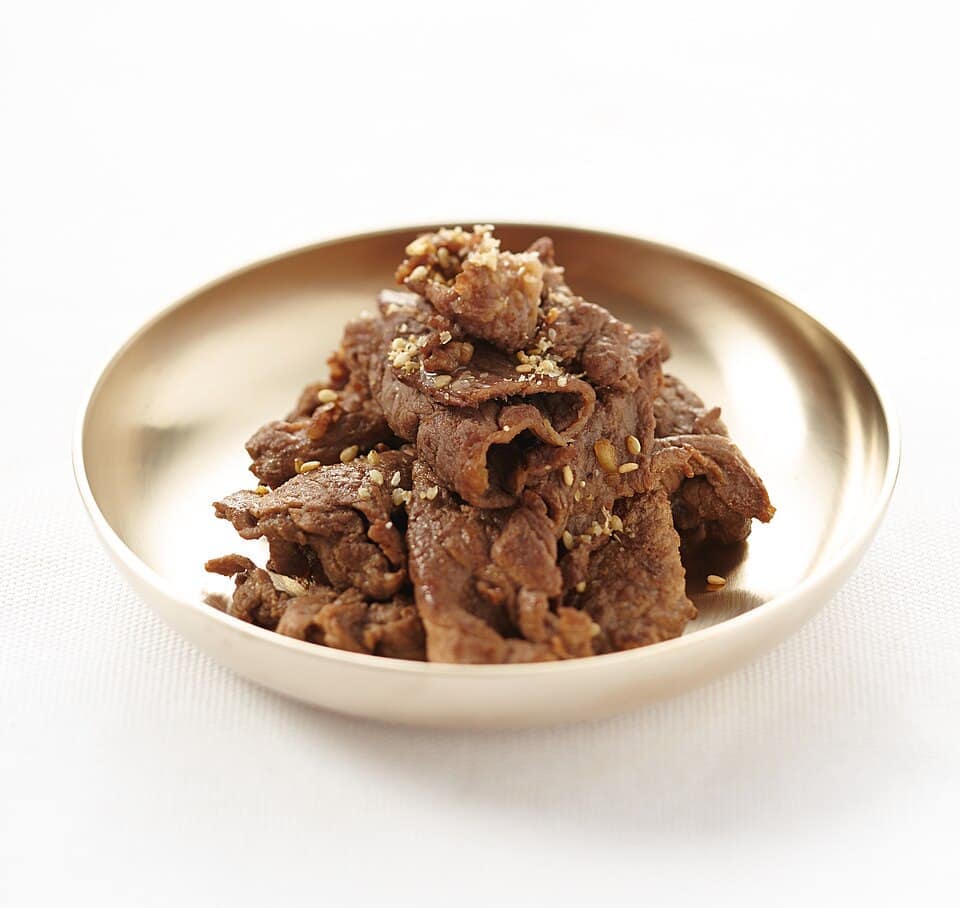
Beef bulgogi
 Korean · 55 min · 288 kcal
80 more
- Bilahi pitika (Assamese roasted tomato mash) · Indian
- Boerewors with pap and sous · South African
- Bún chả · Vietnamese
- Ćevapi · Balkan
- Champaran meat · Indian
- Chicken souvlaki · Greek
- Chicken yassa · Senegalese
- Chivito · Uruguayan
- Choripán · Argentine
- Classic beef burger · American
- Cơm tấm sườn nướng · Vietnamese
- Elote · Mexican
- Ensaladang talong · Filipino
- Fermented bamboo shoot chutney · Indian
- Fish yassa · Senegalese
- Frango à zambeziana · Mozambican
- Gai yang (Thai grilled chicken) · Thai
- Grilled chicken salad · International
- Grilled Garlic Prawn Skewers · Mediterranean
- Grilled halloumi with watermelon and mint · Cypriot
- Grilled Lemon-Herb Salmon · International
- Grilled picanha · Brazilian
- Grilled Sea Bass with Lemon-Oil Dressing · Mediterranean
- Grilled Squid Salad · Mediterranean
- Grilled steak with chimichurri · Argentine
- Htipiti (roasted red pepper and feta dip) · Greek
- Hünkar beğendi (lamb on smoky aubergine purée) · Turkish
- Ikan sabuko · Timorese
- İskender kebap · Turkish
- Izgara köfte · Turkish
- Jamaican jerk chicken · Jamaican
- Joojeh kabab · Iranian
- Kapana · Namibian
- Kati kati · Cameroonian
- Khorovats · Armenian
- Kilishi · Nigerien
- Liboké de poisson · Congolese
- Masgouf-style grilled carp · Iraqi
- Mashuai · Omani
- Melitzanosalata (Greek smoky aubergine dip) · Greek
- Mici · Romanian
- Mishkak · Omani
- Mitarashi dango · Japanese
- Moo ping (Thai grilled pork skewers) · Thai
- Mozambican peri-peri prawns · Mozambican
- Mshikaki · Tanzanian
- Nyama choma · Kenyan
- Paneer tikka · Punjabi
- Patlıcan salatası · Turkish
- Piri-piri chicken · Portuguese
- Plato típico hondureño · Honduran
- Pljeskavica · Serbian
- Pork sisig · Filipino
- Pork souvlaki · Greek
- Potjiekos · Namibian
- Roasted red pepper hummus · International
- Rwandan goat brochettes · Rwandan
- Saba shioyaki · Japanese
- Salata mechouia · Tunisian
- Salsa roja asada · Mexican
- Sardinhas assadas · Portuguese
- Sate ayam (chicken satay) · Indonesian
- Seekh kebab · Pakistani
- Seychellois grilled fish with Creole sauce · Seychellois
- Shaiyah · Sudanese
- Shish tawook · Lebanese
- Souvla · Cypriot
- Sticky rice with jeow mak len · Lao
- Suya · Nigerian
- Tandoori chicken · Punjabi
- Tlayudas · Mexican
- Tomato bruschetta · Italian
- Tomato chokha (Bihari roasted tomato mash) · Indian
- Tortang talong · Filipino
- Ulli chammanthi (Kerala shallot chutney) · South Indian
- Uzbek lamb shashlik · Uzbek
- Xinjiang cumin lamb skewers · Chinese
- Yakitori (negima) · Japanese
- Yakitori tare · Japanese
- Yam nuea · Thai