
Cookware & bakeware · Bakeware
Cake tin
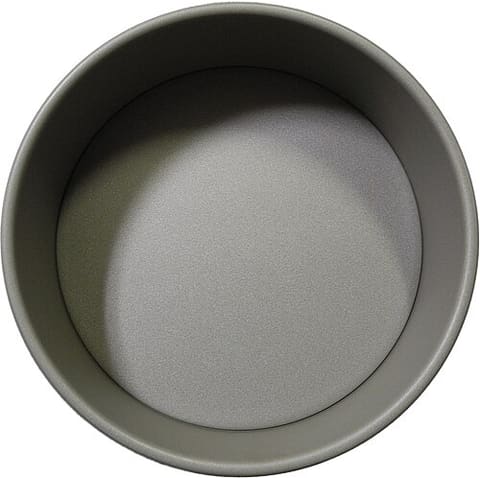
A round, square or loaf-shaped metal tin for baking cakes; the general catalogue term for cake and loaf tins.
Essential in most kitchens · No power needed · 23 recipes
Photo: Douglas P Perkins, via Wikimedia Commons (CC-BY-3.0)
What it is
A metal tin with straight sides, usually round (18–23 cm sandwich or deep tins) or square, used to hold cake batter while it bakes. In this catalogue the label 'Cake / loaf tin' covers general cake tins in any shape; when a recipe specifically needs a long rectangular loaf shape it uses the separate loaf tin, and for cheesecakes and delicate cakes the springform pan.
What it’s for: Giving cakes their shape and supporting the batter until it sets.
How to use it
- Grease the tin and line the base (and sides for long bakes) with baking paper.
- Pour in the batter, level it and tap the tin to remove large air pockets.
- Bake on the middle shelf of a preheated oven.
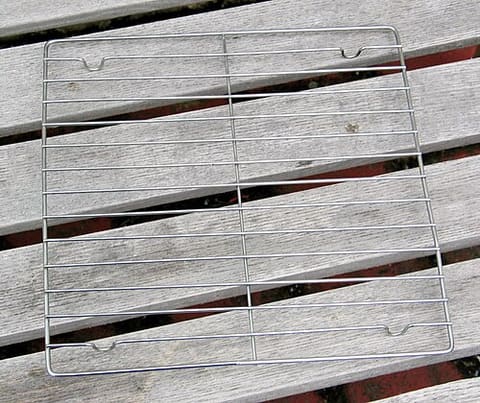
- Test with a skewer, cool in the tin for 10 minutes, then turn out onto a cooling rack.
Good to know
- Tasks
- baking sponges and layer cakes, baking brownies and traybakes, baking fruit cakes, making loaf cakes
- Cooking methods
- Oven-baked
- Materials
- aluminium, anodised aluminium, non-stick steel, silicone
- Care and cleaning
- Wash by hand and dry fully to prevent rust on steel tins. Avoid cutting cakes inside non-stick tins.
- Limitations
- Tin size matters: a different size changes baking time and depth. Fixed-base tins make delicate cakes hard to release.
Safety
- Use oven gloves; thin metal heats quickly.
If you don’t have one
- Springform pan — Swap for a round tin of the same diameter.
- Baking dish — Works for traybakes; ceramic bakes more slowly.
Equipment guide
How it works: The tin's walls and base conduct oven heat into the batter from the outside in. Light metal tins heat evenly and give a pale, tender crust; dark tins absorb more radiant heat and bake edges faster. Batter sets first at the walls and rises in the centre, so straight, even walls give level cakes.
| Material | Good | Watch out |
|---|---|---|
| Anodised aluminium | Even heat and pale, even crust; does not rust. | Not for very acidic batters if uncoated; dents. |
| Tinned or carbon steel | Rigid and cheap. | Rusts if left wet; darker results. |
| Non-stick (PTFE or ceramic sol-gel coating on aluminium) | Eggs, fish and pancakes release with little fat; easy to clean; forgiving for beginners. | Coatings wear out (ceramic often faster than PTFE); PTFE should not be heated empty or above about 260 °C; poor at building fond; needs non-metal utensils. |
| Silicone | Flexible, so bakes pop out; non-stick; does not rust. | Poor heat conductor, so browning is weak; floppy when full and needs a tray underneath. |
- Round sandwich tin
- Layer cakes; usually 20 cm.
- Deep round tin
- Fruit cakes and tall sponges.
- Square tin
- Brownies, traybakes.
- Loose-bottomed tin
- Easy release without turning out.
Buying guidance
Starting out: Two 20 cm round tins (with loose bases), light-coloured aluminium.
- Size matching your recipes (18–23 cm most common)
- Straight sides at least 5 cm deep
- Light finish for even baking
- Loose base or a springform for delicate cakes
No brands or prices — check current reviews before buying.
Techniques:Baking
Related tools
Recipes that use it
Bint al sahn
 Yemeni · 2 h 35 min · 474 kcal · Contains egg
Bolo de fubá (Brazilian cornmeal cake)
 Brazilian · 1 h 25 min · 261 kcal · Contains egg
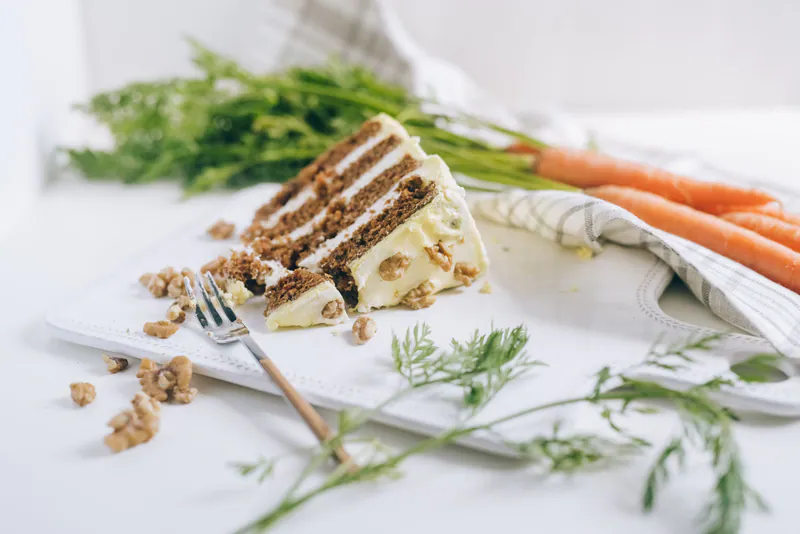
Carrot cake with cream cheese frosting
 American · 2 h 40 min · 550 kcal · Contains egg
Castella (Nagasaki honey sponge)
 Japanese · 2 h 15 min · 150 kcal · Contains egg
Chajá
 Uruguayan · 4 h 35 min · 351 kcal · Contains egg
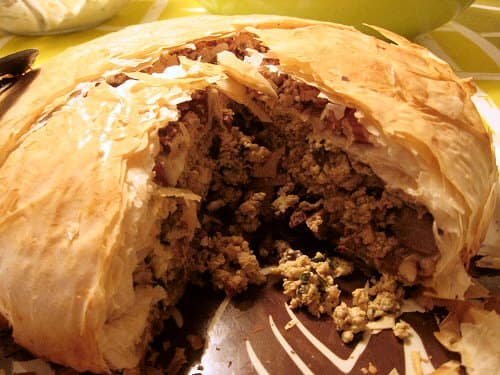
Chicken bastilla
 Moroccan · 2 h 50 min · 577 kcal
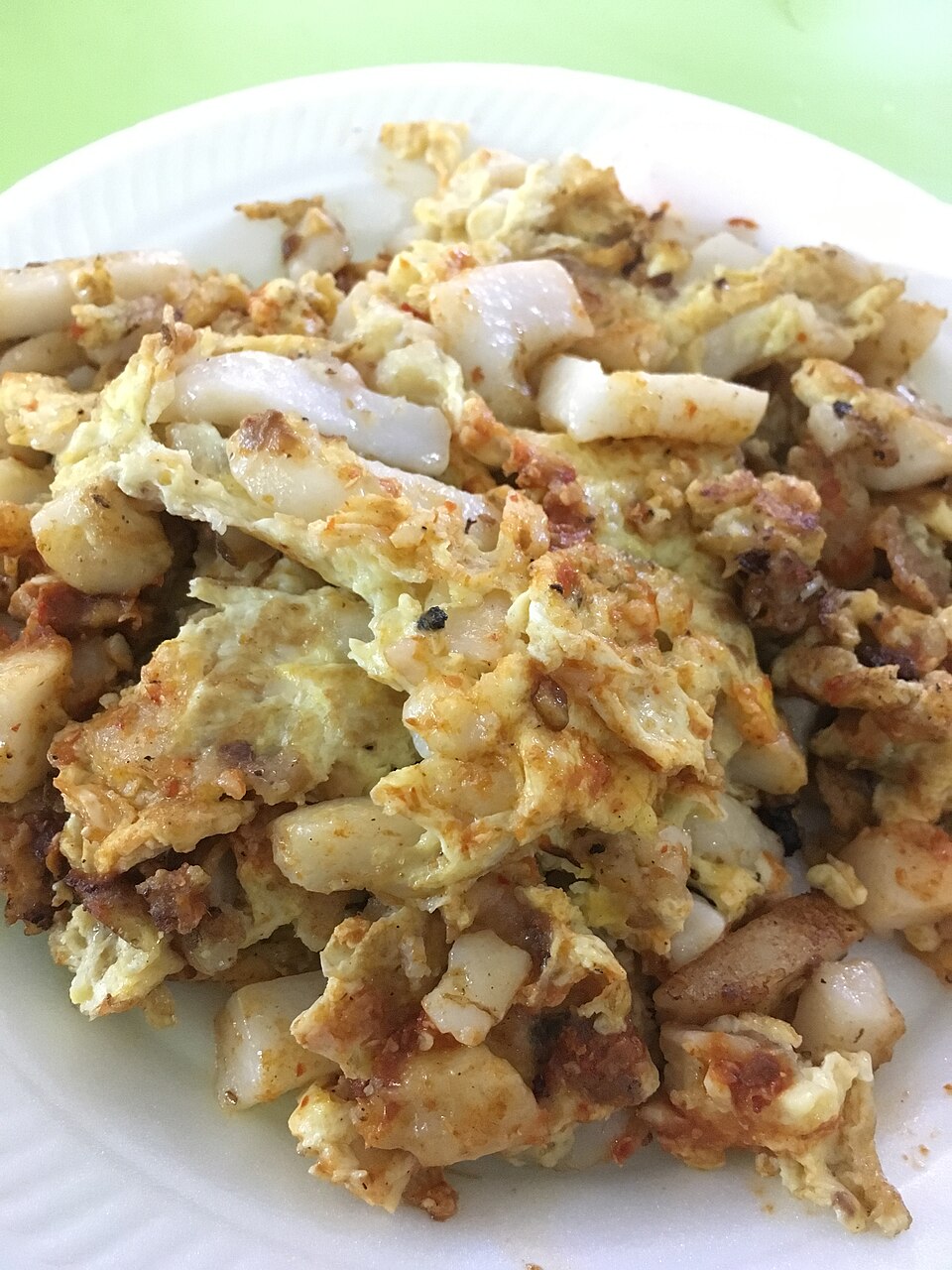
Fried carrot cake (chai tow kway)
 Singaporean · 4 h 20 min · 408 kcal
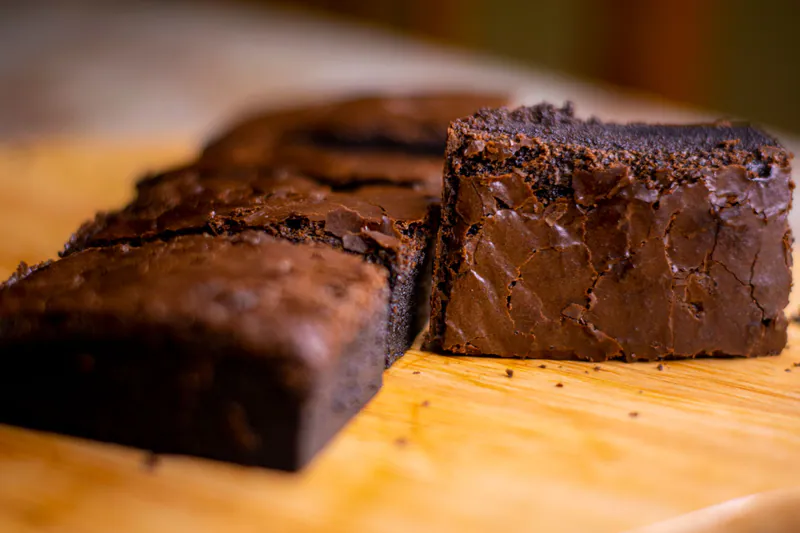
Fudgy chocolate brownies
American · 1 h 43 min · 250 kcal · Contains eggGers ogaily
 Bahraini · 1 h 10 min · 181 kcal · Contains egg
Goan bebinca
 Goan · 6 h 10 min · 299 kcal · Contains egg
Kerala plum cake (alcohol-free)
Indian · 12 h 45 min · 252 kcal · Contains egg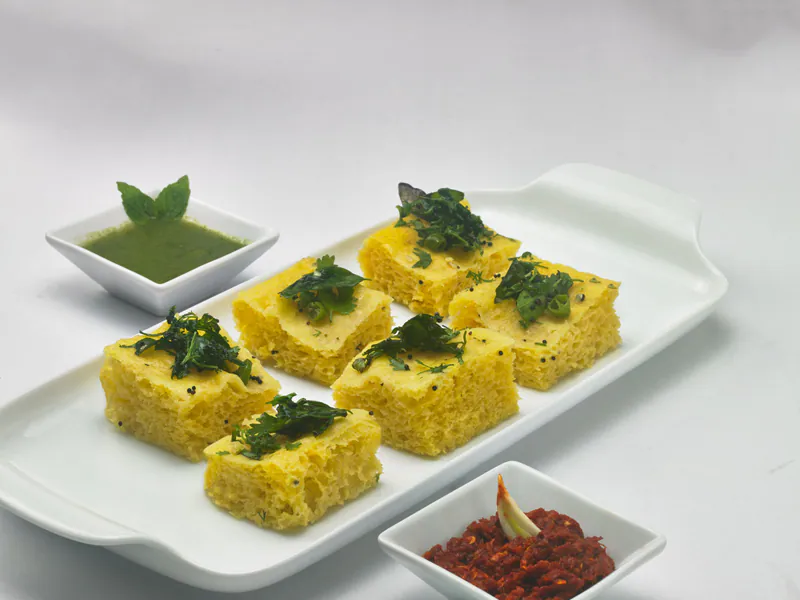
Khaman dhokla
Gujarati · 45 min · 284 kcal · Vegan
11 more
- Knafeh · Palestinian
- Lamingtons · Australian
- Liberian rice bread · Liberian
- Nanaimo bars · Canadian
- Potica (walnut roll) · Slovenian
- Scottish shortbread · British
- Sfouf · Lebanese
- Tarta de Santiago · Spanish
- Torta pascualina · Uruguayan
- Vegan chocolate cake · International
- Victoria sponge · British