
Indian techniques · advanced
Layering and sealing
Also: biryani layering, tah
Arranging par-cooked rice and meat or vegetables in layers with aromatics, then sealing the pot for dum.
What it is
The assembly stage of biryani and some pulaos: a base of meat or vegetable gravy (cooked for pakki biryani, raw marinated for kacchi), then par-boiled basmati in one or more layers, each sprinkled with fried onions (birista), mint, coriander, saffron or kewra milk and ghee. The pot is then sealed and cooked on dum.
Why cooks use it: Layering lets the rice steam over the gravy, absorbing aroma without turning mushy, and keeps visible contrast between white and saffron-coloured grains.
The science
Par-boiled rice has absorbed part of its water and gelatinised only partly; during dum it finishes cooking in the steam rising from the gravy layer. Fat (ghee) coats grains so they stay separate; saffron's colour and aroma compounds dissolve in the warm milk and migrate through the layers.
How heat moves into foodStarch gelatinisationAroma compounds and flavour
Step by step
Soak basmati 30 minutes, then boil it in plenty of well-salted water with whole spices until about 70% cooked: the grain breaks with a firm white core.
Spread the meat or vegetable gravy evenly at the bottom of a heavy pot.
Drain the rice and spoon it over in an even layer without pressing it down.
Scatter fried onions, mint and coriander, drizzle ghee and saffron milk; repeat if making more than one rice layer.
Finish with a final scattering of saffron milk, fried onions and ghee on top.
Seal the lid with a dough rope or foil and cook on dum.
Heat and timing
Time: Rice par-boiling 5–7 minutes; assembly 5 minutes; dum 20–45 minutes.
How you know it’s right
- Par-boiled grain bends and snaps with a visible core
- Layers loose, not compacted
- Seal intact during cooking
Common mistakes
- Fully cooking rice before layering
- Pressing the rice down
- Too little salt in the boiling water (the rice is not seasoned later)
- Not enough moisture in the base layer
Troubleshooting
- Broken, mushy grains
- Par-boil less and fold gently when serving, from the side, with a flat spoon.
- Dry, hard top layer
- Sprinkle warm milk or water before sealing, and check the seal.
Restaurant DNA
How professionals do it
Biryani specialists cook in large degs, often par-boiling rice to precise stages in batches and layering it quickly so the heat is not lost; many cook the rice in stock or spiced water rather than plain water.
At home
Use a wide, heavy pot so the layers are shallow and even, and taste the boiling water: it should be noticeably salty.
General professional practice — not any particular restaurant’s recipe.
Food safety
- For kacchi biryani, make sure raw meat is fully cooked through by the end of dum (tender cuts, long marination, adequate time).
- Cool leftover biryani within 1 hour and refrigerate; reheat only once until steaming hot.
Practise it
Dhakai kacchi biryani
 Bangladeshi · 6 h 35 min · 750 kcal
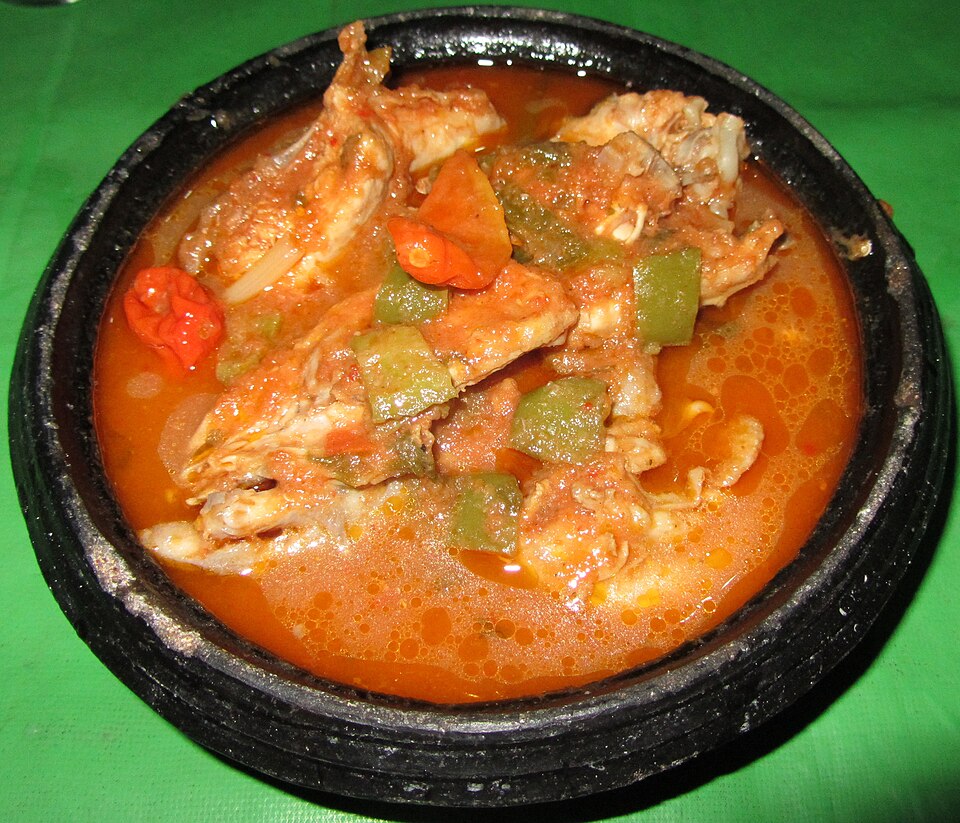
Kedjenou
 Ivorian · 1 h 20 min · 583 kcal
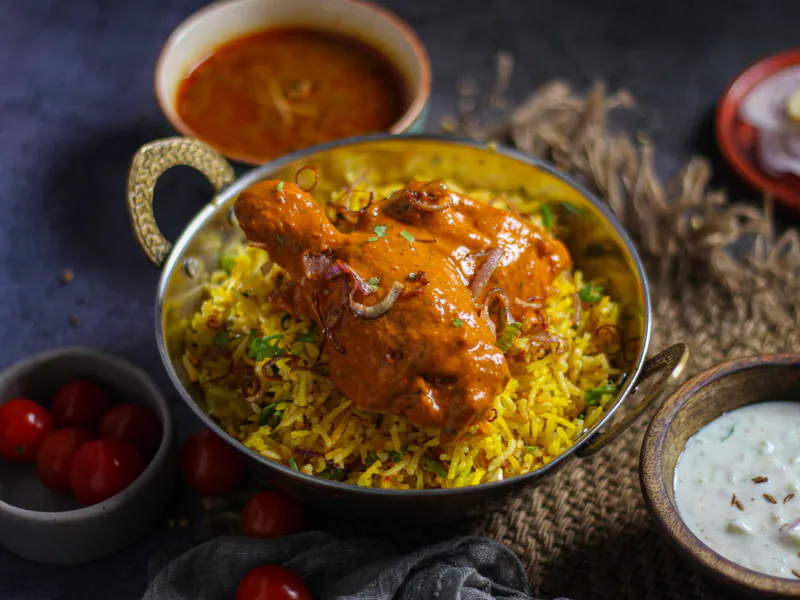
Sindhi biryani
 Pakistani · 2 h 15 min · 798 kcal