
Heat and cooking · beginner
Caramelisation
Sugar breaking down under high heat into brown colour and bitter-sweet, buttery flavours, with no protein involved.
What happens
When sugar is heated far enough, its molecules break apart and recombine into hundreds of new compounds: golden to dark-brown pigments, buttery and fruity aromas, sour acids and, eventually, bitter ones. Different sugars start at different temperatures. Fructose (in honey, fruit and jaggery) begins to caramelise from about 110 °C, while table sugar (sucrose) and glucose need about 160 °C. The colour deepens quickly: light caramel at around 165–170 °C, dark caramel at 180–190 °C, and beyond that it turns burnt and acrid. As it darkens, caramel also gets less sweet.
Why it matters in the kitchen
Caramelisation gives the colour and flavour of caramel sauces, crème caramel, the sugar sometimes browned at the start of a dish, and part of the colour of browned onions. Because the temperature window between good and burnt is narrow, controlling heat and watching colour is everything.
Temperatures and conditions
- Fructose starts to caramelise from 110 °C · Honey and fruit-rich mixtures brown earlier than plain sugar.
- Sucrose and glucose start to caramelise from 160 °C
- Light to medium caramel 165–180 °C
- Dark caramel, getting bitter 180–195 °C
- Burnt from 200 °C · Smoking, acrid; start again.
In practice
- Caramel for crème caramel or caramel custard.
- Sugar browned in oil at the start of some meat dishes before the meat goes in.
- Bananas or pineapple browned in a pan with sugar.
- Dulce de leche, where slow cooking of sweetened milk browns it (mostly Maillard reactions, as milk contains protein).
Myths and facts
Myth: Caramelised onions are browned only by caramelisation.
Fact: Onions contain amino acids as well as sugars, and they cook at temperatures far below 160 °C, so most of their browning is Maillard reactions. The name is a kitchen term, not a chemical one.
Myth: Sugar melts at one fixed temperature and then caramelises.
Fact: Research shows sucrose does not have a clean melting point: it decomposes, and held for a long time at lower temperatures it can slowly brown. Recipe temperatures are practical guides, not exact chemistry.
Myth: Darker caramel is just sweeter caramel.
Fact: As caramel darkens, sugar is used up and bitter compounds form, so a dark caramel is less sweet and more complex.
Use it to cook better
- Use a heavy, light-coloured pan so you can judge the colour; a dark pan hides it.
- For a wet caramel, dissolve the sugar in water first and don't stir once it boils; swirl the pan instead to avoid crystals.
- Have cold cream or water ready and add it off the heat to stop the cooking; it will spit violently.
- Honey, jaggery and syrups brown sooner than white sugar, so lower the oven or pan heat when swapping them in.
- Take caramel off the heat just before your target colour: the pan keeps cooking it.
Try it at home
Watch a caramel change
You need: 100 g white sugar, A small heavy light-coloured pan, A white plate, A teaspoon, A bowl of cold water nearby
- Heat the sugar alone over medium heat, swirling once it starts to liquefy.
- As soon as it is pale gold, drip a few drops onto the plate.
- Repeat at amber, deep amber and dark brown, then take the pan off the heat.
- When the drops are cold, taste each one.
What you’ll see: The colours run from gold to mahogany; the flavour moves from simply sweet to buttery to bitter, and the darker drops taste less sweet.
Molten sugar is far hotter than boiling water and sticks to skin. Adults only, no tasting until the drops are completely cold, and keep children away from the stove.
Going deeper
Sucrose first breaks into glucose and fructose, which then dehydrate and fragment into compounds such as diacetyl (buttery), furans (nutty, sweet), maltol (toasty) and various acids. Brown polymers called caramelans, caramelens and caramelins form as the reaction goes on. Studies published since about 2011 showed that sucrose decomposes rather than truly melting, and that time matters as well as temperature, which helps explain why slow, low-temperature cooking can still give caramel flavour.
Ingredients it affects most
Techniques that rely on it
Worth double-checking
- Caramelisation temperatures differ slightly between sources (sucrose is quoted from about 160 °C to 170 °C); figures here follow McGee.
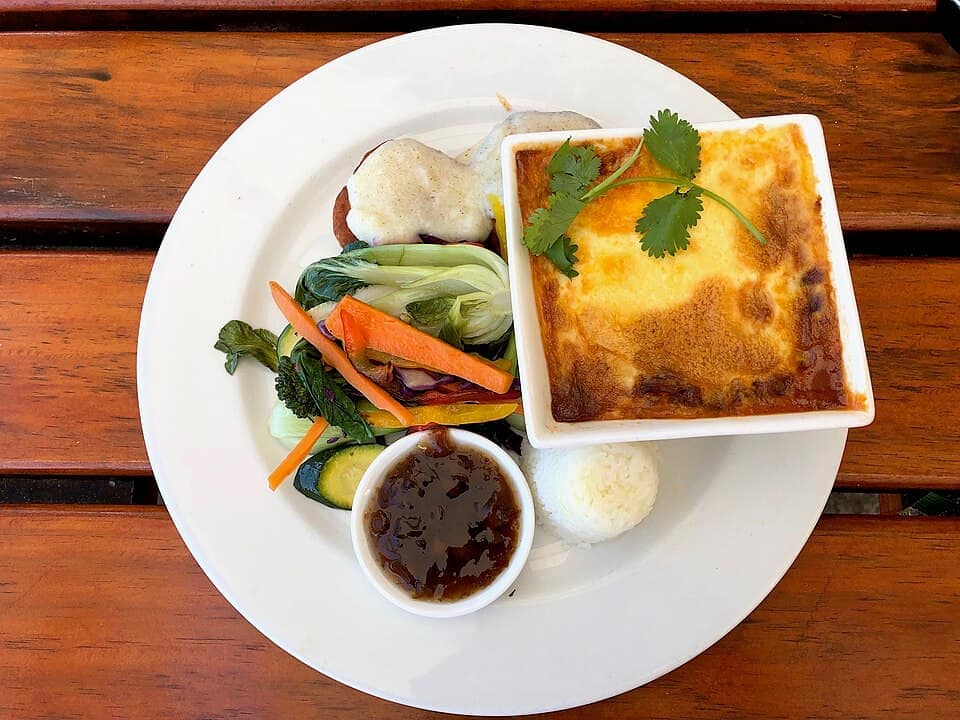
 Cape Malay · 1 h 25 min · 480 kcal
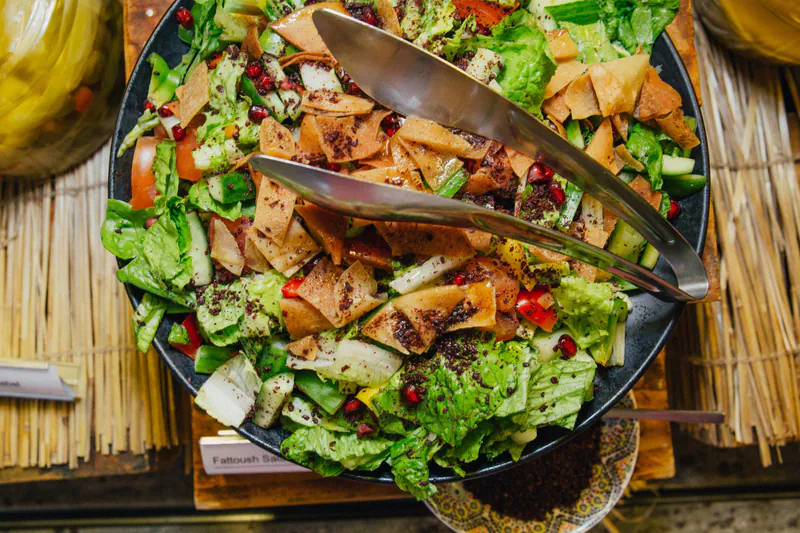
 Lebanese · 30 min · 293 kcal ·
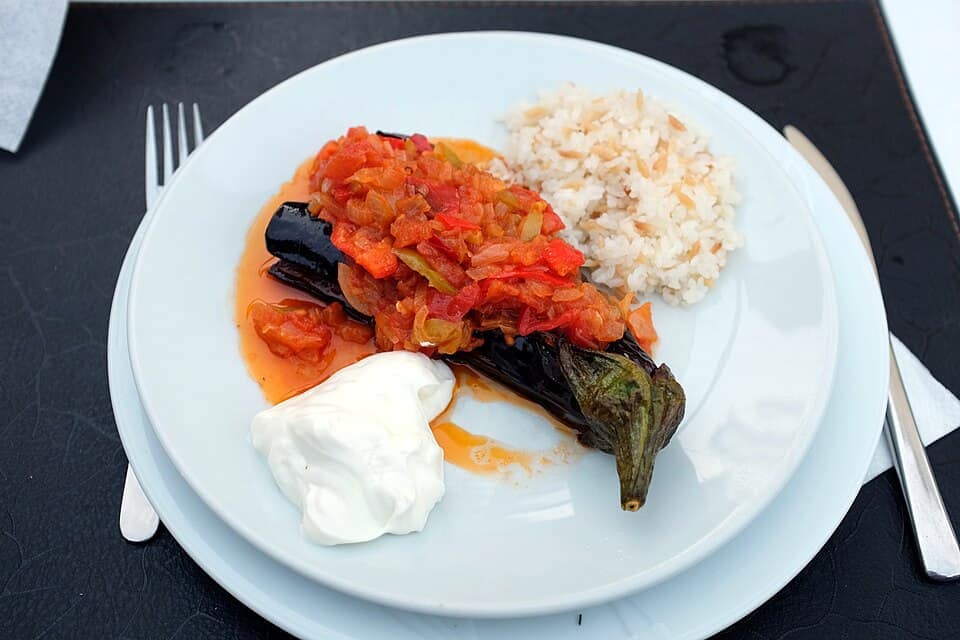
 Turkish · 1 h 55 min · 357 kcal ·
 Afghan · 2 h 45 min · 784 kcal
 Georgian · 2 h · 957 kcal ·
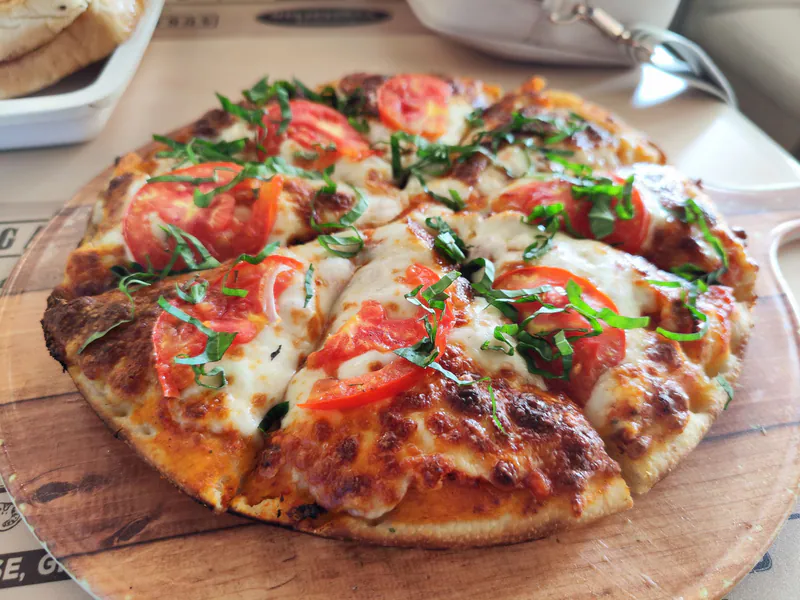
 Italian · 3 h 27 min · 756 kcal ·
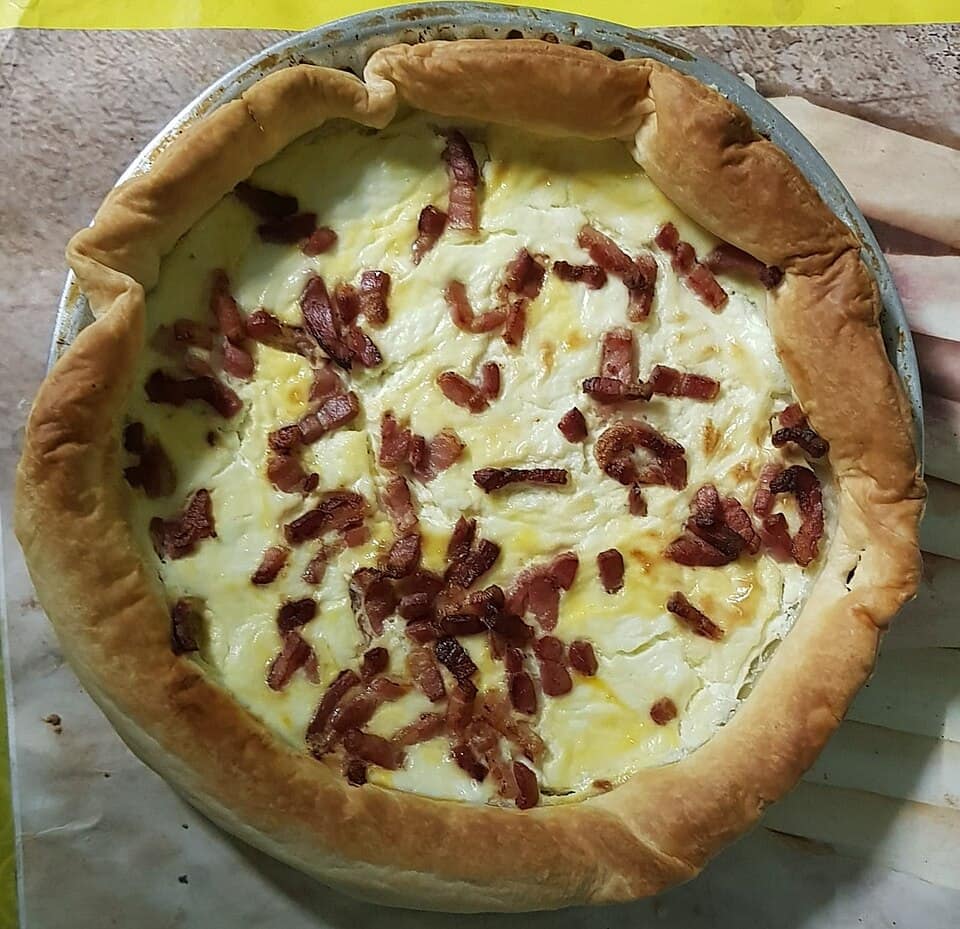
 French · 2 h 5 min · 598 kcal
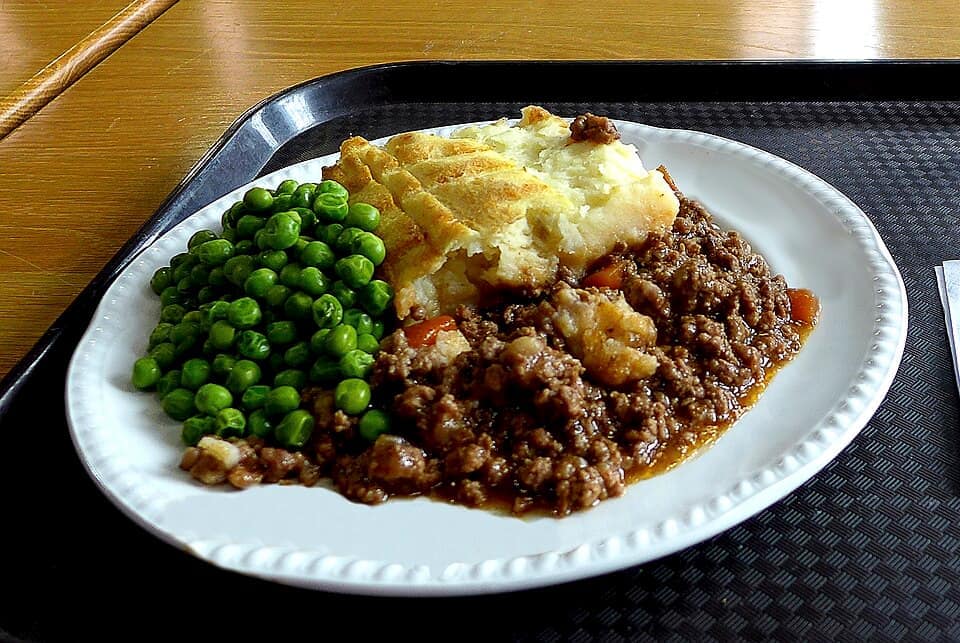
 British · 1 h 45 min · 551 kcal
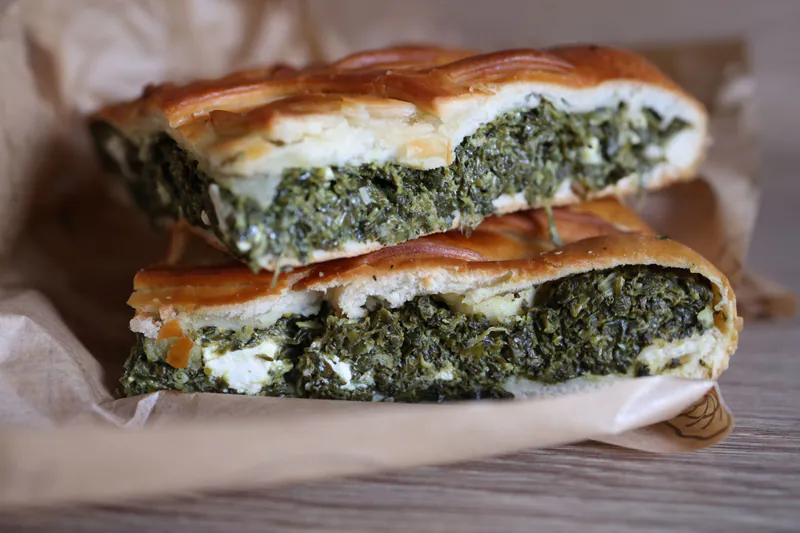
 Greek · 1 h 40 min · 307 kcal ·