
Fruits · Tropical fruit
Tamarind
Sour-sweet pulp from brown tamarind pods; soaked and strained to sour curries, sambar, chutneys and drinks.
Also called: tamarind paste, imli, tamarindo, asam jawa, sampalok
Read the full spice guide: flavour, history and how to use it
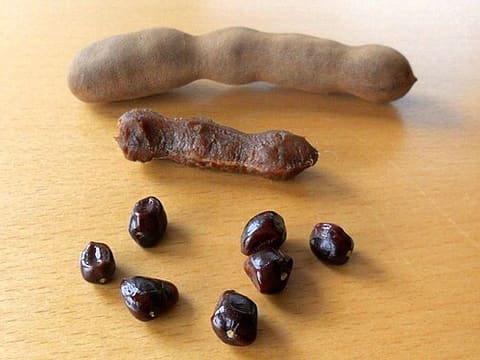
Photo: Jungle Rebel, via Wikimedia Commons (CC-BY-SA-3.0)
What it is
Tamarind comes from long, brittle brown pods filled with sticky, dark-brown pulp around hard seeds. It is sold as whole pods, pressed blocks of pulp (with seeds and fibres), or ready concentrate. The pulp is soaked in hot water and strained. Its fruity, date-like sourness differs from the sharp acidity of lime or vinegar.
Tamarindus indica
How it’s used
- Sours South Indian sambar and rasam
- Base for tamarind chutney (imli) for chaat
- Used in pad thai, Thai sour curries and Indonesian sayur asem
- Made into drinks such as agua de tamarindo
Characteristics
- Taste
- Tart, sweet and fruity.
- Texture
- Sticky, fibrous pulp.
- When cooked
- Soak a walnut-sized lump in hot water, squeeze and strain. Concentrate is much stronger, so use less.
- Sold as
- paste, dried, liquid
- Cooking uses
- Mainly a seasoning, Commonly cooked
- Common in
- Indian, South Indian, Thai, Indonesian, Malaysian, Filipino, Mexican, West African
Kinds in our pantry
Storage
Pantry-stable. Blocks keep for months in a cool, dry cupboard well wrapped; refrigerate opened concentrate and strained pulp.
Diet, allergens and safety
No major allergens in typical versions.
- Vegetarian
- Vegan
- Dairy-free
- Egg-free
- Gluten-free
- Nut-free
- Soy-free
- Caffeine-free
Nutrition per 100 g
- Energy
- 239 kcal
- Protein
- 2.8 g
- Carbohydrate
- 62.5 g
- Fat
- 0.6 g
- Fibre
- 5.1 g
- Sugars
- 38.8 g
USDA FoodData Central: Tamarinds, raw.
Substitutes
Optional — what works if you don’t have it, and how it changes the dish.
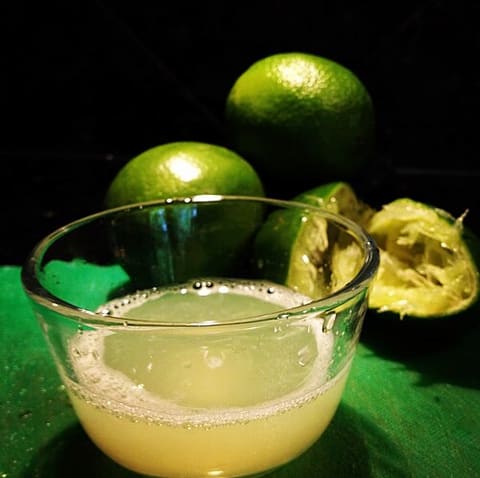
- Lime juice — Add with a little brown sugar or date for depth; sharper.
- Amchur (dried mango powder) — In dry dishes; use about a teaspoon in place of a tablespoon of paste.
Related ingredients
Recipes with tamarind
See all 80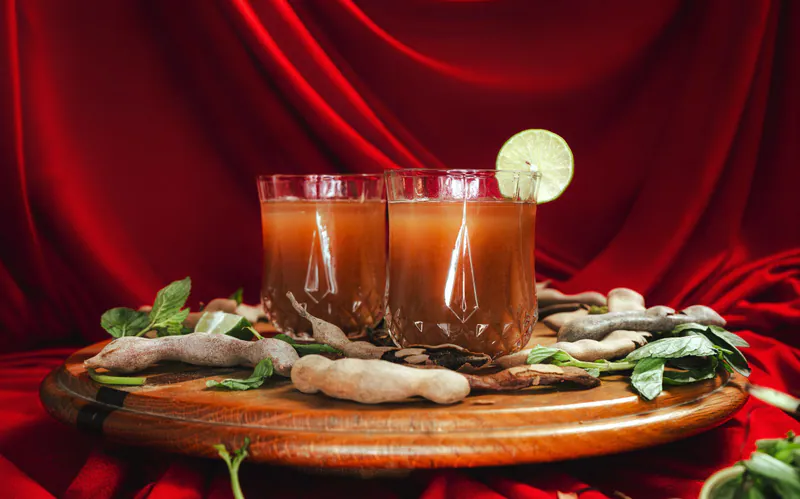
Agua de tamarindo
 Mexican · 1 h 25 min · 125 kcal · Vegan
Allam pachadi (Andhra ginger chutney)
 South Indian · 35 min · 56 kcal · Vegan
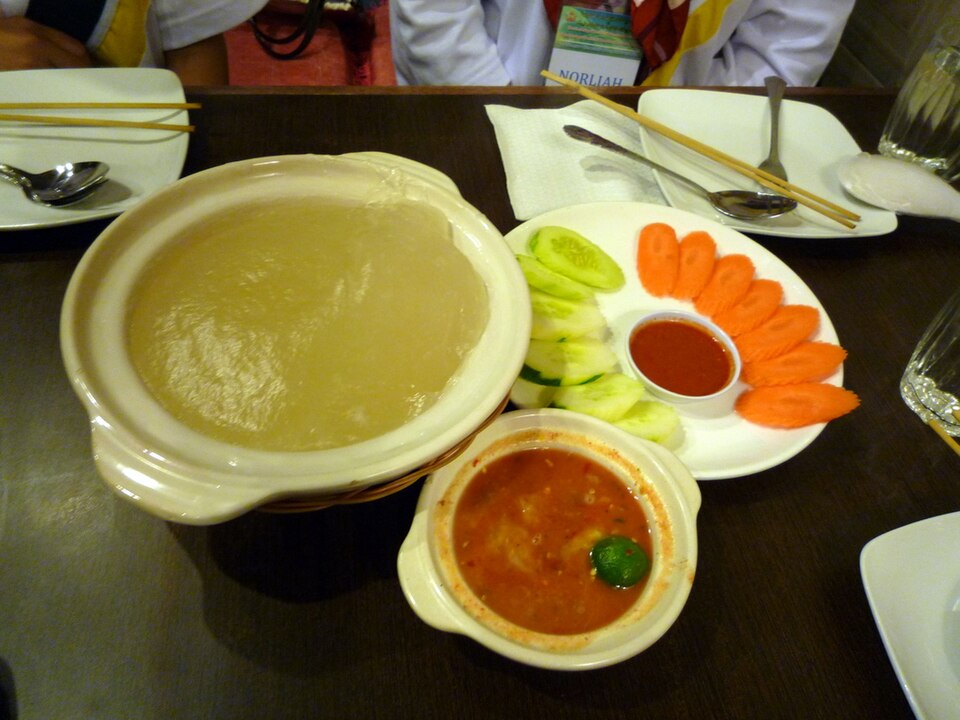
Ambuyat with cacah
 Bruneian · 25 min · 273 kcal
Andhra tomato pachadi
South Indian · 50 min · 56 kcal · Vegan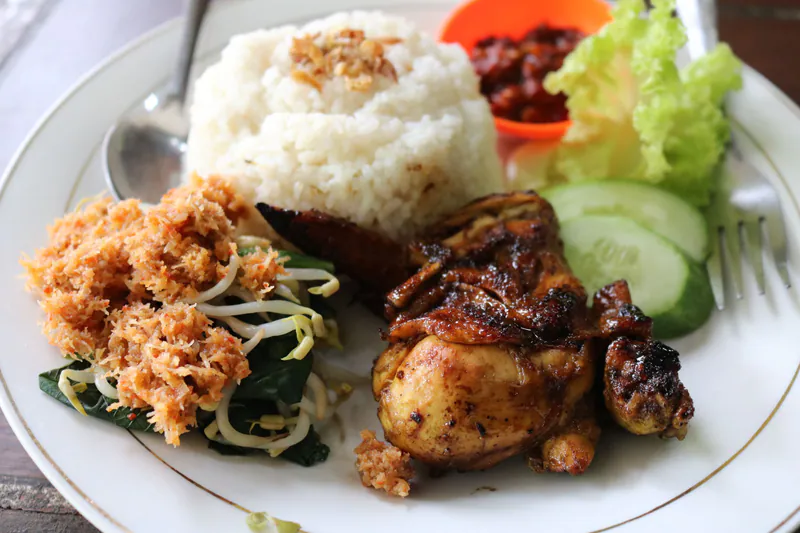
Ayam bakar
 Indonesian · 1 h 15 min · 716 kcal
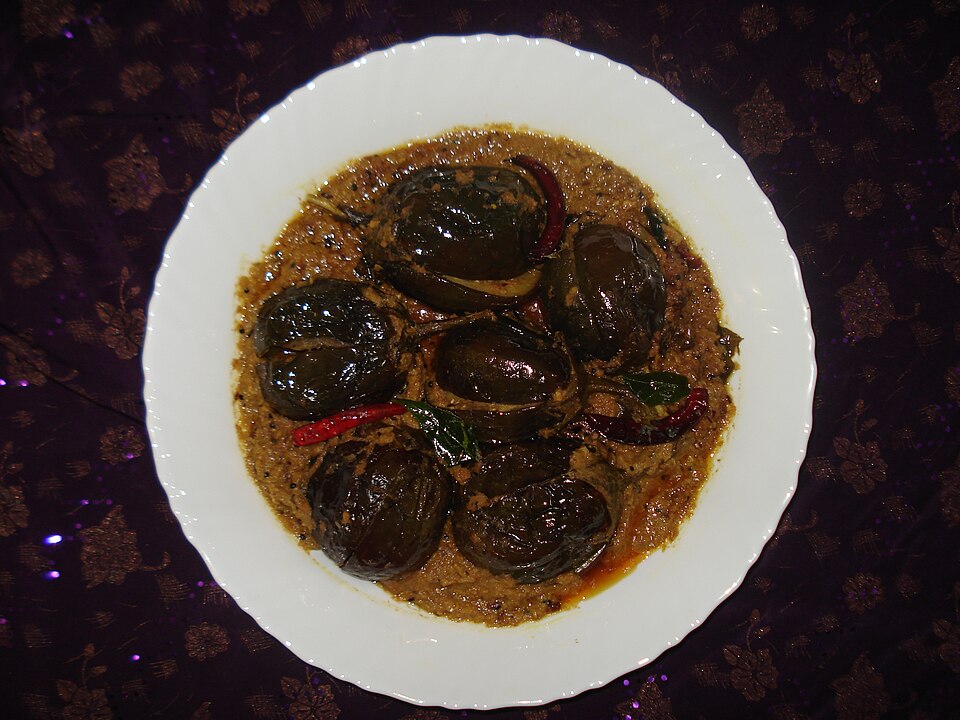
Bagara baingan
Indian · 55 min · 314 kcal · VeganBassaru
South Indian · 55 min · 177 kcal · Vegan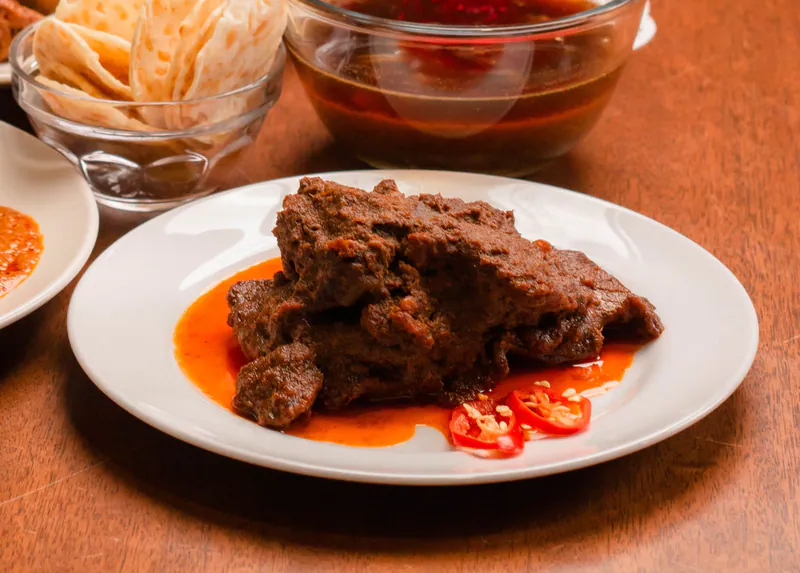
Beef rendang
Indonesian · 4 h · 672 kcalBeerakaya pachadi (ridge gourd chutney)
South Indian · 41 min · 69 kcal · Vegan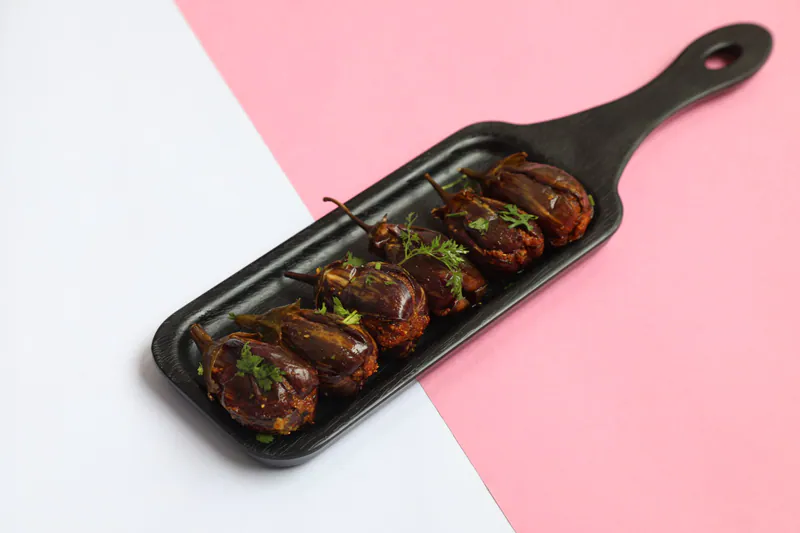
Bharli vangi
Indian · 55 min · 301 kcal · VeganBumbu kacang (peanut satay sauce)
Indonesian · 30 min · 164 kcal · Vegan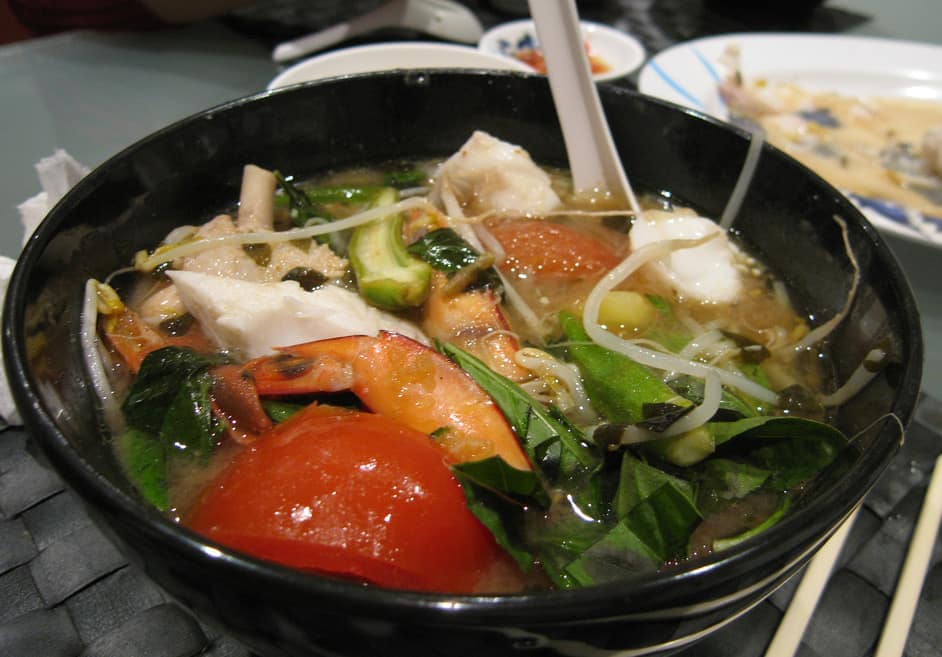
Canh chua cá
 Vietnamese · 40 min · 305 kcal
68 more
- Chammanthi podi (Kerala roasted coconut chutney powder) · South Indian
- Chana chaat · Indian
- Chole bhature · Punjabi
- Dahi baray · Pakistani
- Doubles · Trinidadian
- Fuchka · Bangladeshi
- Gado-gado · Indonesian
- Gai yang (Thai grilled chicken) · Thai
- Goan fish curry · Goan
- Goan green chutney (coconut-coriander chutney) · Goan
- Goan prawn curry · Goan
- Gol gappay · Pakistani
- Gulai kambing · Indonesian
- Homemade brown sauce · British
- Hyderabadi dalcha · Indian
- Ikan sabuko · Timorese
- Inji puli (Kerala ginger-tamarind relish) · South Indian
- Jeera rasam · South Indian
- Kara chutney (Tamil red onion-chilli chutney) · South Indian
- Kara kuzhambu · South Indian
- Karnataka chutney pudi (coconut lentil chutney powder) · South Indian
- Karuveppilai podi (curry leaf powder) · South Indian
- Karuveppilai thogayal (curry leaf chutney) · South Indian
- Khajur ambli chutney (Gujarati date-tamarind chutney) · Gujarati
- Kismur · Goan
- Kobbari pachadi (Andhra coconut chutney) · South Indian
- Kori gassi · South Indian
- Kothamalli thogayal (coriander chutney) · South Indian
- Lakshadweep-style tuna curry · South Indian
- Malvani fish curry · Indian
- Masgouf-style grilled carp · Iraqi
- Massaman curry with beef · Thai
- Mchuzi wa samaki · Tanzanian
- Milagu rasam · South Indian
- Mirchi ka salan · Indian
- Misal pav · Indian
- Mishkak · Omani
- Mysore rasam · South Indian
- Nam jim jaew · Thai
- Nam prik pao (Thai chilli jam) · Thai
- Nandu rasam · South Indian
- Nasi katok · Bruneian
- Nasi lemak · Malaysian
- Pad Thai · Thai
- Pappu charu · South Indian
- Peanut chutney (palli pachadi) · South Indian
- Penang assam laksa · Malaysian
- Pineapple rasam · South Indian
- Poondu rasam · South Indian
- Pudina thogayal (Tamil mint chutney) · South Indian
- Pulihora (Andhra tamarind rice) · South Indian
- Recheado masala (Goan red chilli paste) · Goan
- Red coconut chutney · South Indian
- Rojak buah · Malaysian
- Sambar · South Indian
- Saunth (sweet tamarind-date chutney) · Indian
- Seeni sambol · Sri Lankan
- Sinigang na hipon · Filipino
- South Indian tomato chutney · South Indian
- Sri Lankan black pork curry · Sri Lankan
- Tempe bacem · Indonesian
- Thai satay peanut sauce · Thai
- Thenga chammanthi (Kerala pounded coconut chutney) · South Indian
- Thiéboudienne · Senegalese
- Tomato rasam · South Indian
- Ulli chammanthi (Kerala shallot chutney) · South Indian
- Vengaya chutney (raw onion chutney) · South Indian
- Zoom-koom · Burkinabè
More tropical fruit
Tropical fruit
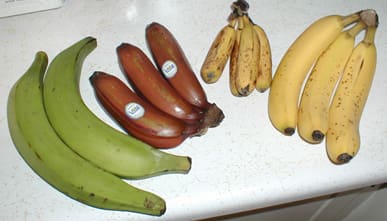
Banana
Soft, sweet, curved yellow fruit; eaten raw, blended into smoothies and mashed into breads and pancakes.
25 recipes
Tropical fruit
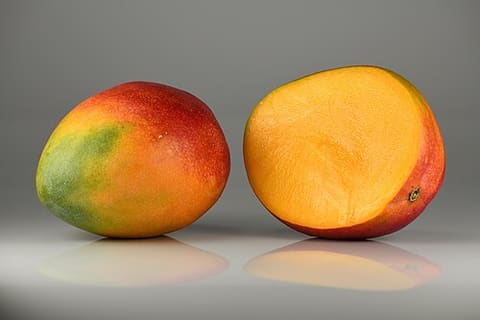
Mango
Juicy tropical stone fruit with golden, fragrant flesh; eaten ripe, blended into lassi or used green in pickles.
21 recipes
Tropical fruit
Mango pulp / nectar
Smooth, sweetened mango purée in cans, usually Alphonso or Kesar; for lassi, desserts and drinks.
1 recipe
Tropical fruit
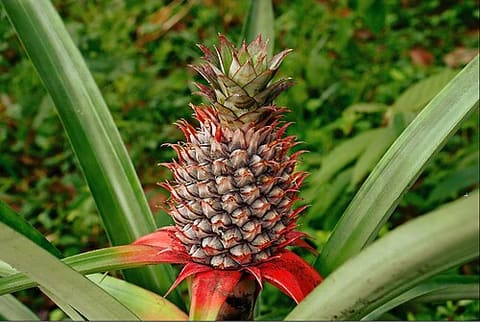
Pineapple
Spiky tropical fruit with sweet-tart, juicy yellow flesh; eaten fresh, grilled or cooked in curries and desserts.
18 recipes
Tropical fruit
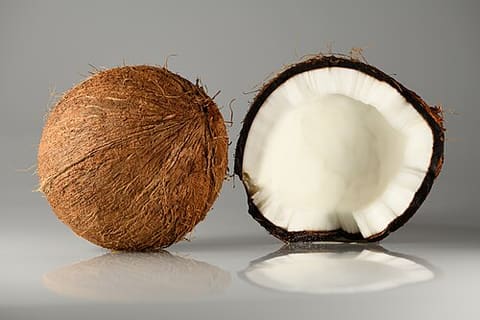
Coconut
The large, hard-shelled fruit of the coconut palm; its white flesh is grated fresh for curries, chutneys and sweets.
71 recipes
Tropical fruit
Desiccated coconut
Dried, finely grated or shredded coconut flesh; used in baking, sweets, curries and coatings.
32 recipes
Tropical fruit
Papaya
Pear-shaped tropical fruit with soft orange flesh and black seeds; eaten ripe with lime or green in salads.
6 recipes
Tropical fruit
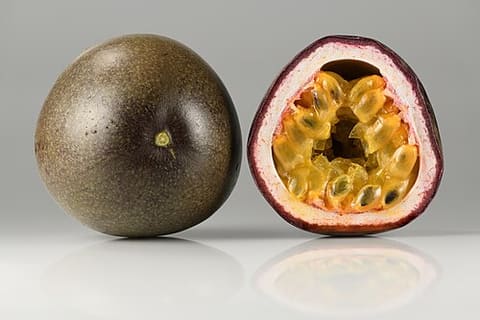
Passion fruit
Wrinkly purple or yellow fruit filled with tangy, fragrant pulp and crunchy seeds; for desserts and drinks.
2 recipes