
Sauces, pastes & condiments · Pastes
Tamarind paste
Sour, fruity paste or concentrate of tamarind pulp, used to give a tangy backbone to curries, chutneys and pad thai.
Also called: tamarind concentrate, imli paste
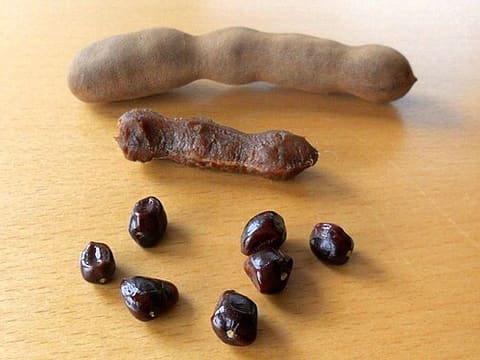
A kind of tamarind
What it is
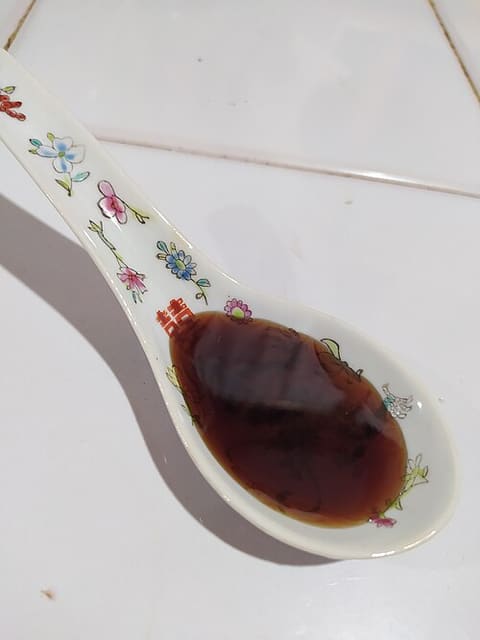
The sticky brown pulp from tamarind pods, strained of seeds and fibre and sold as a soft paste or a darker, denser concentrate. Concentrates are much stronger and saltier-tasting than paste made at home by soaking a pulp block in hot water, so start with less. It gives a rounded, fruity sourness unlike sharp lemon or vinegar.
How it’s used
- Sambar, rasam and South Indian curries
- Tamarind chutney (imli) for chaat
- Pad thai and Thai sour soups
- Glazes, marinades and Worcestershire-style sauces
- Sour drinks such as agua de tamarindo
Characteristics
- Taste
- Sour and fruity with a date-like sweetness.
- Texture
- Thick and sticky; concentrate is almost tar-like.
- Appearance
- Dark brown to almost black.
- When cooked
- Dissolves into hot liquids; its sourness mellows with simmering.
- Sold as
- paste
- Cooking uses
- Mainly a seasoning, Commonly cooked
- Common in
- Indian, South Indian, Thai, Indonesian, Malaysian, Mexican, Filipino, Sri Lankan
Storage
Refrigerated. Refrigerate after opening; it keeps for months. Freeze home-made pulp water in small portions.
Diet, allergens and safety
No major allergens in typical versions.
- Vegetarian
- Vegan
- Dairy-free
- Egg-free
- Gluten-free
- Nut-free
- Soy-free
- Caffeine-free
Nutrition per 100 g
- Energy
- 239 kcal
- Protein
- 2.8 g
- Carbohydrate
- 62.5 g
- Fat
- 0.6 g
- Fibre
- 5.1 g
- Sugars
- 38.8 g
USDA FoodData Central: Tamarinds, raw (a close stand-in).
Substitutes
Optional — what works if you don’t have it, and how it changes the dish.
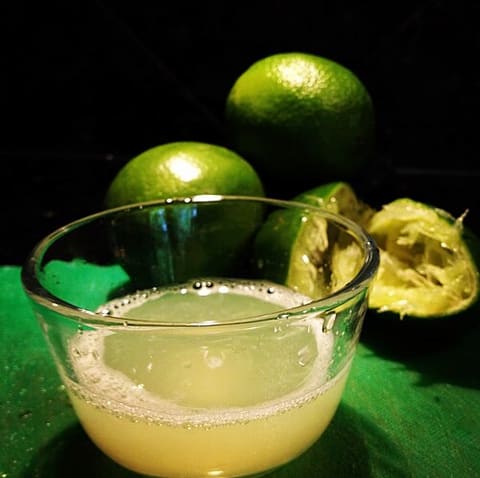
- Lime juice — Lime juice with a little brown sugar; brighter and less fruity.
- Pomegranate molasses — Similar sweet-sour depth; use a little less.
Related ingredients
Recipes with tamarind paste
See all 55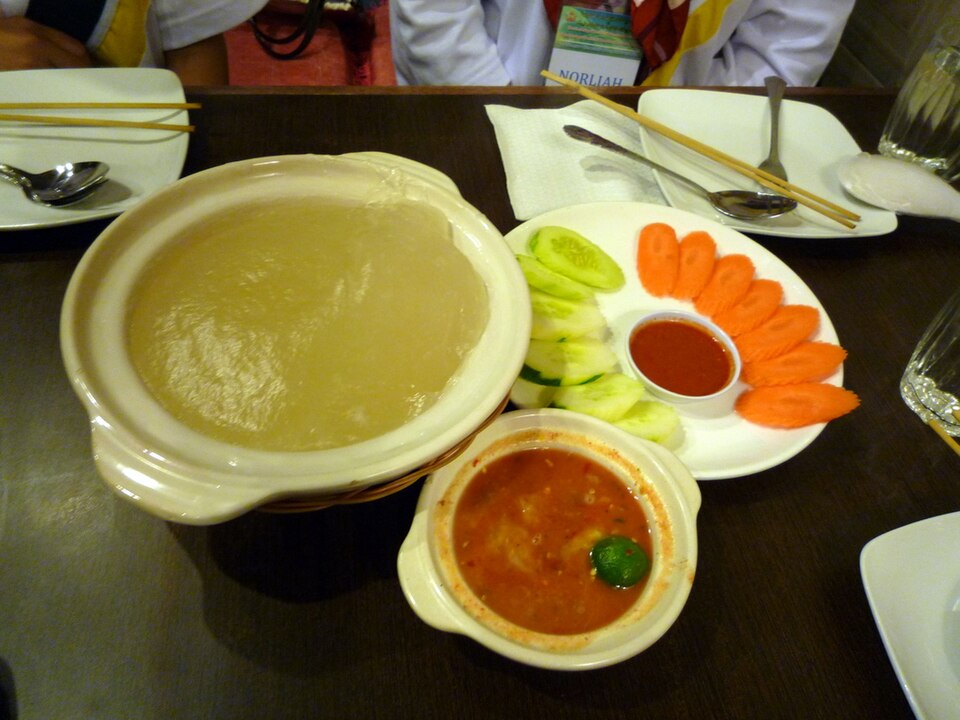
Ambuyat with cacah
 Bruneian · 25 min · 273 kcal
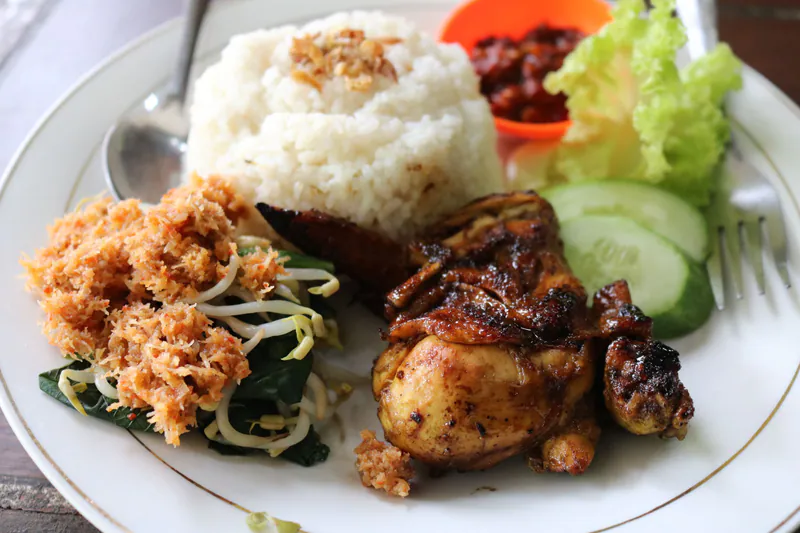
Ayam bakar
 Indonesian · 1 h 15 min · 716 kcal
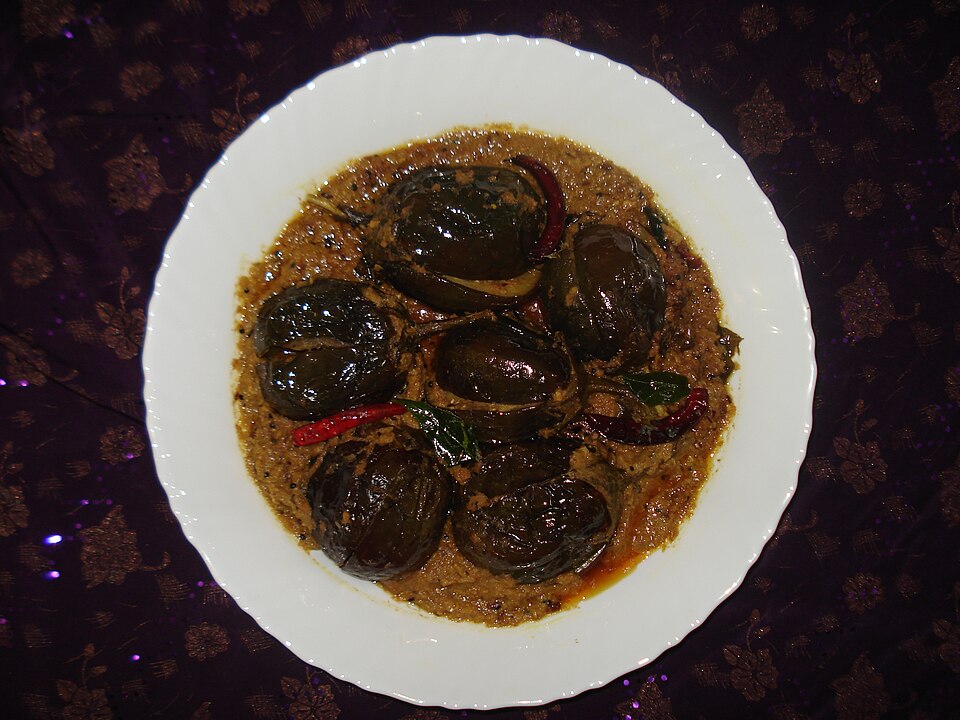
Bagara baingan
 Indian · 55 min · 314 kcal · Vegan
Bassaru
South Indian · 55 min · 177 kcal · Vegan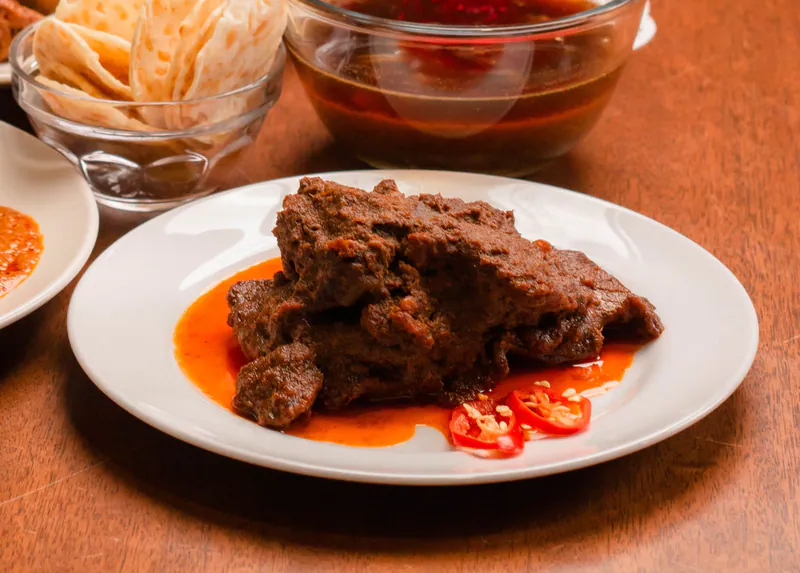
Beef rendang
Indonesian · 4 h · 672 kcal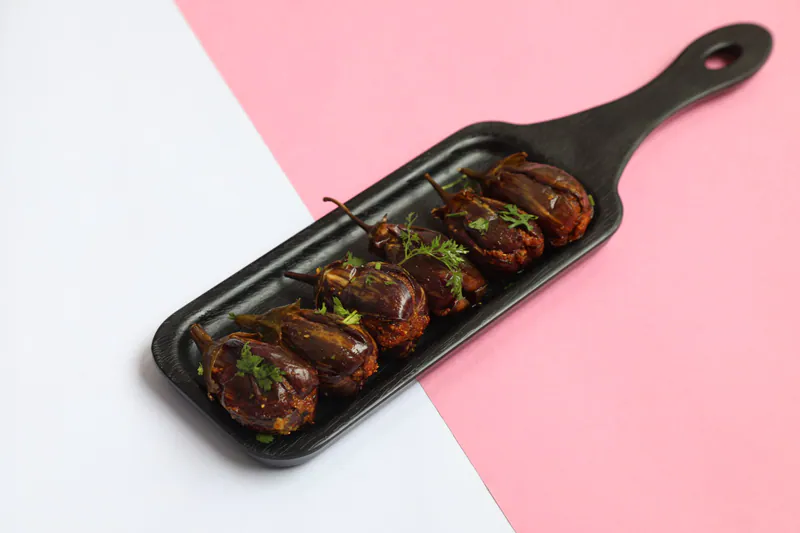
Bharli vangi
Indian · 55 min · 301 kcal · VeganBumbu kacang (peanut satay sauce)
Indonesian · 30 min · 164 kcal · Vegan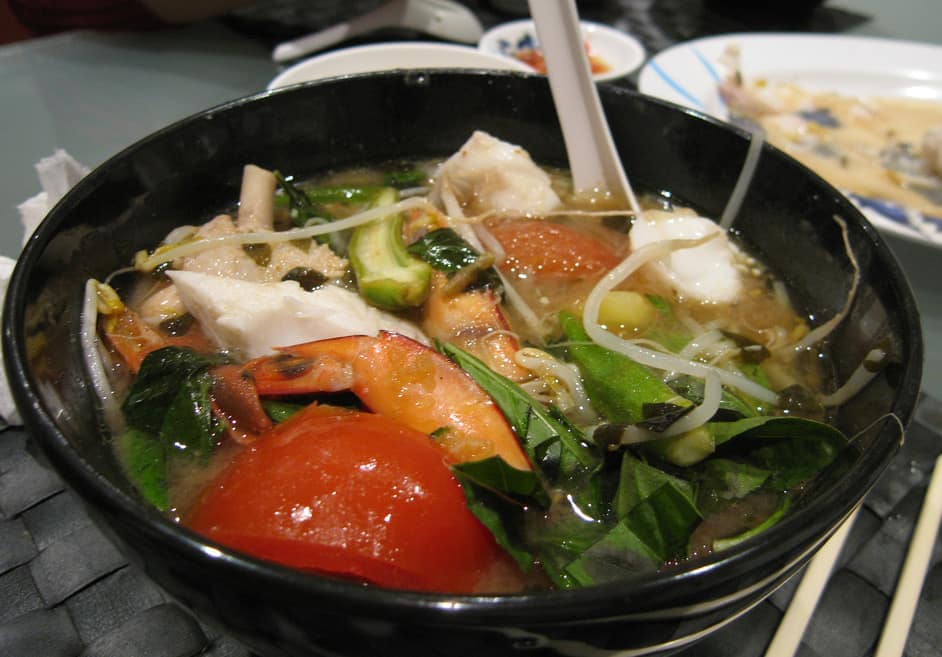
Canh chua cá
 Vietnamese · 40 min · 305 kcal
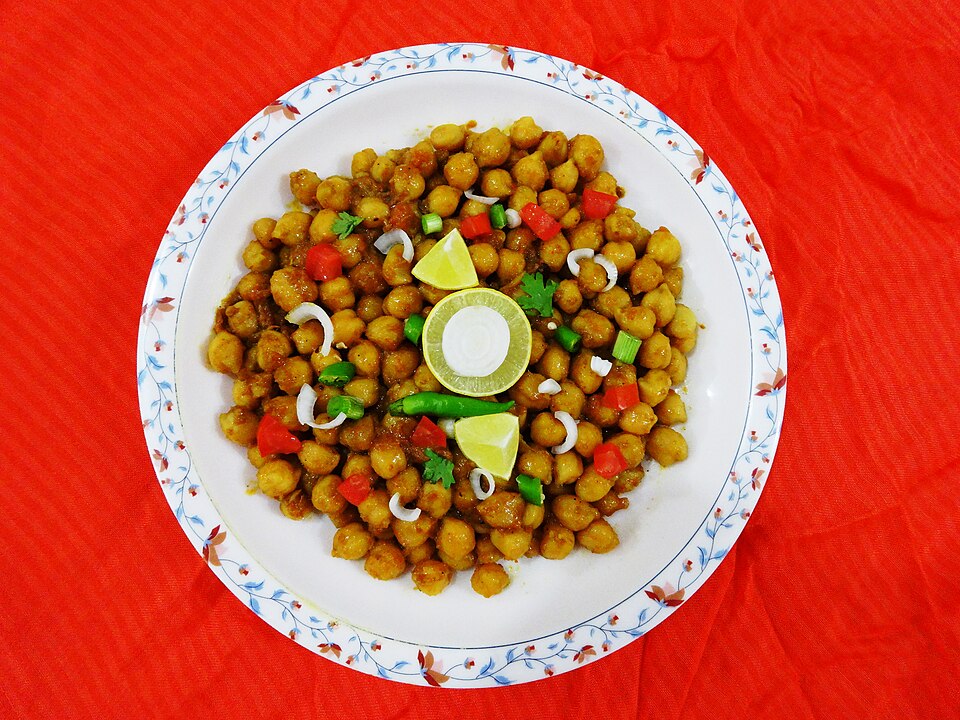
Chana chaat
Indian · 15 min · 215 kcal · Vegan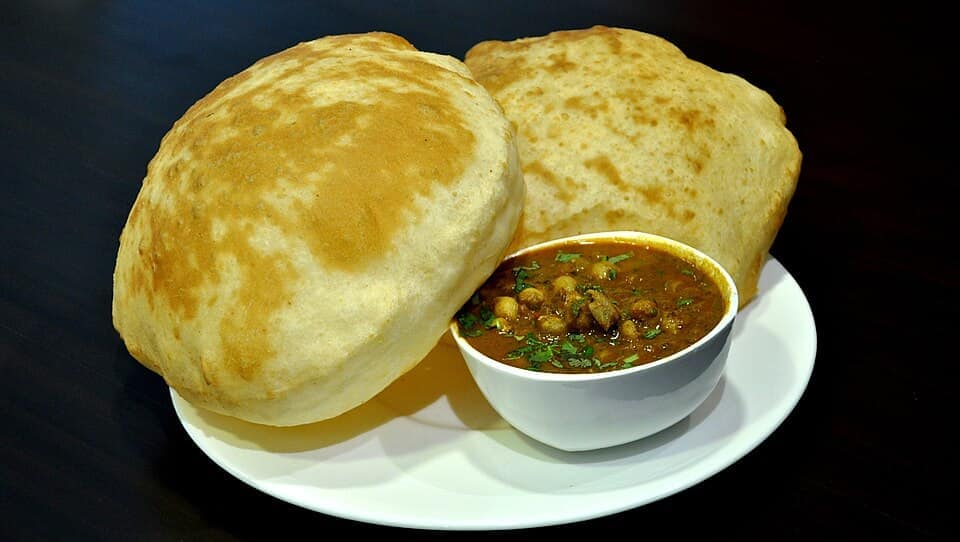
Chole bhature
Punjabi · 3 h 35 min · 727 kcal · Vegetarian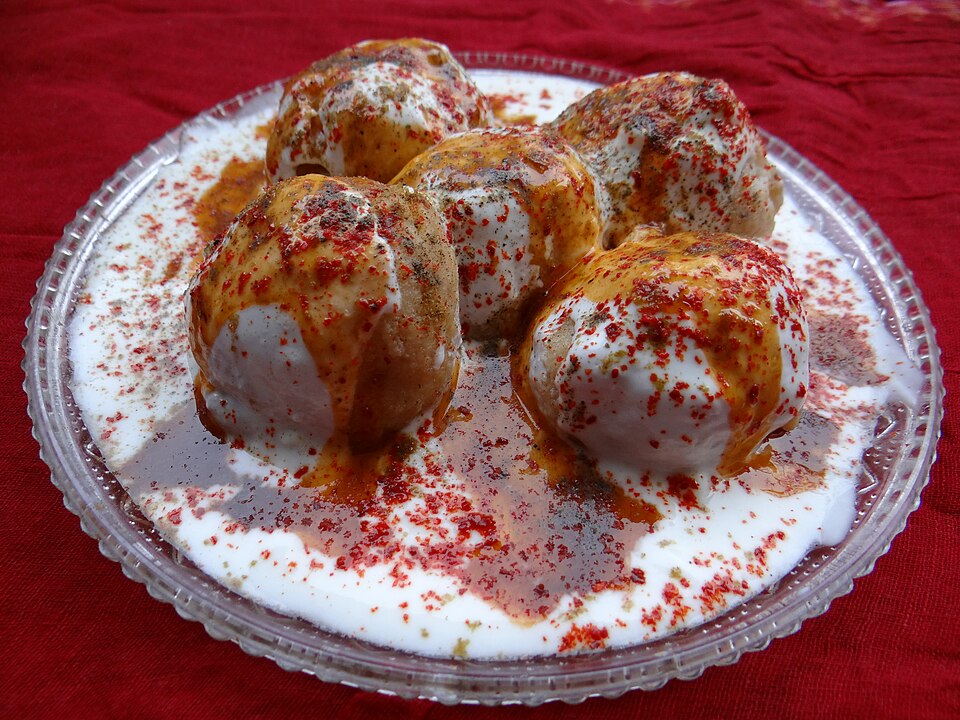
Dahi baray
 Pakistani · 1 h 45 min · 213 kcal · Vegetarian
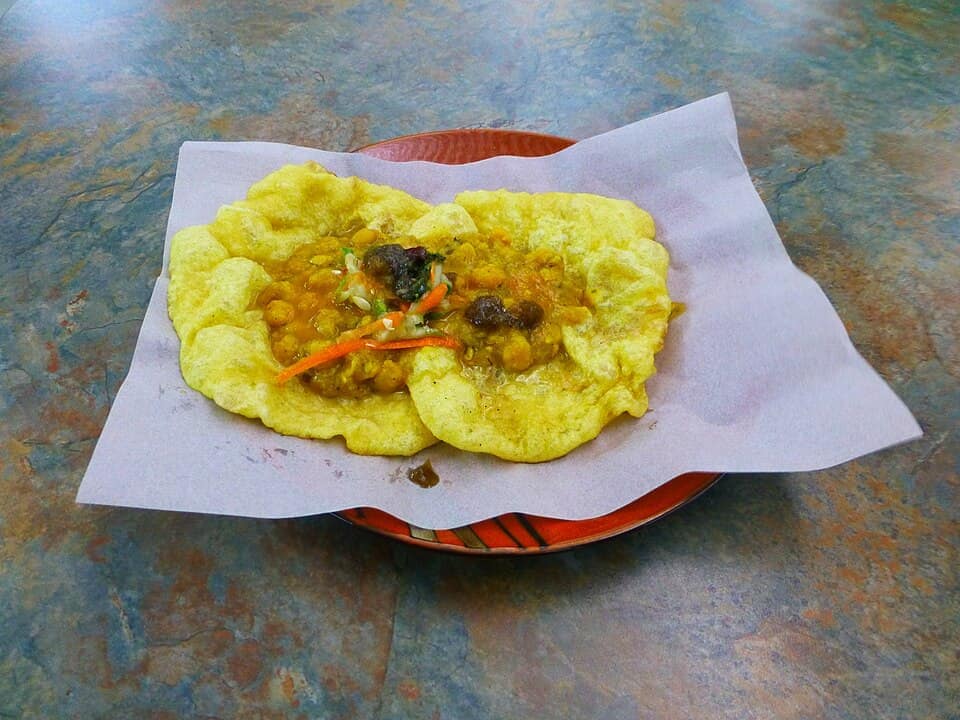
Doubles
 Trinidadian · 2 h 35 min · 641 kcal · Vegan
43 more
- Fuchka · Bangladeshi
- Gado-gado · Indonesian
- Gai yang (Thai grilled chicken) · Thai
- Goan fish curry · Goan
- Goan prawn curry · Goan
- Gol gappay · Pakistani
- Gulai kambing · Indonesian
- Homemade brown sauce · British
- Hyderabadi dalcha · Indian
- Ikan sabuko · Timorese
- Jeera rasam · South Indian
- Kismur · Goan
- Kori gassi · South Indian
- Lakshadweep-style tuna curry · South Indian
- Malvani fish curry · Indian
- Masgouf-style grilled carp · Iraqi
- Massaman curry with beef · Thai
- Mchuzi wa samaki · Tanzanian
- Mirchi ka salan · Indian
- Misal pav · Indian
- Mishkak · Omani
- Mysore rasam · South Indian
- Nam jim jaew · Thai
- Nam prik pao (Thai chilli jam) · Thai
- Nandu rasam · South Indian
- Nasi katok · Bruneian
- Nasi lemak · Malaysian
- Pad Thai · Thai
- Pappu charu · South Indian
- Penang assam laksa · Malaysian
- Pineapple rasam · South Indian
- Poondu rasam · South Indian
- Rojak buah · Malaysian
- Sambar · South Indian
- Seeni sambol · Sri Lankan
- Sinigang na hipon · Filipino
- South Indian tomato chutney · South Indian
- Sri Lankan black pork curry · Sri Lankan
- Tempe bacem · Indonesian
- Thai satay peanut sauce · Thai
- Thiéboudienne · Senegalese
- Tomato rasam · South Indian
- Zoom-koom · Burkinabè
More pastes
Pastes
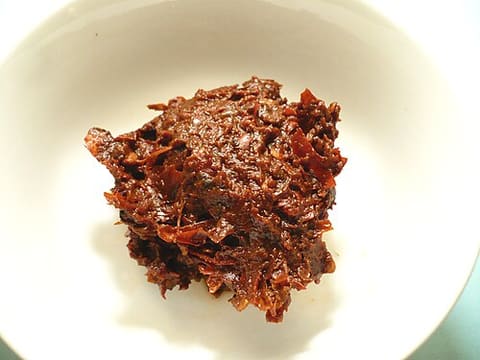
Gochujang
Thick, red Korean fermented chilli paste of chilli powder, glutinous rice and soybeans: sweet, hot and savoury.
11 recipes
Pastes
Chilli bean paste (doubanjiang)
Salty, fermented Sichuan paste of broad beans and chilli; the red, savoury base of mapo tofu and twice-cooked pork.
6 recipes
Pastes
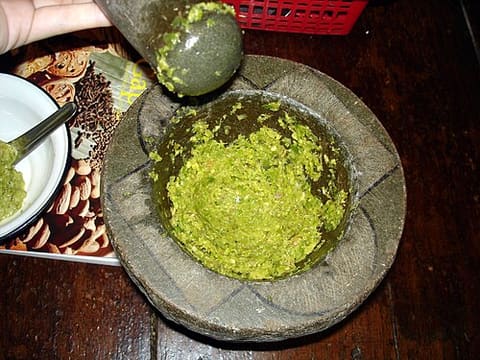
Thai curry paste
Pounded paste of chillies, lemongrass, galangal, garlic and shrimp paste; the flavour base of Thai red, green and massaman curries.
1 recipe
Pastes
Harissa
North African paste of roasted red chillies, garlic, olive oil and spices such as caraway, cumin and coriander.
5 recipes
Pastes
Shrimp paste
Pungent fermented paste of salted ground shrimp or krill, used in small amounts in South-East Asian curries and sambals.
30 recipes
Pastes
Ají amarillo paste
Bright orange Peruvian paste of yellow ají chillies, fruity and medium-hot; the base of ají de gallina and causa.
12 recipes
Pastes
Red pepper paste
Thick Turkish paste of sun-dried red peppers (biber salçası), sweet or hot; the savoury base of many Turkish dishes.
2 recipes
Pastes
Chipotles in adobo
Smoked, dried jalapeños canned in a tangy tomato-vinegar adobo sauce; smoky heat for Mexican stews and marinades.
3 recipes