
Arepas
Vegetarian
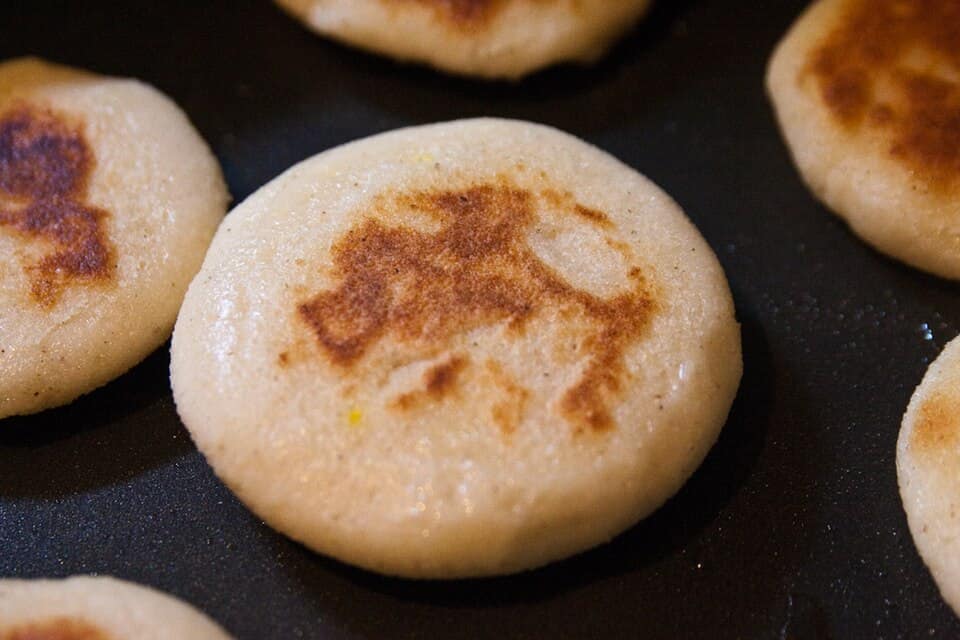
Round griddle cakes of precooked white corn meal, crisp outside and soft and steamy inside, split open and filled with butter, cheese or anything you like.
Arepas is a Venezuelan bread, ready in about 40 minutes and made with masarepa (precooked corn meal). It serves 3 and is rated easy to cook.
- Prep
- 10 min
- Cook
- 25 min
- Rest
- 5 min
- Total
- 40 min
- Serves
- 3
- Level
- Easy
- Calories
- 348
Method
Step 1
Stir the salt into the warm water, then gradually work in the masarepa (opens in a new tab) with your hand until there are no lumps. Rest 5 minutes; it should be soft and not crack when pressed. Add a little water or meal to adjust.
- 8 min
Step 2
Divide into 6 balls and flatten each into a disc about 1.5 cm thick, smoothing any cracks at the edges.
- 5 min
Step 3
Heat the oven (opens in a new tab) to 180 °C. Lightly oil a griddle or heavy frying pan over medium heat and cook the arepas until a golden crust forms, 5–6 minutes per side.
- 12 min
- medium heat
- Griddle / tawa (opens in a new tab)
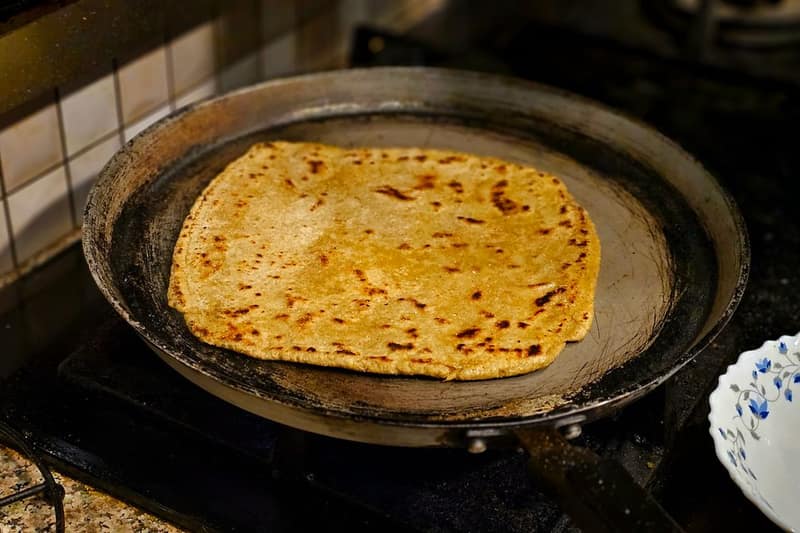
How it looks · Photo: Muhammad Khawar Nazir on Pexels Step 4
Finish in the oven (opens in a new tab) for 10 minutes; they are ready when they sound hollow when tapped.
- 10 min
- 180°C
- Oven (opens in a new tab)
Step 5
Split open while hot and fill with butter (opens in a new tab), cheese and avocado (opens in a new tab).
- 2 min
About this dish
- Origin
- Not attributed to one place · Origin disputedArepas are central to both Colombian and Venezuelan cooking and both countries claim them; the dish predates the modern border.Also popular in Venezuela, Colombia
- Dish
- Breakfast · Lunch · Dinner · Breads & flatbreads
- Cooking method
- Pan-fried, Oven-baked
- Taste
- mild, savoury
- Diet
- Vegetarian (lacto-ovo) · No gluten ingredients · No nut ingredientsWithout the optional extras: Vegan, Plant-based, Ovo-vegetarian, Dairy-freeWorked out from the ingredients. How labels work
All labels
Vegetarian (lacto-ovo) · Eggetarian · Lacto-vegetarian · Pescatarian · Flexitarian-friendly · No gluten ingredients · Egg-free · No nut ingredients · No added sugar · Alcohol-free · Pork-free · Beef-free · Low-fat - Good for
- Everyday · Budget-friendly · Child-friendly
- Cook more with
- Masarepa (precooked corn meal)
- Techniques
- Baking · Pan-frying
Allergens
- Contains, can be adapted: Milkfrom butter, queso fresco
Based on typical versions of these ingredients and not verified allergen-free. Brands differ and cross-contact happens, so always check labels. For severe allergies, follow your clinician’s advice.
Nutrition
348 kcal per serving
Estimated1 serving ≈ 207 g · recipe makes 3
Where the energy comes from
- Protein 7%
- Carbohydrate 77%
- Fat 16%
| Nutrient | Per serving | Per 100 g* |
|---|---|---|
| Energy | 348 kcal | 169 kcal |
| Protein | 5.9 g | 2.9 g |
| Carbohydrate | 66.2 g | 32.1 g |
| Net carbohydrate | 63 g | 30.5 g |
| Sugars | 1.3 g | 0.6 g |
| Added sugars | 0 g | 0 g |
| Fibre | 3.3 g | 1.6 g |
| Fat | 6 g | 2.9 g |
| Saturated fat | 0.5 g | 0.3 g |
| Trans fat | 0 g | 0 g |
| Cholesterol | 0 mg | 0 mg |
| Sodium | 785 mg | 380 mg |
| Salt equivalent | 2 g | 1 g |
Vitamins & minerals per serving
- Potassium
- 118 mg
- Calcium
- 15 mg
- Iron
- 3.6 mg
- Magnesium
- 29 mg
- Vitamin A (RAE)
- 0 µg
- Vitamin C
- 0 mg
- Vitamin D
- 0 µg
- Vitamin B12
- 0 µg
- Folate (DFE)
- 279 µg
How these numbers were made
- Calculated from USDA FoodData Central (SR Legacy) per-100 g values and the listed quantities.
- *Per 100 g of combined raw ingredients; the cooked dish may weigh more or less.
- Optional ingredients are not included: butter, queso fresco, avocado.
- Masarepa (precooked corn meal): Degermed white cornmeal used as a stand-in for precooked white corn meal (harina precocida).
- “—” means the value isn’t known for enough of the ingredients; it is never zero by default.
- Values are estimates for guidance, not for medical dosing. U.S. Department of Agriculture, Agricultural Research Service. FoodData Central, 2019. fdc.nal.usda.gov.
Good to know
Tips
- Wet your hands while shaping to keep the edges smooth.
Serve with
- Fill with shredded beef and black beans for a Venezuelan pabellón arepa, or chicken-avocado salad for reina pepiada.
Storage
- Shaped raw arepas keep 1 day refrigerated; cooked ones freeze well for 2 months.
Reheating
- Reheat in a toaster or a 180 °C oven until crisp.
Variations
- Arepa reina pepiada (Venezuela): Filled with shredded chicken and avocado mayonnaise.
- Arepa de choclo (Colombia): A sweeter, cheese-topped arepa made with fresh corn.
Original editorial recipe · FriendsPantry editorial · Not yet independently reviewed · Added · Updated
Sauces, chutneys & dips for this dish
Recipe DNA
How this dish is built
Grouped by each ingredient’s role in the dish. Each band’s width is its share of the dish by weight. Choose a component to see what it does.
What the dish is built around
Main ingredient
- Masarepa (precooked corn meal)250 g
- Queso fresco, crumbled (optional)100 g
- Avocado, sliced (optional)1 piece · 150 g
Baker’s notes
Customise in Bread & BakeryTimeline and readiness cues
Mix and knead · about 15 min
Knead until smooth and soft; it should feel like an earlobe.
Rest · about 5 min
Covered so it doesn't dry out; relaxed dough rolls and shapes without springing back.
Bake · about 22 min at 180 °C
Puffed with golden-brown spots on both sides.
- Start to finish: about 42 min. Times are a guide — warmth changes everything; follow the cues.
If something goes wrong
Pale crust
Likely causes
- Oven too cool
- Too little sugar or no milk/egg for browning
- Over-fermented (yeast ate the sugars)
What to do
- Check the oven with a thermometer
- Brush with egg wash or milk
- Shorten the fermentation
Burnt bottom
Likely causes
- Tray too close to the heat
- Dark tray absorbs more heat
- Too much sugar in the dough
What to do
- Bake on the middle shelf
- Double up trays or use a light-coloured one
- Lower the temperature 10–15 °C and bake a little longer
Tough or chewy flatbread
Likely causes
- Dough too stiff
- Not rested
- Cooked too slowly on too cool a pan
What to do
- Add water until the dough is soft and slightly tacky
- Rest 20–30 minutes covered so the gluten relaxes
- Cook on a very hot tawa or pan — quickly
Reviews & corrections
Reviews come from signed-in cooks and appear after a moderator checks them. We never show made-up ratings.
You might also like
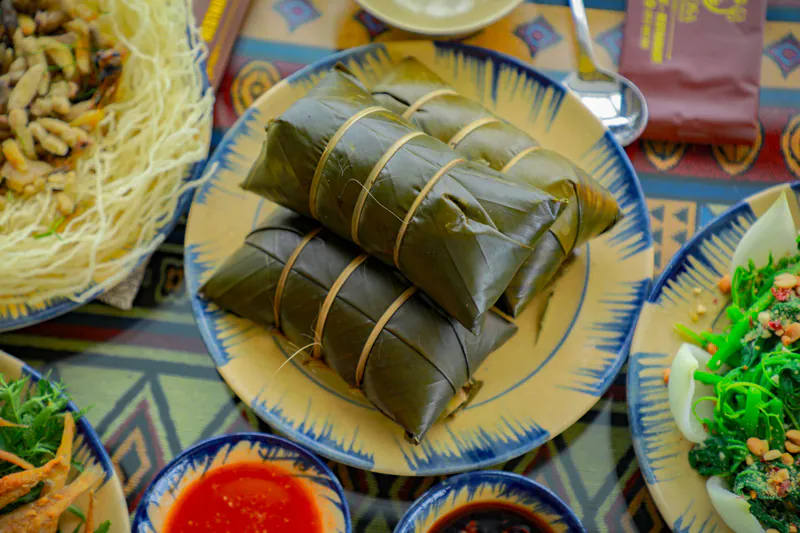
Hallacas
 Venezuelan · 5 h · 436 kcal
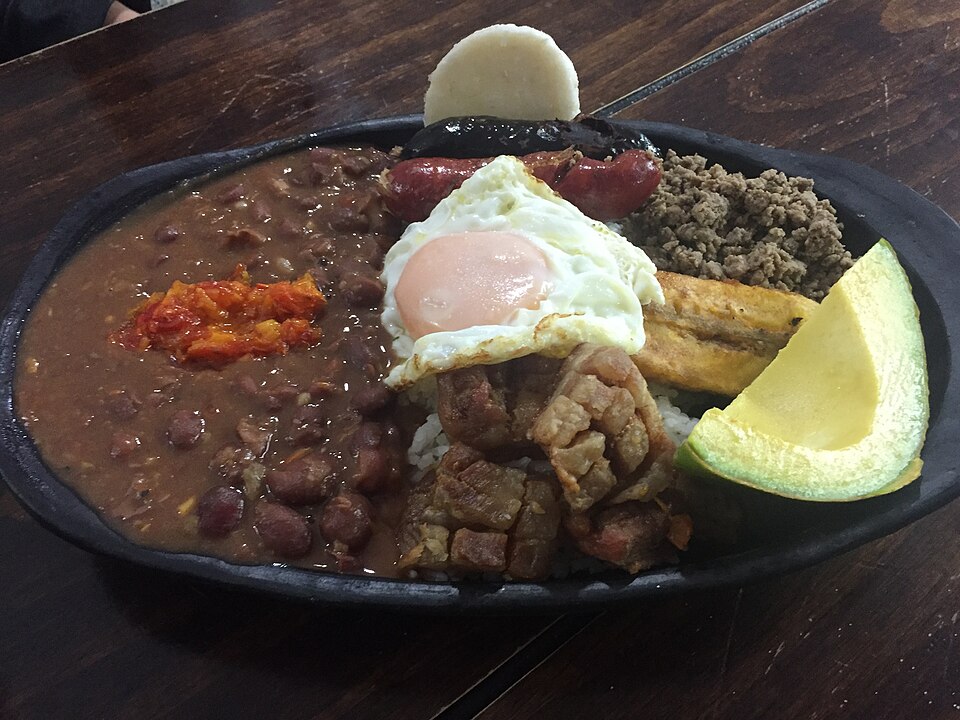
Bandeja paisa
 Colombian · 2 h · 1438 kcal
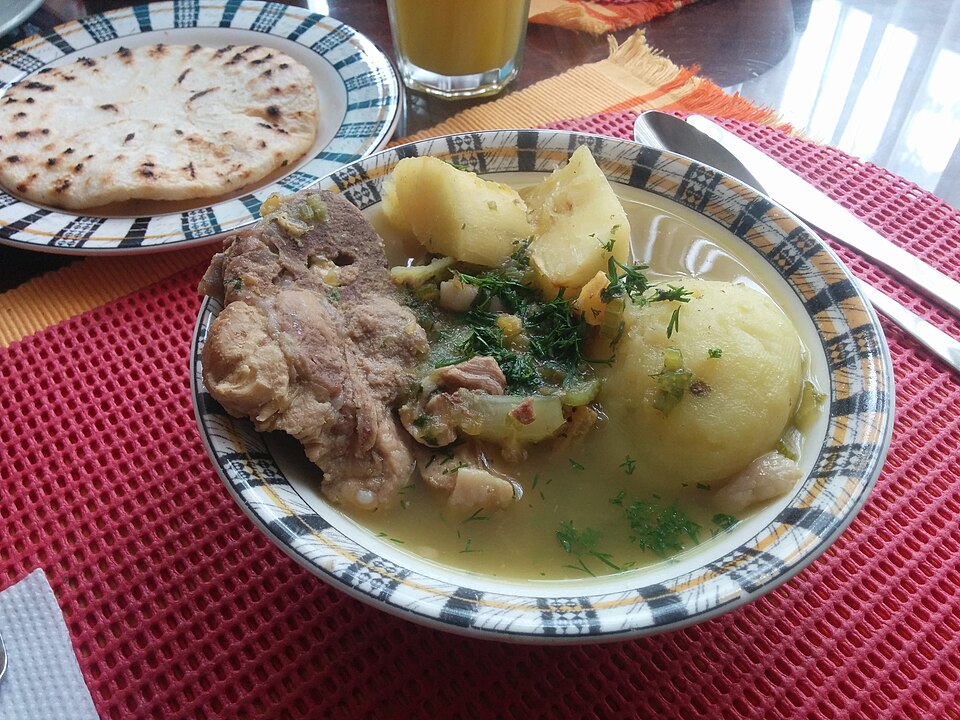
Sancocho
Caribbean · 1 h 45 min · 514 kcal
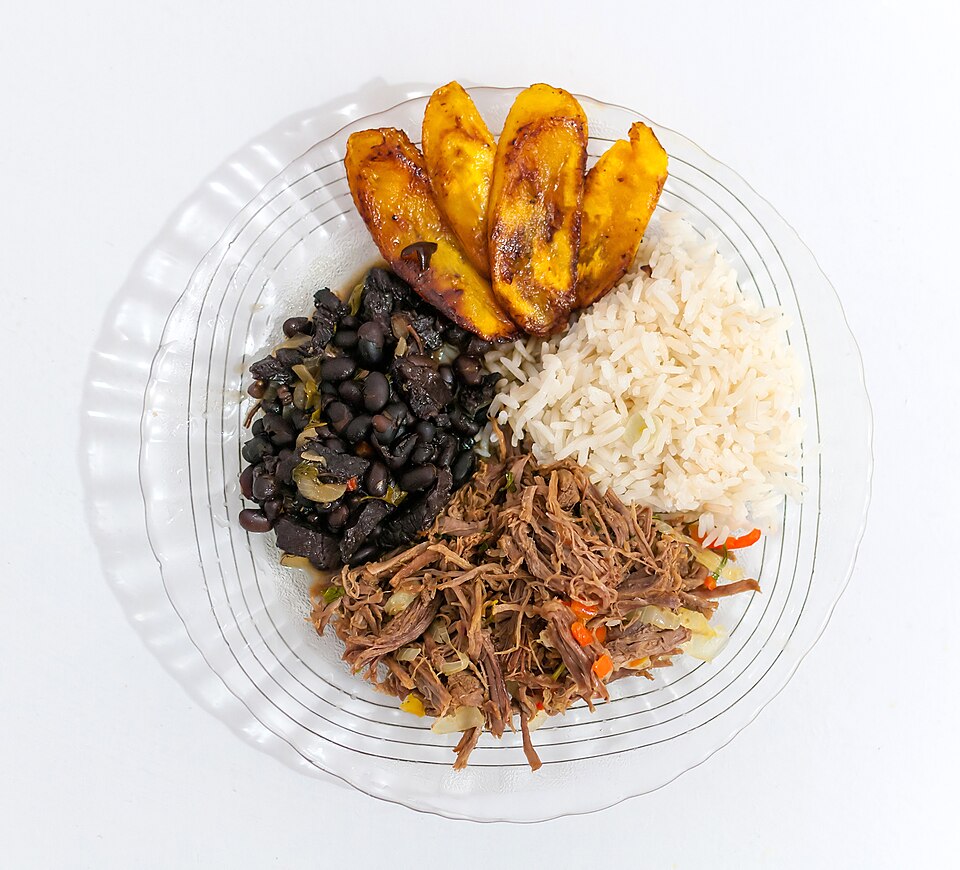
Pabellón criollo
Venezuelan · 2 h 45 min · 739 kcal