Indian · regional cuisine
Punjabi
The farmhouse food of the 'land of five rivers': wheat breads, slow-cooked pulses, mustard greens, generous dairy and the tandoor, much of which became India's restaurant food after 1947.
Flavour character: Rich, earthy and buttery: onion-tomato-ginger-garlic bases cooked down in ghee, whole spices, kasuri methi, amchur or anardana for sourness, and butter or cream to finish. Heat is moderate; Kashmiri or deggi chilli gives colour.
History
Punjab is an old wheat, barley and dairy region on the Indus tributaries; the province was divided between India and Pakistan in 1947. Villages traditionally shared a communal tandoor (the sanjha chulha) for baking rotis. Sikh langar, the free communal kitchen of every gurdwara, made dal, roti and kheer the food of daily hospitality. After Partition, Punjabi refugees opened eateries in Delhi; the Moti Mahal restaurant in Daryaganj (Kundan Lal Gujral and partners) is commonly credited with popularising tandoori chicken in restaurants and with inventing butter chicken, though competing claims exist. The Green Revolution of the 1960s made Punjab India's main wheat and rice granary.
Commonly told; not firmly documented
Geography and influences
Fertile alluvial plain watered by the Sutlej, Beas and Ravi on the Indian side; hot summers and cold winters, so heavy winter dishes (sarson da saag, makki di roti, pinni) contrast with summer lassi and raita.
- Agrarian dairy and wheat farming
- Sikh langar tradition
- Mughal and Afghan routes through Lahore and Peshawar
- Partition and the refugee restaurant trade in Delhi
Regional variations
- Majha (Amritsar)
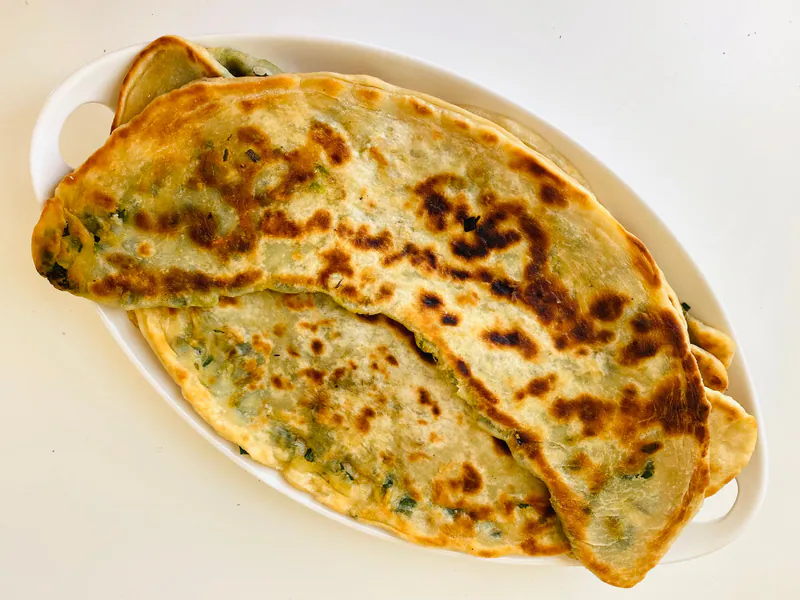
- Amritsari kulcha cooked in the tandoor, fried Amritsari fish in an ajwain-spiced gram-flour batter, lassi in steel tumblers.
- Malwa and Doaba
- Village dairy cooking: saag, makhan, lassi, kadhi and dal on the chulha.
- Delhi Punjabi (post-1947)
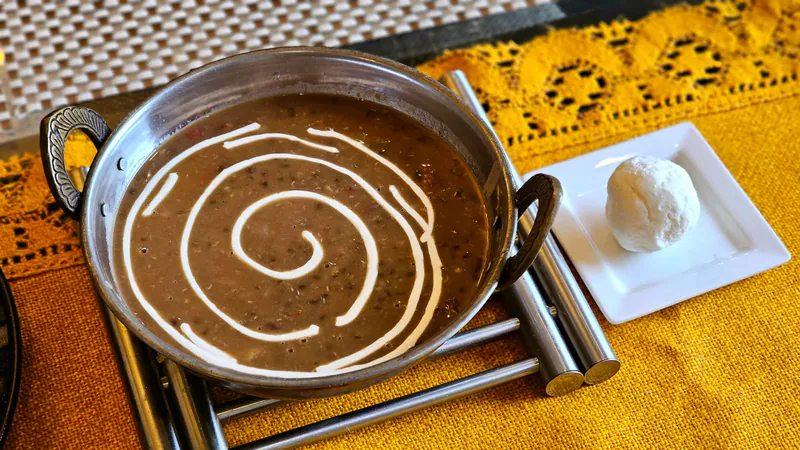
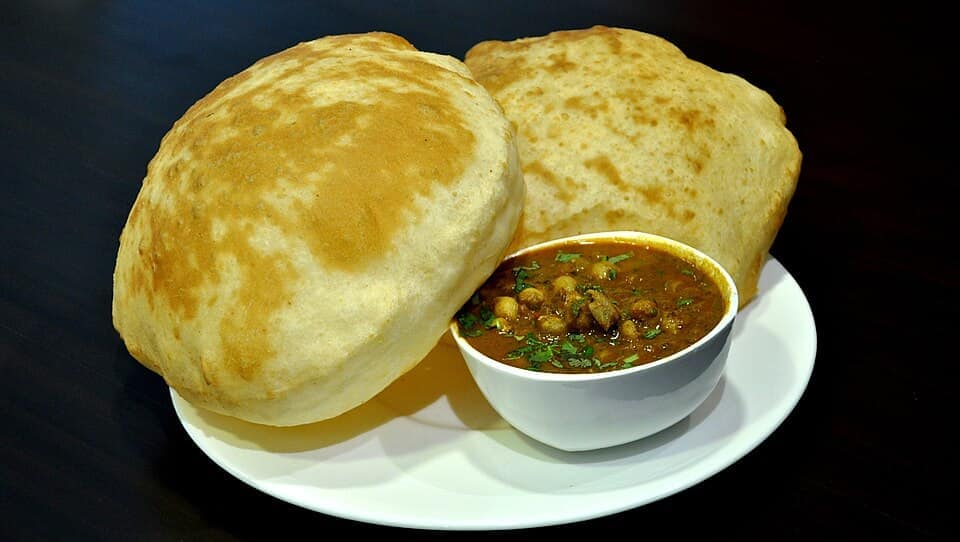
- Restaurant dishes: butter chicken, dal makhani, tandoori platters, chole bhature from Delhi's Punjabi refugee community.
- West Punjab (Pakistan)
- Shares breads, saag and lassi but is far more meat-centred: Lahori chargha, fish, nihari and paye. See the Pakistani profile.
Festive and seasonal food
- Lohri (13 January): sarson da saag with makki di roti, gajak, rewri, til, peanuts and popcorn thrown into the bonfire
- Baisakhi (April harvest): kheer, meethe chawal (sweet saffron rice), chole bhature
- Gurpurab and every gurdwara service: kada prasad, made from equal parts wheat flour, ghee and sugar
- Winter: pinni and gajar ka halwa
Signature dishes
- Chole bhature
- Dal makhani
- Rajma
- Makki di roti
- Aloo paratha
- Amritsari kulcha
- Tandoori chicken
- Paneer tikka
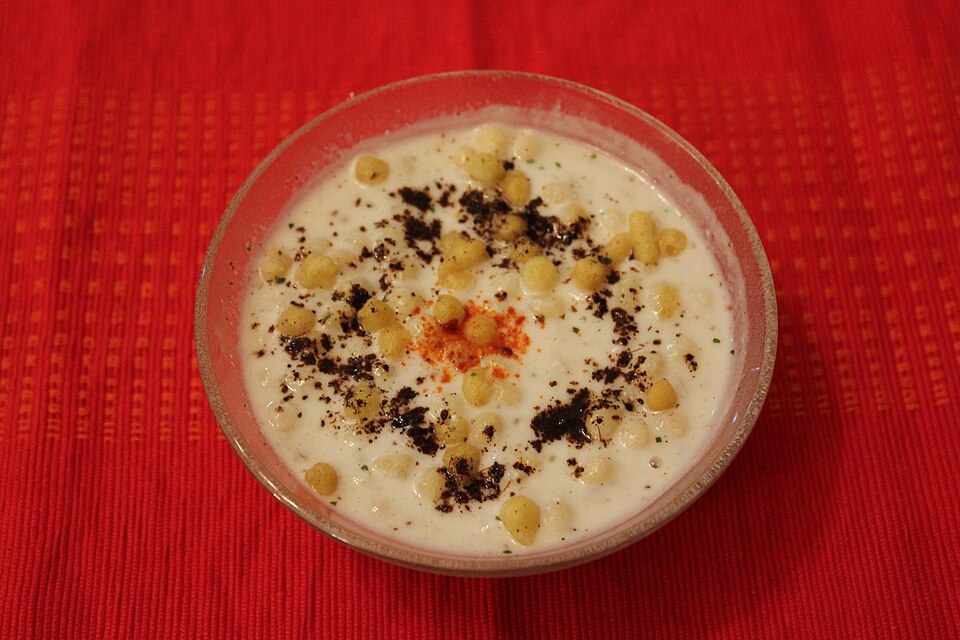
- Kadhi pakora
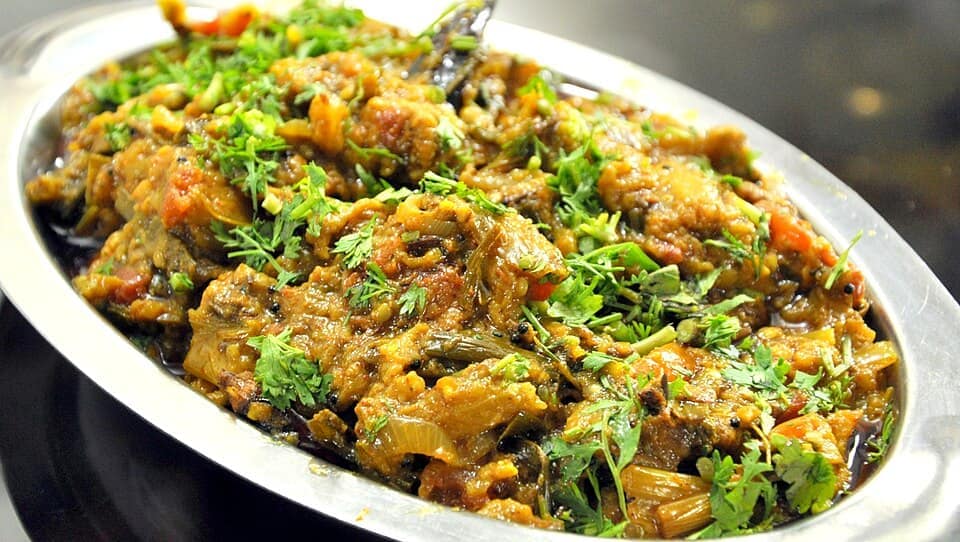
- Baingan bharta
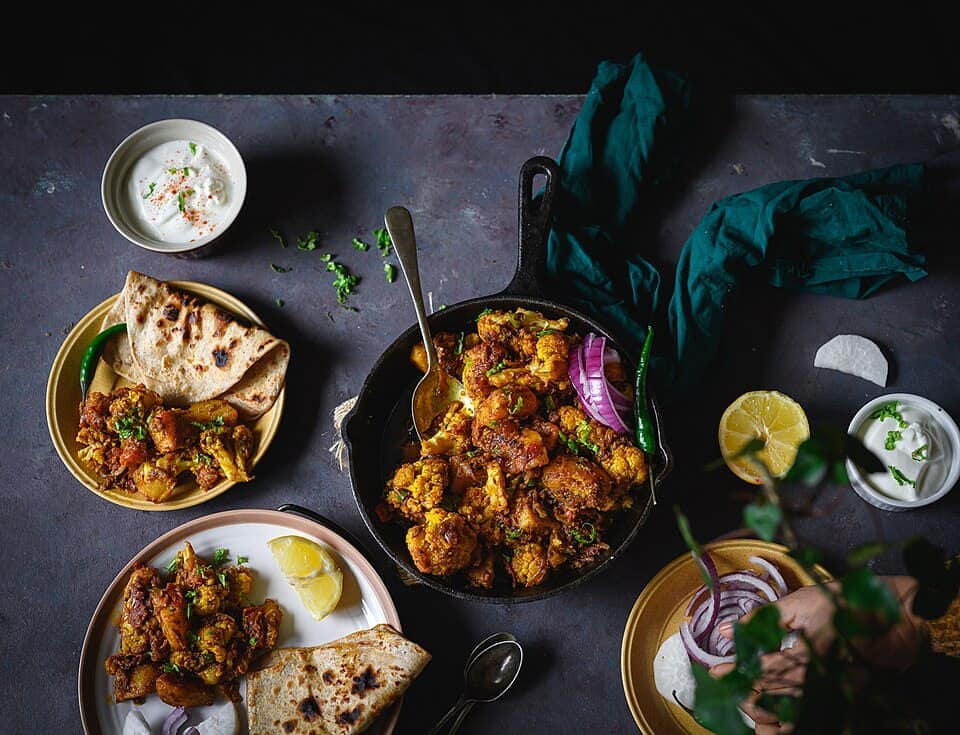
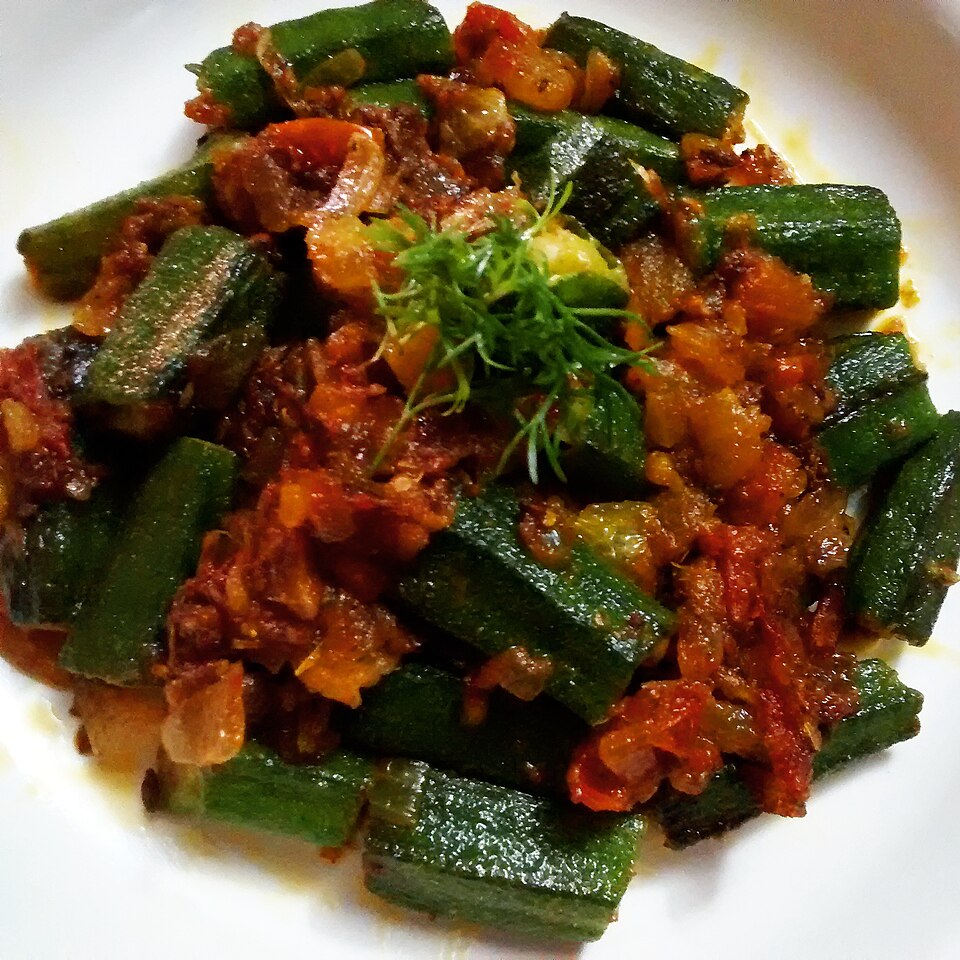
- Aloo gobi
- Palak paneer
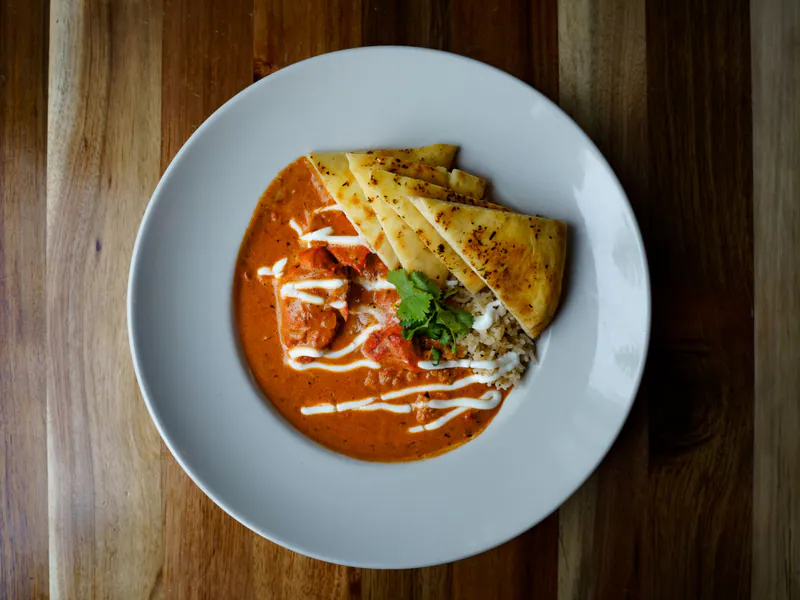
- Butter chicken
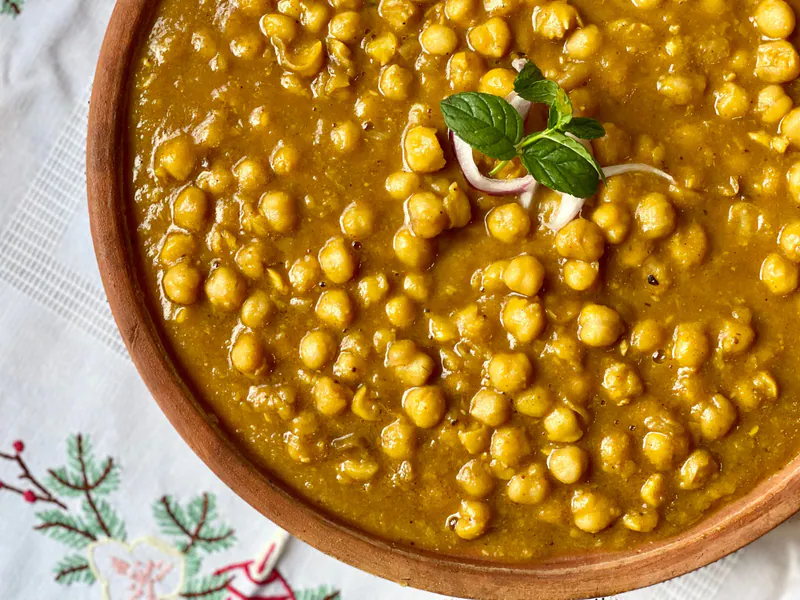
- Chana masala
- Sweet lassi
- Gajar ka halwa
- Tandoori roti
- Lachha paratha
- Missi roti
- Laccha pyaz
Not on the site yet: Sarson da saag, Pinni, Amritsari fish, Langar ki dal, Panjiri, Kada prasad
 Indian · 1 h 10 min · 65 kcal ·
 Pakistani · 1 h 45 min · 213 kcal ·