
Seeds
Ajwain
Trachyspermum ammi
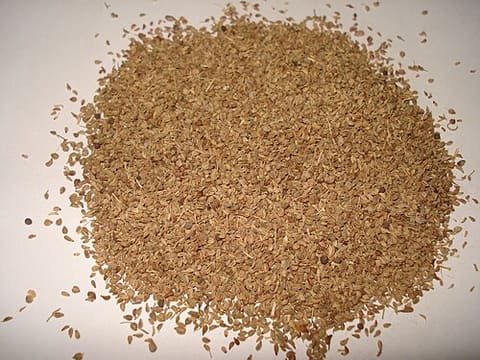
Tiny grey-brown seeds with a sharp, thyme-like bite, used in parathas, pakoras and tempering.
Also called: carom seeds, ajowan, omum
- Herbal & green
- Pungent & sulphurous
- Very mild
Photo: Miansari66, via Wikimedia Commons (public-domain)
Flavour and aroma
thyme-like, sharp, slightly numbing, bitter. Sharp, thyme-like, slightly bitter.
- Heat
- Very mild
- Forms
- whole
How to use it
crush · Dry grinding technique
Rub between the palms before adding to dough or batter, to release the oil.
use raw
Add ½–1 tsp per 2 cups of flour for parathas, puris and pakora batter; it cooks in the dough.
bloom in fat · Tadka (tempering) technique
In a tadka, add to hot oil for only 5–10 seconds; it darkens and turns bitter fast.
- Ajwain parathas, puris and mathri
- Pakora and fish-fry batters
- Tadka for dals and kadhi
- Pickles
Identifying good quality
Tiny grey-brown, ribbed seeds, smaller than cumin. Rubbed between the palms they release a strong thyme smell (thymol). Weak smell means old seed.
- Not to be confused with Cumin seeds: Cumin is longer and earthy rather than thyme-like.
- Not to be confused with Radhuni: Radhuni looks similar but smells of celery.
Origin and history
Origin: Uncertain; most likely the Middle East or the Indian subcontinent.. Grown and used: Grown mainly in India (Rajasthan, Gujarat), Iran, Afghanistan, Pakistan and Egypt..
Ajwain has long been used in Indian and Persian cooking and in home remedies for indigestion. It goes into parathas, puris, pakora batter and fish fry, often because cooks believe it helps the digestion of rich and starchy food.
Commonly told; not firmly documented
In masalas, pastes and sauces
Recipes with ajwain
Bajra raab
 Indian · 14 min · 175 kcal · Vegetarian
Chana samosa (Chhattisgarh street-style)
Indian · 2 h 30 min · 641 kcal · Vegetarian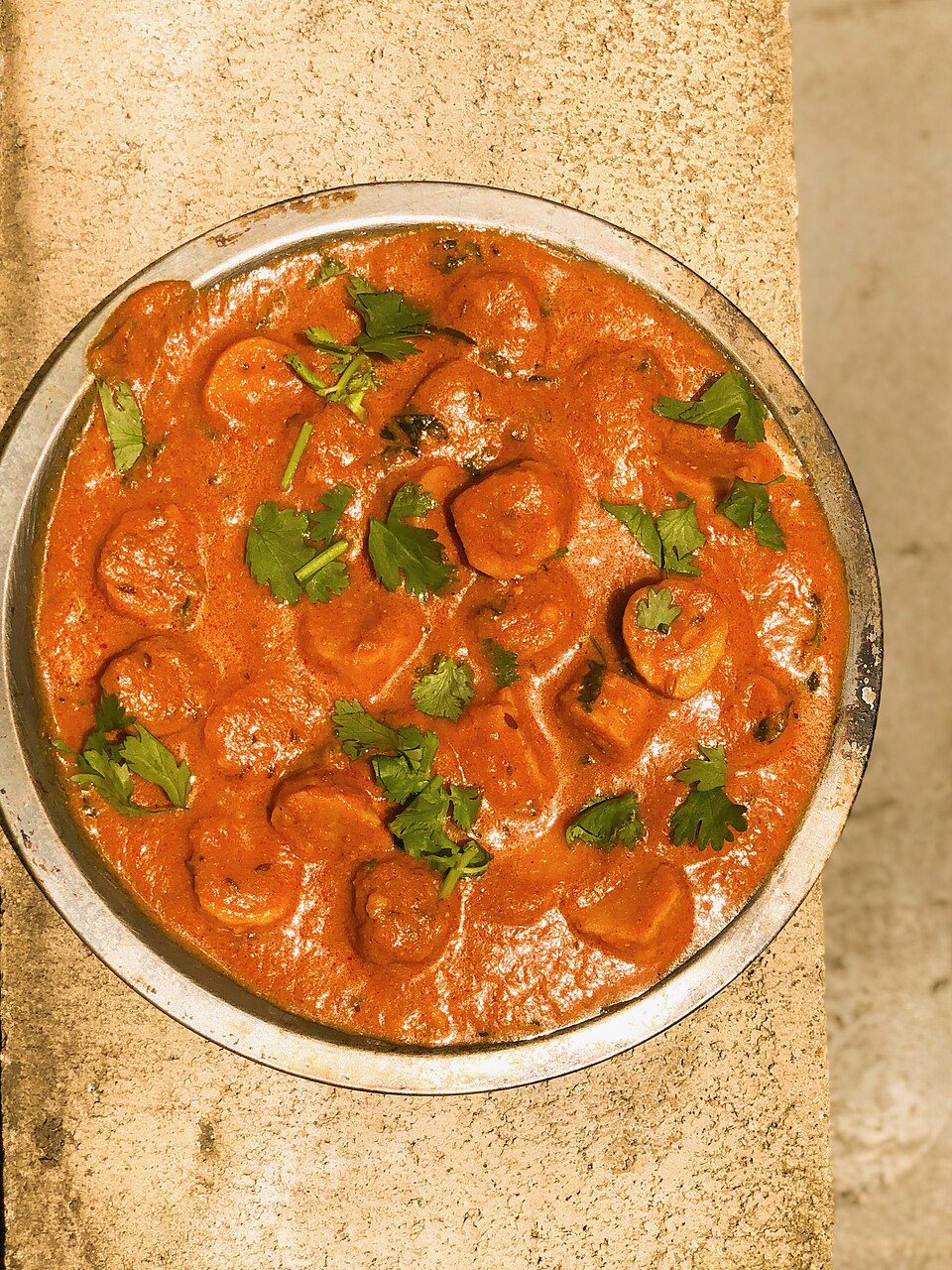
Gatte ki sabzi
Indian · 55 min · 305 kcal · VegetarianGobi paratha
Punjabi · 1 h 19 min · 252 kcal · VegetarianHigh-protein paneer paratha
Indian · 1 h 9 min · 341 kcal · Vegetarian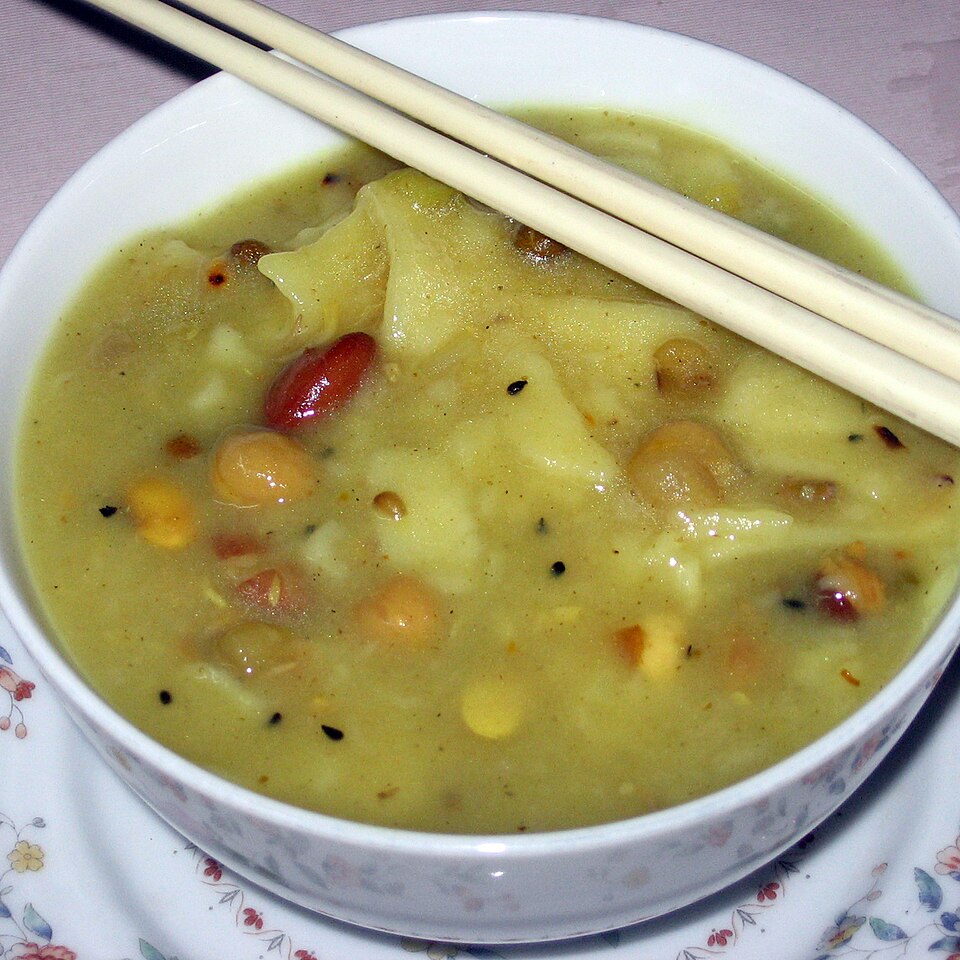
Kwati
 Nepalese · 1 h 5 min · 200 kcal · Vegetarian
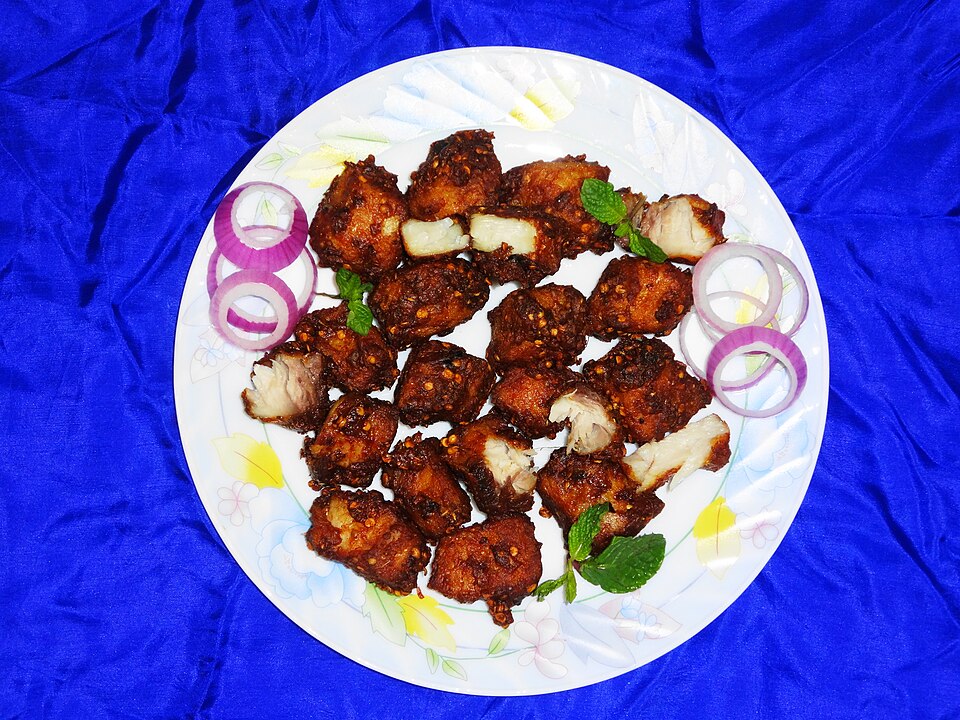
Lahori fish fry
 Pakistani · 1 h 5 min · 386 kcal
Litti chokha
Indian · 1 h 35 min · 721 kcal · VegetarianMakki di roti
Punjabi · 55 min · 190 kcal · Vegetarian
8 more
- Methi paratha · Punjabi
- Missi roti · Punjabi
- Mooli ki chutney (fresh radish chutney) · Indian
- Mooli paratha · Punjabi
- Palak paratha · Punjabi
- Pyaaz paratha · Punjabi
- Salt-cured lime pickle (nimbu ka achaar) · Indian
- Sattu paratha · Indian