
Aromatic leaves
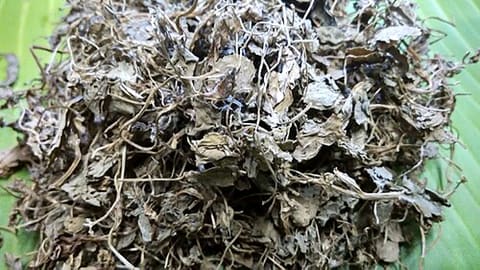
Dried fenugreek leaves
Trigonella foenum-graecum
Dried fenugreek leaves with a savoury, bittersweet herbal aroma, crumbled into butter chicken and curries.
Also called: kasuri methi, dried methi leaves
- Herbal & green
- Warm & sweet
- Nutty & toasty
- No heat
Photo: Thamizhpparithi Maari, via Wikimedia Commons (CC-BY-SA-4.0)
Flavour and aroma
bitter-sweet, maple-like, hay-like, savoury.
- Heat
- No heat
- Forms
- dried
How to use it
toast · Toasting technique
Optional: warm in a dry pan over low heat for 20–30 seconds until crisp; this deepens the aroma.
crush · Dry grinding technique
Crush between your palms over the pan and stir in during the last 2–5 minutes of cooking.
- Butter chicken and paneer makhani
- Dal makhani and other creamy curries
- Methi parathas and naan
- Rubbed over finished sabzis
Identifying good quality
Crumbly, dull green dried leaves with a strong maple-and-hay smell. Avoid packets with many stalks, dust or a faded, brownish colour.
- Not to be confused with Fenugreek: Fenugreek seeds come from the same plant but taste more bitter and nutty.
Origin and history
Origin: Fenugreek is native to the eastern Mediterranean and western Asia; the name refers to Kasur in Punjab (Pakistan).. Grown and used: Produced mainly in Rajasthan (Nagaur) and Punjab..
Kasuri methi takes its name from Kasur, a district of Pakistani Punjab known for aromatic fenugreek. It is the finishing note of butter chicken, paneer makhani and many restaurant gravies, and goes into methi mathri and parathas.
Commonly told; not firmly documented
In masalas, pastes and sauces
Recipes with dried fenugreek leaves

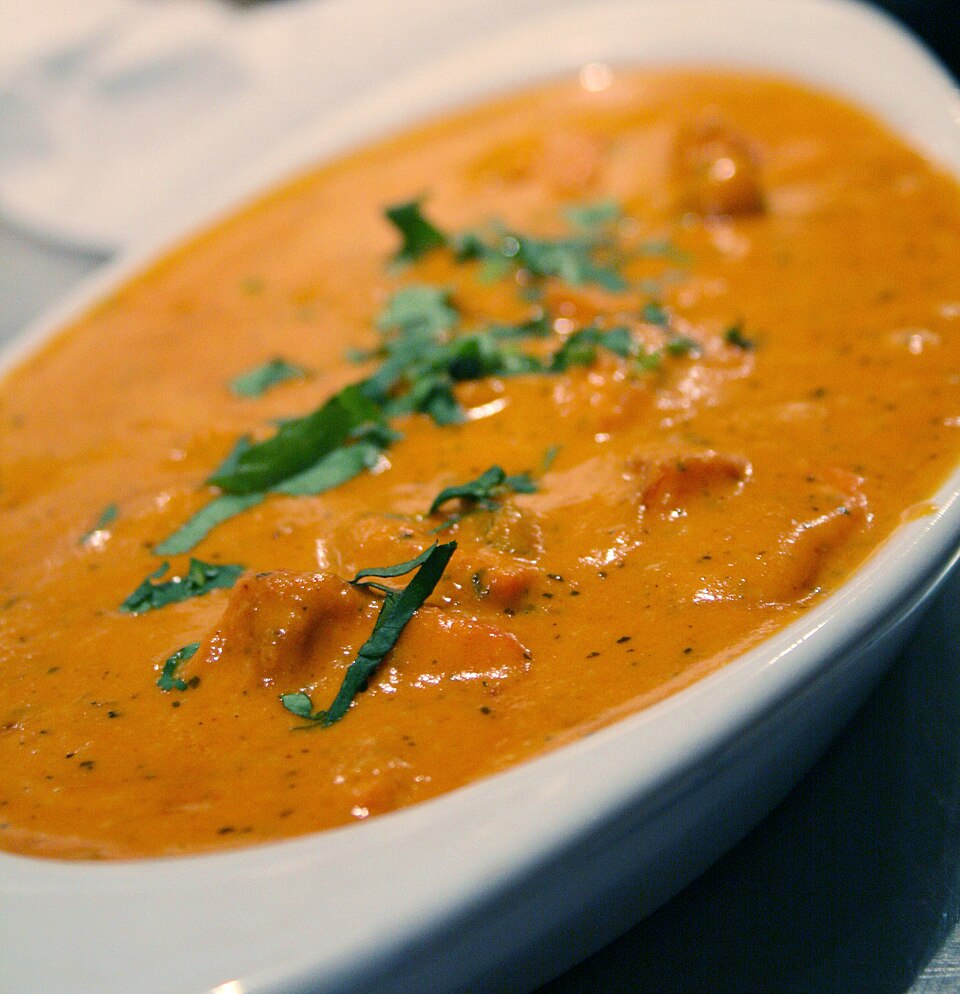
Butter chicken
 Punjabi · 2 h 5 min · 559 kcal
Chicken tikka masala
Indian · 1 h · 467 kcal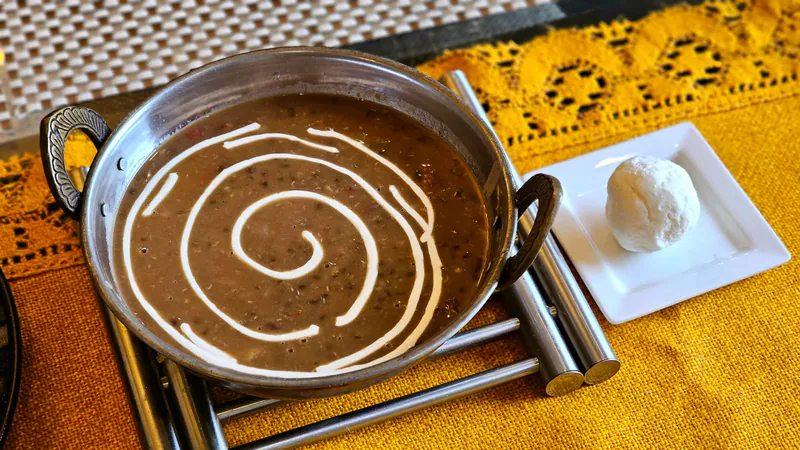
Dal makhani
Punjabi · 2 h · 390 kcal · Vegetarian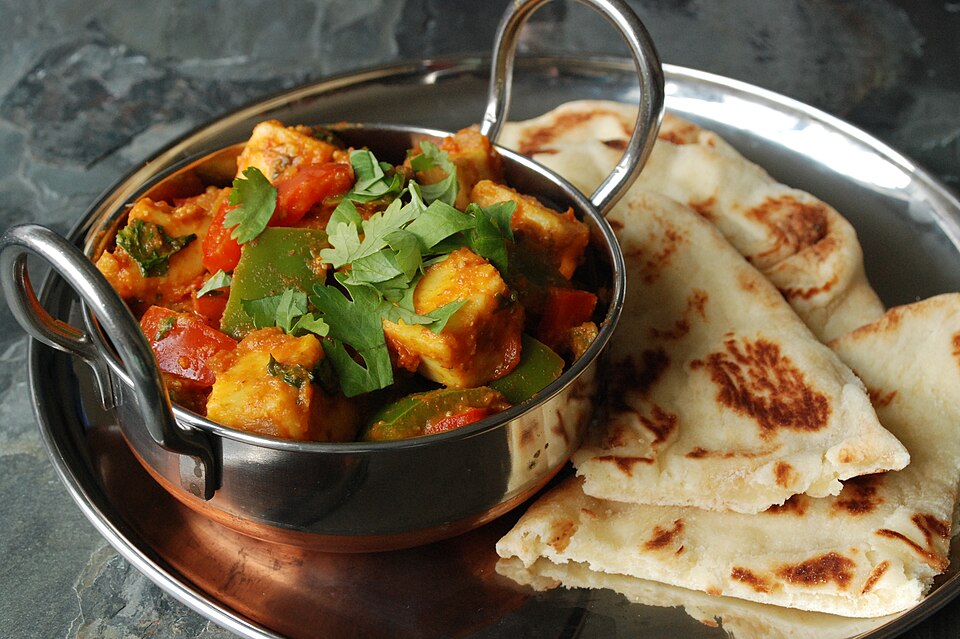
Kadai paneer
Punjabi · 35 min · 445 kcal · Vegetarian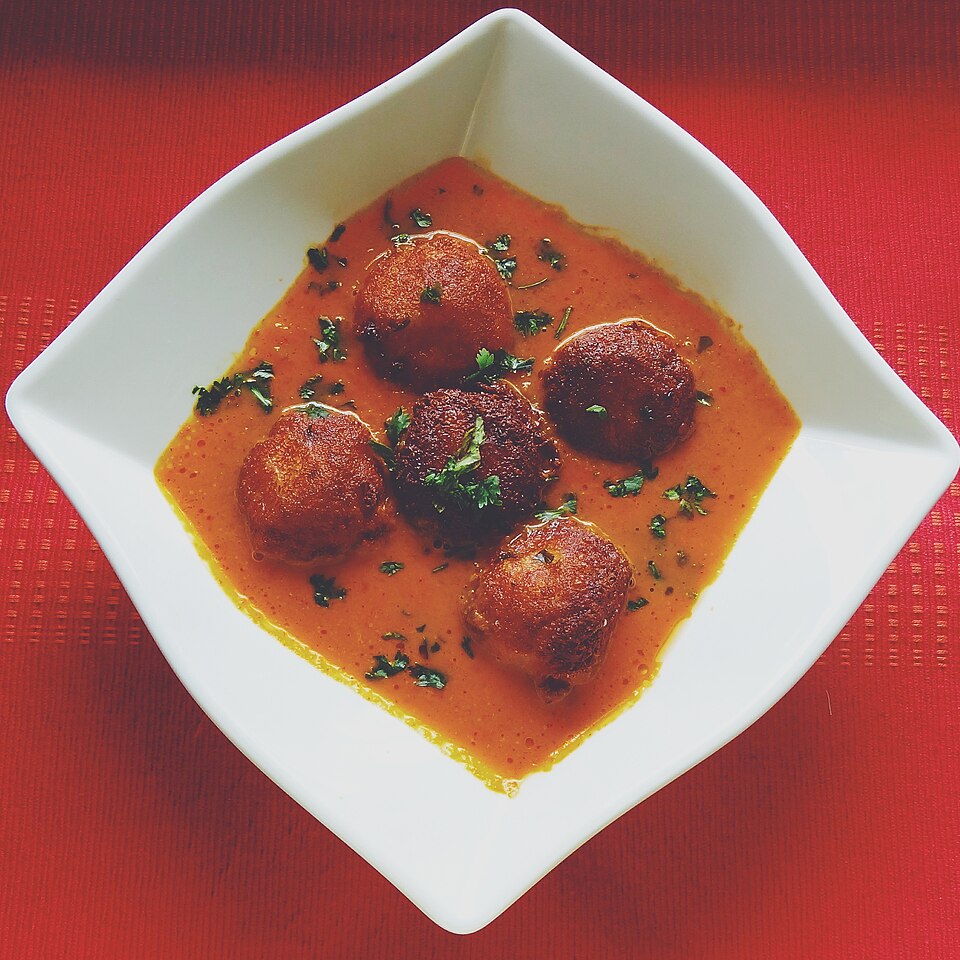
Malai kofta
Indian · 1 h 10 min · 547 kcal · Vegetarian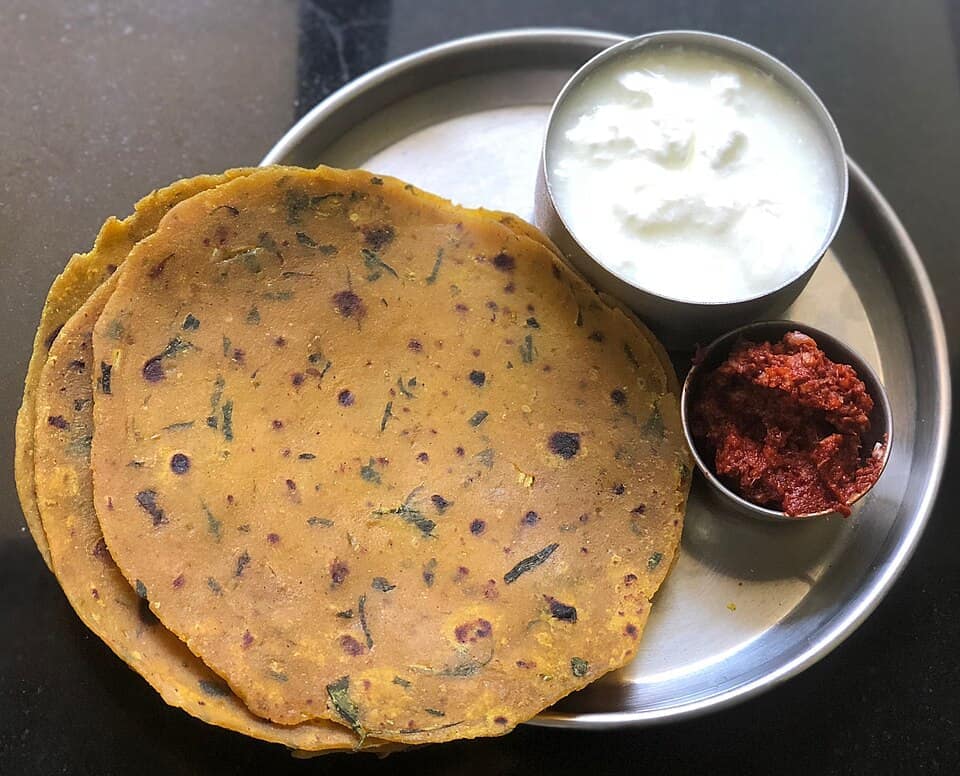
Methi thepla
Gujarati · 55 min · 312 kcal · VegetarianMissi roti
Punjabi · 55 min · 216 kcal · Vegetarian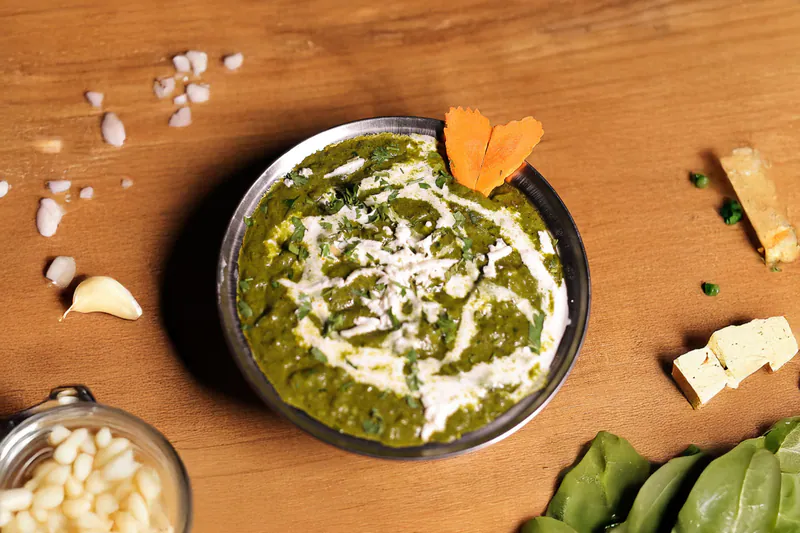
Palak paneer
Punjabi · 40 min · 344 kcal · VegetarianPaneer paratha
Punjabi · 1 h 9 min · 366 kcal · Vegetarian
1 more
- Tandoori chicken · Punjabi