
Resins and other aromatics
Black salt (kala namak)
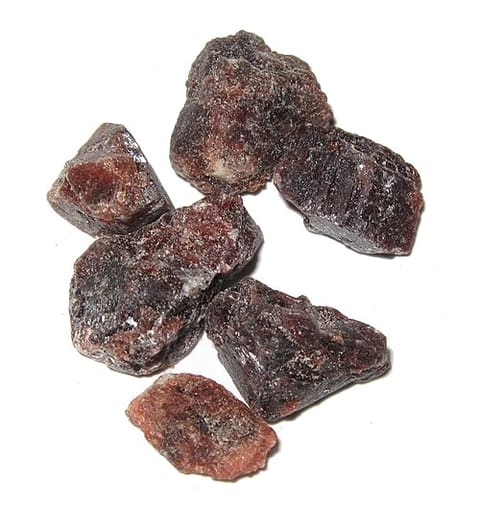
Pinkish-grey Indian rock salt with a sulphurous, egg-like smell, essential in chaat masala, jaljeera and fruit chaats.
Also called: kala namak, kala noon, himalayan black salt, sanchal, sanchal namak
Around the world: kala namak, काला नमक (hi)
- Pungent & sulphurous
- No heat
Photo: Sushant savla, via Wikimedia Commons (CC-BY-SA-4.0)
Flavour and aroma
salty, sulphurous, egg-yolk-like, slightly tangy. Salty, slightly less sharp than table salt, with a savoury, tangy edge.
- Heat
- No heat
- Forms
- powder, whole
How to use it
use raw
Sprinkle over chaat, fruit, raita, salads and drinks such as jaljeera and chaas. Its sulphur smell fades with heat, so add it at the end.
grind · Dry grinding technique
Grind lumps finely in a mortar before use.
- Mixed into chaat masala and sprinkled on fruit and chaat
- Seasoning jaljeera, lemonade and buttermilk
- Raitas and chutneys
- Vegan dishes that imitate the taste of egg
Identifying good quality
Dark violet-grey lumps or a pinkish-grey powder with a strong hard-boiled-egg smell. Not the same as pink Himalayan salt.
- Not to be confused with Salt: It is still mostly sodium chloride; use it in place of some salt, not on top.
Origin and history
Origin: Northern South Asia, made from rock salt of the Salt Range in Pakistan and the Himalaya.. Grown and used: Made and used in India, Pakistan, Nepal and Bangladesh..
Kala namak is traditionally made by heating rock salt in a kiln with plant material such as harad (Terminalia chebula) seeds, which produces sulphur compounds. It is the key flavour of chaat masala, jaljeera and Indian fruit chaat. Much of it today is made industrially from salt and sodium sulphate.
Commonly told; not firmly documented
In masalas, pastes and sauces
- Chaat masalaMasala20 g per batch
- Chole masalaMasala4 g per batch
- Pav bhaji masalaMasala5 g per batch
- Kairi pudina chutney (raw mango-mint chutney)Sauce2 g per batch
- Amla chutney (Indian gooseberry chutney)Sauce2 g per batch
- Aloo bukhara chutney (sweet-sour plum chutney)Sauce1 g per batch
- Khajur ambli chutney (Gujarati date-tamarind chutney)Sauce2 g per batch
- Boondi raitaSauce1 g per batch
- Pudina raita (mint raita)Sauce1 g per batch
- Lauki raita (bottle gourd raita)Sauce1 g per batch
- Pineapple raitaSauce1 g per batch
Recipes with black salt (kala namak)
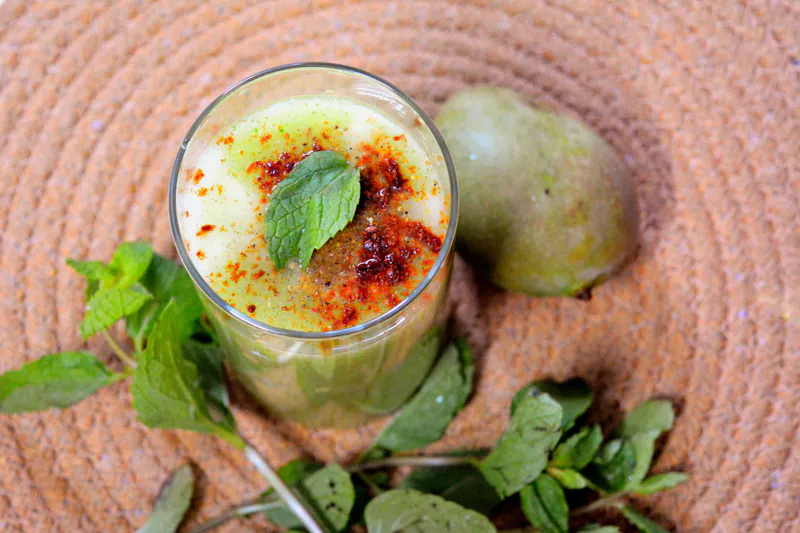
Aam panna
 Indian · 45 min · 96 kcal · Vegan
Aloo bukhara chutney (sweet-sour plum chutney)
Indian · 1 h 10 min · 65 kcal · VeganAmla chutney (Indian gooseberry chutney)
Indian · 15 min · 22 kcal · Vegan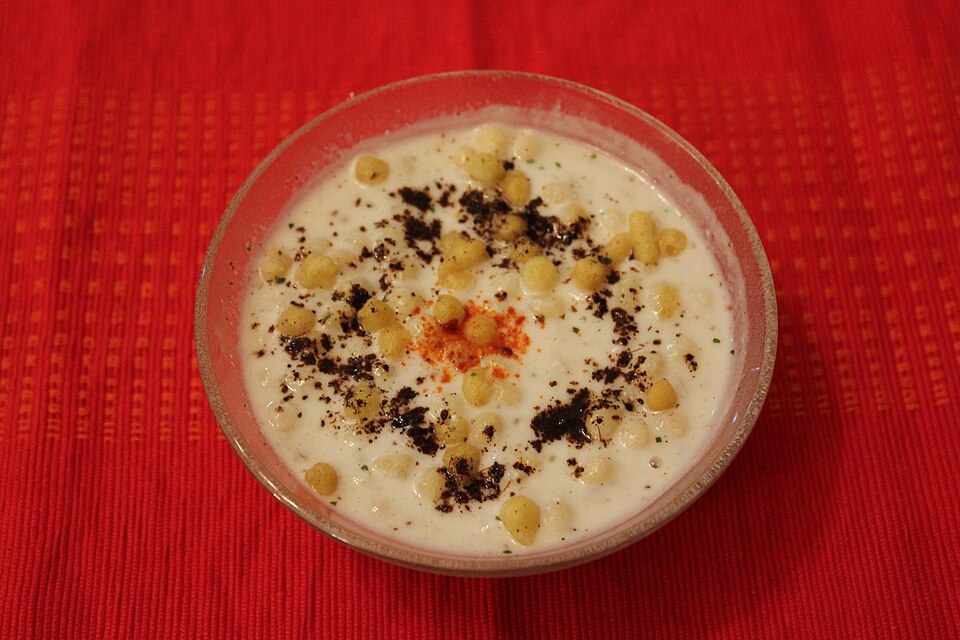
Boondi raita
Indian · 20 min · 81 kcal · VegetarianBorhani
 Bangladeshi · 40 min · 111 kcal · Vegetarian
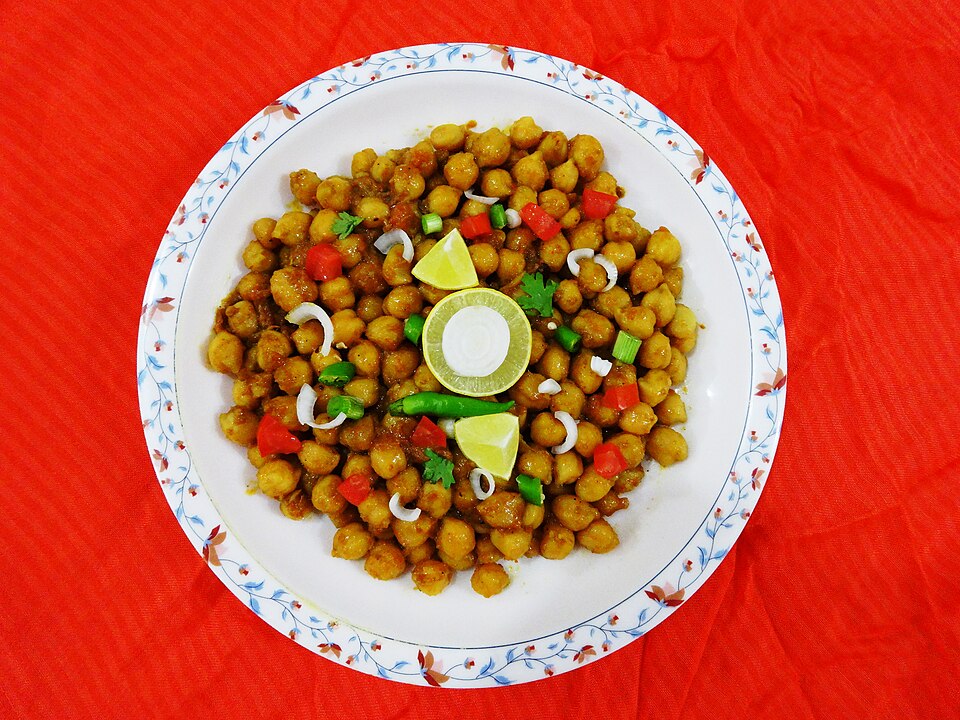
Chana chaat
Indian · 15 min · 215 kcal · Vegan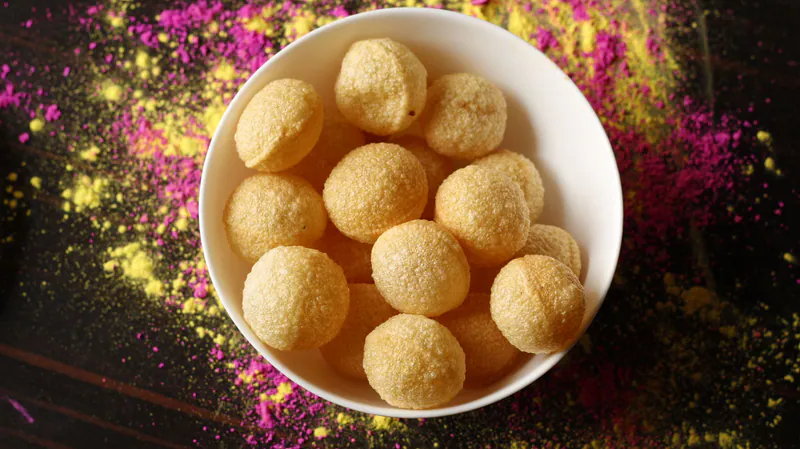
Gol gappay
 Pakistani · 1 h 30 min · 366 kcal · Vegan
Jaljeera
Indian · 25 min · 16 kcal · VeganKairi pudina chutney (raw mango-mint chutney)
Indian · 15 min · 23 kcal · Vegan
10 more
- Kanji (fermented carrot drink) · Indian
- Khajur ambli chutney (Gujarati date-tamarind chutney) · Gujarati
- Kokum sharbat · Indian
- Lauki raita (bottle gourd raita) · Indian
- Masala chaas · Gujarati
- Masala soda · Indian
- Nimbu pani · Indian
- Pineapple raita · Indian
- Pudina raita (mint raita) · Indian
- Sattu sharbat · Indian