Italian · regional cuisine
Roman and Lazio
Rome's thrifty, bold cooking: the four classic pastas built on pecorino romano and guanciale, offal ('fifth quarter') dishes, artichokes and Roman-Jewish fried foods.
Flavour character: Salty, peppery and porky: sharp pecorino, crisp rendered guanciale, black pepper, garlic and mint (mentuccia) with artichokes.
History
Sheep herding in the Roman countryside produced pecorino romano and the shepherds' pasta dishes cacio e pepe and gricia; amatriciana is named after the town of Amatrice. Workers at Rome's Testaccio slaughterhouse were partly paid in offal, the quinto quarto, giving rise to dishes such as coda alla vaccinara. Rome's Jewish community, one of the oldest in Europe, contributed carciofi alla giudia and other fried dishes. Carbonara appears in print only after the Second World War, and its exact origin is debated.
Commonly told; not firmly documented
Geography and influences
The Roman Campagna, the hills of the Castelli Romani and the Tyrrhenian coast: sheep, pork, artichokes and wine.
- Shepherd cooking of the Lazio hills
- Roman-Jewish cooking
- Papal court
Regional variations
- Rome
- Trattoria pastas, offal and Jewish-quarter fried dishes.
- Lazio countryside
- Amatrice's pasta, porchetta from Ariccia, sheep's cheeses.
Festive and seasonal food
- Abbacchio (milk-fed lamb) at Easter
- Fried salt cod (filetti di baccalà) and fried artichokes at Christmas
Signature dishes
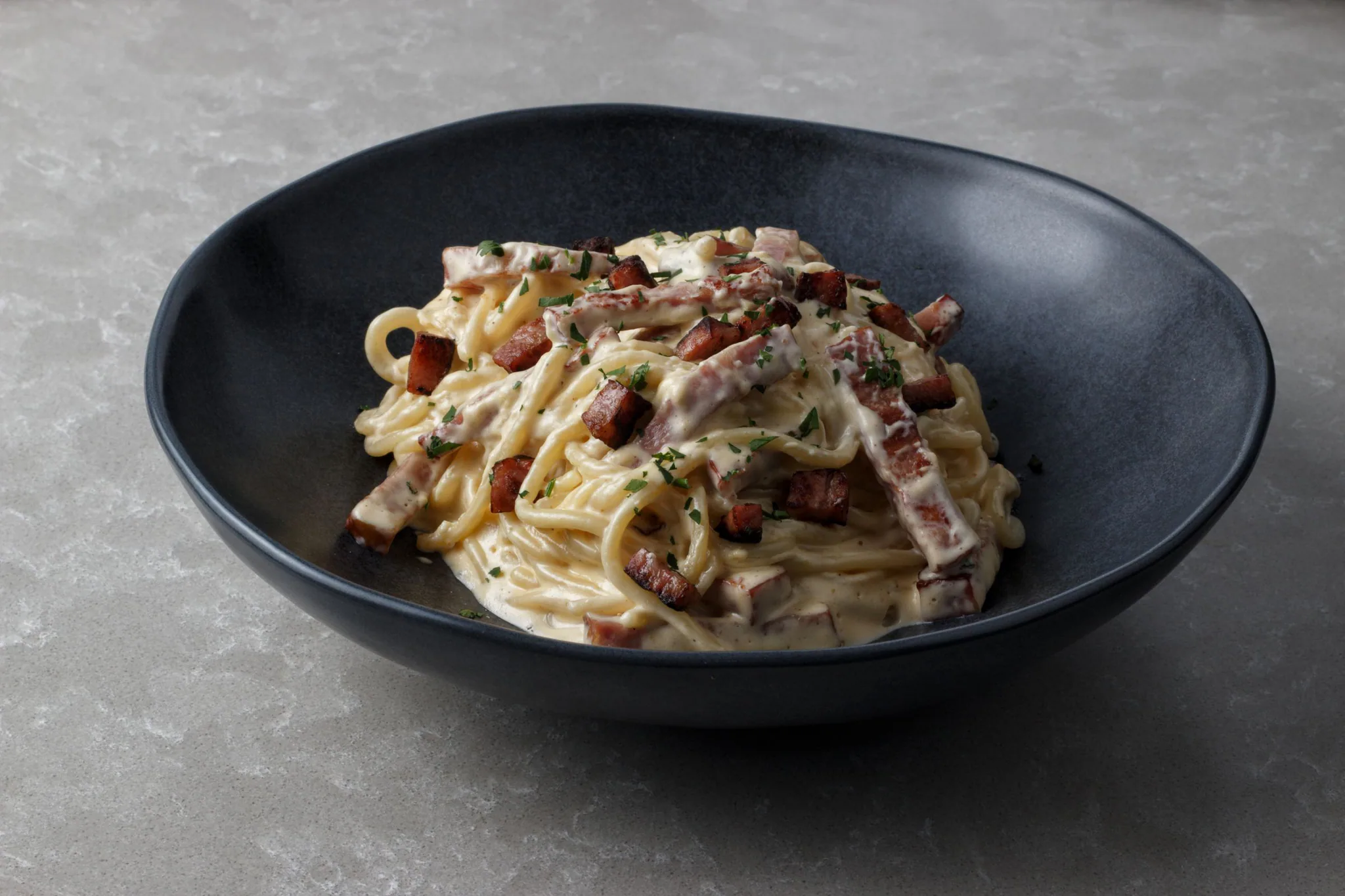
- Spaghetti carbonara
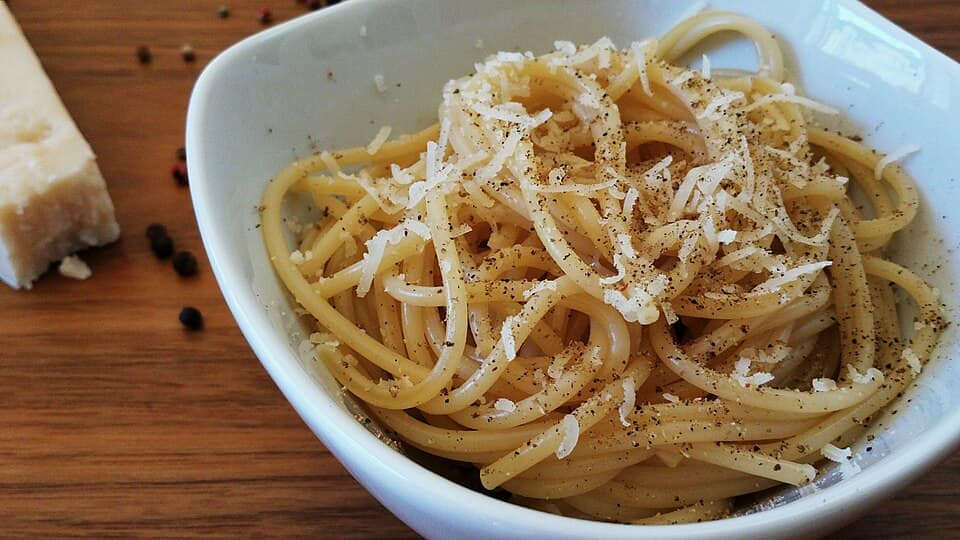
- Cacio e pepe
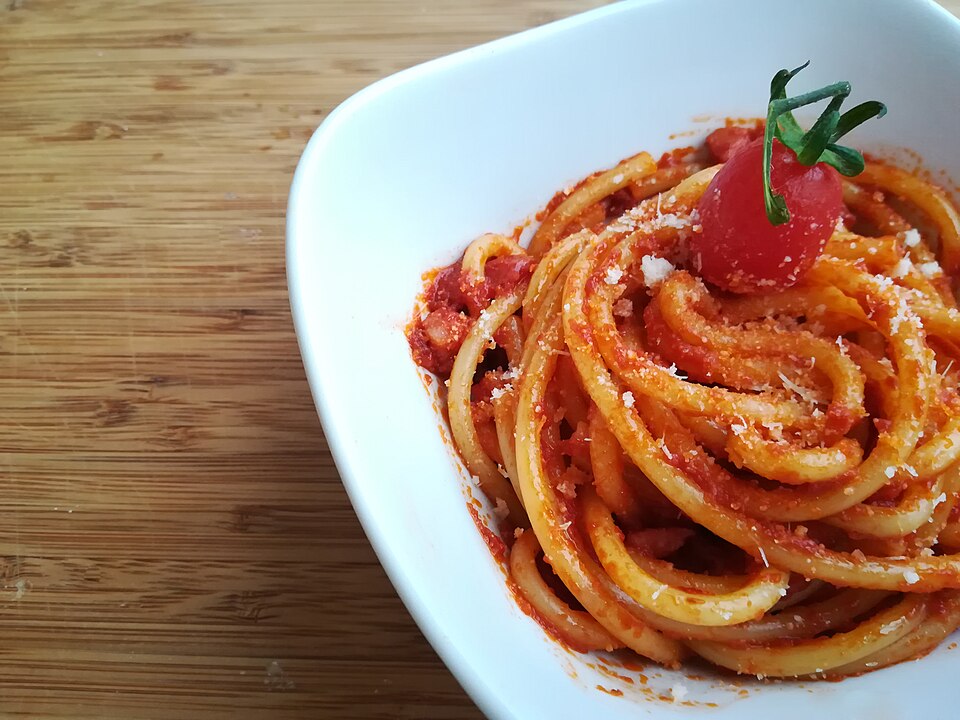
- Bucatini all'amatriciana
- Penne all'arrabbiata
- Pork saltimbocca
- Stracciatella alla romana
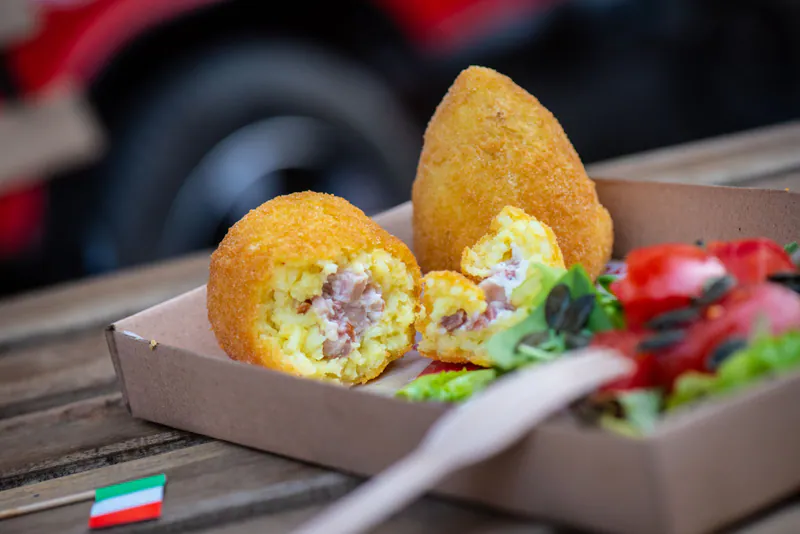
Not on the site yet: Pasta alla gricia, Carciofi alla giudia, Carciofi alla romana, Coda alla vaccinara, Abbacchio a scottadito, Supplì
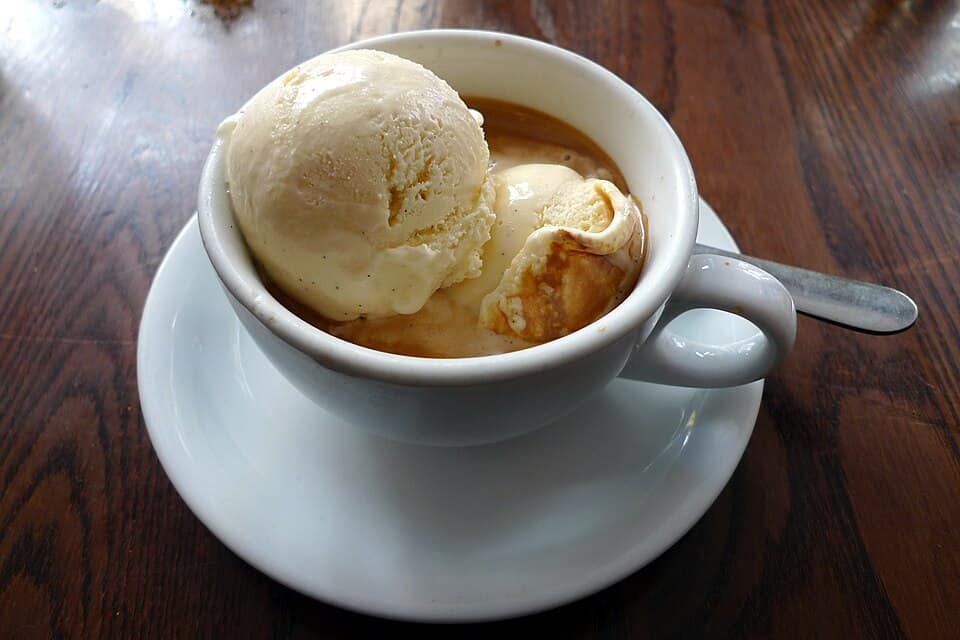
 Italian · 5 min · 137 kcal ·
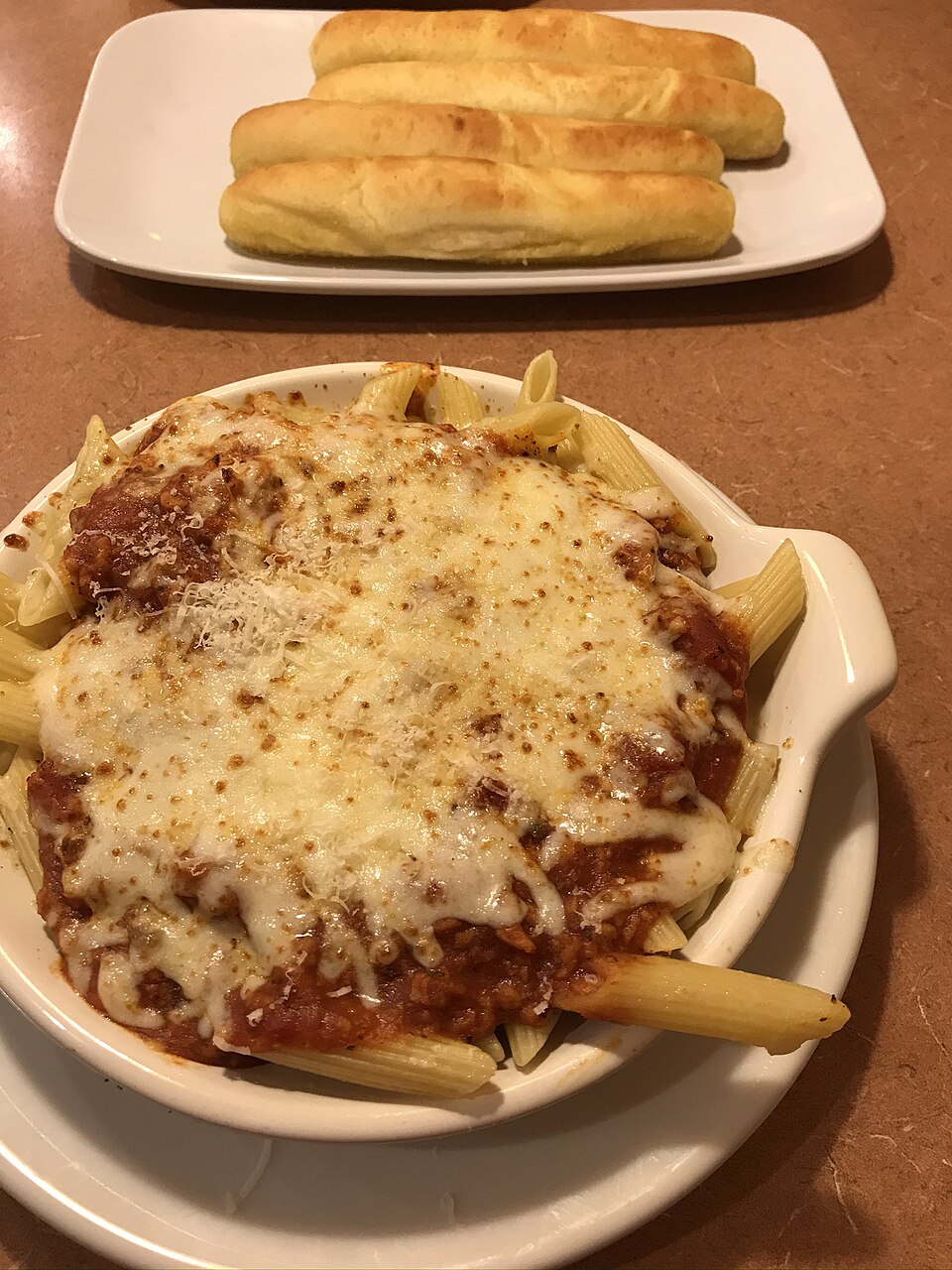
 American · 1 h 30 min · 487 kcal
 French · 25 min · 115 kcal ·