
Eggs & dairy · Hard cheeses
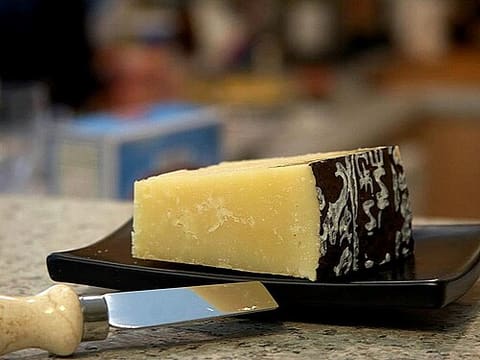
Pecorino Romano
Hard, salty Roman sheep's-milk grating cheese, essential for cacio e pepe, carbonara and amatriciana.
Also called: pecorino, romano
A kind of cheese
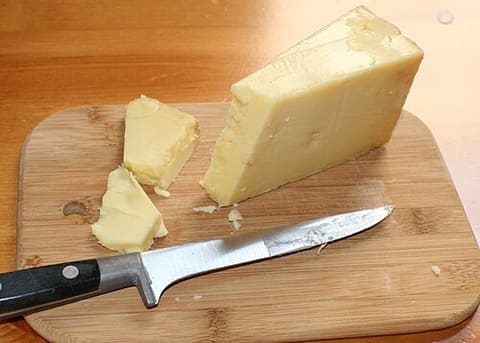
Photo: Jon Sullivan, via Wikimedia Commons (public-domain)
What it is
Pecorino Romano is a hard cheese made from sheep's milk, aged and salted into a dense, white to pale-straw wheel. It is sharper, saltier and more tangy than Parmigiano Reggiano. Other pecorinos (Toscano, Sardo) are often younger and milder.
How it’s used
- Cacio e pepe, carbonara, gricia and amatriciana
- Grated over beans, soups and roasted vegetables
- Mixed with parmesan in pesto
- Shaved over salads with pears or broad beans
Characteristics
- Taste
- Sharp, salty, tangy and slightly gamey.
- Texture
- Hard and crumbly-dense.
- When cooked
- Clumps readily in hot pasta water; mix finely grated cheese with a little cooled pasta water into a paste before tossing.
- Sold as
- fermented, ground
- Cooking uses
- Usually eaten raw, Commonly cooked, Used as a garnish, Mainly a seasoning
- Common in
- Italian
Storage
Refrigerated. Wrap in waxed or baking paper and refrigerate; it keeps well because it is dry and salty.
Diet, allergens and safety
Contains Milk.
- Vegetarian
- Vegan
- Dairy-free
- Egg-free
- Gluten-free
- Nut-free
- Soy-free
- Caffeine-free
- Contains milk (sheep's milk counts as a milk allergen).
Nutrition per 100 g
- Energy
- 387 kcal
- Protein
- 31.8 g
- Carbohydrate
- 3.63 g
- Fat
- 26.94 g
- Fibre
- 0 g
- Sugars
- 0.73 g
USDA FoodData Central: Cheese, romano.
Substitutes
Optional — what works if you don’t have it, and how it changes the dish.
- Parmesan — 1:1; add a little more salt and pepper for punch.
Related ingredients
Recipes with pecorino romano
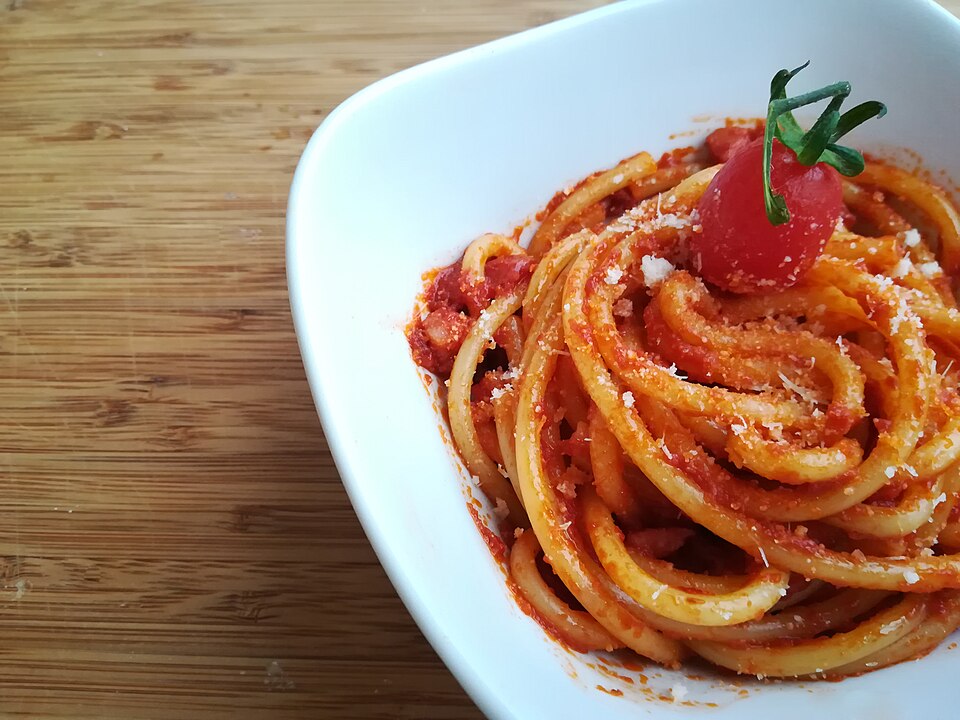
Bucatini all'amatriciana
 Italian · 35 min · 691 kcal
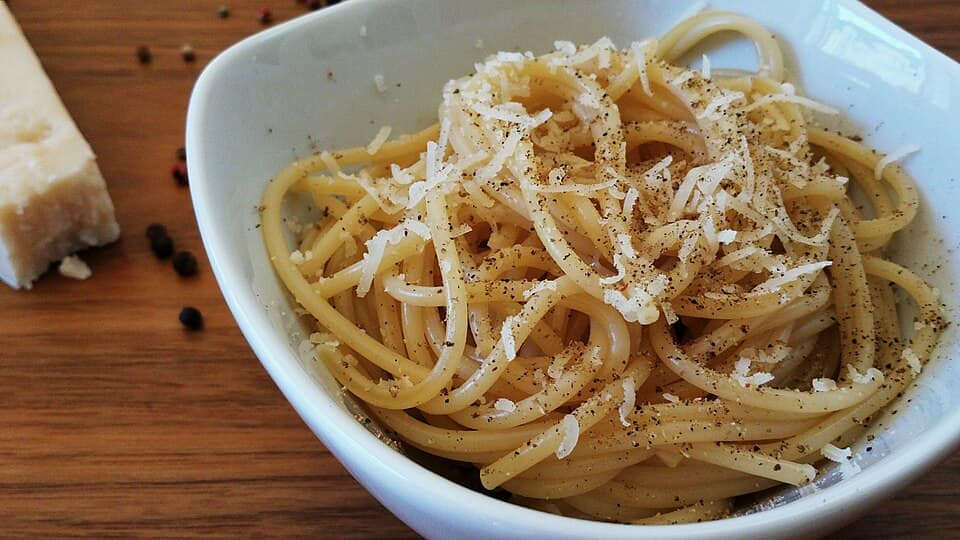
Cacio e pepe
Italian · 20 min · 529 kcal · Vegetarian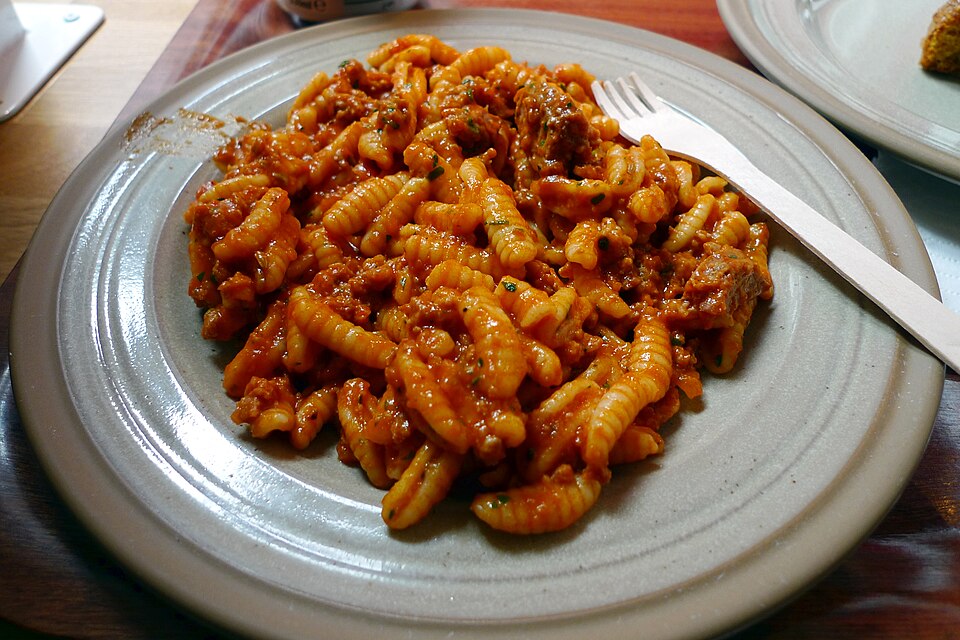
Malloreddus alla campidanese
Italian · 50 min · 796 kcal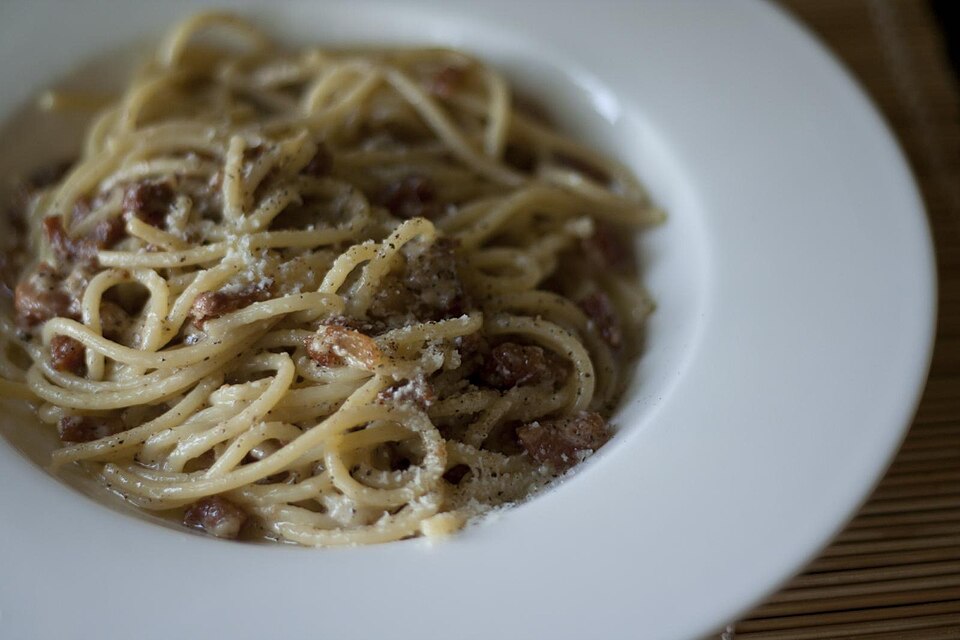
Pasta alla gricia
Italian · 25 min · 696 kcal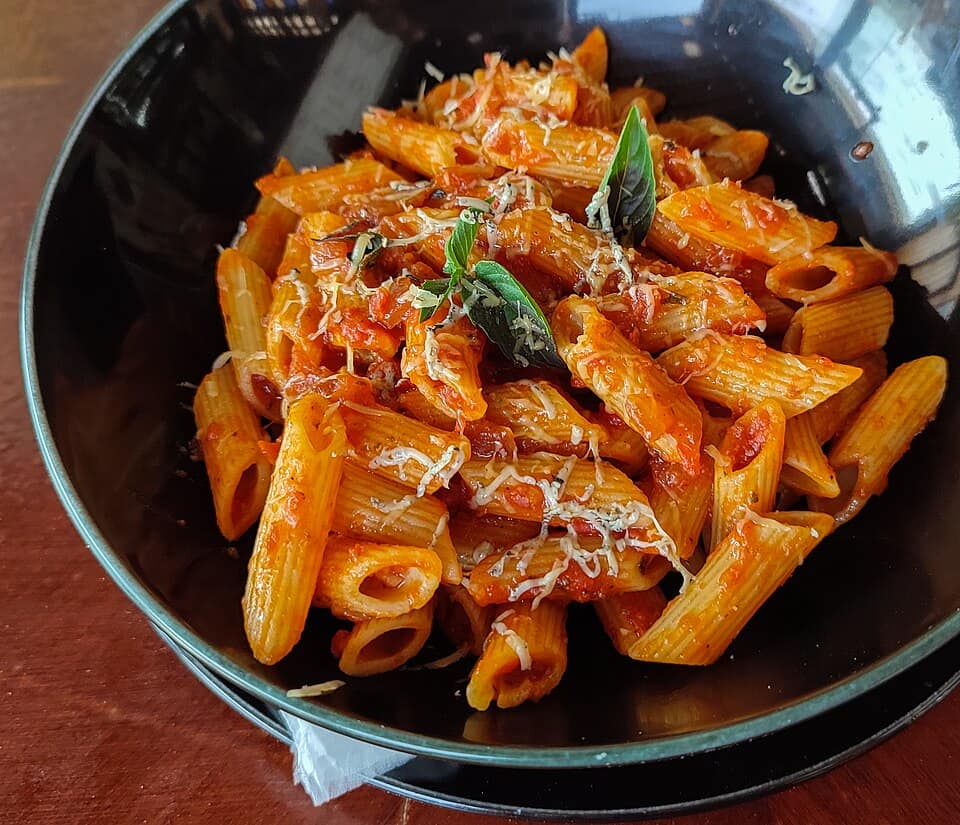
Penne all'arrabbiata
Italian · 25 min · 408 kcal · Vegetarian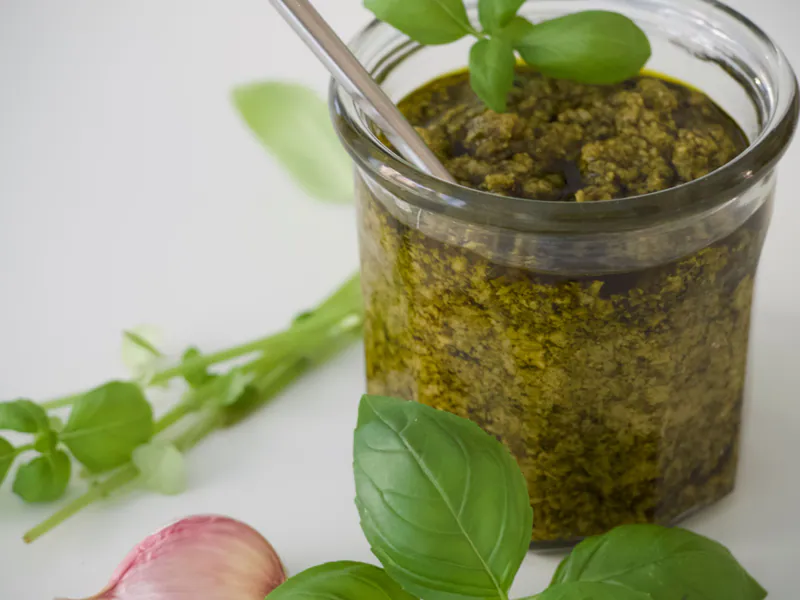
Pesto alla genovese
Italian · 25 min · 183 kcal · Vegetarian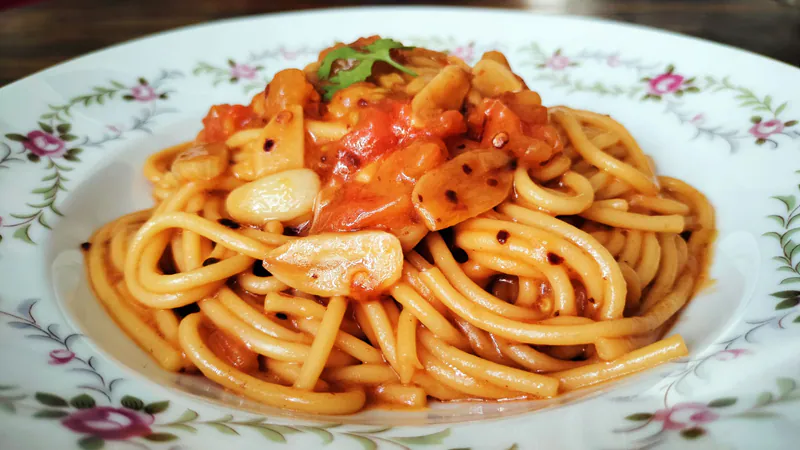
Pici all'aglione
Italian · 1 h 55 min · 611 kcal · Vegetarian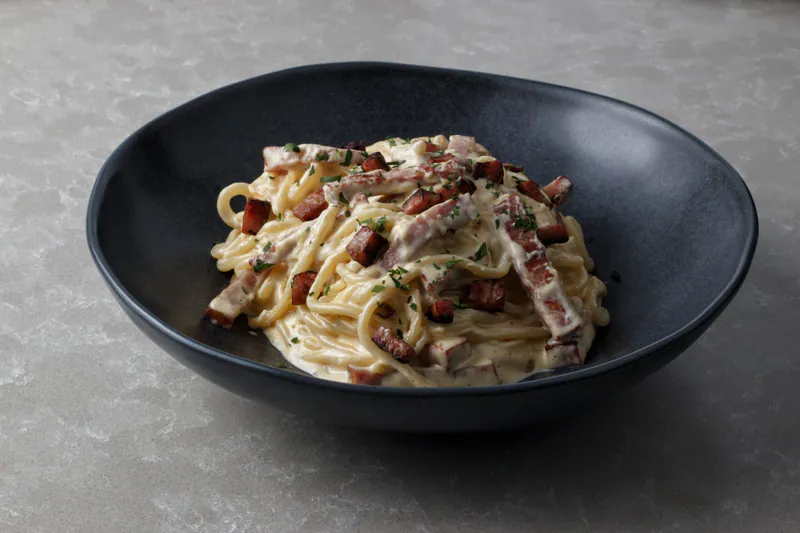
Spaghetti carbonara
Italian · 25 min · 750 kcal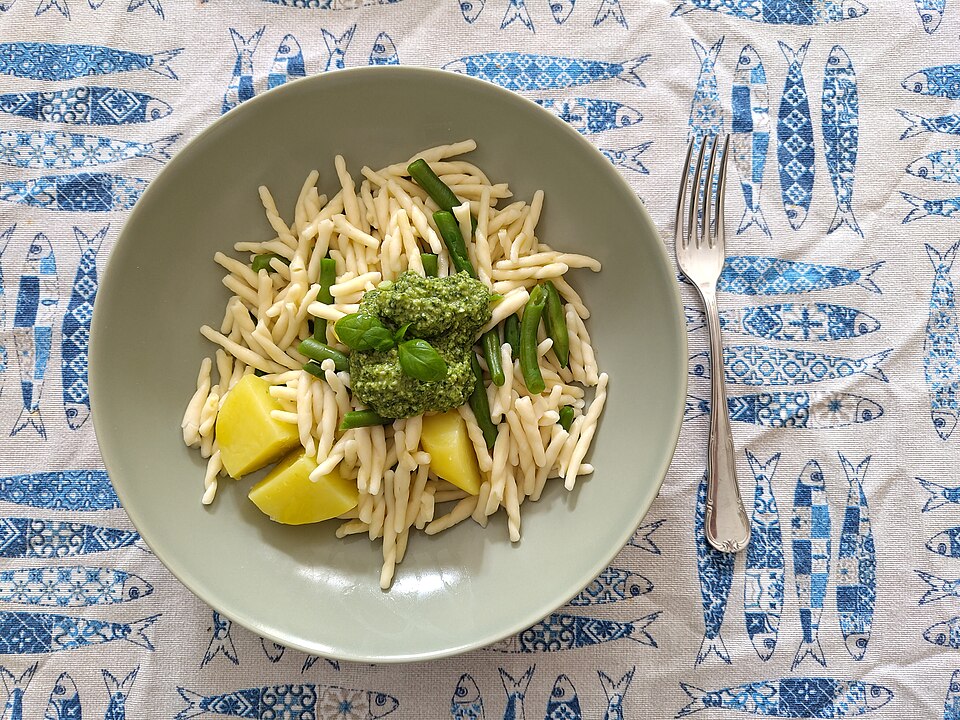
Trofie al pesto with potatoes and green beans
Italian · 40 min · 733 kcal · VegetarianUova in purgatorio (eggs in purgatory)
Italian · 25 min · 552 kcal · Contains egg
More hard cheeses
Hard cheeses
Cheddar
Firm cow's-milk cheese from mild to extra-mature and sharp; the classic melter for toasties, sauces and bakes.
21 recipes
Hard cheeses
Parmesan
Hard, granular aged Italian cow's-milk cheese grated over pasta, risotto, soups and salads.
50 recipes
Hard cheeses
Gruyère
Nutty Swiss Alpine cheese that melts smoothly; for fondue, French onion soup, gratins and croque monsieur.
12 recipes
Hard cheeses
Swiss cheese
Mild, nutty pale-yellow cheese with large holes, in the Emmental style; for sandwiches and melting.
5 recipes
Hard cheeses
Gouda
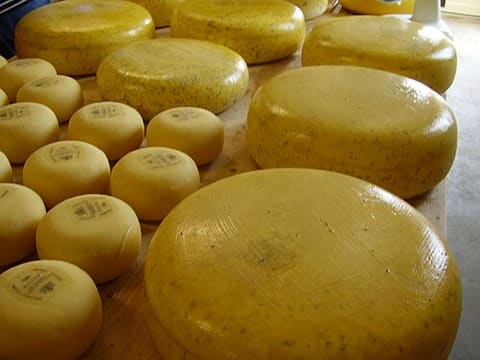
Dutch cow's-milk cheese, mild and supple when young, caramel-sweet and crunchy when aged.
1 recipe
Hard cheeses
Raclette cheese
Swiss and French Alpine cow's-milk cheese made for melting and scraping over potatoes and pickles.
1 recipe
Hard cheeses
Edam cheese
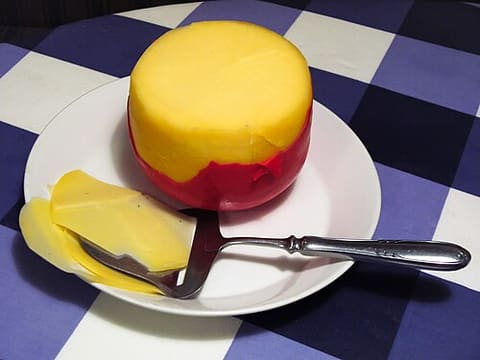
Mild, firm Dutch cow's-milk cheese in a red wax coat, lower in fat than gouda.
1 recipe
Hard cheeses
Provolone
Italian stretched-curd cow's-milk cheese, mild (dolce) or sharp (piccante), for sandwiches and melting.
2 recipes