Cuisine
Greek
Mediterranean cooking of olive oil, lemon, oregano and wild greens, grilled meat and fish, vegetable dishes cooked in oil (ladera), mezedes and filo pies.
Flavour character: Bright and herby: olive oil, lemon and oregano; dill and mint; salty feta and olives; tomato and cinnamon in stews; tangy yogurt and garlic.
History
Olive oil, wine, bread, cheese and honey have been Greek staples since antiquity. Byzantine and four centuries of Ottoman rule shared dishes with Turkey and the Levant, such as dolmades, moussaka-style bakes and baklava. Orthodox Christian fasting (Lent and other periods) produced a large repertoire of olive-oil vegetable and pulse dishes. Chef Nikolaos Tselemendes, trained in Europe, popularised béchamel-topped moussaka and pastitsio in the 1920s and 30s. The Mediterranean diet, including Greece, was inscribed by UNESCO in 2010 (extended 2013).
Well documented
Geography and influences
A mountainous mainland and thousands of islands: olive groves, sheep and goats in the hills, wild herbs and greens, and fish around every coast.
- Ancient Greek cooking
- Byzantine and Ottoman cuisines
- Orthodox fasting traditions
- Venetian rule on some islands
- Early 20th-century French-influenced reforms
Regional variations
- Crete
- Olive oil, wild greens, snails, dakos and raki; often cited in Mediterranean-diet research.
- Macedonia and Thrace (north)
- Spicier, with peppers, bougatsa and Anatolian refugee dishes.
- Cyclades and islands
- Fava, capers, seafood and local cheeses.
- Cyprus
- Halloumi, souvla, kleftiko and Levantine influences.
Festive and seasonal food
- Spit-roast lamb, magiritsa and red eggs at Easter
- Tsoureki and koulourakia at Easter
- Vasilopita (New Year cake with a hidden coin)
- Lenten lagana bread on Clean Monday
Signature dishes
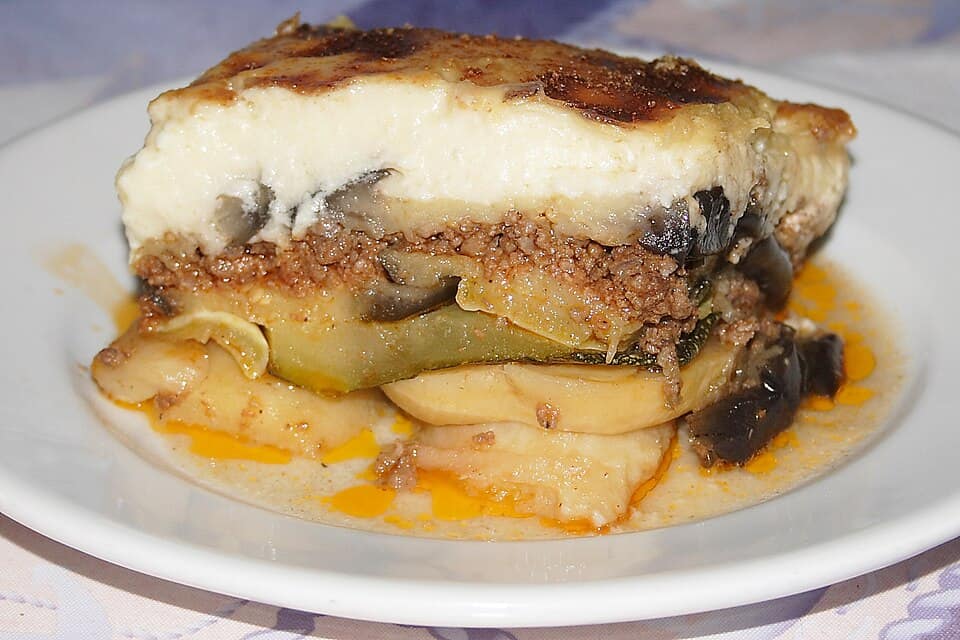
- Moussaka
- Pastitsio
- Greek village salad
- Spanakopita
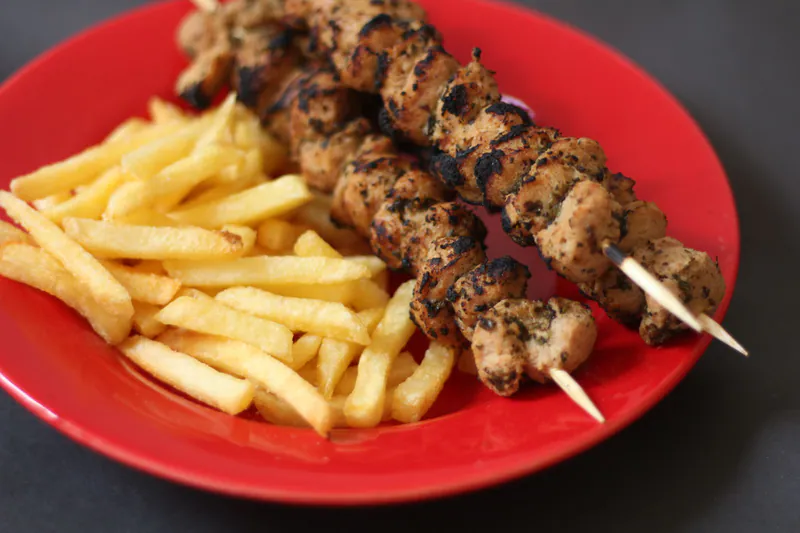
- Pork souvlaki
- Pork gyros pita
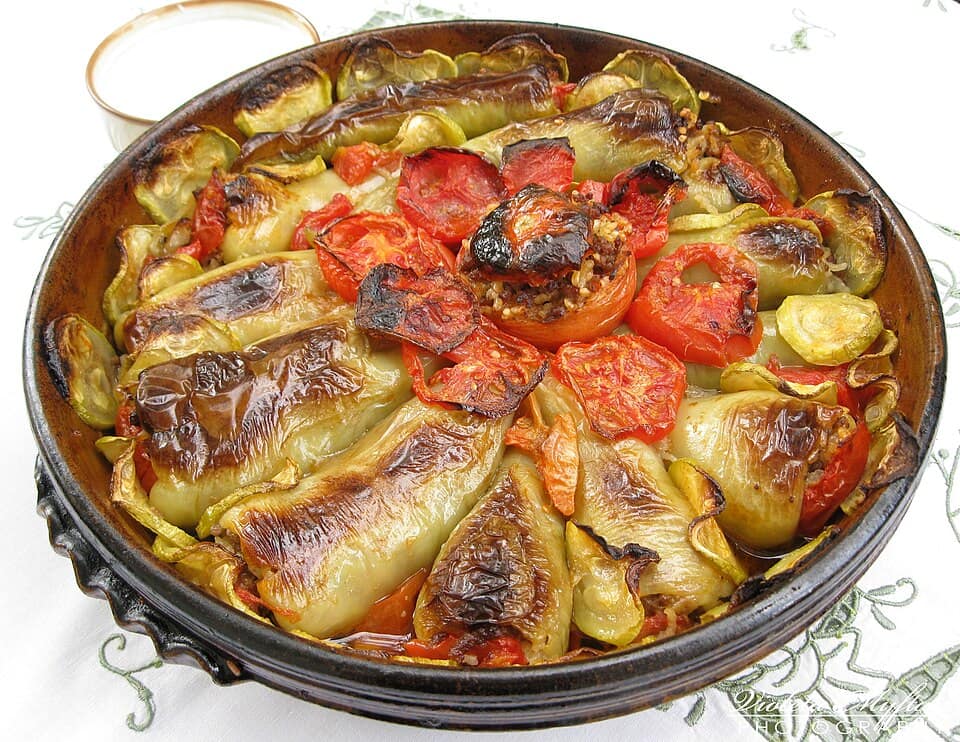
- Gemista
- Fasolada
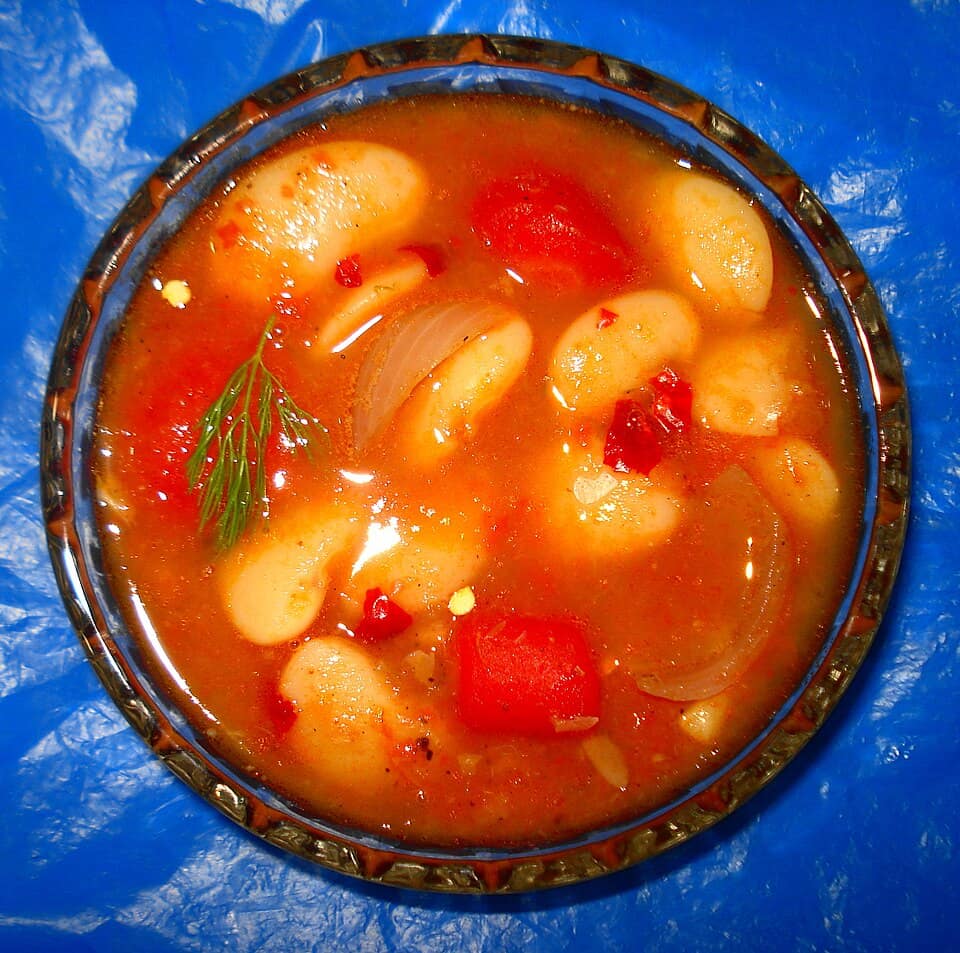
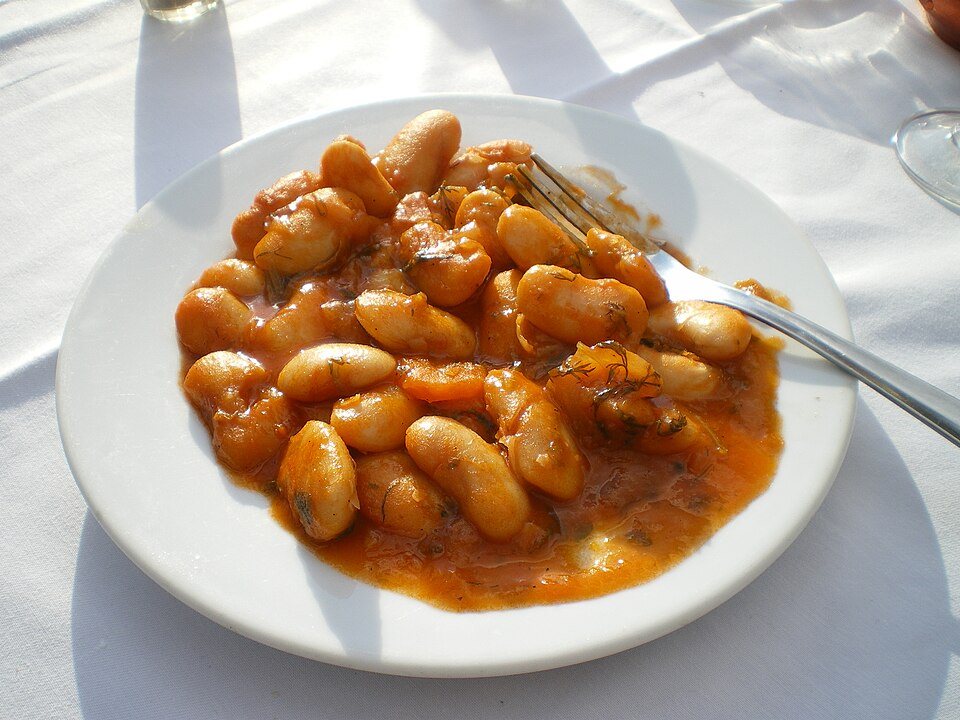
- Gigantes plaki
- Avgolemono soup
- Kleftiko
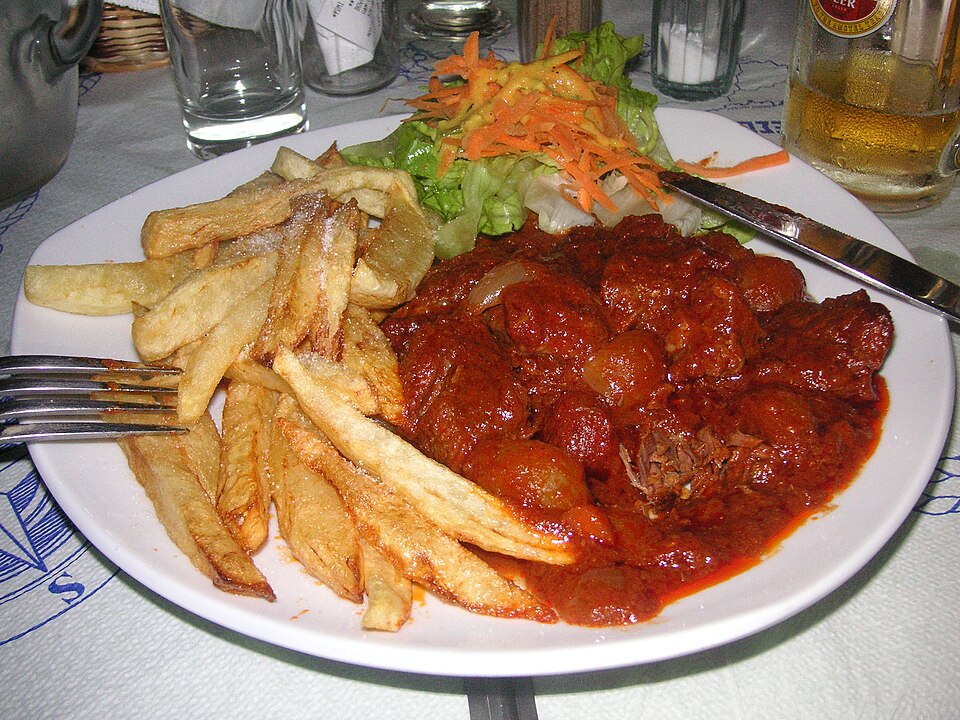
- Beef stifado
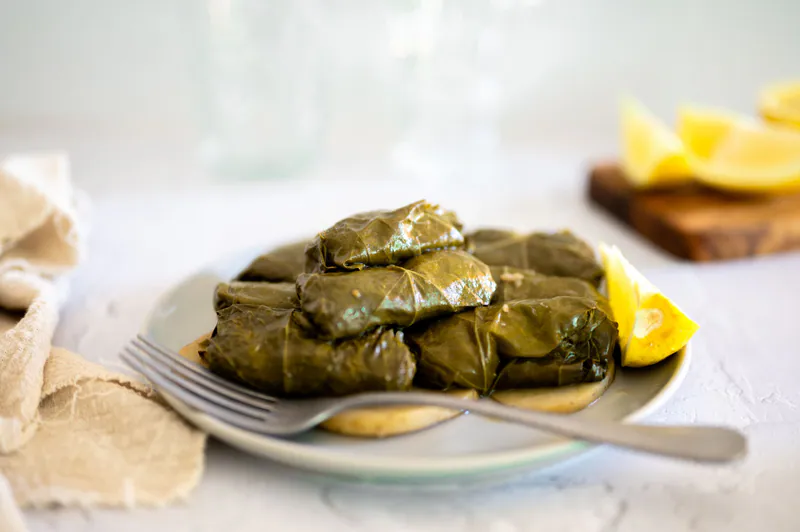
- Dolmadakia (rice-stuffed vine leaves)
- Loukoumades
- Galaktoboureko
Not on the site yet: Magiritsa (Easter soup), Halloumi (Cyprus), Dakos (Crete), Bougatsa (Thessaloniki)
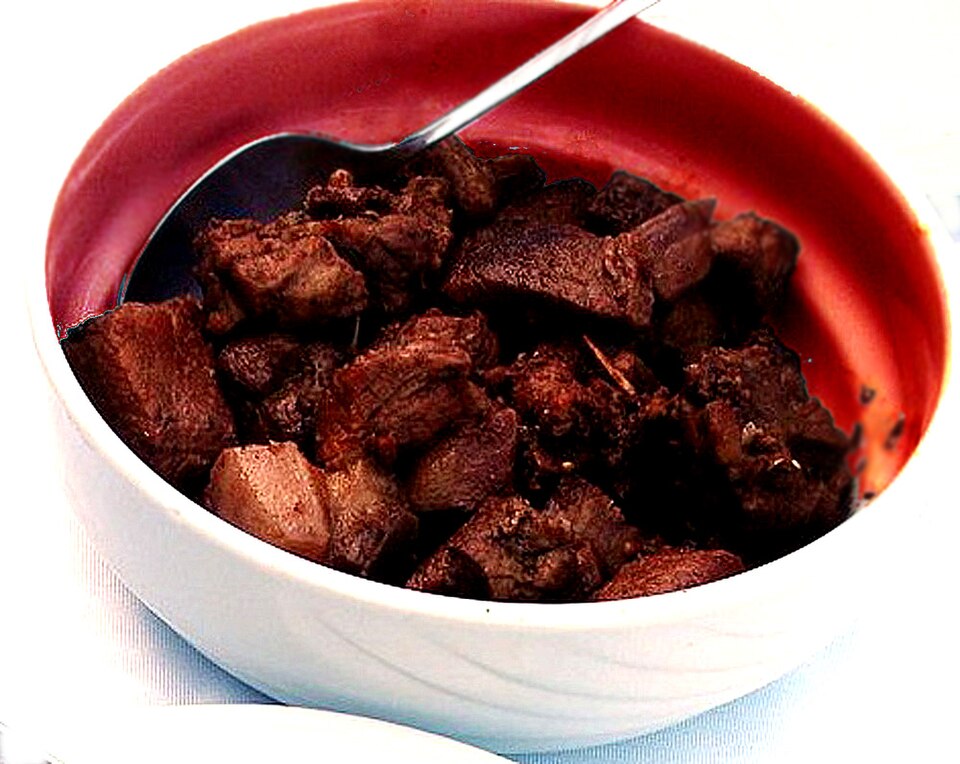
 Cypriot · 13 h 45 min · 695 kcal
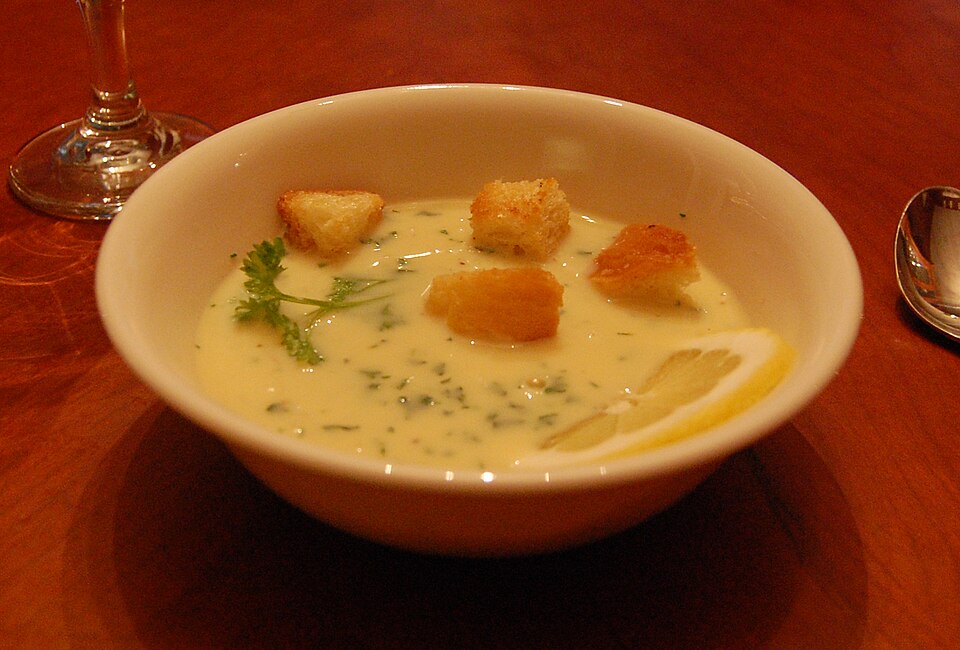
 Greek · 45 min · 367 kcal