
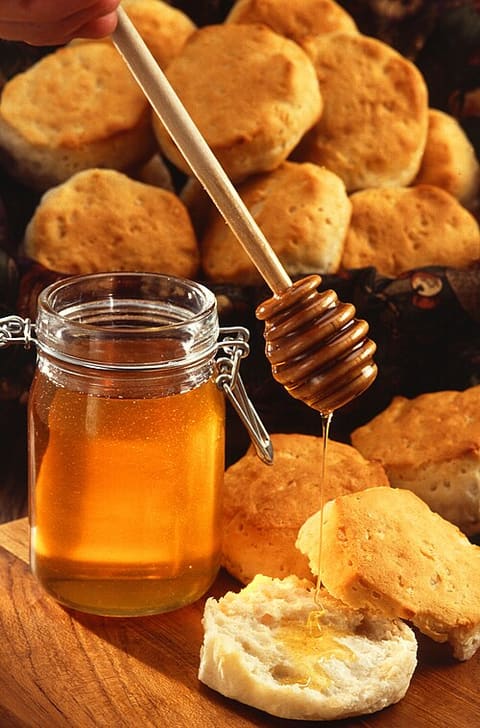
Sweeteners & chocolate · Syrups & honey
Honey
Sweet, viscous syrup made by bees from flower nectar; flavour and colour vary with the flowers.
Also called: raw honey, bal, shahad, miel
Photo: Scott Bauer, USDA ARS, via Wikimedia Commons (public-domain)
What it is
Honey is nectar concentrated and transformed by honeybees. Light honeys such as acacia or clover are mild; dark ones such as buckwheat or chestnut are strong and malty. Raw honey is not heated or finely filtered and often crystallises, which is natural and does not mean it has spoiled. It is sweeter than sugar, slightly acidic and browns quickly.
How it’s used
- Drizzling on yogurt, porridge and toast
- Baklava syrups and honey cakes
- Glazes for roast meats and vegetables
- Dressings and marinades
- Sweetening tea and drinks
Characteristics
- Taste
- Sweet, floral, varying by source.
- When cooked
- Browns faster than sugar in baking; slightly acidic, so it can activate baking soda.
- Sold as
- liquid
- Cooking uses
- Usually eaten raw, Mainly a seasoning, Suitable for baking
- Common in
- Greek, Turkish, Middle Eastern, Moroccan, French, Ethiopian, American, International
Storage
Pantry-stable. Tightly closed at room temperature; keeps for a very long time. Re-liquefy crystallised honey by standing the jar in warm water.
Diet, allergens and safety
No major allergens in typical versions.
- Vegetarian
- Vegan
- Dairy-free
- Egg-free
- Gluten-free
- Nut-free
- Soy-free
- Caffeine-free
- Never give honey to babies under 12 months because of the risk of infant botulism.
- Not vegan.
Nutrition per 100 g
- Energy
- 304 kcal
- Protein
- 0.3 g
- Carbohydrate
- 82.4 g
- Fat
- 0 g
- Fibre
- 0.2 g
- Sugars
- 82.12 g
USDA FoodData Central: Honey.
Substitutes
Optional — what works if you don’t have it, and how it changes the dish.
- Maple syrup — 1:1 in dressings and glazes; thinner and less sweet.
- Golden syrup — 1:1 in baking such as flapjacks; less floral.
Related ingredients
Recipes with honey
See all 52Banana milkshake
International · 5 min · 323 kcal · Vegetarian
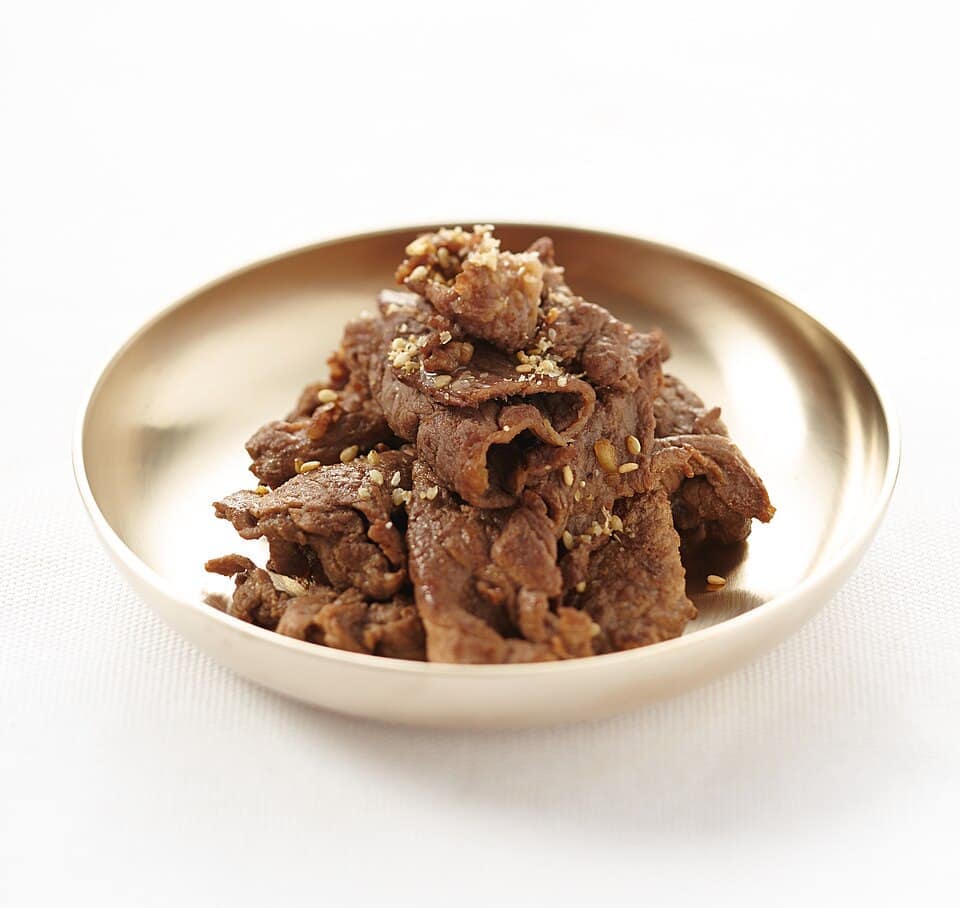
Beef bulgogi
 Korean · 55 min · 288 kcal
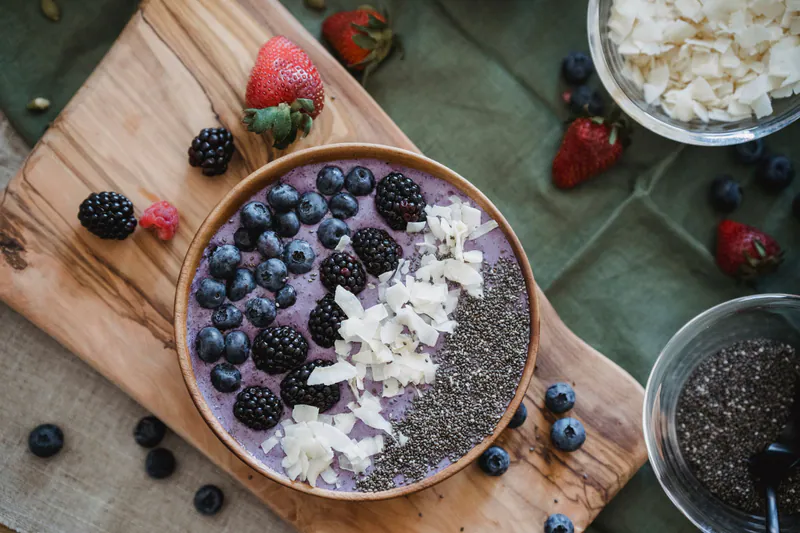
Berry Smoothie Bowl
International · 8 min · 260 kcal · Vegetarian
Bint al sahn
 Yemeni · 2 h 35 min · 474 kcal · Contains egg
Bircher muesli
 Swiss · 8 h 10 min · 372 kcal · Vegetarian
Castella (Nagasaki honey sponge)
 Japanese · 2 h 15 min · 150 kcal · Contains egg

Chamomile tea
International · 9 min · 0 kcal · Vegetarian
Char siu (Cantonese barbecue pork)
 Cantonese · 1 h 10 min · 392 kcal
Chebab
 Emirati · 1 h 15 min · 361 kcal · Contains egg
Chechebsa
 Ethiopian · 30 min · 453 kcal · Vegetarian
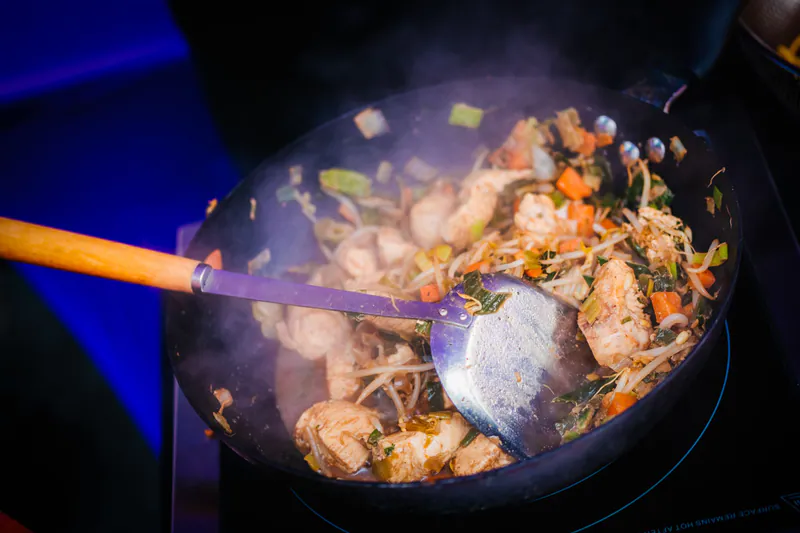
Chicken and Vegetable Stir-Fry
International · 25 min · 244 kcal
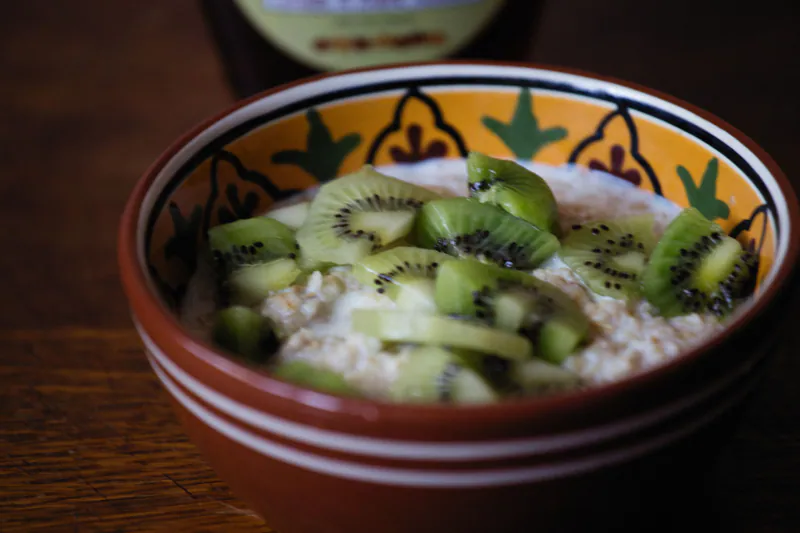
Classic Oat Porridge
International · 7 min · 230 kcal · Vegetarian
40 more
- Cơm tấm sườn nướng · Vietnamese
- Dorayaki · Japanese
- Feteer meshaltet · Egyptian
- Fry jacks · Belizean
- Ghapama · Armenian
- Greek Yogurt Berry Parfait · International
- Grilled chicken salad · International
- Higher-protein Greek yoghurt bread · International
- Homemade Honey Nut Granola · International
- Honey cinnamon latte · International
- Honey mustard sauce · American
- Iced matcha espresso fusion · International
- Japanese curry rice · Japanese
- Korean fried chicken (yangnyeom) · Korean
- Lahoh · Djiboutian
- Lamb tagine with apricots · Moroccan
- Lemon Ginger Tea · International
- Lemon-Olive Oil Vinaigrette · Mediterranean
- Loukoumades · Greek
- Luqaimat · Gulf Arab
- Madeleines · French
- Matcha latte · Japanese
- Medialunas (Argentine croissants) · Argentine
- Msemen · Moroccan
- New York-style bagels · American
- Okonomiyaki · Japanese
- Peanut Butter Banana Toast · International
- Potica (walnut roll) · Slovenian
- Priganice (fried dough puffs) · Montenegrin
- Rooibos tea · South African
- Saenggang-cha · Korean
- Seeded multigrain loaf · British
- Simple Green Salad with Mustard Vinaigrette · International
- Sparkling pomegranate spritzer · International
- Strawberry banana smoothie · International
- Warm salmon and potato salad with dill-mustard dressing · International
- Wholegrain mustard · French
- Wholegrain sourdough tin loaf · International
- Wholemeal tin loaf · British
- Yakgwa (Korean honey cookies) · Korean
More syrups & honey
Syrups & honey
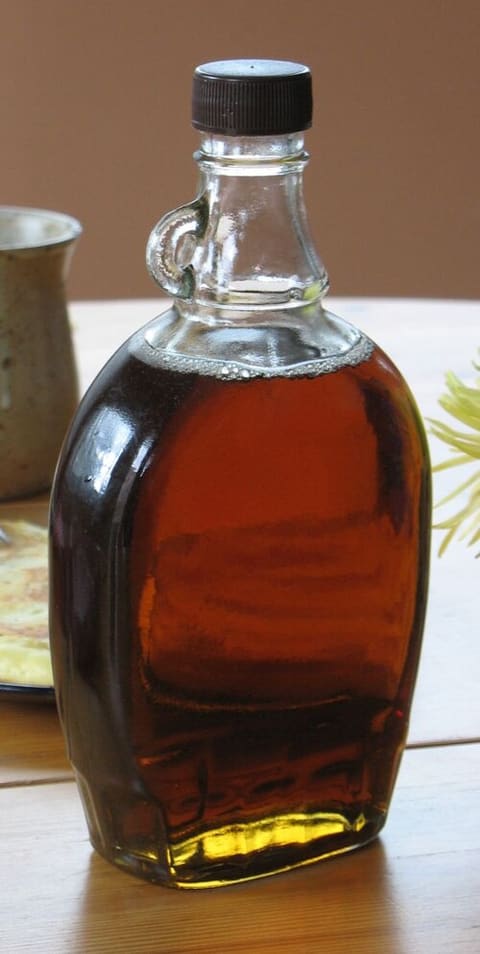
Maple syrup
Syrup boiled down from the sap of sugar maple trees; woody, caramel sweetness for pancakes and baking.
15 recipes
Syrups & honey
Agave syrup
Thin, mild syrup from the agave plant; dissolves easily in cold drinks and is sweeter than sugar.
1 recipe
Syrups & honey
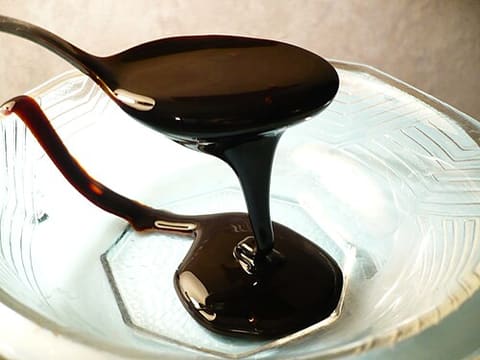
Molasses
Thick, dark syrup left from sugar refining; bittersweet and mineral. Also covers black treacle and grape pekmez.
9 recipes
Syrups & honey
Golden syrup
Thick, amber cane-sugar syrup with a buttery toffee taste; British staple for flapjacks and treacle tart.
9 recipes
Syrups & honey
Light corn syrup
Clear, mild glucose syrup from corn starch; prevents sugar crystallising in candies, frostings and pecan pie.
2 recipes
Syrups & honey
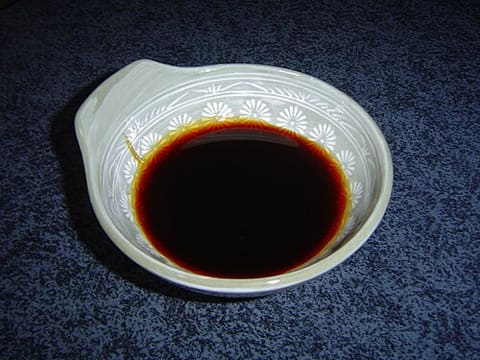
Date syrup
Dark, thick syrup extracted from dates; fruity, caramel-like sweetener used across the Middle East.
1 recipe