Italian · regional cuisine
Neapolitan and Campanian
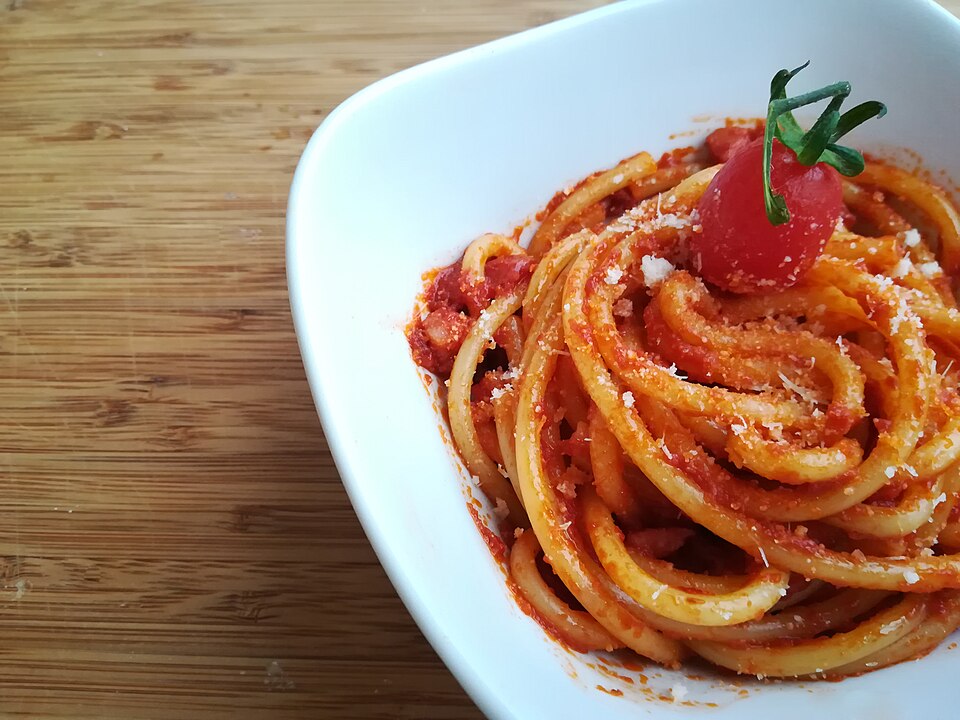
The cooking of Naples and Campania: pizza, buffalo mozzarella, San Marzano tomatoes, dried pasta from Gragnano, seafood and Baroque pastries.
Flavour character: Sun-ripe tomato sweetness, milky mozzarella, olive oil, garlic and chilli, briny seafood and lemon from the Amalfi coast.
History
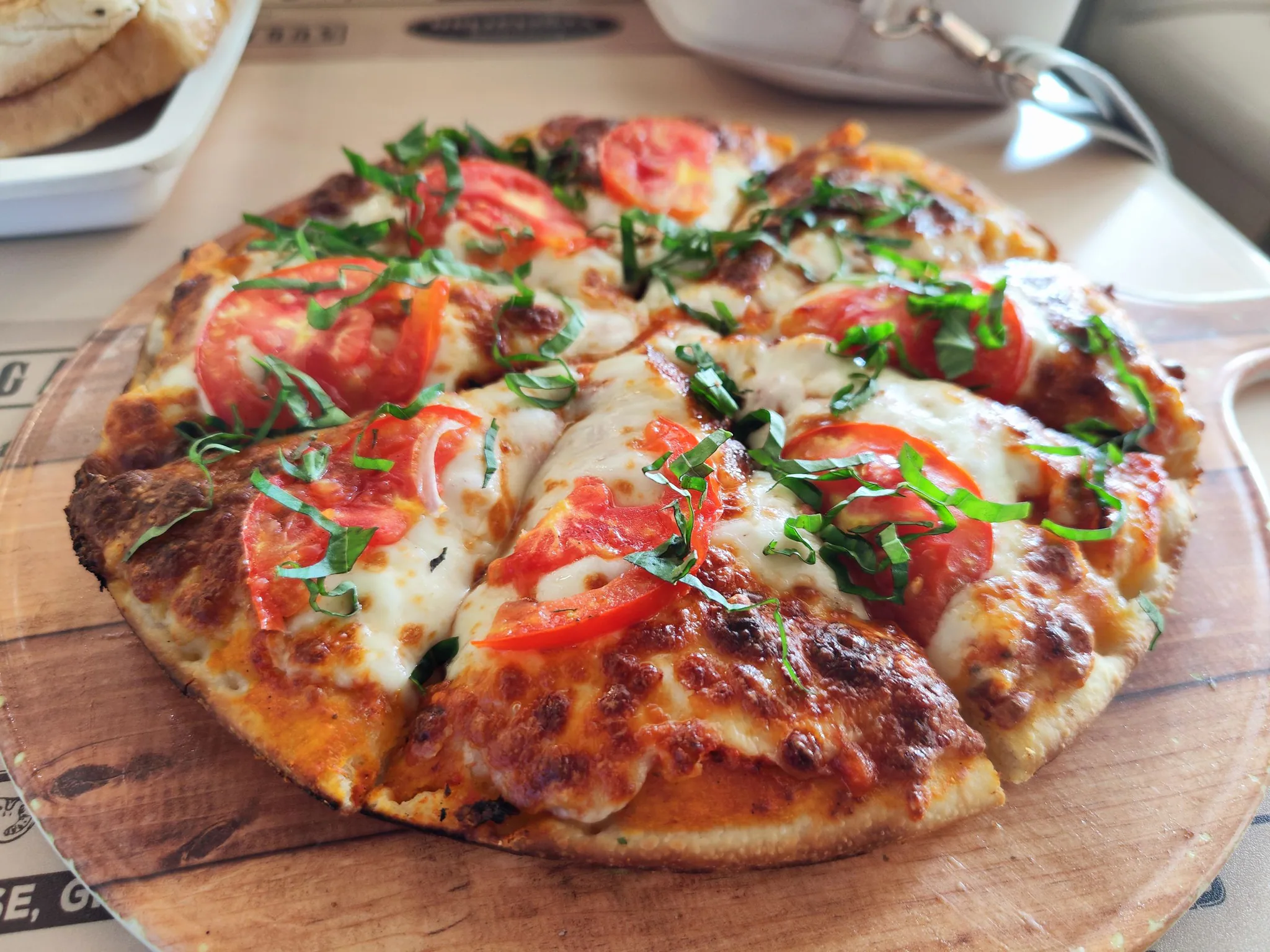
Naples was one of Europe's largest cities in the 17th and 18th centuries, and its poor were nicknamed 'mangiamaccheroni' (macaroni-eaters) for the dried pasta sold on its streets. Tomato sauces took hold here early, and pizza became a Neapolitan street food in the 18th and 19th centuries; the pizza margherita story linked to Queen Margherita's 1889 visit is a popular attribution. The art of the Neapolitan pizzaiuolo was inscribed by UNESCO in 2017. Mozzarella di Bufala Campana has a protected designation.
Commonly told; not firmly documented
Geography and influences
Volcanic soils around Vesuvius, the Bay of Naples, the Amalfi coast and the plains of Caserta and Salerno where water buffalo graze.
- Spanish and Bourbon rule
- French court cooks (monzù) in noble households
- Street-food culture of Naples
Regional variations
- Naples
- Pizza, street fry (frittatine, pizza fritta), ragù and pastries.
- Amalfi coast and Sorrento
- Lemons, seafood, gnocchi alla sorrentina.
- Inland (Irpinia, Benevento)
- Mountain cooking with lamb, cheeses and pulses.
Festive and seasonal food
- Pastiera at Easter
- Insalata di rinforzo, fried salt cod and struffoli at Christmas
- Ragù simmered on Sundays
Signature dishes
- Pizza Margherita
- Spaghetti alle vongole
- Pasta alla puttanesca
- Insalata caprese
- Spaghetti aglio, olio e peperoncino
- Eggplant parmigiana
- Insalata di rinforzo
Not on the site yet: Ragù napoletano, Genovese (onion and beef sauce), Sfogliatella, Babà al rum, Pastiera, Limoncello (Amalfi coast)
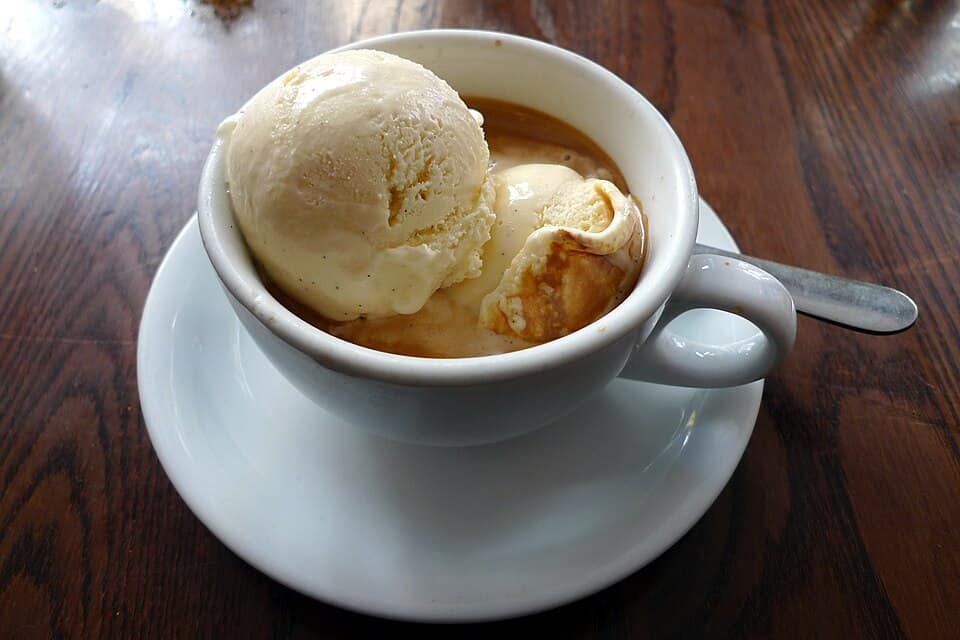
 Italian · 5 min · 137 kcal ·
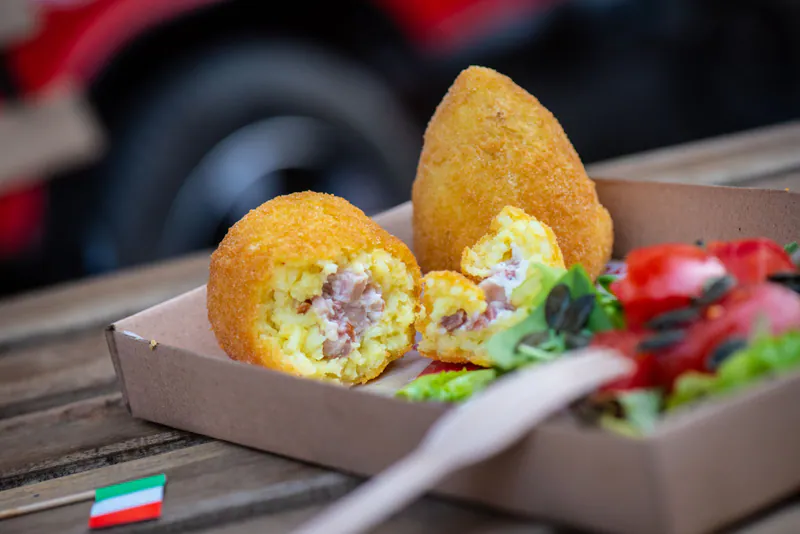
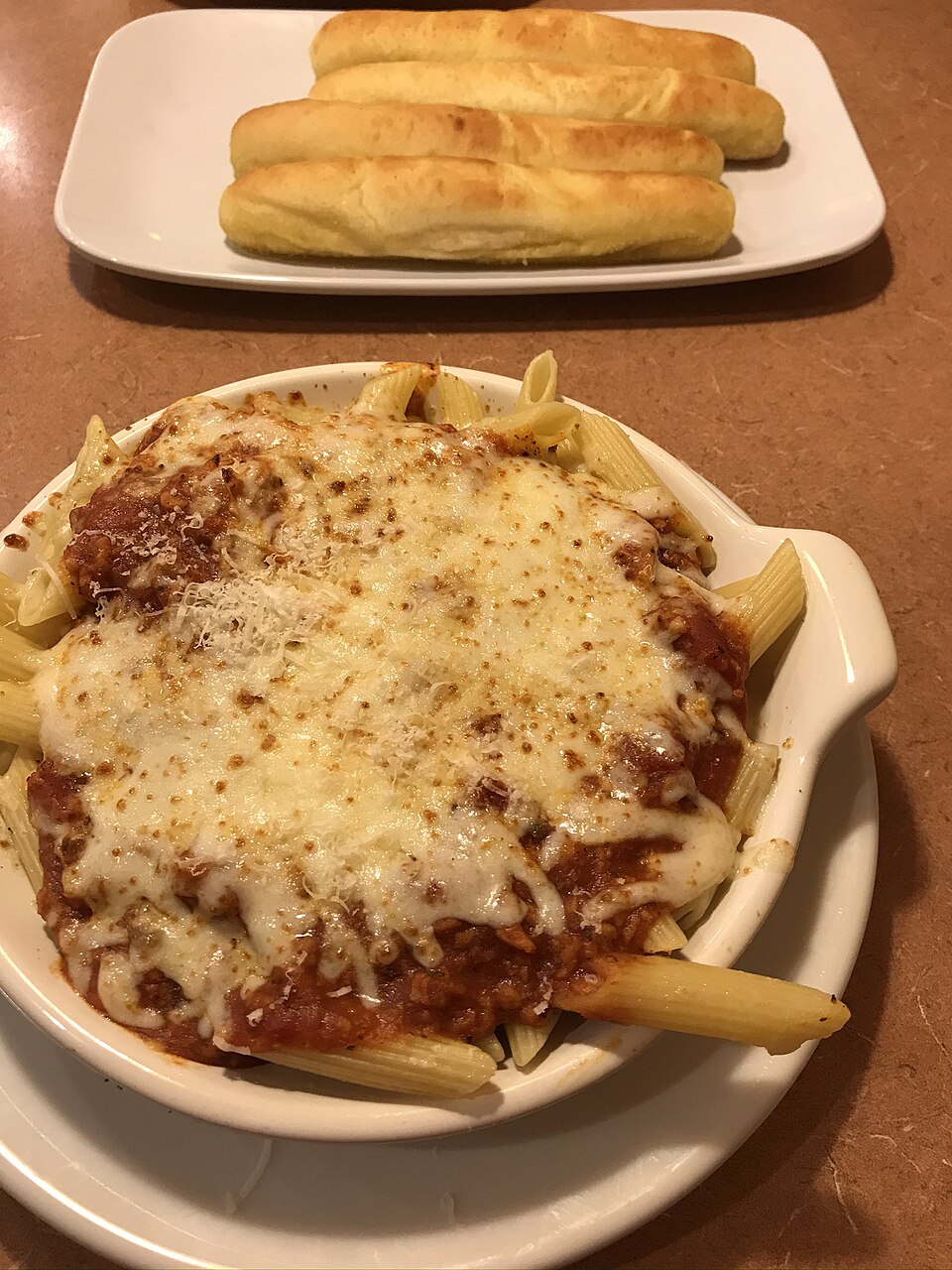
 American · 1 h 30 min · 487 kcal
 French · 25 min · 115 kcal ·