Indian · regional cuisine
Bengali (West Bengal)
Rice and fish, mustard in oil and paste, panch phoron, poppy seed and a meal served in deliberate courses from bitter to sweet, ending with mishti and doi.
Flavour character: Pungent mustard (oil and freshly ground paste), the five-seed panch phoron, nutty poppy seed, green chilli, a light sweetness in many dishes (especially among Ghotis), and subtle garam masala of cardamom, cinnamon and cloves.
History
The saying 'machhe bhate Bangali' (fish and rice make a Bengali) reflects a delta diet of rice and river fish. A formal Bengali meal moves in courses: shukto (bitter), dal with bhaja (fries), vegetables, fish, meat, chutney, then sweets and doi. Bengali Hindu widows' cooking without onion, garlic or fish refined niramish (vegetarian) cookery. Chhena-based sweets grew in the 19th century; who first made the rosogolla is disputed between Bengal (Nobin Chandra Das, 1868) and Odisha, and both received separate GI tags. Wajid Ali Shah, the deposed Nawab of Awadh, settled at Metiabruz in Kolkata in 1856, and the Kolkata biryani with potato is commonly credited to his kitchen. Kolkata also absorbed Anglo-Indian, Armenian, Jewish and Chinese (Hakka) food.
Commonly told; not firmly documented
Geography and influences
The lower Ganges delta: rivers, ponds and paddy fields in the south, the Sundarbans mangroves, and the Himalayan foothills (Darjeeling) in the north.
- Hindu niramish (vegetarian) and ritual cooking
- Nawabi Murshidabad and Awadhi exiles in Kolkata
- Portuguese and British presence
- East Bengal (Bangal) refugees after 1947
- Kolkata's Chinese, Jewish and Armenian communities
Regional variations
- Ghoti (West Bengal origin)
- Sweeter dishes, a famous love of chingri (prawns), more poppy seed.
- Bangal (East Bengal origin)
- Hotter, more chilli and dried fish (shutki), devotion to ilish (hilsa); brought by families who moved west after 1947.
- Kolkata
- Biryani with potato and egg, kathi rolls, Mughlai paratha, Tangra Indo-Chinese, Anglo-Indian and Jewish bakeries.
- North Bengal and Darjeeling hills
- Nepali, Lepcha and Tibetan dishes: momos, thukpa, gundruk.
Festive and seasonal food
- Durga Puja: bhog khichuri, labra, payesh and Kolkata biryani
- Poush Sankranti (mid-January): pithe-puli such as patishapta and puli pithe with nolen gur
- Poila Baishakh (Bengali new year): feasts of fish and mutton and sweets
- Saraswati Puja: khichuri with kul (jujube) chutney
- Jamai Shashthi: elaborate meals for sons-in-law
Signature dishes
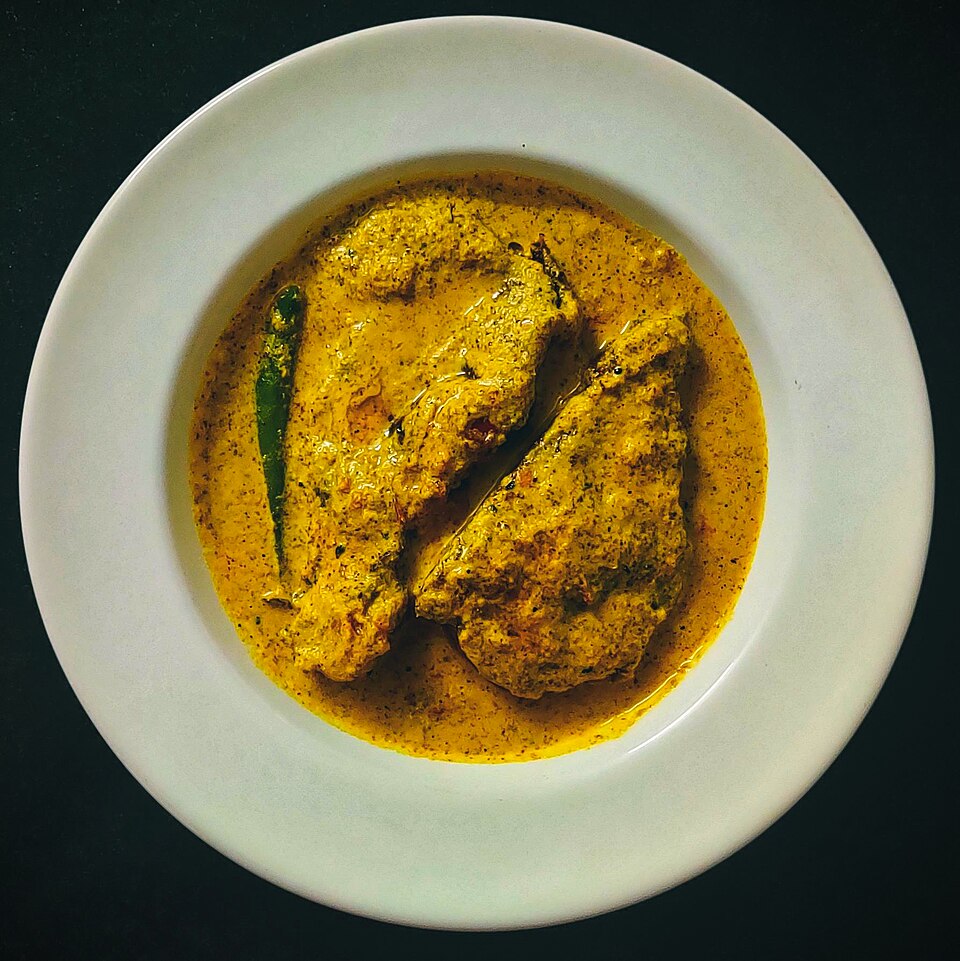
- Shorshe maach
- Macher jhol
- Kosha mangsho
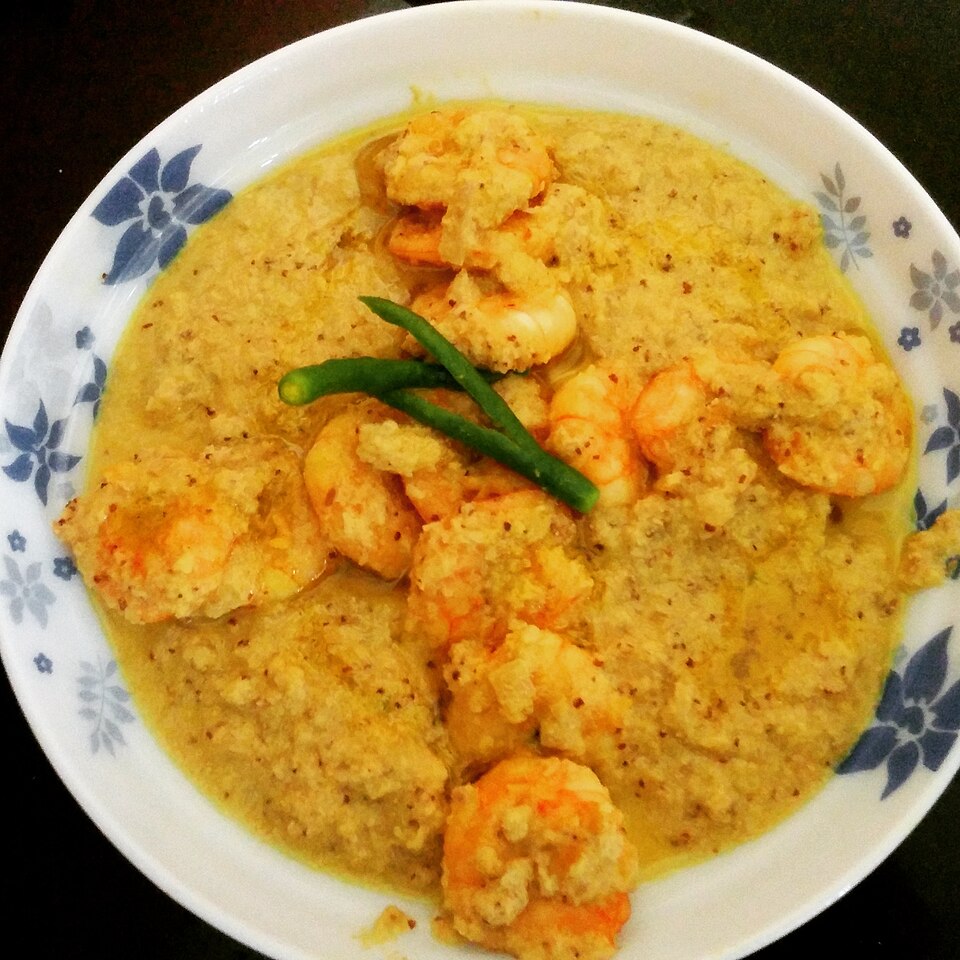
- Chingri malai curry
- Aloo posto
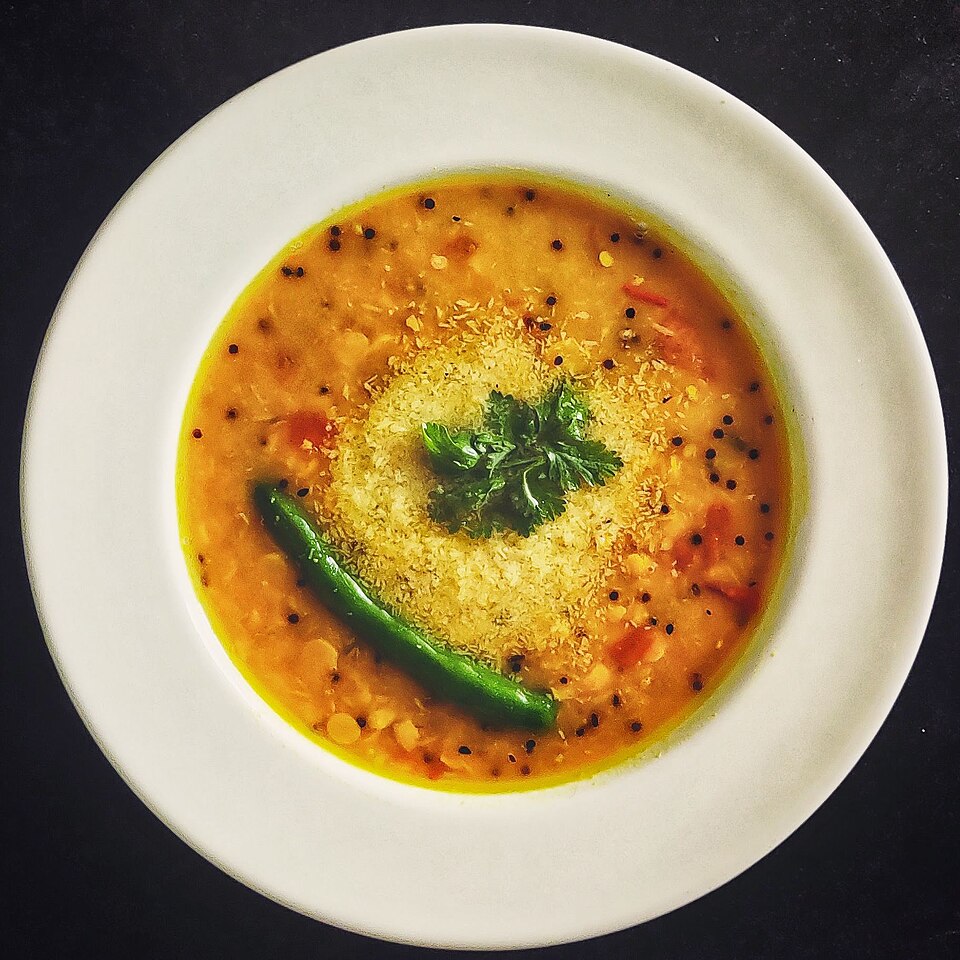
- Cholar dal
- Luchi
- Mughlai paratha
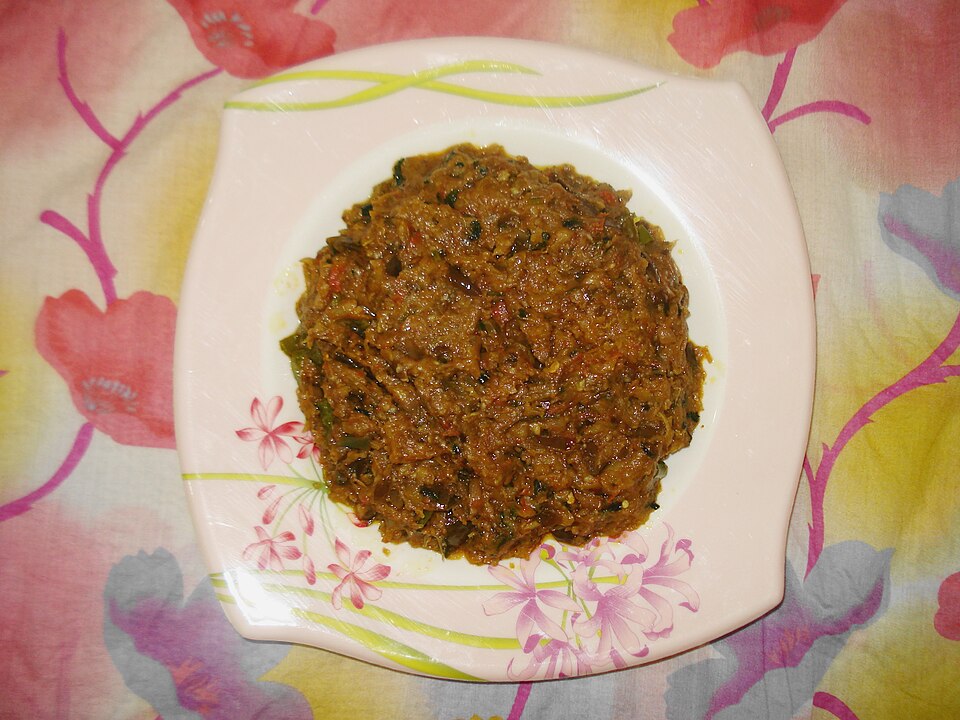
- Begun bhaja
- Chicken rezala
- Fuchka
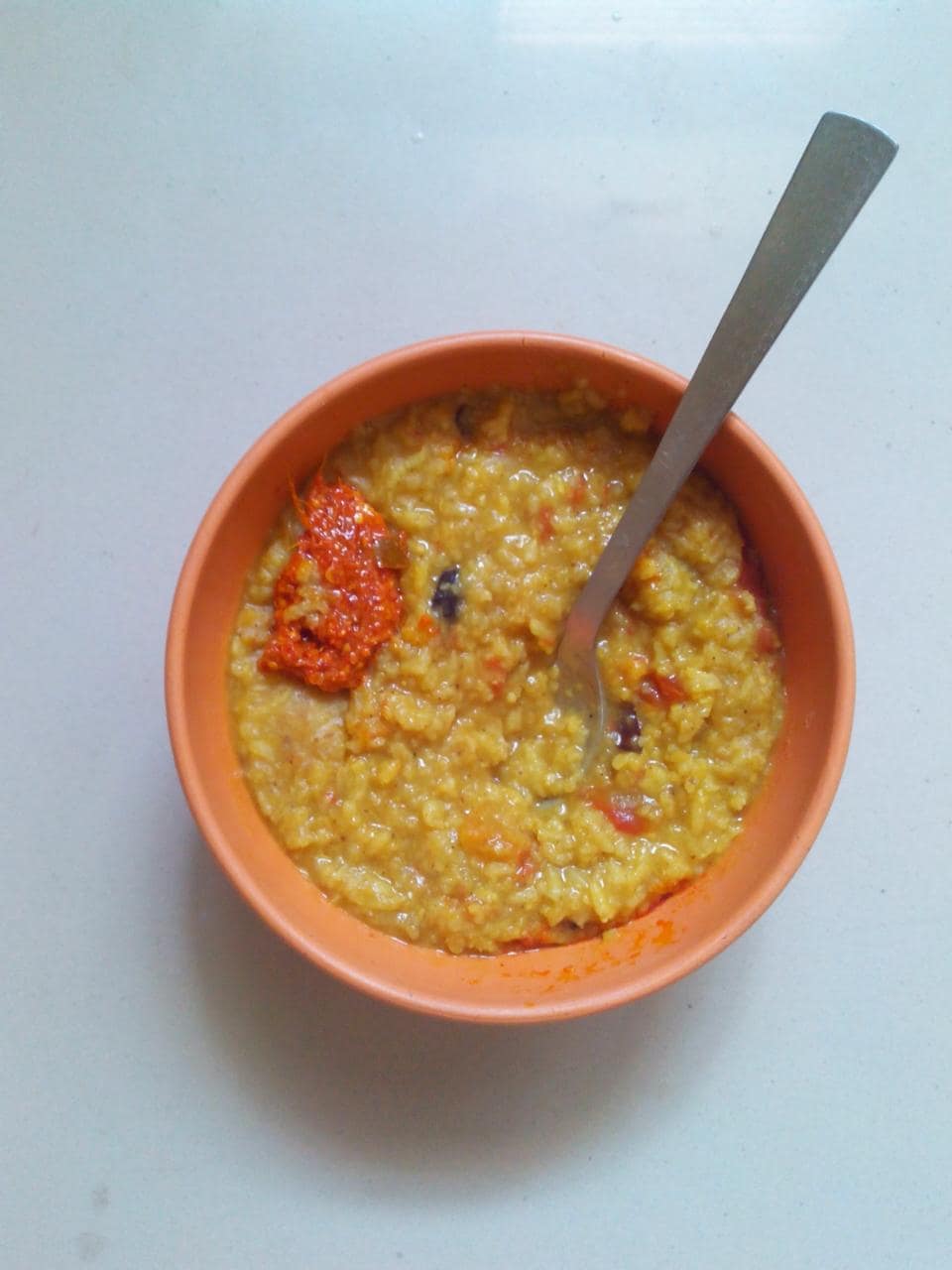
- Bhuna khichuri
- Rice kheer
- Bhapa pitha
- Talumein soup
Not on the site yet: Shukto, Ilish bhapa, Mochar ghonto, Dhokar dalna, Kolkata biryani, Kathi roll, Rosogolla, Sandesh, Mishti doi, Patishapta, Labra, Aloo dum, Telebhaja
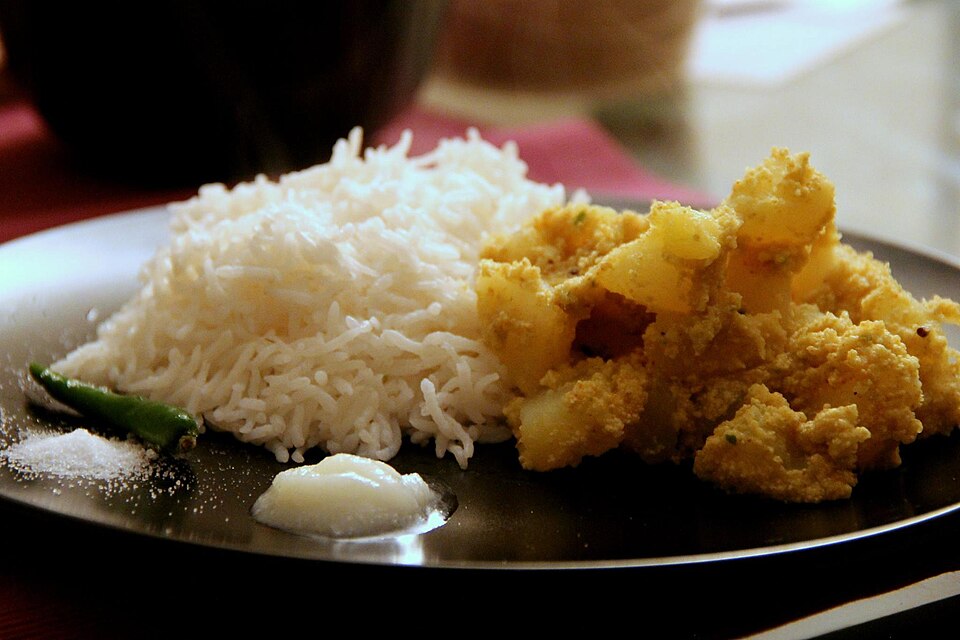
 Bengali · 1 h 5 min · 281 kcal ·
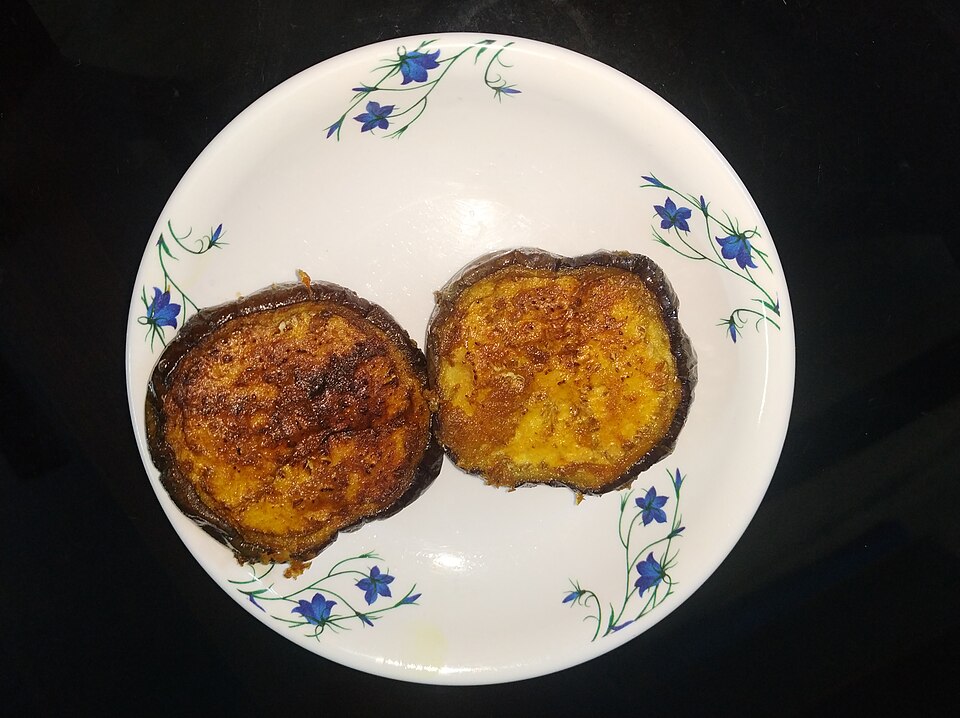
 Bangladeshi · 30 min · 107 kcal ·