
Bilahi pitika (Assamese roasted tomato mash)
Vegetarian
বিলাহী পিটিকা · bilāhī piṭikā
Flame-roasted tomatoes mashed with raw mustard oil, onion, green chilli, coriander and salt. Pitika is the Assamese family of mashes; this tomato one, often with a sliver of bhut jolokia, opens an everyday meal of rice, dal and fish tenga.
Bilahi pitika (Assamese roasted tomato mash) is an Indian condiment, ready in about 26 minutes and made with tomato and mustard oil. It serves 4 and is rated beginner to cook.
No licensed photograph of this dish yet.
- Prep
- 8 min
- Cook
- 8 min
- Rest
- 10 min
- Total
- 26 min
- Serves
- 4
- Level
- Beginner
- Calories
- 39
Method
Step 1
Wash and dry the tomatoes (opens in a new tab). Finely chop the onion (opens in a new tab), green chillies and coriander.
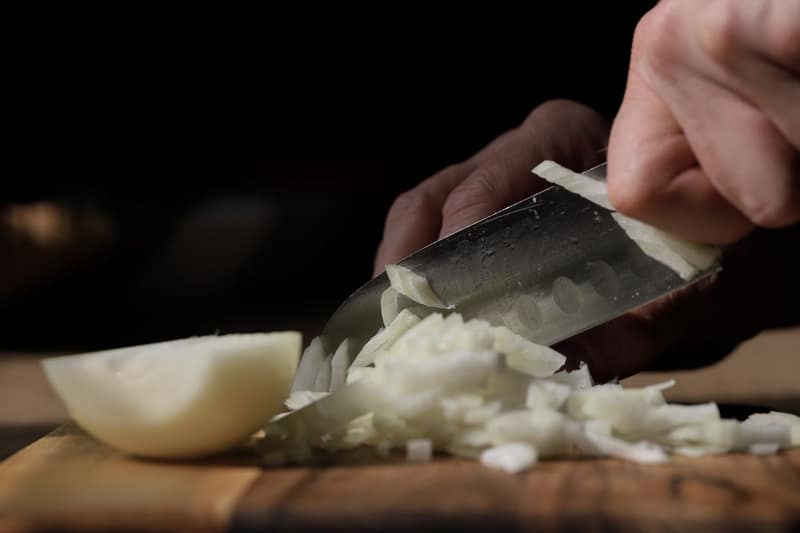
How it looks · Photo: Christina & Peter on Pexels Step 2
Roast the tomatoes (opens in a new tab) (and garlic (opens in a new tab), if using) directly over a medium gas flame or on hot coals, turning with tongs (opens in a new tab), for 6–8 minutes until the skin is blistered and blackened all over and the tomatoes are soft. Assamese cooks often roast them in the embers of a wood fire.
- 8 min
- medium heat
- Tongs (opens in a new tab)
Step 3
Cool in a covered bowl for 10 minutes, then slip off the skins and peel the garlic (opens in a new tab).
Step 4
Mash the tomatoes (opens in a new tab) (and garlic (opens in a new tab)) with your fingers or a fork. Mix in the onion (opens in a new tab), chilli, coriander, salt and raw mustard oil (opens in a new tab) until well combined. Taste and adjust salt and oil.
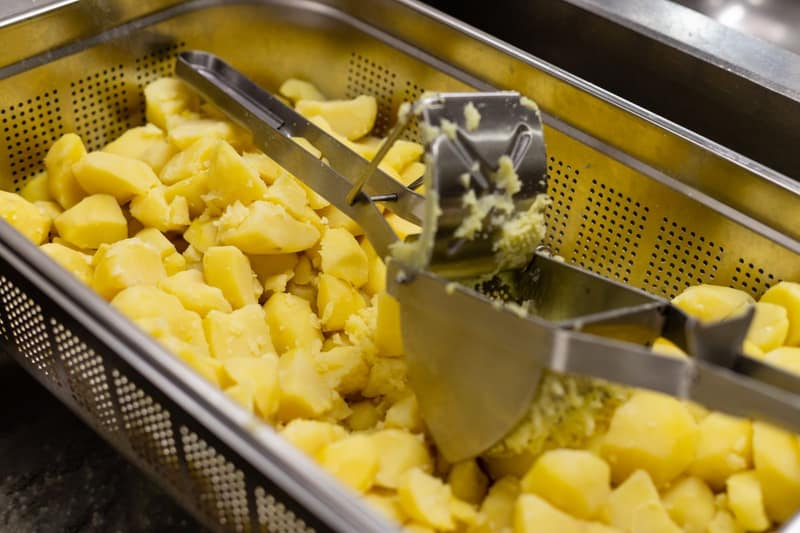
How it looks · Photo: Mateusz Feliksik on Pexels
About this dish
- Origin
- Assam, India · Commonly attributedPitika (mash) is a traditional Assamese category; the tomato version is a standard home preparation. Similar roasted tomato mashes are made across the North-East and in Bihar (chokha).More food from India
- Dish
- Lunch · Dinner · Condiments, chutneys & relishes · Side dishes
- Cooking method
- Grilled, Raw
- Taste
- smoky, tangy, spicy (chilli heat), fresh
- Diet
- Vegan · No gluten ingredients · Dairy-free · No nut ingredients · Low-carbWorked out from the ingredients. How labels work
All labels
Vegan · Plant-based · Vegetarian (lacto-ovo) · Eggetarian · Lacto-vegetarian · Ovo-vegetarian · Pescatarian · Flexitarian-friendly · Whole-food focused · Paleo-style · No gluten ingredients · Dairy-free · Egg-free · No nut ingredients · No added sugar · Alcohol-free · Pork-free · Beef-free · Low-carb · Low-fat · DASH-style - Good for
- Everyday · Budget-friendly
- Cook more with
- Tomato · Mustard oil · Onion · Green chilli · Coriander leaves
- Techniques
- Grilling · Charcoal grilling · Knife skills
Allergens
- Contains: Mustardfrom mustard oil
Based on typical versions of these ingredients and not verified allergen-free. Brands differ and cross-contact happens, so always check labels. For severe allergies, follow your clinician’s advice.
Nutrition
39 kcal per serving
Calculated1 serving ≈ 83 g · recipe makes 4
Where the energy comes from
- Protein 8%
- Carbohydrate 39%
- Fat 53%
| Nutrient | Per serving | Per 100 g |
|---|---|---|
| Energy | 39 kcal | 47 kcal |
| Protein | 0.8 g | 1 g |
| Carbohydrate | 4.1 g | 4.9 g |
| Net carbohydrate | 2.9 g | 3.5 g |
| Sugars | 2.5 g | 3 g |
| Added sugars | 0 g | 0 g |
| Fibre | 1.1 g | 1.4 g |
| Fat | 2.5 g | 3 g |
| Saturated fat | 0.3 g | 0.4 g |
| Trans fat | 0 g | 0 g |
| Cholesterol | 0 mg | 0 mg |
| Sodium | 296 mg | 359 mg |
| Salt equivalent | 0.7 g | 0.9 g |
Vitamins & minerals per serving
- Potassium
- 208 mg
- Calcium
- 12 mg
- Iron
- 0.3 mg
- Magnesium
- 10 mg
- Vitamin A (RAE)
- 39 µg
- Vitamin C
- 15 mg
- Vitamin D
- 0 µg
- Vitamin B12
- 0 µg
- Folate (DFE)
- 15 µg
How these numbers were made
- Calculated from USDA FoodData Central (SR Legacy) per-100 g values and the listed quantities.
- Optional ingredients are not included: garlic.
- “—” means the value isn’t known for enough of the ingredients; it is never zero by default.
- Values are estimates for guidance, not for medical dosing. U.S. Department of Agriculture, Agricultural Research Service. FoodData Central, 2019. fdc.nal.usda.gov.
Good to know
Tips
- Mashing by hand is traditional and gives the right rough texture.
- In winter, Assamese homes use sour local tomatoes; add a squeeze of lemon if yours are sweet.
Common mistakes
- Blending it smooth — pitika is a rough mash.
- Using refined oil instead of raw mustard oil.
Serve with
- Serve with rice, masoor dal and masor tenga (sour fish curry).
- Eat with khar dishes, or with alu pitika and begun pitika as a trio.
Food safety
- Eat the same day or refrigerate; it contains raw onion and spoils quickly.
Storage
- Best fresh; keeps 1 day in the fridge.
Variations
- Bilahi-maas pitika: Mashed with flaked roasted or fried fish.
- Begun-bilahi pitika: With roasted aubergine.
- Bilahi khar: A different dish: tomatoes cooked with khar (banana-ash alkali) as a light curry.
Original editorial recipe · FriendsPantry editorial · Not yet independently reviewed · Added · Updated
Goes with
Recipe DNA
How this dish is built
Make it milder, swap ingredients for your diet, change the batch size or thickness — the original stays as it is.
Customise in Sauce & DrizzleReviews & corrections
Reviews come from signed-in cooks and appear after a moderator checks them. We never show made-up ratings.
You might also like
Tomato chokha (Bihari roasted tomato mash)
 Indian · 30 min · 61 kcal · Vegan
Roasted tomato and king chilli chutney (Naga style)
Indian · 22 min · 19 kcal · VeganMasor tenga
Indian · 35 min · 211 kcal
Alu bhorta
 Bangladeshi · 30 min · 186 kcal · Vegan