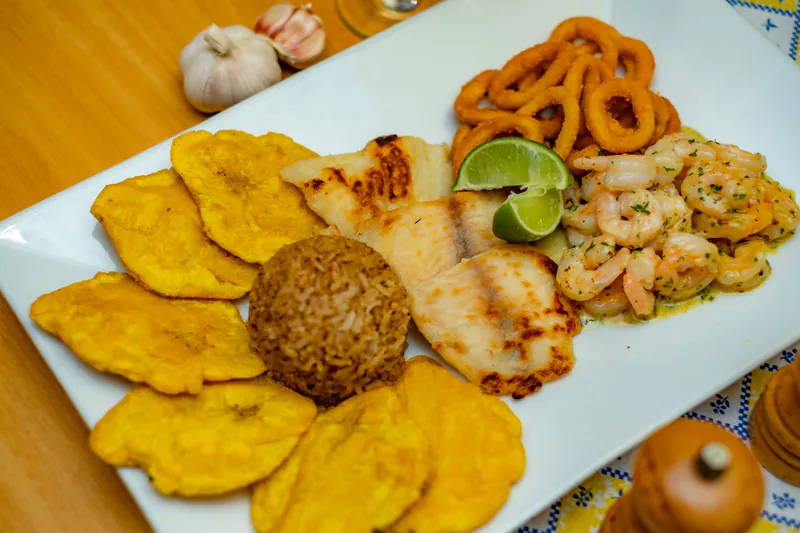
Heat and cooking · beginner
Smoke point of fats
The temperature at which a fat gives off visible smoke as it starts to break down; it varies widely with refining and use.
What happens
As fat is heated, small amounts of it break down into free fatty acids, glycerol and other compounds. At the smoke point these break down further and become visible as smoke, including acrolein, which irritates eyes and throat. Refined oils have most of their free fatty acids, proteins and other particles removed, so they smoke at higher temperatures (often roughly 220–250 °C). Unrefined and cold-pressed oils smoke lower. Butter smokes at about 150–175 °C because its milk solids burn, while ghee, with those solids removed, can be heated far higher. Each time oil is reused for frying its smoke point drops, because breakdown products accumulate.
Why it matters in the kitchen
Choosing a fat for searing, deep-frying or tadka is partly about how hot it can go before it smokes, burns and tastes acrid. Overheated oil also forms more breakdown compounds, and smoking oil is close to its flash point, where it can catch fire.
Temperatures and conditions
- Butter (milk solids brown, then burn) 150–175 °C
- Unrefined and virgin oils (varies widely) 160–210 °C · Includes extra virgin olive oil, virgin coconut oil and unrefined sesame oil.
- Deep-frying range 160–190 °C
- Refined vegetable, sunflower, peanut oils 220–250 °C
- Ghee and clarified butter 230–250 °C
In practice
- Tadka in ghee or oil for dal.
- Searing in a refined oil and adding butter only at the end for flavour.
- Mustard oil traditionally heated until it just begins to haze, to mellow its sharpness, before cooking.
- Brown butter (beurre noisette), where the milk solids are browned on purpose and stopped before burning.
Myths and facts
Myth: Each oil has one fixed smoke point.
Fact: Published figures vary by tens of degrees for the same oil, depending on how refined it is, its age, its free-fatty-acid content and how it was tested. Treat any single number as a rough guide.
Myth: You should never cook with extra virgin olive oil.
Fact: Its smoke point is lower than refined oils but well above normal sautéing temperatures, and its antioxidants make it fairly stable. It is fine for most pan cooking; for very hot searing or deep-frying a refined oil is a better choice.
Myth: Adding oil to butter stops the butter burning.
Fact: The milk solids in butter still burn at the same temperature; the oil only dilutes them slightly. Use ghee or clarified butter for high heat.
Use it to cook better
- For searing and stir-frying, use a refined oil, ghee or another fat with a high smoke point.
- Keep deep-frying oil at 160–190 °C with a thermometer; if it smokes, turn the heat down at once.
- Strain and store reused frying oil covered and away from light, and discard it when it darkens, smells off, foams or smokes at normal frying temperatures.
- For a tadka, heat the fat until it shimmers and a test seed sizzles immediately; don't wait for smoke.
- Never leave hot oil unattended. If oil catches fire, turn off the heat and cover the pan with a lid or damp towel; never use water.
Going deeper
Smoke point, flash point (when vapour can ignite briefly, often well over 300 °C for fresh oils) and fire point (sustained burning) are separate measurements. Oxidative stability, how readily the oil reacts with oxygen when heated over time, depends on fatty-acid make-up and antioxidants, and doesn't track smoke point exactly. Oils high in polyunsaturated fats break down faster with repeated frying than those high in monounsaturated or saturated fats.
Ingredients it affects most
Techniques that rely on it
Worth double-checking
- Smoke-point figures differ widely between sources; treat the ranges as indicative, not exact.
- Mustard-oil heating practice and its smoke point vary with refining; no single figure is given.
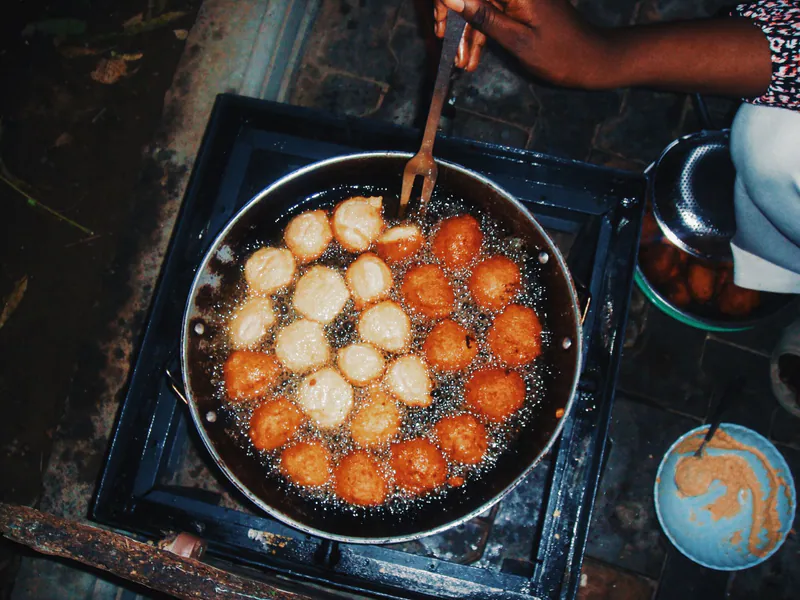
 Nigerian · 55 min · 338 kcal ·
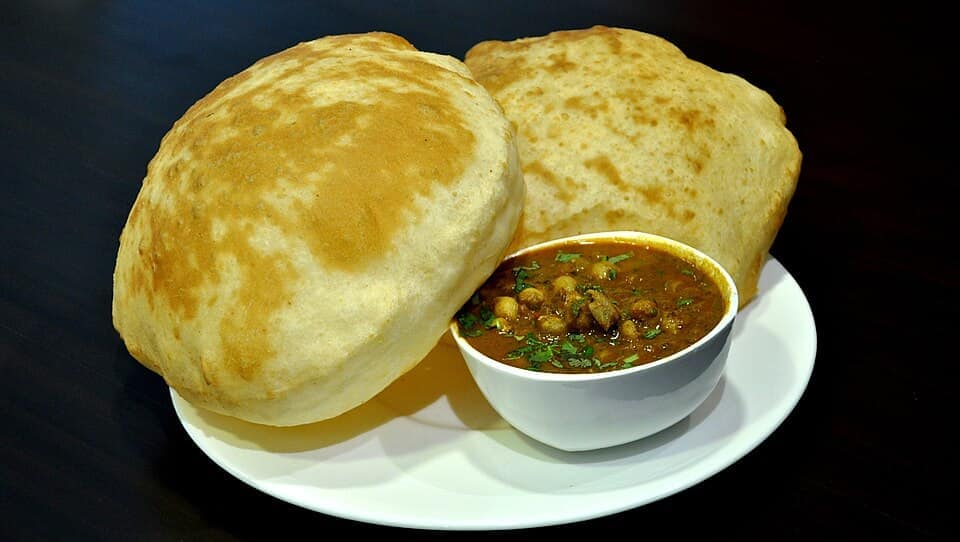
 Punjabi · 3 h 35 min · 727 kcal ·
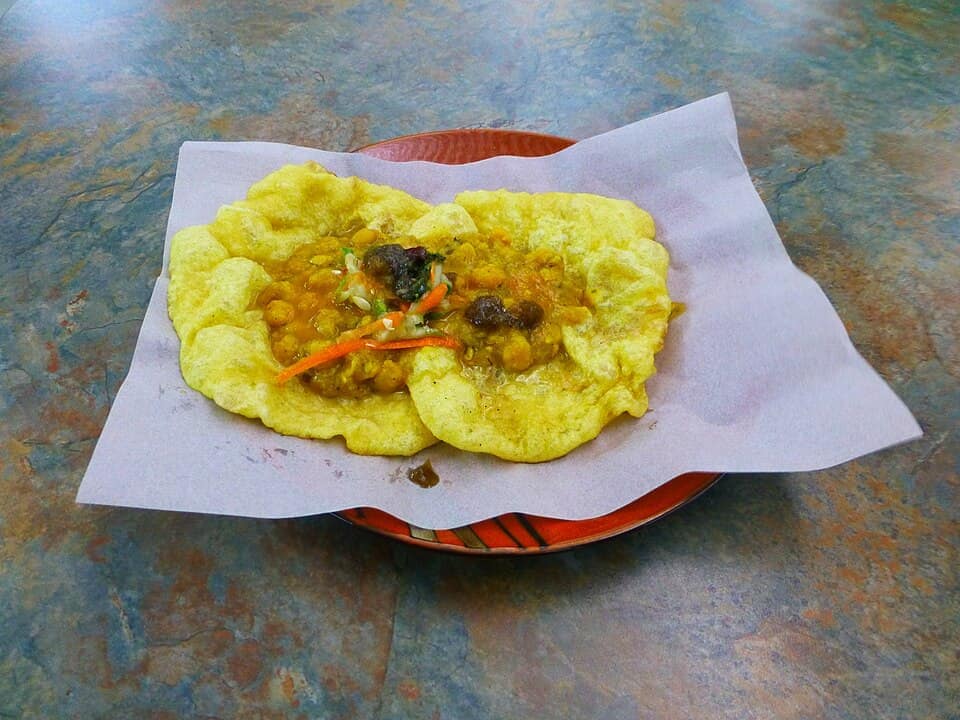
 Trinidadian · 2 h 35 min · 641 kcal ·
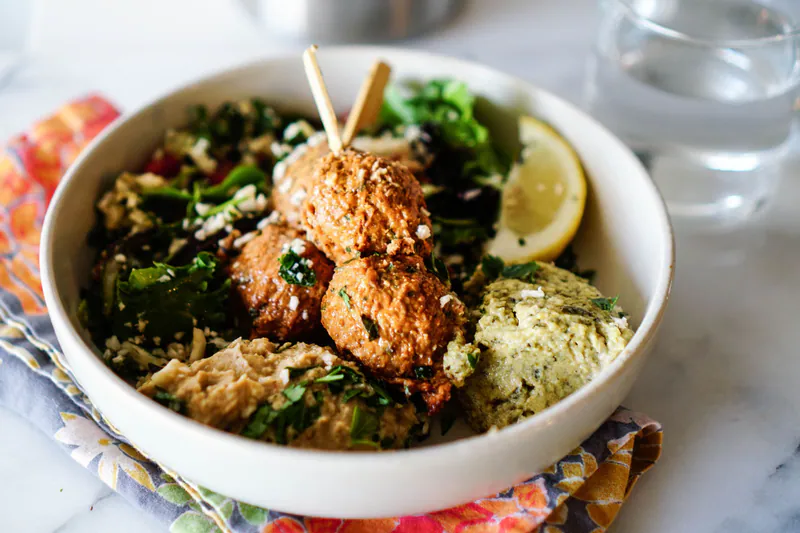
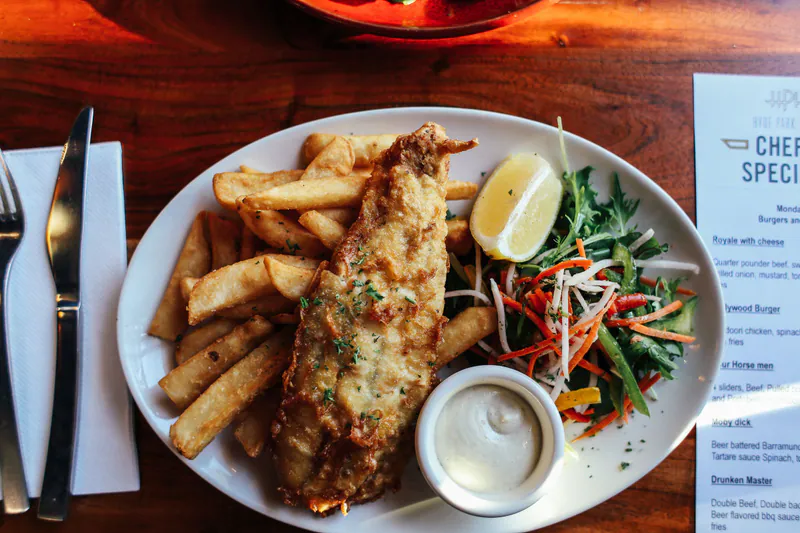
 British · 1 h 5 min · 1017 kcal
 Ghanaian · 45 min · 357 kcal ·
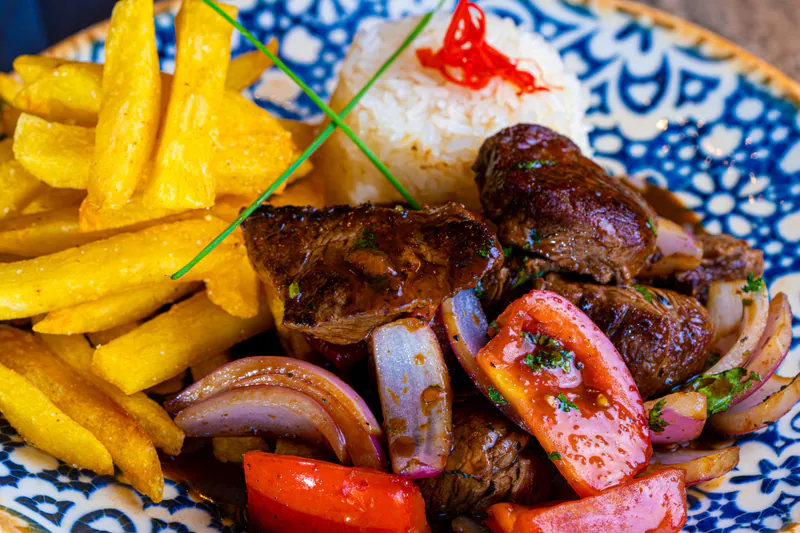
 Peruvian · 50 min · 447 kcal
 Filipino · 35 min · 338 kcal ·