
Ingredients and chemistry · beginner
Fats and oils
Fats carry flavour, transfer heat, tenderise doughs and add richness; whether they are solid or liquid changes what they can do.
What happens
Fats and oils are mostly triglycerides: three fatty acids attached to a glycerol backbone. Fatty acids that are saturated pack together neatly, so fats rich in them (butter, ghee, coconut oil, lard) are solid or soft at room temperature. Unsaturated fatty acids have kinks that keep them liquid (most vegetable oils). Fats don't dissolve in water but do dissolve many aroma compounds and colours, such as those from chillies, turmeric and many spices, which is why spices are bloomed in fat. In doughs, fat coats flour and limits gluten, making pastry and biscuits tender or flaky. Butter is about 80–82% fat with roughly 16% water and some milk solids; ghee is that fat with the water and solids removed.
Why it matters in the kitchen
The right fat at the right temperature decides whether a pastry is flaky, a tadka is fragrant, a curry carries its spices well and a fried snack is crisp rather than greasy.
Temperatures and conditions
- Coconut oil melts 24–26 °C
- Butter softens and melts 28–36 °C · Pastry dough must stay cool so the butter doesn't melt before baking.
- Ghee is liquid 30–40 °C · Solidity at room temperature depends on its fat composition.
- Frying temperatures 160–190 °C
In practice
- Tadka: whole spices and aromatics fried in hot ghee or oil to move their flavour into the fat.
- Flaky pastry and laminated doughs, where cold layers of butter separate sheets of dough.
- Moyan (fat rubbed into flour) for crisp, crumbly mathri, kachori and khasta puri.
- 'Oil separating' from a cooked masala, a sign that most water has evaporated.
Myths and facts
Myth: Oil in pasta water stops pasta sticking.
Fact: Oil floats on the surface and barely touches the pasta. Plenty of water and stirring in the first couple of minutes prevent sticking.
Myth: Low-fat cooking simply means using less oil with the same result.
Fact: Many aroma compounds in spices dissolve in fat, not water, so cutting fat too far mutes flavour. Using a small amount well, such as a tadka poured over at the end, gives more flavour per spoonful.
Myth: Ghee and butter behave the same way.
Fact: Ghee has no water or milk solids, so it doesn't spatter much, can be heated far higher and keeps longer, but it gives no steam for puff in pastry and no browned-milk-solid flavour unless those are cooked in during making.
Use it to cook better
- Keep butter and dough cold for flaky pastry and rest the dough in the fridge before rolling.
- Rub fat into flour until it looks like breadcrumbs for crisp, short textures; press a handful to see if it holds.
- Heat oil before adding whole spices so their aromatics move into the fat quickly; take the pan off the heat before ground spices go in, as they burn fast.
- Use a thermometer for frying: too cool and food soaks up oil, too hot and it burns outside before cooking inside.
- Store oils and ghee in the dark, sealed and cool to slow rancidity.
Try it at home
Which fats are solid?
You need: 1 tsp each of butter, ghee, coconut oil and a vegetable oil, 4 small saucers, A fridge
- Put each fat on its own saucer at room temperature and note whether it is solid, soft or liquid.
- Put all four saucers in the fridge for an hour and check again.
- Leave them out again and note which softens first.
What you’ll see: Fats rich in saturated fatty acids (coconut oil, butter, ghee) firm up in the cold; the vegetable oil stays liquid. Coconut oil changes most sharply, because it melts over a narrow range near 24 °C.
Going deeper
Fats with mixed fatty acids, like butter, don't melt at one point; they soften over a range, which gives butter its spreadable, plastic texture between about 15 and 30 °C. Fats can also crystallise in different forms (see crystallisation), which matters for chocolate and shortening. Monounsaturated-rich oils (olive, peanut, mustard) are more stable to heat and oxygen than polyunsaturated-rich ones (sunflower, soybean), while saturated fats are most stable but solid when cool.
Ingredients it affects most
Techniques that rely on it
Worth double-checking
- Butter composition minimums are set by law (often 80% fat); exact fat and water vary by country and brand.
- Melting ranges for butter and ghee depend on the animal's diet and season.
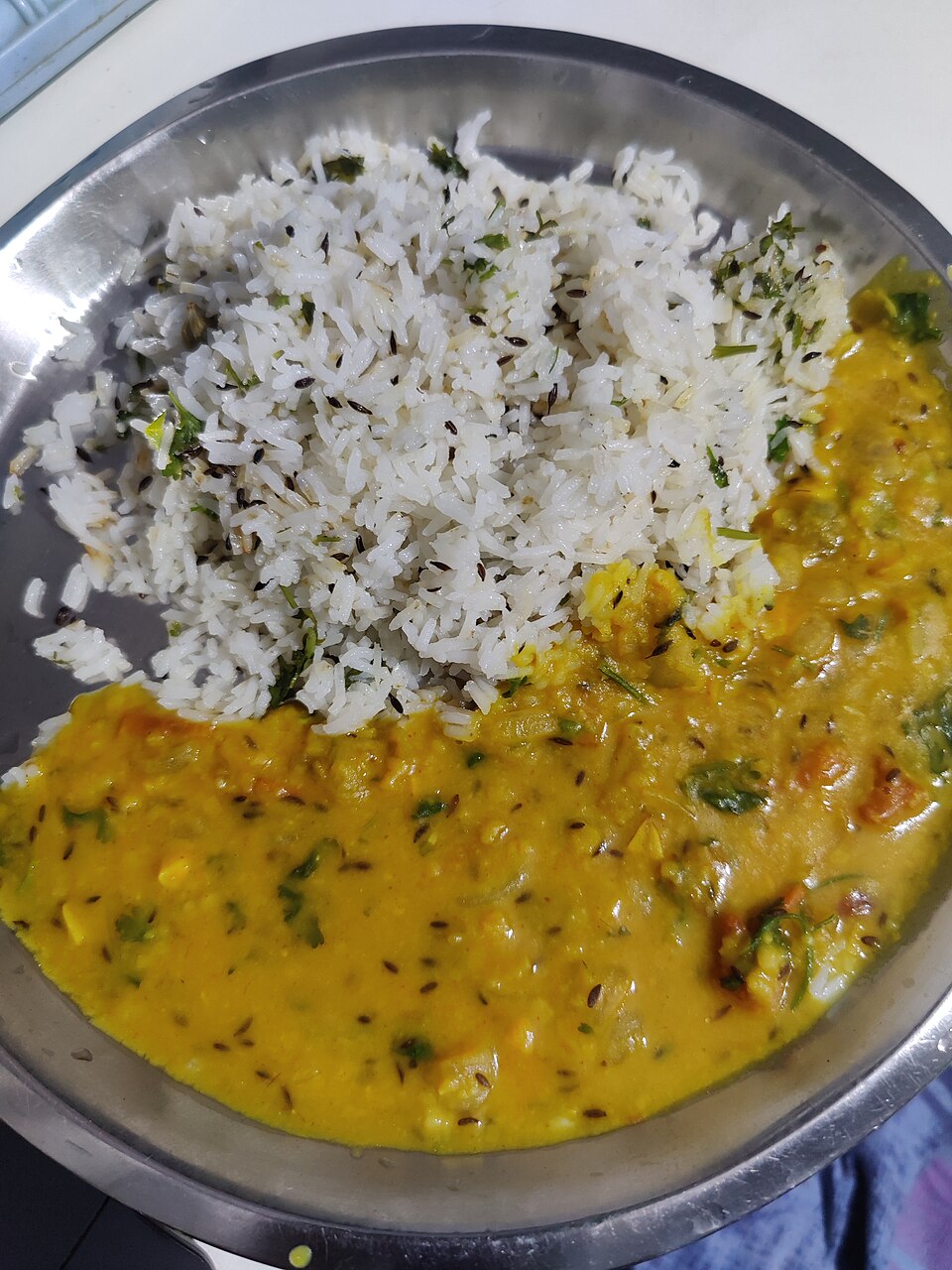
 Pakistani · 50 min · 568 kcal ·
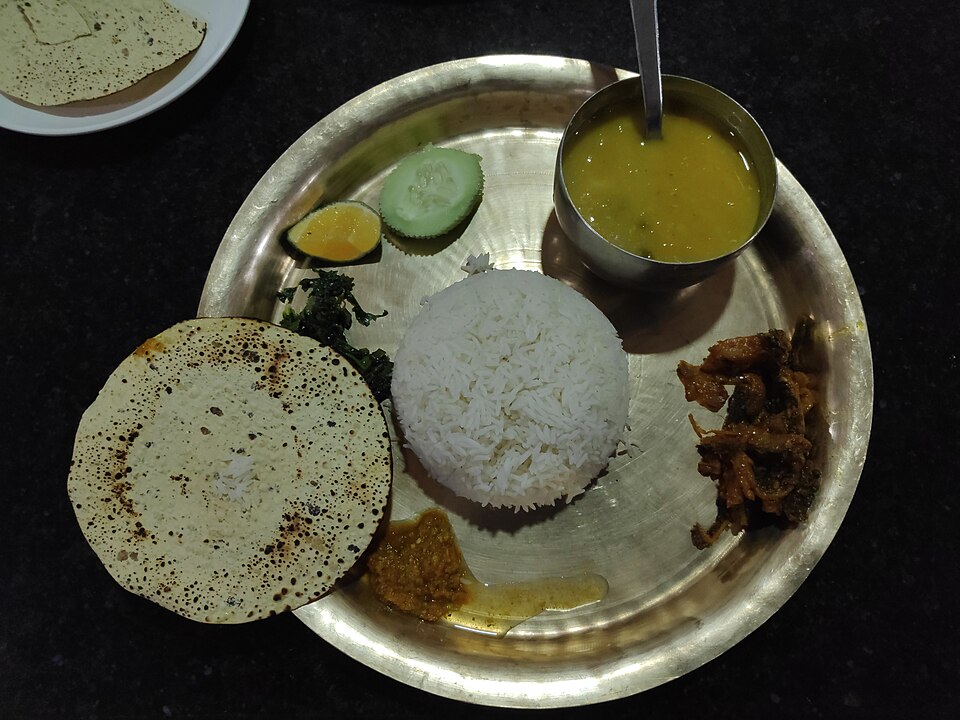
 Nepalese · 55 min · 631 kcal ·
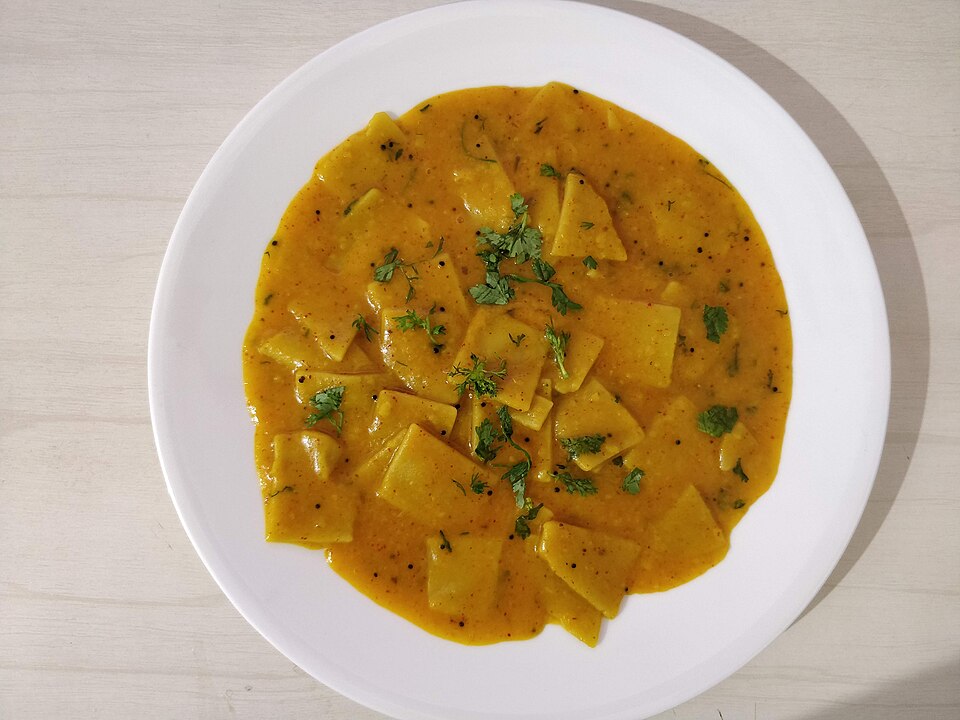
 Gujarati · 1 h 10 min · 368 kcal ·
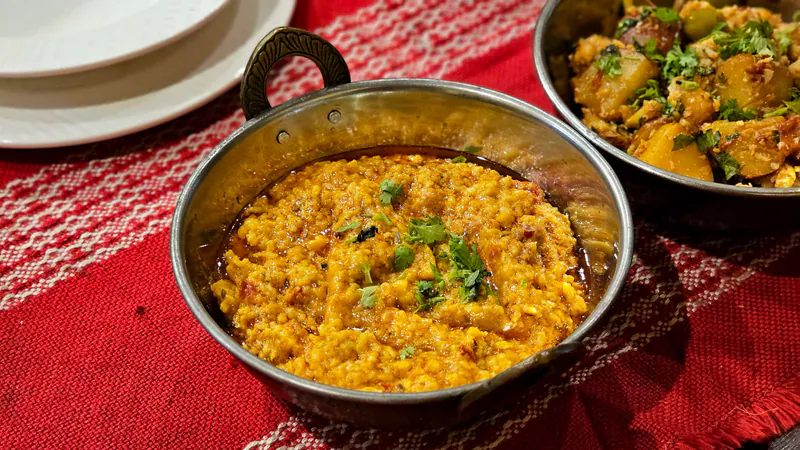
 Sri Lankan · 35 min · 362 kcal ·
 Turkish · 40 min · 328 kcal