
 Indonesian · Malaysian · Grills & kebabs
Ikan bakar (Indonesian grilled fish)
Non-vegetarian
Ikan bakar
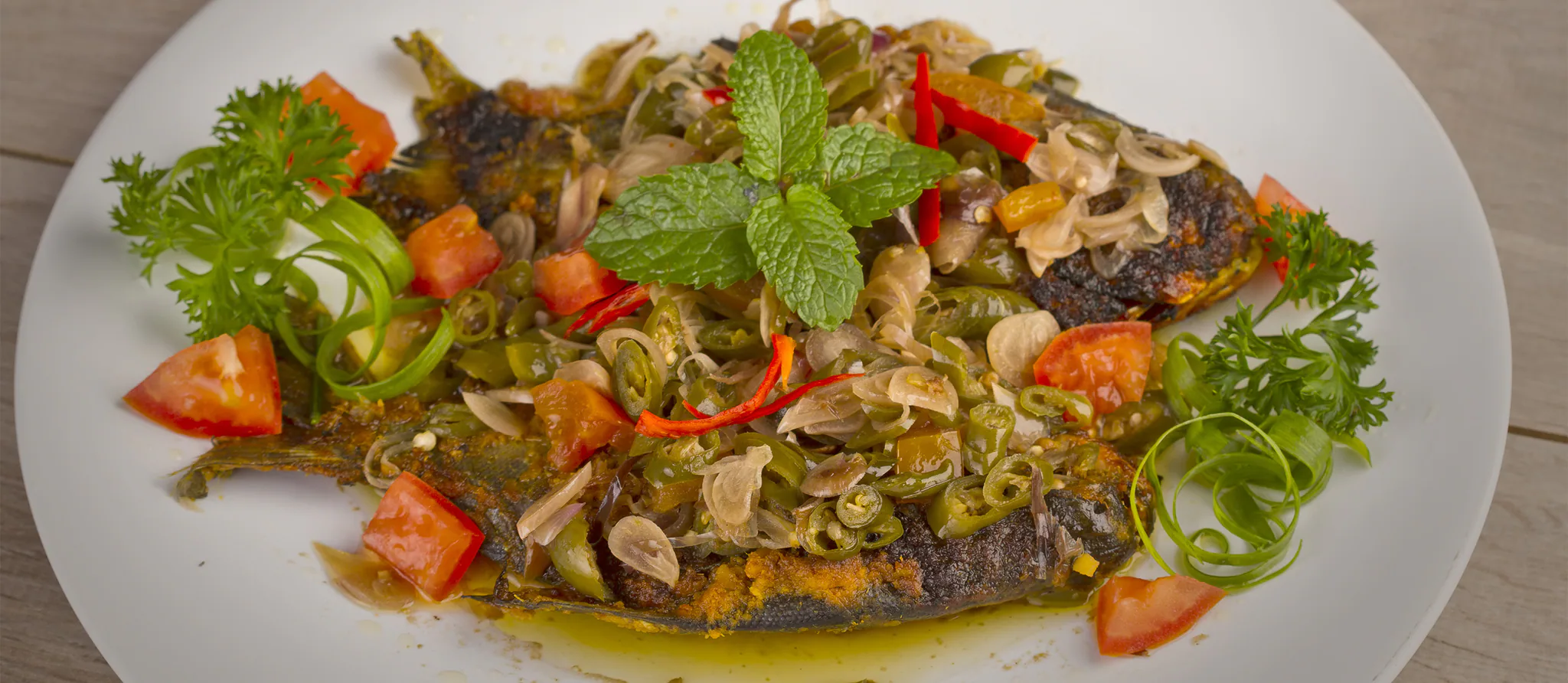
A whole fish rubbed with a pounded paste of shallots, garlic, chilli, candlenut, turmeric and lemongrass, then grilled over charcoal and basted with sweet soy until sticky and smoky. Ikan bakar simply means grilled fish, and every Indonesian coast has its own version, from the kecap-glazed fish of Java to the fiery, soy-free styles of Sumatra and Bali.
Ikan bakar (Indonesian grilled fish) is an Indonesian grilled dish, ready in about 1 hour 25 minutes and made with white fish fillet, fresh red chilli and kecap manis (sweet soy sauce). It serves 4 and is rated intermediate to cook.
- Prep
- 25 min
- Cook
- 30 min
- Rest
- 30 min
- Total
- 1 h 25 min
- Serves
- 4
- Level
- Intermediate
- Calories
- 410
Main ingredients
Ingredients
For the fish
For the spice paste
For the basting glaze
Method
Fish
12 minStep 1
Rinse the fish and pat dry. Cut 3 deep diagonal slashes on each side down to the bone. Rub inside and out with the lime juice (opens in a new tab) and salt and leave for 10 minutes.
Food safety: Buy fish with clear eyes, red gills and a clean sea smell, keep it chilled until cooking, and cook until the flesh is opaque and flakes from the bone (63 °C).
Spice paste
17 minStep 2
Pound or blend the shallots (opens in a new tab), garlic (opens in a new tab), chillies, candlenuts (opens in a new tab), turmeric (opens in a new tab), ginger, galangal (opens in a new tab), coriander seeds (opens in a new tab), shrimp paste (opens in a new tab) and lemongrass (opens in a new tab) to a fairly smooth paste.
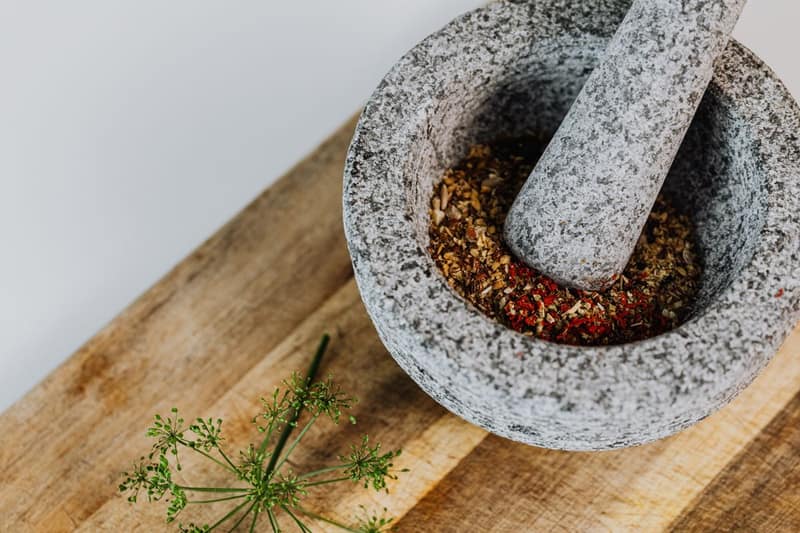
How it looks · Photo: https://kaboompics.com/ on Pexels Step 3
Fry the paste in the coconut oil (opens in a new tab) over medium heat, stirring, until it darkens slightly and smells sweet rather than raw, about 5 minutes. Let it cool a little.
- 6 min
- medium heat
- Frying pan / skillet (opens in a new tab)
Cooking the paste first gives a rounder flavour and stops raw shallot burning on the grill.
Step 4
Set aside a third of the paste. Rub the rest all over the fish, pushing it into the slashes and the cavity. Leave to marinate for 30 minutes.
- 3 min
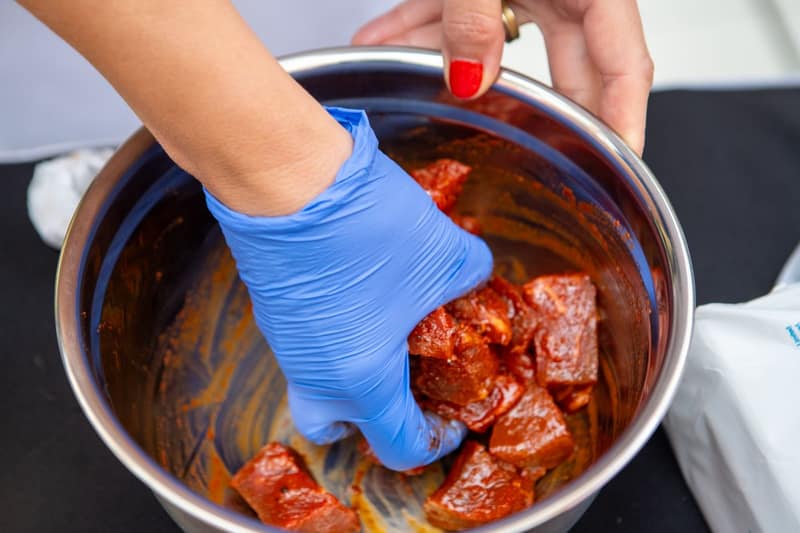
How it looks · Photo: Ip Photographer on Pexels
Basting glaze
29 minStep 5
Stir the kecap manis (opens in a new tab), tamarind paste (opens in a new tab), sugar and pepper (opens in a new tab) into the reserved paste to make the basting glaze.
- 2 min
Step 6
Light a charcoal grill and let it burn down to glowing coals with a layer of grey ash, or heat a gas grill to medium. Oil the grate well or lay the fish on banana leaf or in an oiled fish basket.
- 5 min
- medium heat
- Grill / barbecue (opens in a new tab)
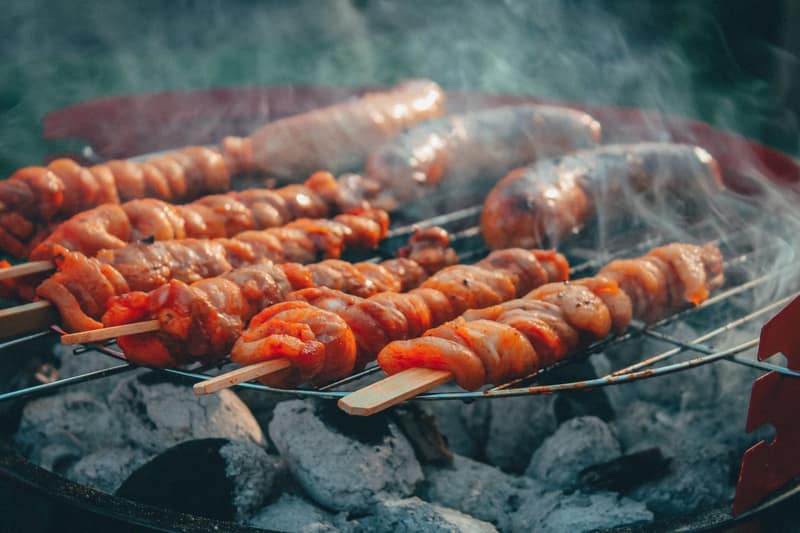
How it looks · Photo: Malte Luk on Pexels Step 7
Grill the fish for 8–12 minutes per side, depending on thickness, brushing with the glaze every few minutes and turning once only. It is done when the flesh at the thickest slash is opaque and lifts from the bone.
Kecap burns easily: baste more in the last few minutes and move the fish to a cooler part of the grill if it blackens too fast.
At a glance
1 · Fish in a pan
 White fish fillet
 Lime juice
 Salt
 Banana leaves
then pound
2 · Spice paste in a bowl
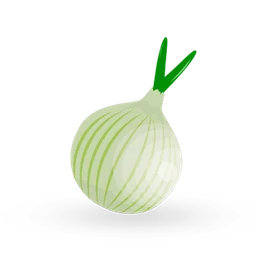 Shallot
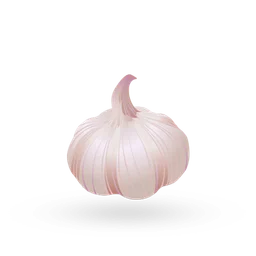 Garlic
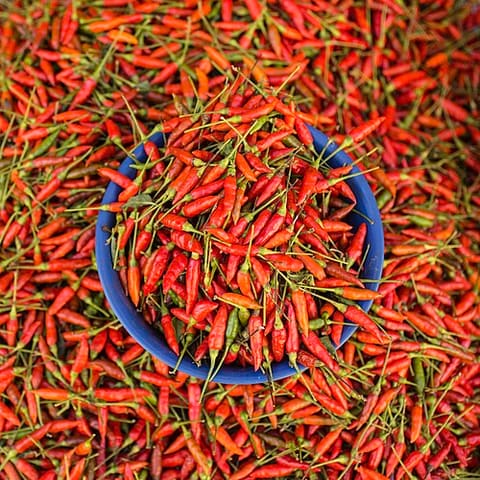 Fresh red chilli
 Candlenut
 Turmeric
 Fresh ginger
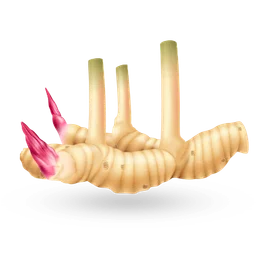 Galangal
 Coriander seeds
 Shrimp paste
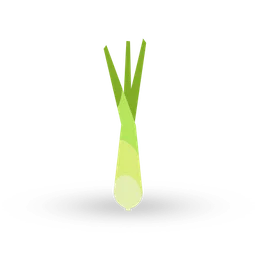 Lemongrass
 Coconut oil
then stir
3 · Basting glaze in a pan
 Kecap manis (sweet soy sauce)
 Tamarind paste
 Brown sugar
 Black pepper
About this dish
- Origin
- Indonesia and coastal Malaysia, Indonesia · Well documentedThe name describes a technique rather than a fixed recipe; Javanese versions lean sweet with kecap manis, while Minangkabau and Balinese styles are hotter and more sour.Also popular in Malaysia, Singapore, BruneiMore food from Indonesia
Indonesia - Dish
- Lunch · Dinner · Grills & kebabs · Main courses
- Cooking method
- Marinated / cured, Grilled, Barbecued
- Taste
- smoky, sweet & spicy, aromatic / warmly spiced, umami
- Diet
- Pescatarian · Dairy-free · High-proteinWorked out from the ingredients. How labels work
All labels
Pescatarian · Non-vegetarian · Dairy-free · Egg-free · Alcohol-free · Pork-free · Beef-free · High-protein · Calorie-conscious - Good for
- Festive & celebration
- Cook more with
- White fish fillet · Fresh red chilli · Kecap manis (sweet soy sauce) · Lime juice · Shallot · Garlic
- Techniques
- Grilling · Charcoal grilling · Marinating · Curing
Allergens
- Contains: Fishfrom white fish fillet
- Contains: Crustaceansfrom shrimp paste
- May contain: Tree nutsfrom candlenut
- Contains: Wheatfrom kecap manis (sweet soy sauce)
- Contains: Glutenfrom kecap manis (sweet soy sauce)
- Contains: Soyfrom kecap manis (sweet soy sauce)
Based on typical versions of these ingredients and not verified allergen-free. Brands differ and cross-contact happens, so always check labels. For severe allergies, follow your clinician’s advice.
Nutrition
410 kcal per serving
Estimated1 serving ≈ 365 g · recipe makes 4
Where the energy comes from
- Protein 43%
- Carbohydrate 26%
- Fat 31%
| Nutrient | Per serving | Per 100 g* |
|---|---|---|
| Energy | 410 kcal | 112 kcal |
| Protein | 44 g | 12 g |
| Carbohydrate | 26 g | 7.1 g |
| Net carbohydrate | 22.9 g | 6.3 g |
| Sugars | 12.4 g | 3.4 g |
| Added sugars | 10.7 g | 2.9 g |
| Fibre | 3.2 g | 0.9 g |
| Fat | 14.1 g | 3.9 g |
| Saturated fat | 9 g | 2.5 g |
| Trans fat | — | — |
| Cholesterol | 136 mg | 37 mg |
| Sodium | 1610 mg | 441 mg |
| Salt equivalent | 4 g | 1.1 g |
Vitamins & minerals per serving
- Potassium
- 1065 mg
- Calcium
- 78 mg
- Iron
- 2.5 mg
- Magnesium
- 91 mg
- Vitamin A (RAE)
- 46 µg
- Vitamin C
- 17 mg
- Vitamin D
- 1.3 µg
- Vitamin B12
- 4.6 µg
- Folate (DFE)
- 61 µg
How these numbers were made
- Calculated from USDA FoodData Central (SR Legacy) per-100 g values and the listed quantities.
- *Per 100 g of combined raw ingredients; the cooked dish may weigh more or less.
- Optional ingredients are not included: banana leaves.
- Candlenut: English walnuts (FDC 170187) used as a stand-in: candlenuts are similarly oil-rich (about 60–65 % fat); no candlenut entry exists in FDC SR Legacy.
- Galangal: Fresh ginger used as a stand-in: no galangal entry in FDC SR Legacy, and galangal is a closely related rhizome used in similar small amounts.
- Shrimp paste: Fish sauce (FDC 174531) at 1.5× as a stand-in salted fermented seafood condiment; protein is understated.
- Kecap manis (sweet soy sauce): Hoisin sauce (FDC 172886) used as a stand-in for this thick palm-sugar-sweetened soy sauce; sugar and sodium differ by brand.
- Tamarind paste: Raw tamarind pulp (FDC 167763). Commercial concentrates vary in water content.
- “—” means the value isn’t known for enough of the ingredients; it is never zero by default.
- Values are estimates for guidance, not for medical dosing. U.S. Department of Agriculture, Agricultural Research Service. FoodData Central, 2019. fdc.nal.usda.gov.
Good to know
Tips
- Smaller fish (300–400 g) cook more evenly than one large fish and are easier to turn.
- If you have no grill, roast on a rack at 220 °C for 20 minutes, then finish under a hot grill while basting.
Common mistakes
- Turning the fish repeatedly, which tears the skin and makes it stick.
- Basting with the sweet glaze from the start over fierce heat, which chars the outside before the inside is cooked.
Serve with
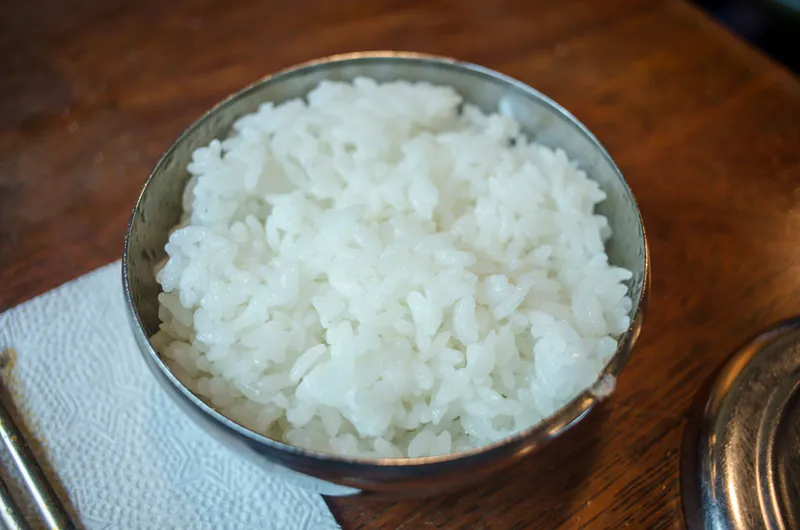
- Serve with steamed rice, sambal terasi or sambal matah, lime wedges and lalapan (raw cucumber, cabbage, lemon basil and long beans).
Food safety
- Buy fish with clear eyes, red gills and a clean sea smell, keep it chilled until cooking, and cook until the flesh is opaque and flakes from the bone (63 °C).
Storage
- Best eaten freshly grilled. Leftovers keep 1 day refrigerated.
Reheating
- Flake the flesh off the bone and warm it in a covered pan with a splash of water.
Variations
- Ikan bakar Padang: The Minangkabau style: the fish is coated in a red, chilli-heavy paste with coconut milk and no sweet soy, and grilled until the paste forms a crust.
- Ikan bakar Jimbaran (Indonesia): Balinese beach-grill style, basted with a sweet, garlicky kecap and lime glaze and served with sambal matah.
- Ikan bakar (Malaysia) (Malaysia): Malaysian stalls often grill stingray or mackerel wrapped in banana leaf with a sambal paste.
Original editorial recipe · FriendsPantry editorial · source: TasteAtlas (dish facts) · Not yet independently reviewed · Added
Sauces, chutneys & dips for this dish
Recipe DNA
How this dish is built
Built from the recipe’s own sections. Each band’s width is its share of the dish by weight. Choose a component to see what it does.
What the dish is built around
For the fish
- White fish fillet, 2 whole red snappers, sea bream or pomfret (about 500 g each), scaled, gutted and scored1000 g
- Lime juice2 tbsp · 31 g
- Salt1 tsp · 6 g
- Banana leaves (optional)2 piece · 60 g
Reviews & corrections
Reviews come from signed-in cooks and appear after a moderator checks them. We never show made-up ratings.
You might also like
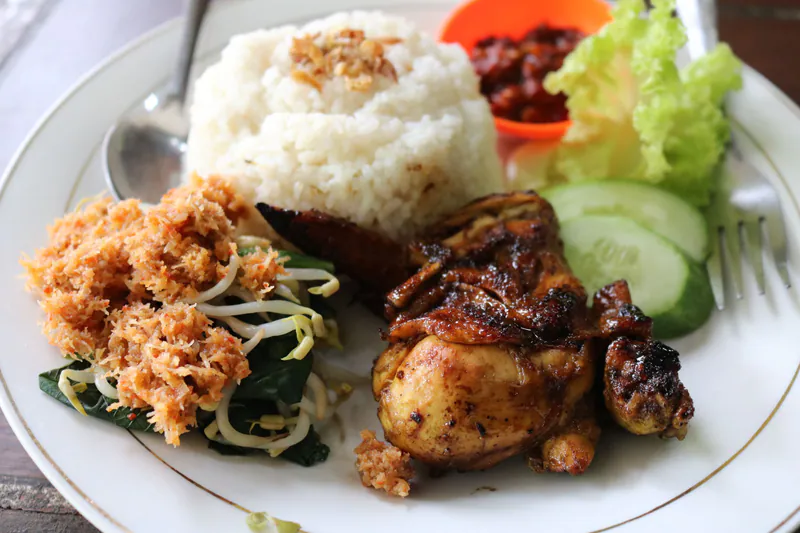
Ayam bakar
Indonesian · 1 h 15 min · 716 kcal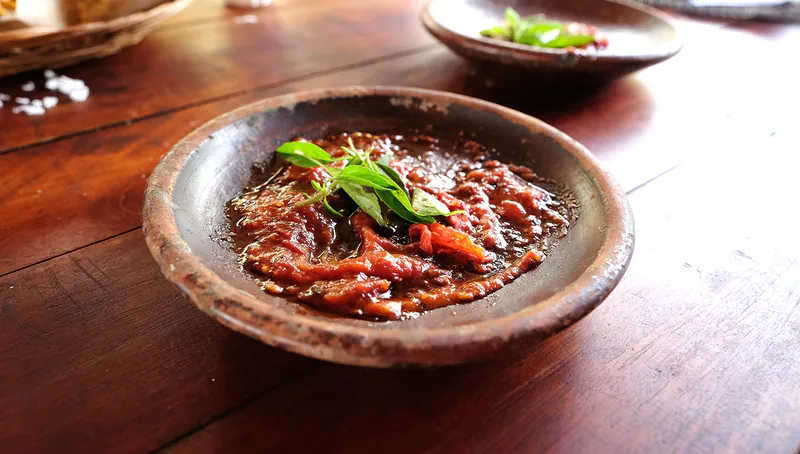
Sambal belacan
 Malaysian · 20 min · 8 kcal
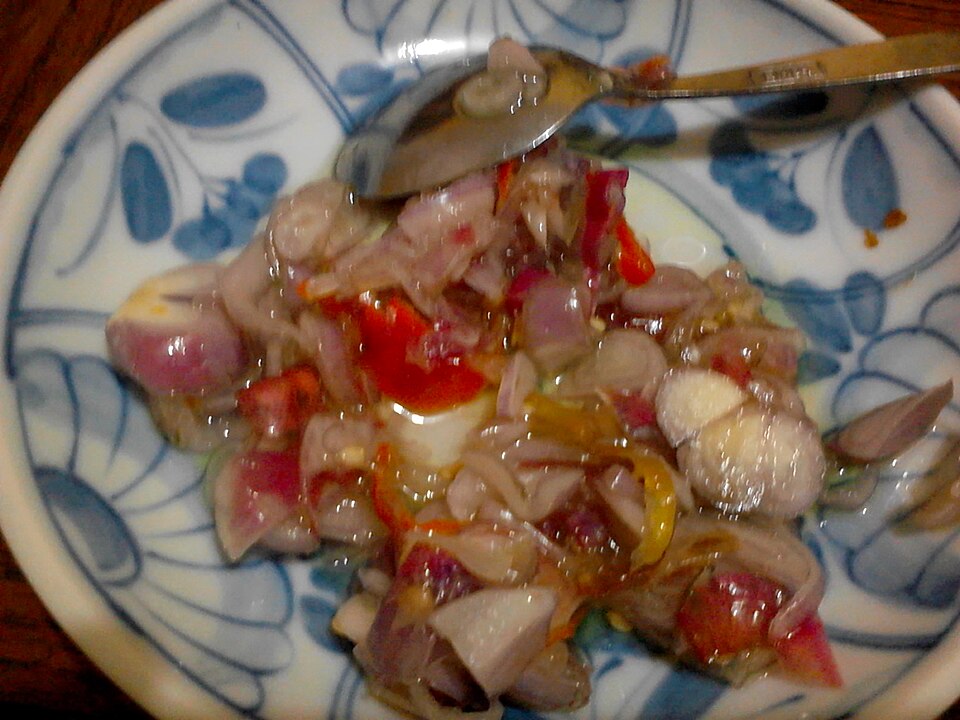
Sambal matah
Indonesian · 19 min · 105 kcal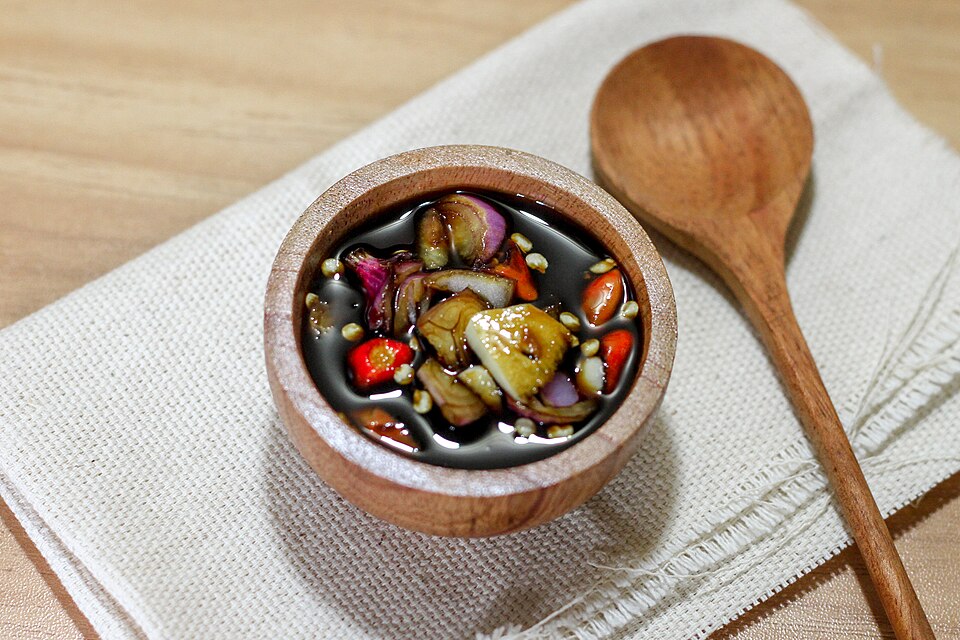
Sambal kecap
Indonesian · 5 min · 56 kcal · Vegan