
Vegetables · Aromatic roots & stalks
Galangal
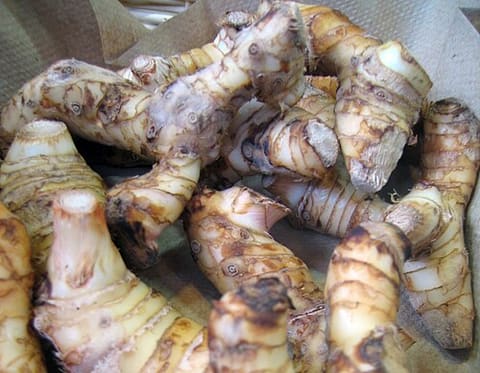
Hard, pale rhizome with a peppery, piney citrus flavour; a key aromatic in Thai and Indonesian cooking.
Also called: kha, lengkuas, blue ginger
Read the full spice guide: flavour, history and how to use it
Photo: Ruth Hartnup from Vancouver, Canada, via Wikimedia Commons (CC-BY-2.0)
What it is
Galangal looks like ginger but has smoother, paler, pinkish-ringed skin and very hard, woody flesh. Its flavour is sharper, more piney and peppery than ginger, and it is not interchangeable in all dishes. It is a relative of ginger, not a form of it. It is sold fresh, frozen, dried in slices or ground.
Alpinia galanga
How it’s used
- Sliced into tom kha and tom yum
- Pounded into curry pastes and rendang
- Simmered in soups and braises
- Infused in Indonesian and Malaysian sauces
Characteristics
- Taste
- Peppery, citrusy and piney.
- Aroma
- Sharp, resinous and camphor-like.
- Texture
- Very hard and fibrous.
- When cooked
- Slices stay woody and are usually not eaten; grating is hard, so chop finely or pound.
- Sold as
- fresh, frozen, dried, ground
- Cooking uses
- Commonly cooked, Mainly a seasoning
- Common in
- Thai, Indonesian, Malaysian, Lao, Vietnamese, Cambodian
Storage
Refrigerated. Refrigerate wrapped or freeze in slices; it keeps its flavour well frozen.
Diet, allergens and safety
No major allergens in typical versions.
- Vegetarian
- Vegan
- Dairy-free
- Egg-free
- Gluten-free
- Nut-free
- Soy-free
- Caffeine-free
Nutrition per 100 g
- Energy
- 80 kcal
- Protein
- 1.82 g
- Carbohydrate
- 17.77 g
- Fat
- 0.75 g
- Fibre
- 2 g
- Sugars
- 1.7 g
USDA FoodData Central: Ginger root, raw (a close stand-in).
Substitutes
Optional — what works if you don’t have it, and how it changes the dish.
- Fresh ginger — Use a little less fresh ginger with a squeeze of lime; noticeably different but workable.
Related ingredients
Recipes with galangal
See all 27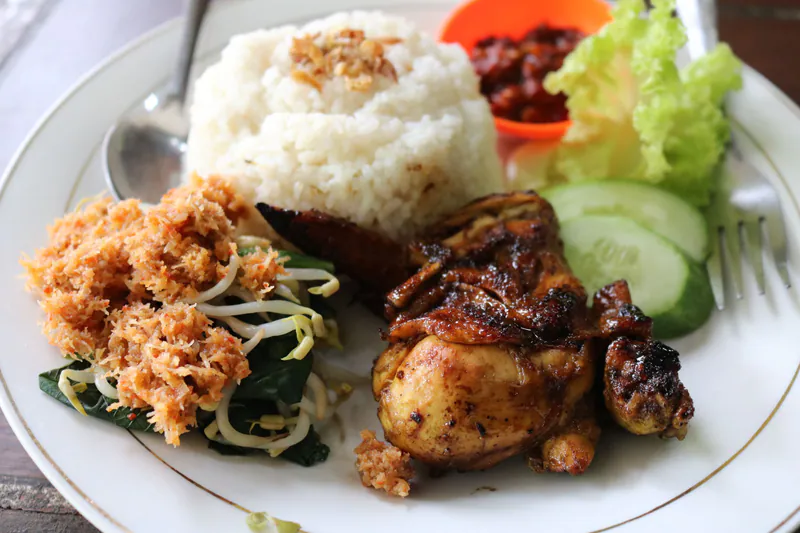
Ayam bakar
 Indonesian · 1 h 15 min · 716 kcal
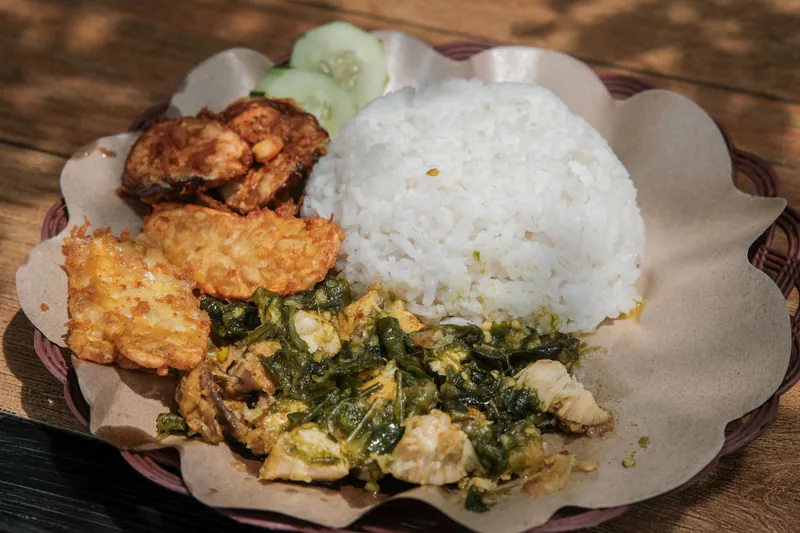
Ayam goreng kuning
Indonesian · 1 h 10 min · 639 kcal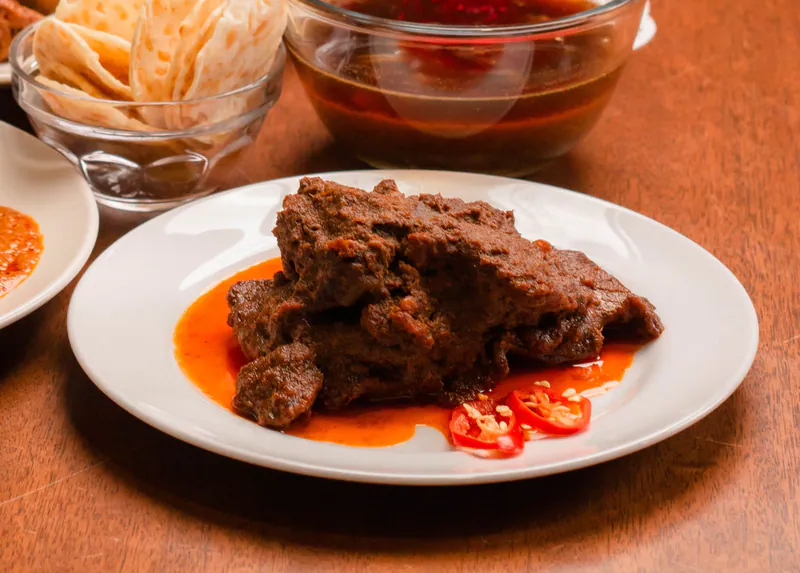
Beef rendang
Indonesian · 4 h · 672 kcal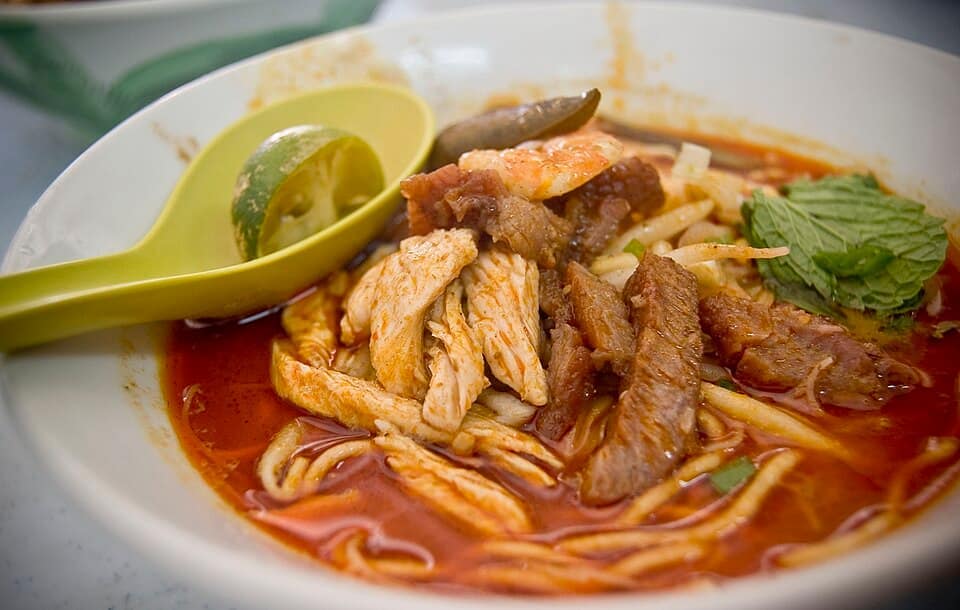
Curry laksa
 Malaysian · 1 h 5 min · 950 kcal
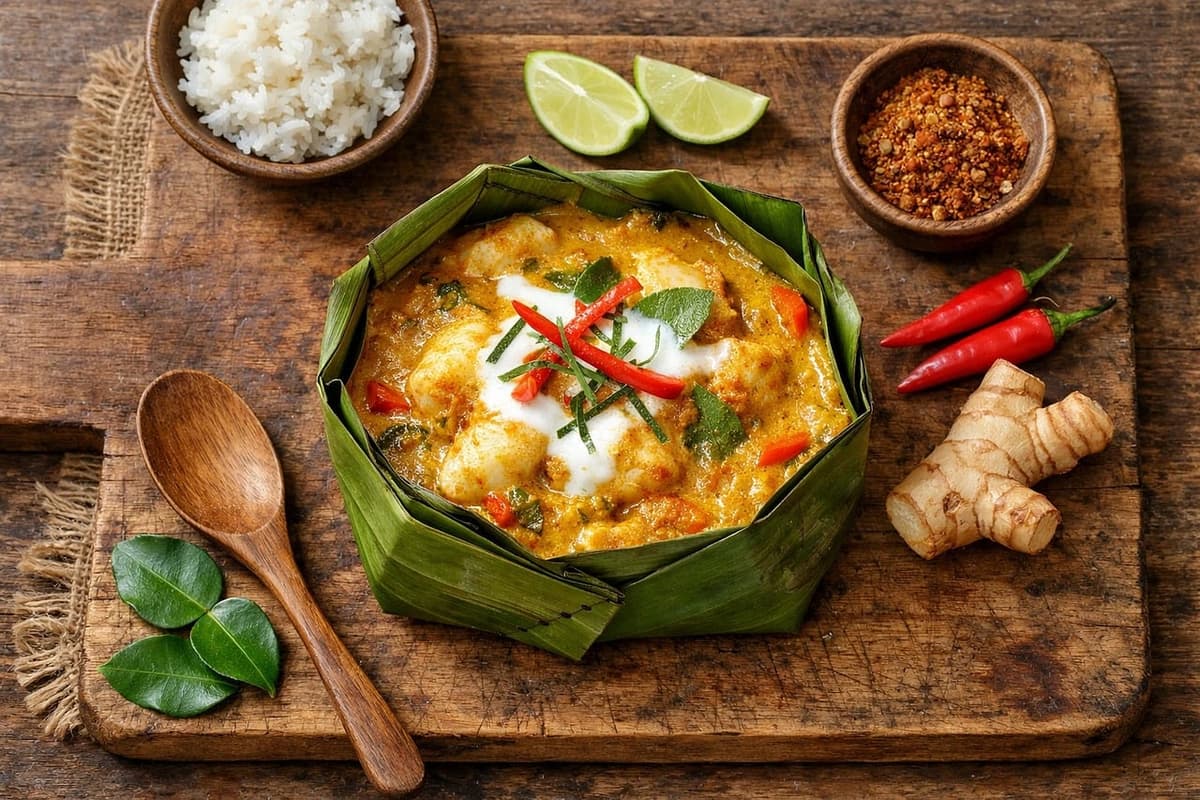
Fish amok
 Cambodian · 55 min · 433 kcal
Khao piak sen
 Lao · 1 h 55 min · 715 kcal
Lao beef larb
Lao · 30 min · 322 kcalMassaman curry paste
 Thai · 50 min · 23 kcal
Massaman curry with beef
Thai · 2 h 55 min · 741 kcal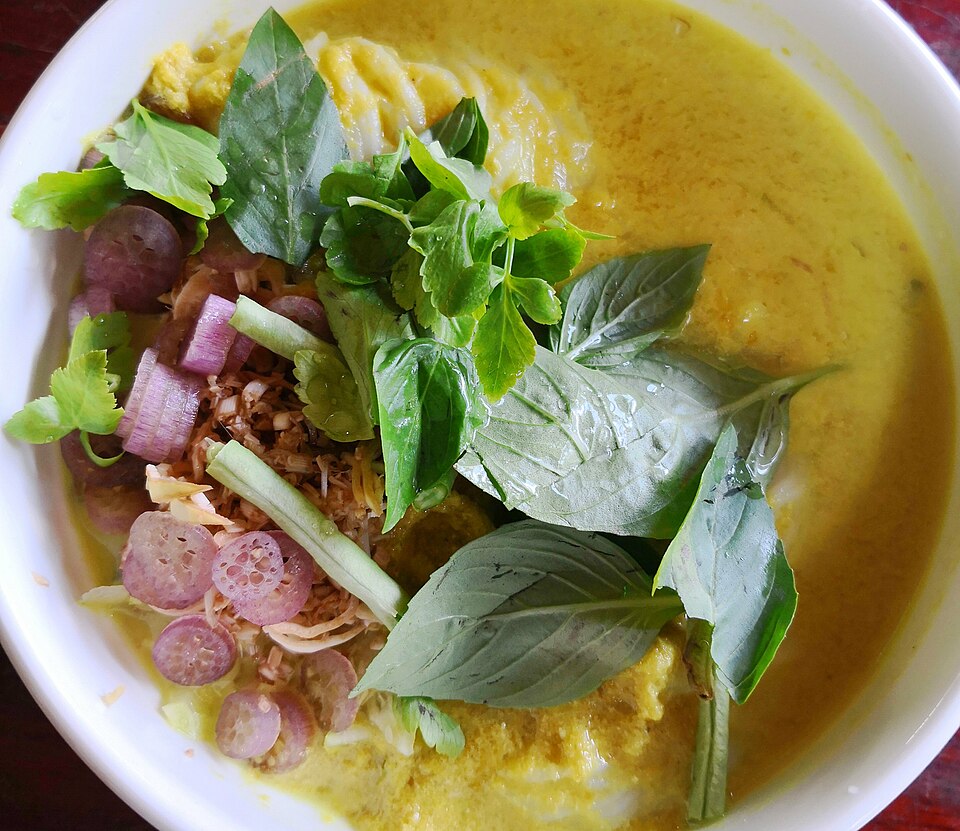
Nom banh chok
Cambodian · 1 h · 714 kcalOpor ayam
Indonesian · 1 h 10 min · 799 kcalPanang curry paste
Thai · 45 min · 32 kcal
15 more
- Panang curry with beef · Thai
- Penang assam laksa · Malaysian
- Rempah for rendang · Malaysian
- Sayur lodeh · Indonesian
- Soto ayam · Indonesian
- Tempe bacem · Indonesian
- Thai green curry paste · Thai
- Thai green curry with chicken · Thai
- Thai red curry paste · Thai
- Thai red curry with chicken and bamboo shoots · Thai
- Thai yellow chicken curry · Thai
- Tom kha gai · Thai
- Tom saep · Thai
- Tom yum goong · Thai
- Urap sayur · Indonesian
More aromatic roots & stalks
Aromatic roots & stalks
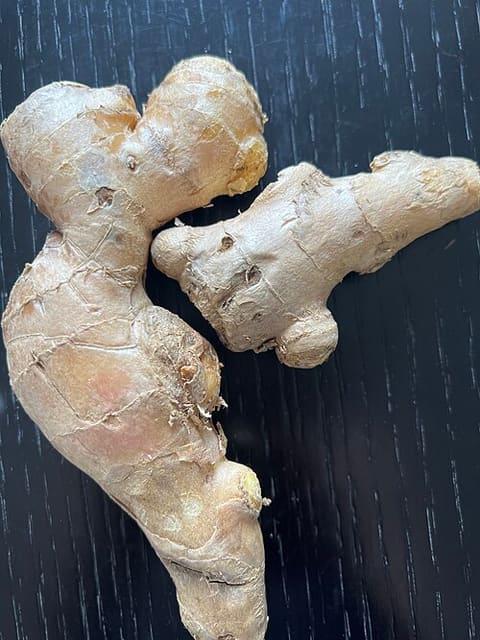
Fresh ginger
Knobbly, tan-skinned rhizome with hot, citrusy flesh, grated or sliced into curries, stir-fries, teas and baking.
357 recipes
Aromatic roots & stalks
Lemongrass
Tall, woody stalks with a lemony scent, bruised or minced into Southeast Asian curries, soups and pastes.
39 recipes
Aromatic roots & stalks
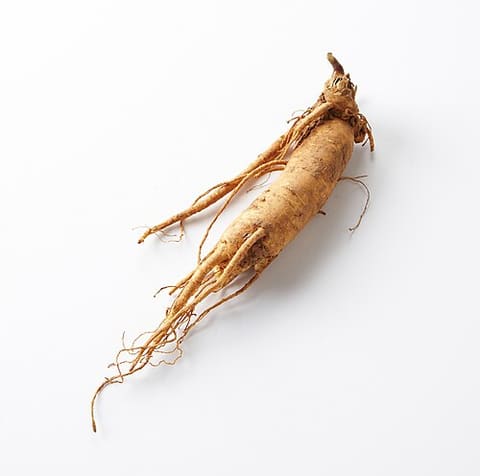
Ginseng root
Pale, forked, bitter-sweet root simmered in Korean and Chinese soups such as samgyetang and in teas.
1 recipe