
Nature's Pantry
Honey
Also: shahad (Hindi) · miel (Spanish/French)
A soothing sweetener for coughs in children over one. Never give it to babies under 12 months.
Overall evidence
Reasonable evidence for short-term cough relief in children over one; it is still sugar.
Several trials or reviews point the same way, but studies are short, small, mixed in quality, mostly observational, or test concentrated forms rather than everyday food.
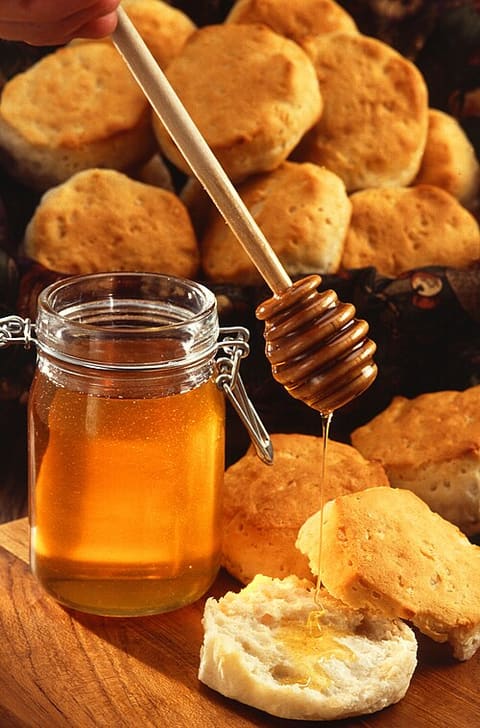
What it is
A sweet syrup made by bees from flower nectar: mainly fructose and glucose, with water and small amounts of other compounds.
Traditional use
Tradition, not evidence: how cultures use it, not proof that it works.
Worldwide
Honey and lemon in hot water is a near-universal cough and sore-throat drink.
Middle East
Honey is eaten with dates and in pastries, and has religious and medicinal standing.
India
Honey is mixed with ginger juice or tulsi as a home cough syrup.
What the research says
Each claim graded on its own evidence.
Honey and acute cough in children over 1
Evidence level: Moderate evidenceA Cochrane review found honey probably relieves cough symptoms more than no medicine, diphenhydramine or placebo, and may make little difference compared with dextromethorphan. The evidence was low to moderate quality, and most children took honey for a single night.[1]
Hot lemon and honey for adults' coughs
Evidence level: Limited or early evidenceThe NHS says there is limited evidence that hot lemon and honey eases a cough, though it can have a similar effect to cough syrup.[2]
In food amounts
Trials typically used a spoonful before bed. Honey counts as free sugar, which the WHO recommends keeping below 10% of daily energy.
We describe everyday cooking amounts only, never supplement doses.
Safety
- Babies and children
- Never give honey to babies under 12 months old, including in food or on dummies. It can contain bacteria that cause infant botulism, a very serious illness.[3][1]
- Health conditions
- Honey is a free sugar. If you manage diabetes or are watching sugar for your teeth, count it like any other sugar.[4]
- General
- See a GP for a cough lasting more than 3 weeks, and get urgent help for chest pain, difficulty breathing or coughing up blood.[2]
If you take regular medicines, are pregnant or breastfeeding, or are cooking for a baby or someone who is unwell, check with a doctor, pharmacist or midwife before using any food or supplement for a health reason.
Sources
- [1] Honey for acute cough in children (Oduwole et al.) — Cochrane Database of Systematic Reviews, 2018
- [2] Cough — NHS (UK)
- [3] Foods to avoid giving babies and young children — NHS (UK)
- [4] Healthy diet — fact sheet — World Health Organization
Sources were checked when this entry was written. Research changes; if you spot something out of date, please tell us.
Cook with honey
Banana milkshake
International · 5 min · 323 kcal · Vegetarian
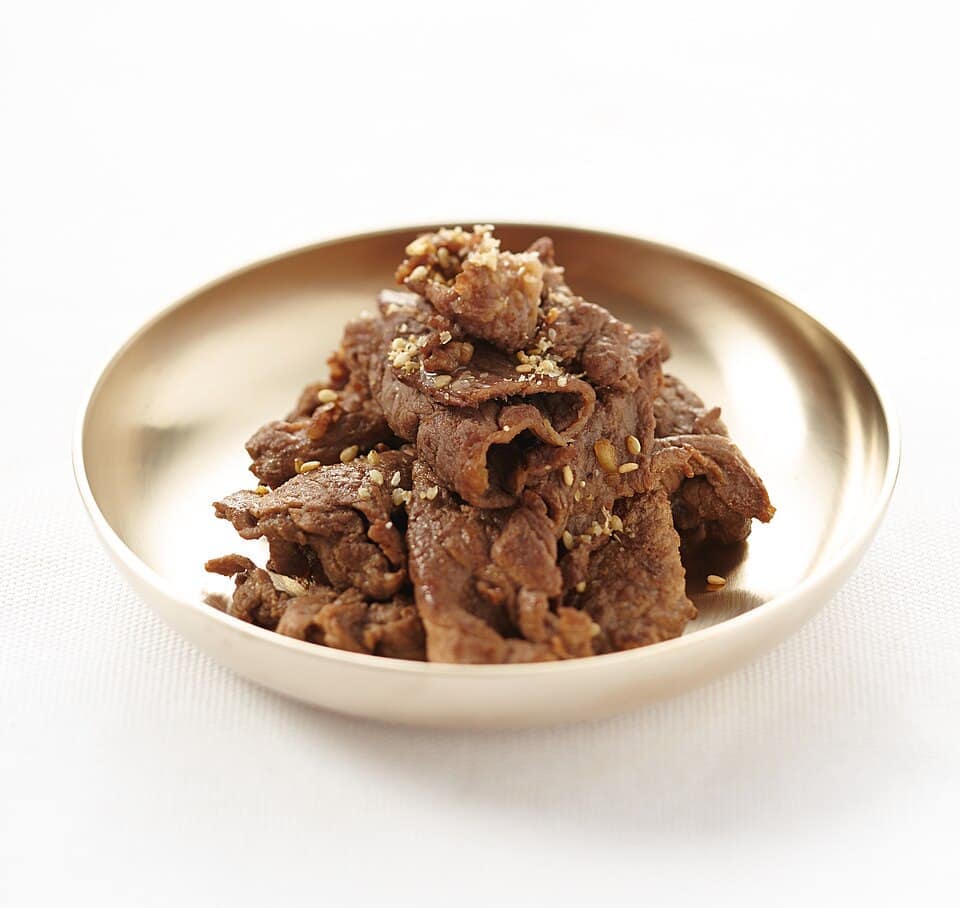
Beef bulgogi
 Korean · 55 min · 288 kcal
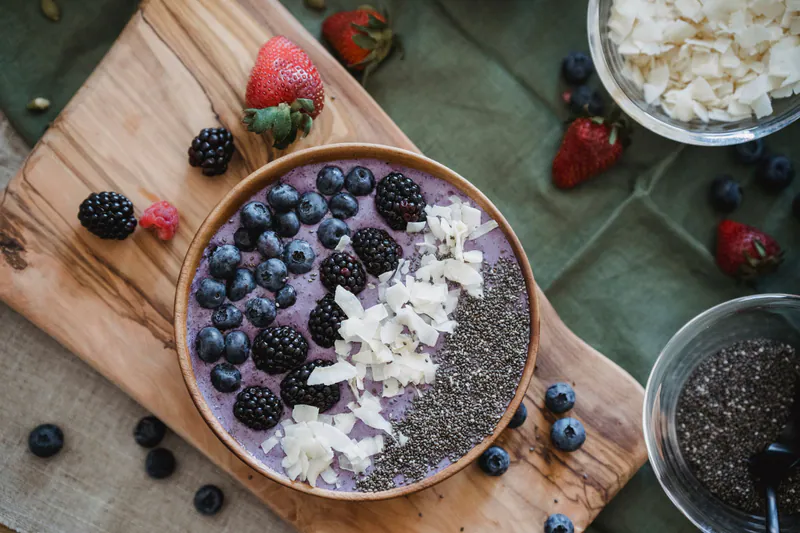
Berry Smoothie Bowl
International · 8 min · 260 kcal · Vegetarian
Bint al sahn
 Yemeni · 2 h 35 min · 474 kcal · Contains egg
Bircher muesli
 Swiss · 8 h 10 min · 372 kcal · Vegetarian
Castella (Nagasaki honey sponge)
 Japanese · 2 h 15 min · 150 kcal · Contains egg

Chamomile tea
International · 9 min · 0 kcal · Vegetarian
Char siu (Cantonese barbecue pork)
 Cantonese · 1 h 10 min · 392 kcal
Chebab
 Emirati · 1 h 15 min · 361 kcal · Contains egg
43 more
- Chechebsa · Ethiopian
- Chicken and Vegetable Stir-Fry · International
- Classic Oat Porridge · International
- Cơm tấm sườn nướng · Vietnamese
- Dorayaki · Japanese
- Feteer meshaltet · Egyptian
- Fry jacks · Belizean
- Ghapama · Armenian
- Greek Yogurt Berry Parfait · International
- Grilled chicken salad · International
- Higher-protein Greek yoghurt bread · International
- Homemade Honey Nut Granola · International
- Honey cinnamon latte · International
- Honey mustard sauce · American
- Iced matcha espresso fusion · International
- Japanese curry rice · Japanese
- Korean fried chicken (yangnyeom) · Korean
- Lahoh · Djiboutian
- Lamb tagine with apricots · Moroccan
- Lemon Ginger Tea · International
- Lemon-Olive Oil Vinaigrette · Mediterranean
- Loukoumades · Greek
- Luqaimat · Gulf Arab
- Madeleines · French
- Matcha latte · Japanese
- Medialunas (Argentine croissants) · Argentine
- Msemen · Moroccan
- New York-style bagels · American
- Okonomiyaki · Japanese
- Peanut Butter Banana Toast · International
- Potica (walnut roll) · Slovenian
- Priganice (fried dough puffs) · Montenegrin
- Rooibos tea · South African
- Saenggang-cha · Korean
- Seeded multigrain loaf · British
- Simple Green Salad with Mustard Vinaigrette · International
- Sparkling pomegranate spritzer · International
- Strawberry banana smoothie · International
- Warm salmon and potato salad with dill-mustard dressing · International
- Wholegrain mustard · French
- Wholegrain sourdough tin loaf · International
- Wholemeal tin loaf · British
- Yakgwa (Korean honey cookies) · Korean
Showing 9 of 52 recipes.
More from Nature's Pantry
- ChamomileEvidence level: Limited or early evidence
- CinnamonEvidence level: Limited or early evidence
- Citrus fruitEvidence level: Evidence against
- Fennel seedEvidence level: Traditional use only
- GingerEvidence level: Moderate evidence
- Green teaEvidence level: Limited or early evidence