
Nature's Pantry
Green tea
Also: matcha (powdered) · sencha · lǜchá (Mandarin) · Camellia sinensis
Safe as a drink for adults; results for health benefits are inconsistent. Concentrated extracts are a different story.
Overall evidence
Inconsistent or modest findings for every popular claim.
A few small or low-quality studies, inconsistent results, or mostly lab and animal work. Interesting, but not enough to rely on.
What it is
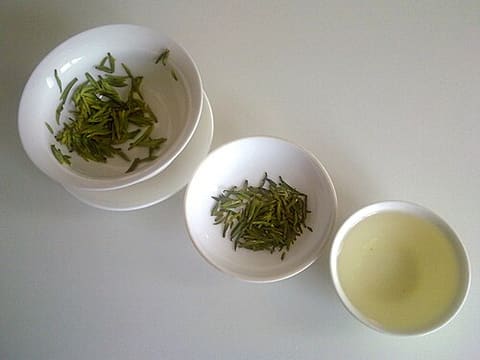
Unoxidised leaves of the tea plant, rich in catechins such as EGCG, and containing caffeine.
Traditional use
Tradition, not evidence: how cultures use it, not proof that it works.
China and Japan
Green tea is drunk throughout the day and after meals to refresh the palate; matcha is central to the Japanese tea ceremony.
Morocco
Gunpowder green tea brewed with mint and sugar is the drink of hospitality.
What the research says
Each claim graded on its own evidence.
Green tea and cancer risk
Evidence level: Limited or early evidenceMany studies have looked at green tea and different cancers, and NCCIH describes the overall results as inconsistent.[1]
Green tea and heart health
Evidence level: Limited or early evidenceGreen tea drinking has been linked with lower coronary heart disease risk in Asian populations but not in Western ones; these are mainly observational findings.[1]
Green tea and body weight
Evidence level: Limited or early evidenceCatechins and caffeine may have a modest effect on body weight, varying with the product and how active people are.[1]
In food amounts
A cup brewed from a tea bag or a teaspoon of leaves. EFSA considers catechins from green tea brewed in the traditional way to be generally safe at the amounts people in Europe usually drink.
We describe everyday cooking amounts only, never supplement doses.
Safety
- Pregnancy and breastfeeding
- Green tea contains caffeine, which counts towards the NHS limit of 200 mg a day in pregnancy.[3][4]
- Medicines
- High amounts of green tea can reduce blood levels of the beta-blocker nadolol, and extracts can affect atorvastatin. Ask your pharmacist if you take regular medicines.[1]
- Health conditions
- Liver injury has been reported, mainly with green tea extracts in tablets or capsules, not brewed tea. EFSA found liver enzyme rises at 800 mg or more of EGCG a day from supplements and could not identify a safe supplement dose.[1][2]
- General
- Very hot drinks can scald; let tea cool a little before drinking.
If you take regular medicines, are pregnant or breastfeeding, or are cooking for a baby or someone who is unwell, check with a doctor, pharmacist or midwife before using any food or supplement for a health reason.
Sources
- [1] Green tea — fact sheet — US National Center for Complementary and Integrative Health (NCCIH, NIH)
- [2] Scientific opinion on the safety of green tea catechins — European Food Safety Authority (EFSA Journal), 2018
- [3] Foods to avoid in pregnancy — NHS (UK)
- [4] Scientific Opinion on the safety of caffeine — European Food Safety Authority (EFSA Journal 13(5):4102), 2015
Sources were checked when this entry was written. Research changes; if you spot something out of date, please tell us.
Cook with green tea
Hojicha latte
 Japanese · 6 min · 113 kcal · Vegetarian
Kashmiri chai
 Pakistani · 40 min · 79 kcal · Vegetarian
Kashmiri kahwa
 Indian · 13 min · 43 kcal · Vegan
Mauritanian atay (green tea ceremony)
 Mauritanian · 45 min · 58 kcal · Vegan
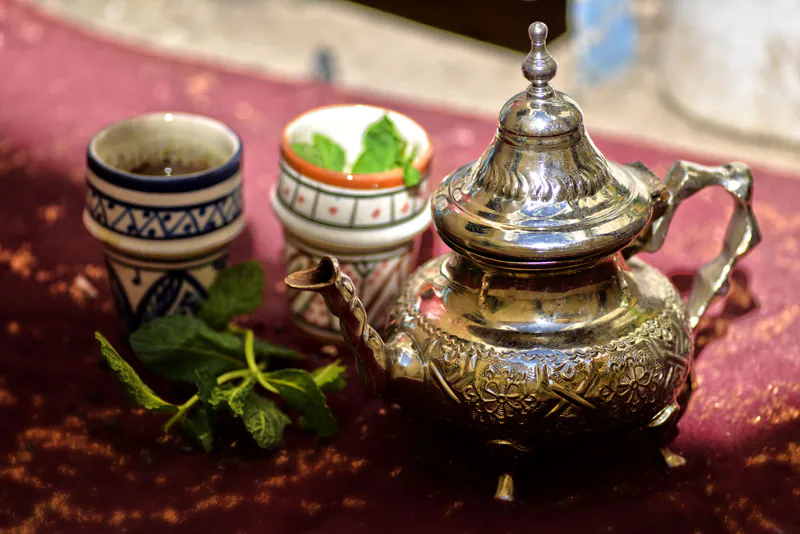
Moroccan mint tea
 Moroccan · 13 min · 37 kcal · Vegan
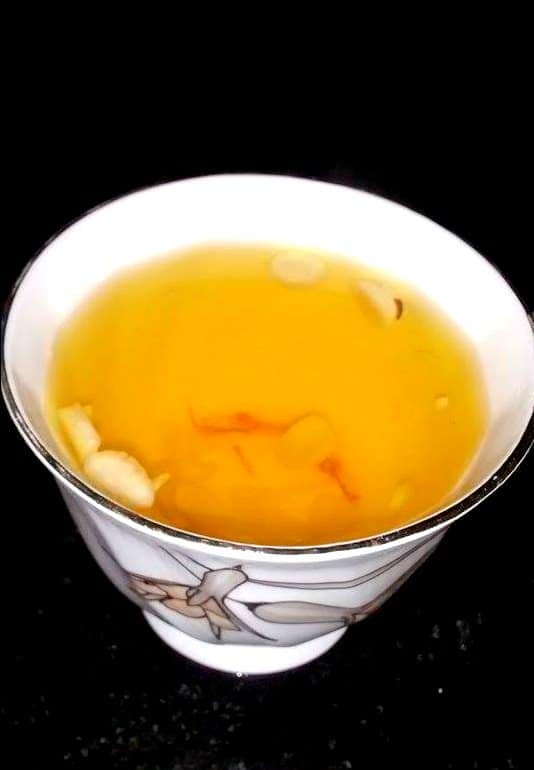
Peshawari kahwa
Pakistani · 10 min · 25 kcal · Vegan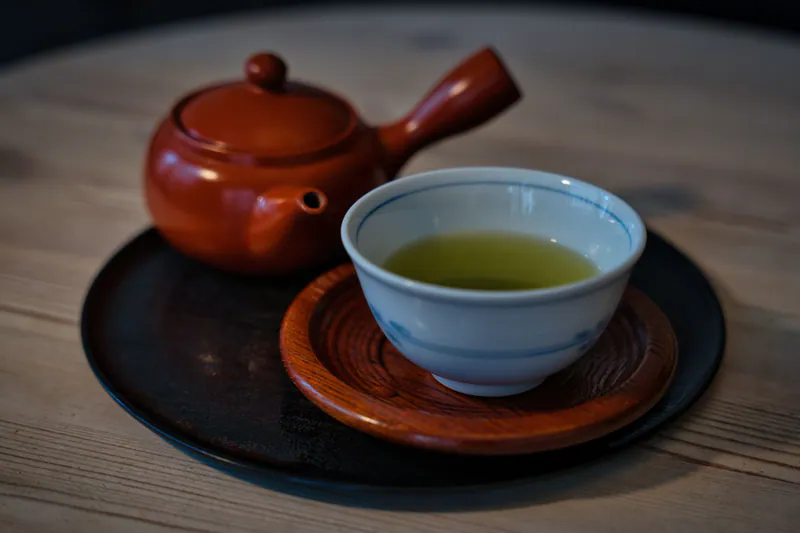
Sencha (Japanese green tea)
Japanese · 7 min · 0 kcal · VeganSuutei tsai (Mongolian salty milk tea)
 Mongolian · 12 min · 47 kcal · Vegetarian
More from Nature's Pantry
- ChamomileEvidence level: Limited or early evidence
- CinnamonEvidence level: Limited or early evidence
- Citrus fruitEvidence level: Evidence against
- CoffeeEvidence level: Moderate evidence
- Fennel seedEvidence level: Traditional use only
- GingerEvidence level: Moderate evidence