
Nature's Pantry
Fennel seed
Also: saunf (Hindi) · Foeniculum vulgare
The after-dinner seed of Indian restaurants. Its digestive use is recognised as traditional, not proven.
Overall evidence
Recognised by a regulator as traditional use only; not established by good-quality trials.
Long-standing use in kitchens and home remedies, but little or no reliable research in people.
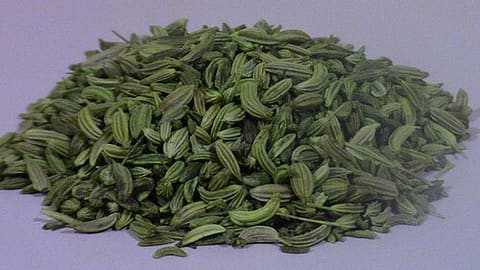
What it is
The dried fruits ("seeds") of Foeniculum vulgare, with a sweet aniseed flavour from anethole. The bulb of the same plant is eaten as a vegetable.
Traditional use
Tradition, not evidence: how cultures use it, not proof that it works.
India and Pakistan
Candied or roasted fennel seeds (mukhwas) are handed out after meals to freshen the breath and settle the stomach.
Europe
Fennel tea is a long-standing household drink for bloating and wind, and fennel seeds flavour Italian sausages.
What the research says
Each claim graded on its own evidence.
Fennel for bloating and mild digestive discomfort
Evidence level: Traditional use onlyThe European Medicines Agency lists fennel fruit as a traditional herbal medicine: its use is accepted on the basis of long-standing use, not because clinical trials have shown it works.[1]
In food amounts
Cooks use a half to two teaspoons of seeds in a dish, or a small pinch chewed after a meal.
We describe everyday cooking amounts only, never supplement doses.
Safety
- Babies and children
- The European Medicines Agency does not recommend medicinal fennel preparations for children under 4 without a doctor's advice, partly because fennel contains estragole. Do not give fennel teas or remedies to babies without medical advice.[1]
- Allergies
- Fennel belongs to the same plant family as celery, a recognised food allergen; people with a celery allergy should take care.[2]
If you take regular medicines, are pregnant or breastfeeding, or are cooking for a baby or someone who is unwell, check with a doctor, pharmacist or midwife before using any food or supplement for a health reason.
Sources
- [1] European Union herbal monograph on Foeniculum vulgare Miller subsp. vulgare var. dulce (sweet fennel fruit), Rev. 1 — European Medicines Agency (HMPC)
- [2] Food allergy — NHS (UK)
Sources were checked when this entry was written. Research changes; if you spot something out of date, please tell us.
Cook with fennel seed
Aam ki launji (sweet-sour raw mango chutney)
 Indian · 40 min · 85 kcal · Vegan
Aloo bukhara chutney (sweet-sour plum chutney)
Indian · 1 h 10 min · 65 kcal · Vegan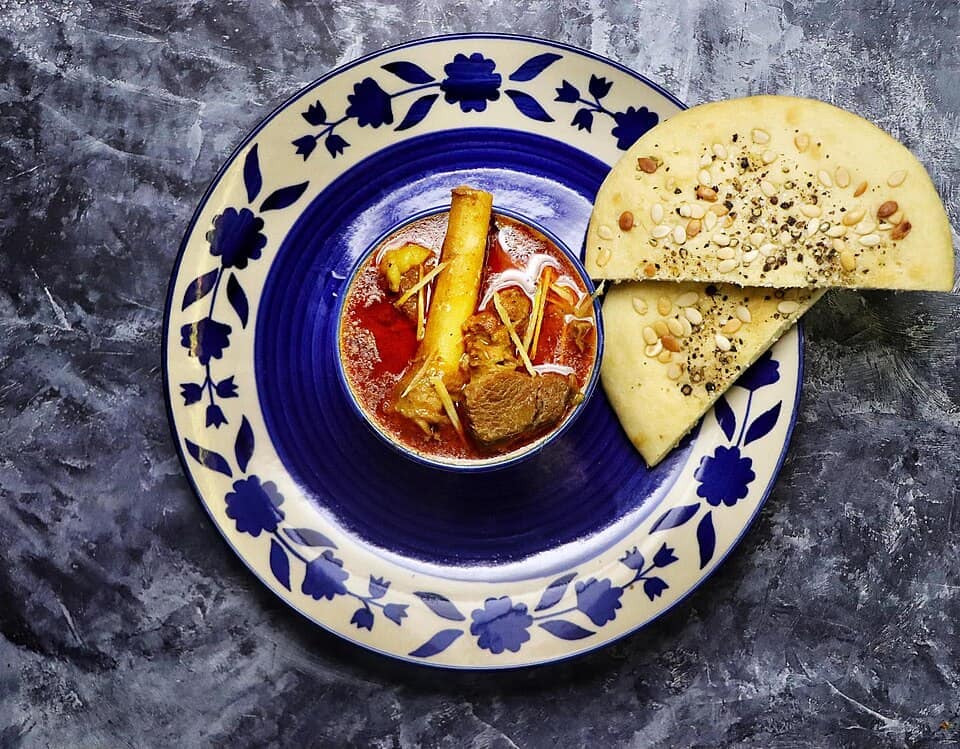
Beef nihari
 Pakistani · 4 h 40 min · 375 kcal
Bengali tomato-date chutney (tomato khejur chutney)
Bengali · 35 min · 100 kcal · VeganBiryani masala
Indian · 22 min · 7 kcal · VeganBolo de fubá (Brazilian cornmeal cake)
 Brazilian · 1 h 25 min · 261 kcal · Contains egg
Bouillabaisse
 French · 1 h 25 min · 667 kcal
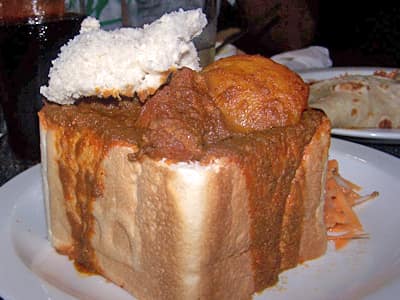
Bunny chow
 South African · 2 h · 1074 kcal
Cape Malay chicken curry
Cape Malay · 1 h 15 min · 355 kcal
40 more
- Chettinad chicken curry · South Indian
- Chettinad masala · South Indian
- Chicken balti · British
- Chicken yakhni pulao · Pakistani
- Chinese five-spice powder · Chinese
- Dal paratha · Indian
- Dalma · Indian
- Gur paratha · Punjabi
- Kadai masala · Punjabi
- Kadala curry · South Indian
- Kancha aamer chutney (Bengali green mango chutney) · Bengali
- Kashmiri mutton yakhni · Indian
- Kerala (Malabar) garam masala · South Indian
- Kerala egg roast · South Indian
- Macher jhol · Bengali
- Machha besara · Indian
- Madras curry powder · Indian
- Malvani masala · Indian
- Matar paratha · Indian
- Mughlai (shahi) garam masala · Indian
- Mutton yakhni shorba · Indian
- Nadru yakhni · Indian
- Nandu rasam · South Indian
- Panch phoron · Bengali
- Pasta con le sarde · Italian
- Pav bhaji masala · Indian
- Punjabi dum aloo · Punjabi
- Punjabi garam masala · Punjabi
- Punjabi mango pickle (aam ka achaar) · Punjabi
- Rogan josh · Indian
- Saunth (sweet tamarind-date chutney) · Indian
- Sicilian orange and fennel salad · Italian
- Sri Lankan black pork curry · Sri Lankan
- Sri Lankan roasted curry powder · Sri Lankan
- Sup kambing · Malaysian
- Taralli pugliesi · Italian
- Thandai · Indian
- Thekua · Indian
- Tomato khajuri khatta (Odia tomato-date chutney) · Indian
- Xacuti masala · Goan
Showing 9 of 49 recipes.
More from Nature's Pantry
- Ajwain (carom seeds)Evidence level: Traditional use only
- Apple cider vinegarEvidence level: Limited or early evidence
- Black pepperEvidence level: Limited or early evidence
- ChamomileEvidence level: Limited or early evidence
- ChilliEvidence level: Limited or early evidence
- CinnamonEvidence level: Limited or early evidence