Cuisine
Central Asian
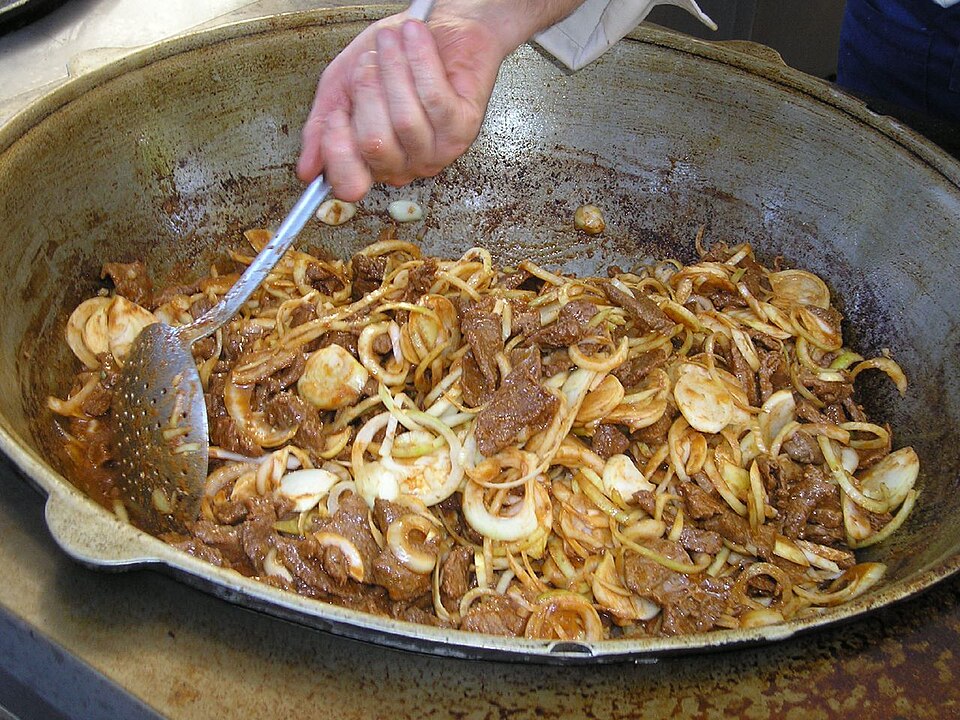
The Silk Road cooking of the steppe and oases: rice pilaf (plov), hand-pulled noodles, dumplings, tandir bread and lamb, with dairy from nomadic herding.
Flavour character: Savoury and meaty rather than hot: cumin, coriander and black pepper, lamb fat, sweet carrots and onions, sour dairy, fresh tomato-onion salads and dill.
History
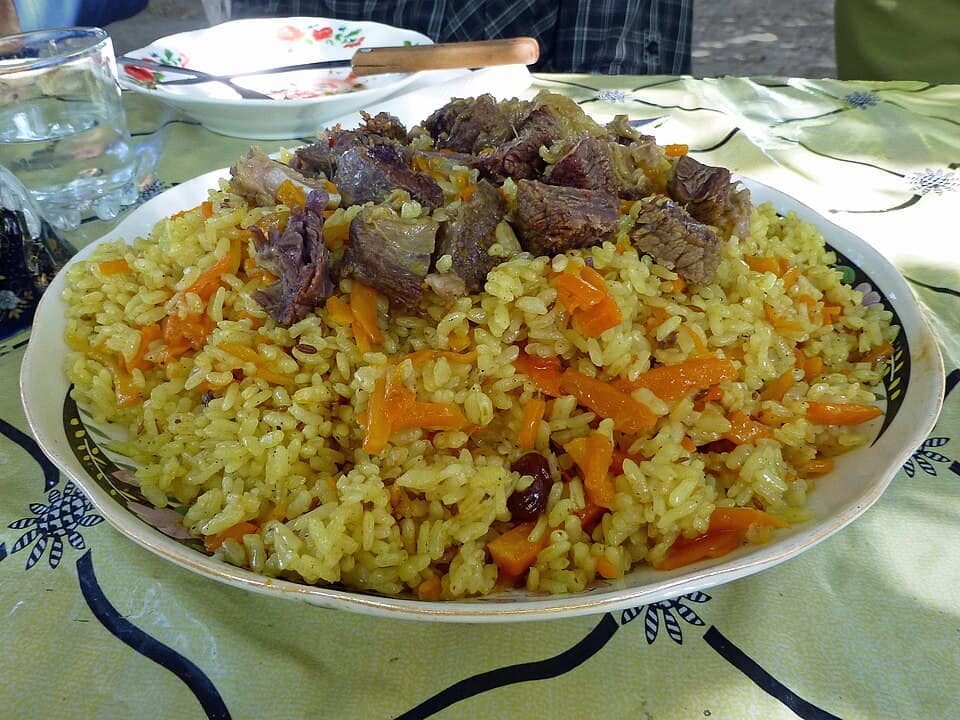
Settled oasis cities such as Samarkand and Bukhara cooked rice, fruit and bread, while nomadic Kazakh, Kyrgyz and Turkmen herders lived on mutton, horse meat and fermented milk. Silk Road trade spread noodles, dumplings and spices between China, Persia and the steppe; lagman reflects Uyghur and Dungan noodle-making. Under Soviet rule, Russian dishes and Korean deportees' salads entered the diet. UNESCO inscribed Uzbek palov culture and Tajik oshi palav in 2016.
Well documented
Geography and influences
Deserts, steppe and high mountains with irrigated river oases (the Amu Darya and Syr Darya valleys): wheat, rice, melons, apricots, grapes and sheep.
- Persian (Tajik) cooking
- Turkic nomadic traditions
- Uyghur and Chinese noodle-making
- Russian and Soviet cooking
Regional variations
- Uzbekistan
- Oasis cooking: many regional plovs (Tashkent, Samarkand, Bukhara), samsa, non bread.
- Kazakhstan and Kyrgyzstan
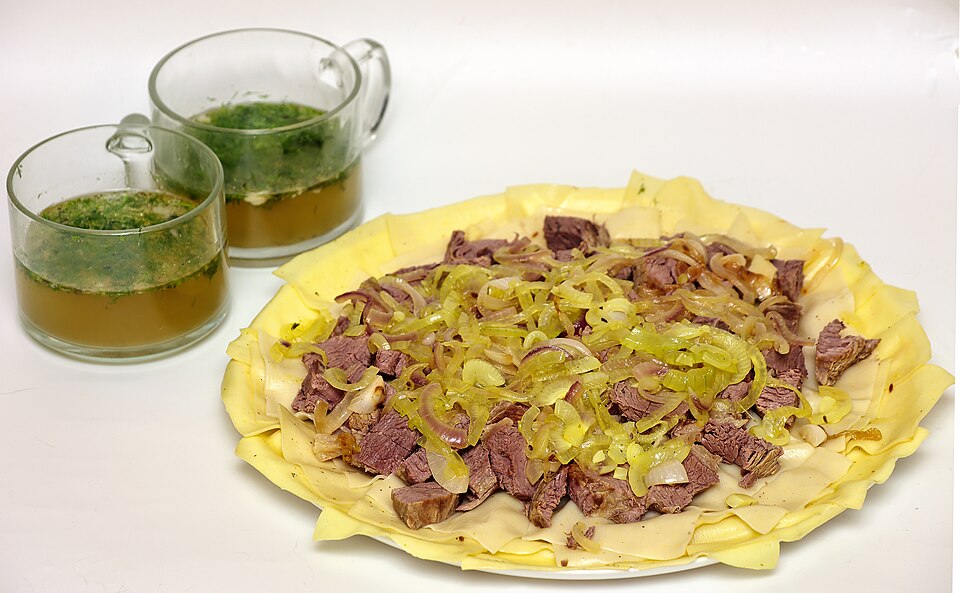
- Nomadic heritage: boiled meat with noodles (beshbarmak), horse meat, kumis.
- Tajikistan
- Persian-speaking: qurutob and oshi palav.
Festive and seasonal food
- Plov at weddings, births and gatherings (often cooked by men in huge kazans)
- Sumalak (sprouted-wheat pudding) at Navruz
- Beshbarmak for honoured guests
- Baursak at celebrations
Signature dishes
- Uzbek plov
- Lagman
- Samsa
- Uzbek manti
- Shurpa
- Achichuk
- Uzbek lamb shashlik
- Beshbarmak
- Baursak
- Kuyrdak
- Dimlama
- Chuchvara
- Ashlyam-fu
- Tajik non
Not on the site yet: Qurutob (Tajikistan), Kazy (horse-meat sausage), Norin
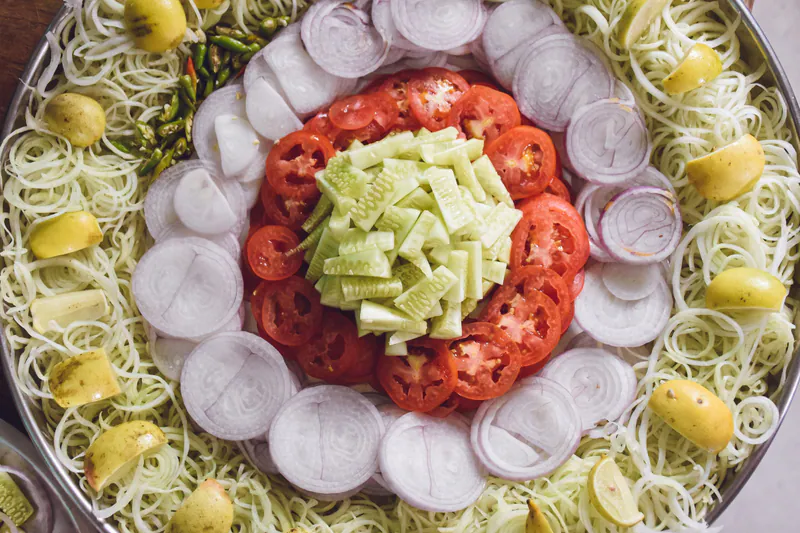
 Uzbek · 15 min · 33 kcal ·
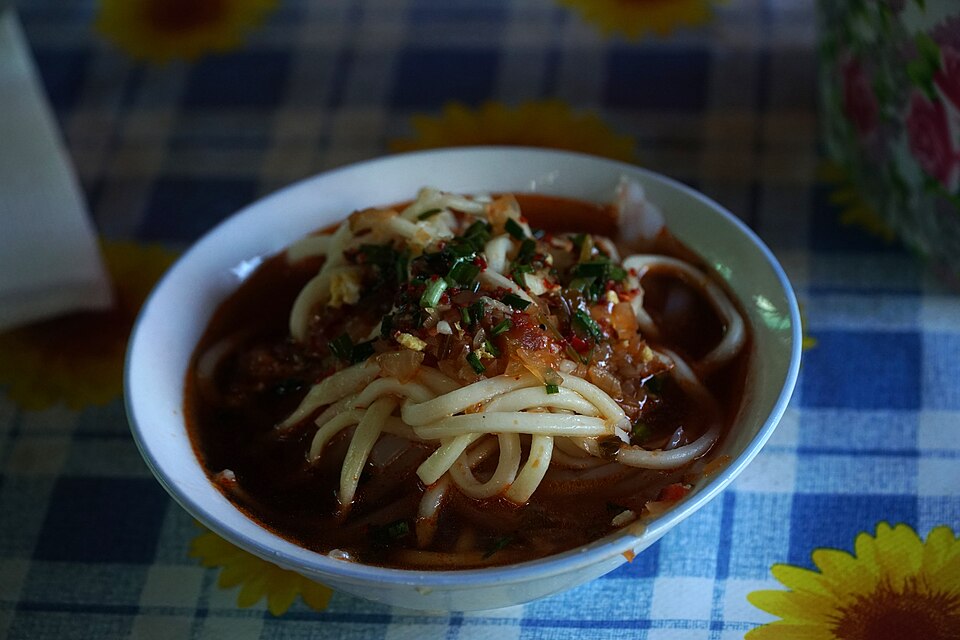
 Kyrgyz · 2 h 50 min · 578 kcal ·
 Kazakh · 1 h 55 min · 386 kcal ·
 Turkmen · 2 h 25 min · 530 kcal