
Rujak cingur (Surabaya salad with beef snout and petis dressing)
Non-vegetarian
Rujak cingur
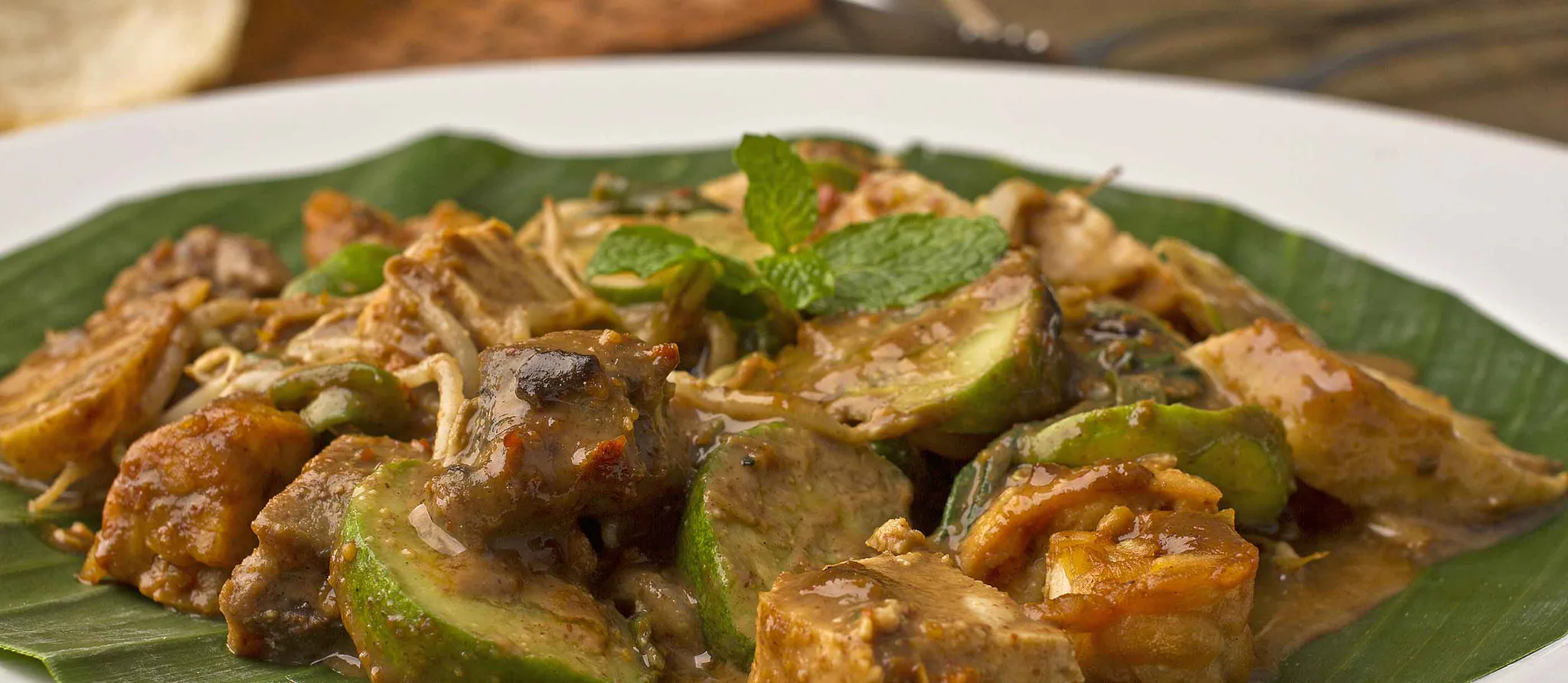
Tender slices of boiled beef snout, fried tofu and tempeh, blanched greens, cucumber and sour fruit, all tossed in a thick black dressing pounded from petis shrimp paste, peanuts, chilli, palm sugar and tamarind. The great composed salad of Surabaya, mixed to order in a stone mortar.
Rujak cingur (Surabaya salad with beef snout and petis dressing) is an Indonesian salad, ready in about 3 hours 10 minutes and made with beef snout (cow's nose and lips), petis udang (black shrimp paste) and roasted peanuts. It serves 4 and is rated intermediate to cook.
- Prep
- 40 min
- Cook
- 2 h 30 min
- Total
- 3 h 10 min
- Serves
- 4
- Level
- Intermediate
- Calories
- 680
Main ingredients
Ingredients
For the cingur
For the salad
For the dressing
To serve
Method
Cingur
2 h 35 minStep 1
Put the snout in a pot of cold water, bring to the boil for 5 minutes, then drain and rinse; scrape off any remaining hairs. Return to the pot with the 2 l fresh water, ginger, salam leaves (opens in a new tab) and salt and simmer for 2–2½ hours until tender but still slightly chewy.
- 150 min
- low heat
- Stockpot / large pot (opens in a new tab)
Food safety: Wash hands, boards and knives after handling raw meat, and keep it apart from salad and other ready-to-eat food.
A pressure cooker does this in about 40 minutes.
Step 2
Drain the snout, cool slightly and cut into thin, bite-size slices.
Salad
16 minStep 3
Fry the tofu (opens in a new tab) and tempeh (opens in a new tab) in the oil over medium-high heat until golden, 5–6 minutes. Drain and cut into cubes.
- 10 min
- medium-high heat
- Frying pan / skillet (opens in a new tab)
Food safety: Never leave hot oil unattended; keep the pan's handle turned inwards and lower food in gently, away from you.
Step 4
Blanch the water spinach (opens in a new tab), bean sprouts (opens in a new tab) and long beans separately in boiling water for 30–60 seconds each, then drain well.
- 6 min
- high heat
- Saucepan (opens in a new tab)
Dressing
11 minStep 5
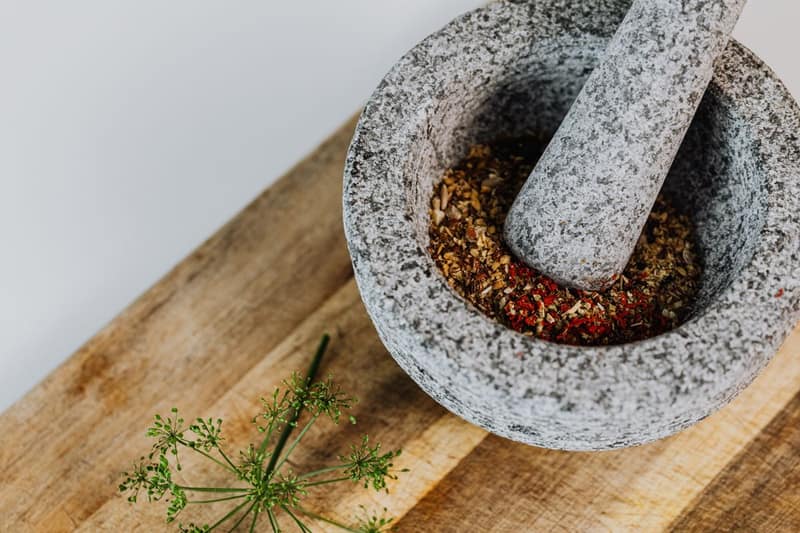
In a large mortar, pound the garlic (opens in a new tab) and chillies to a paste. Add the palm sugar (opens in a new tab) and peanuts and pound until coarsely ground. Work in the petis (opens in a new tab), tamarind, lime juice (opens in a new tab) and salt, then loosen with the warm water to a thick, glossy black dressing.
How it looks · Photo: https://kaboompics.com/ on Pexels Step 6
Add the snout, tofu (opens in a new tab), tempeh (opens in a new tab), vegetables, cucumber (opens in a new tab), mango, pineapple (opens in a new tab) and jackfruit (opens in a new tab) to the mortar or a large bowl and toss until everything is coated in the dressing. Serve at once with prawn crackers (opens in a new tab).
- 3 min
How it looks · Photo: Willians Huerta on Pexels
At a glance
1 · Cingur in a pot
 Beef snout (cow's nose and lips)
 Fresh ginger
 Salam leaves (Indonesian bay leaves)
 Salt
then fry
2 · Salad in a bowl
 Tofu
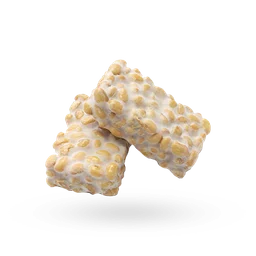 Tempeh
 Neutral vegetable oil
 Water spinach
 Bean sprouts
 Green beans
 Cucumber
 Raw green mango
 Pineapple
- Young green jackfruit
then pound
3 · Dressing in a bowl
- Petis udang (black shrimp paste)
 Roasted peanuts
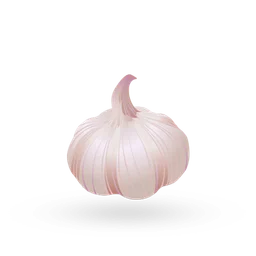 Garlic
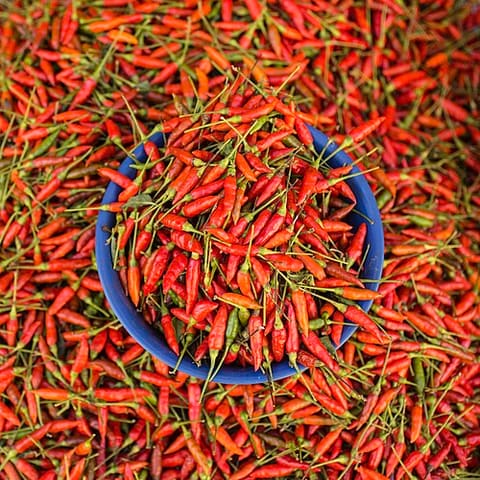 Fresh red chilli
 Jaggery / palm sugar
 Tamarind paste
 Lime juice
- Salt
About this dish
- Origin
- Surabaya, East Java, Indonesia · Well documentedCingur means 'lips' or 'snout' in Javanese. Rujak is made all over Indonesia, but the version with cingur and dark petis dressing is the signature of Surabaya and its surroundings.More food from Indonesia
Indonesia - Dish
- Lunch · Snack · Salads · Street food
- Cooking method
- Boiled, Blanched, Shallow-fried, No-cook
- Taste
- umami, sweet & spicy, nutty, tangy
- Diet
- Dairy-free · High-proteinWithout the optional extras: No gluten ingredientsWorked out from the ingredients. How labels work
All labels
Non-vegetarian · Dairy-free · Egg-free · Alcohol-free · Pork-free · High-protein · Low-fat - Good for
- Street food
- Cook more with
- Roasted peanuts · Fresh ginger · Salam leaves (Indonesian bay leaves) · Tofu · Tempeh · Water spinach
- Techniques
- Shallow-frying · Boiling · Simmering · Blanching · Knife skills
Allergens
- Contains: Crustaceansfrom petis udang (black shrimp paste), krupuk udang (prawn crackers)
- Contains: Peanutsfrom roasted peanuts
- May contain: Wheatfrom krupuk udang (prawn crackers)
- May contain: Glutenfrom krupuk udang (prawn crackers)
- Contains: Soyfrom tofu, tempeh
Based on typical versions of these ingredients and not verified allergen-free. Brands differ and cross-contact happens, so always check labels. For severe allergies, follow your clinician’s advice.
Nutrition
680 kcal per serving
Estimated1 serving ≈ 1127 g · recipe makes 4
Where the energy comes from
- Protein 29%
- Carbohydrate 29%
- Fat 43%
| Nutrient | Per serving | Per 100 g* |
|---|---|---|
| Energy | 680 kcal | 60 kcal |
| Protein | 51.9 g | 4.6 g |
| Carbohydrate | 51.8 g | 4.6 g |
| Net carbohydrate | 43.6 g | 3.9 g |
| Sugars | — | — |
| Added sugars | — | — |
| Fibre | 8.2 g | 0.7 g |
| Fat | 34.1 g | 3 g |
| Saturated fat | 6.2 g | 0.5 g |
| Trans fat | 0.3 g | 0 g |
| Cholesterol | 155 mg | 14 mg |
| Sodium | 1468 mg | 130 mg |
| Salt equivalent | 3.7 g | 0.3 g |
Vitamins & minerals per serving
- Potassium
- 1476 mg
- Calcium
- 574 mg
- Iron
- 10.7 mg
- Magnesium
- 232 mg
- Vitamin A (RAE)
- 208 µg
- Vitamin C
- 96 mg
- Vitamin D
- —
- Vitamin B12
- 10.8 µg
- Folate (DFE)
- 161 µg
How these numbers were made
- Calculated from USDA FoodData Central (SR Legacy) per-100 g values and the listed quantities.
- *Per 100 g of combined raw ingredients; the cooked dish may weigh more or less.
- Optional ingredients are not included: young green jackfruit, krupuk udang (prawn crackers).
- Not counted (tiny amounts or “to taste”): salam leaves (indonesian bay leaves).
- Beef snout (cow's nose and lips): Raw beef heart (FDC 168625) used as a rough stand-in for protein content; beef snout is mostly skin, cartilage and collagen with a little muscle and is somewhat fattier.
- Raw green mango: Ripe raw mango (FDC 169910) used as a stand-in; unripe green mango is more acidic and has less sugar, so sugars are slightly overstated.
- Petis udang (black shrimp paste): Oyster sauce (FDC 174529) used as a stand-in; petis is a thick, sweet-salty black paste of reduced shrimp or fish cooking liquid with palm sugar and starch, of broadly similar composition.
- Jaggery / palm sugar: Brown sugar (FDC 168833) used as a stand-in for unrefined cane jaggery and palm sugar.
- Tamarind paste: Raw tamarind pulp (FDC 167763). Commercial concentrates vary in water content.
- “—” means the value isn’t known for enough of the ingredients; it is never zero by default.
- Values are estimates for guidance, not for medical dosing. U.S. Department of Agriculture, Agricultural Research Service. FoodData Central, 2019. fdc.nal.usda.gov.
Good to know
Tips
- Ask your butcher or an Asian grocer for cleaned cingur; it is often sold pre-boiled in Indonesian shops.
- Taste the dressing before tossing: it should be sweet, salty, hot and pungent all at once.
Common mistakes
- Over-boiling the snout until it is soft and gluey; it should keep a gentle bite.
Serve with
- Serve with lontong (compressed rice cakes) for a full meal, and prawn crackers for crunch.
Food safety
- Wash hands, boards and knives after handling raw meat, and keep it apart from salad and other ready-to-eat food.
Storage
- Best eaten as soon as it is mixed. Boiled cingur keeps 2 days refrigerated; the dressing keeps 3 days.
Variations
- Rujak cingur without fruit: Some stalls skip the fruit and add more boiled vegetables and lontong.
- Rujak petis: A simpler rujak of vegetables, tofu and tempeh in the same petis dressing, without the snout.
Original editorial recipe · FriendsPantry editorial · source: TasteAtlas (dish facts) · Not yet independently reviewed · Added
Recipe DNA
How this dish is built
Built from the recipe’s own sections. Each band’s width is its share of the dish by weight. Choose a component to see what it does.
Binds and brightens
For the dressing
- Petis udang (black shrimp paste)4 tbsp · 77 g
- Roasted peanuts, fried or roasted, skins removed100 g
- Garlic2 clove · 8 g
- Fresh red chilli, bird's eye chillies; adjust to taste3 piece · 18 g
- Jaggery / palm sugar, Javanese palm sugar (gula jawa), shaved40 g
- Tamarind paste1 tbsp · 18 g
- Lime juice1 tbsp · 15 g
- Salt0.25 tsp · 1.5 g
- Water, warm80 ml · 80 g
Reviews & corrections
Reviews come from signed-in cooks and appear after a moderator checks them. We never show made-up ratings.
You might also like
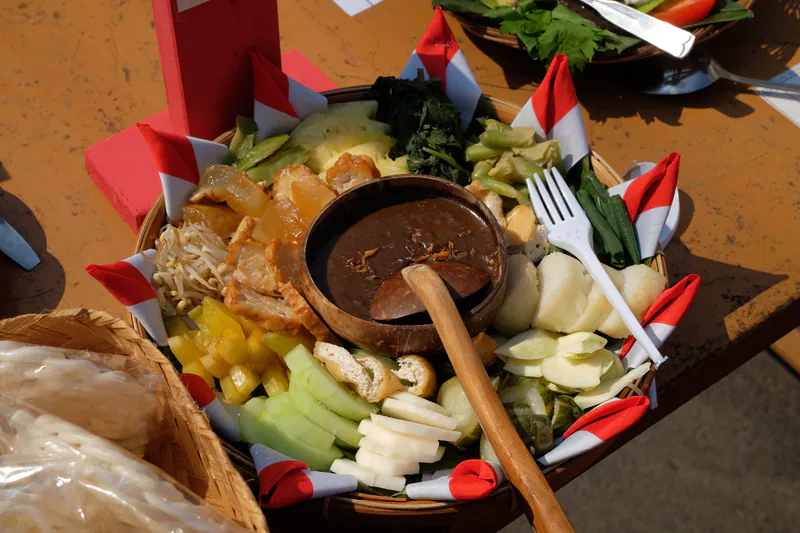
Gado-gado
 Indonesian · 55 min · 682 kcal · Contains egg
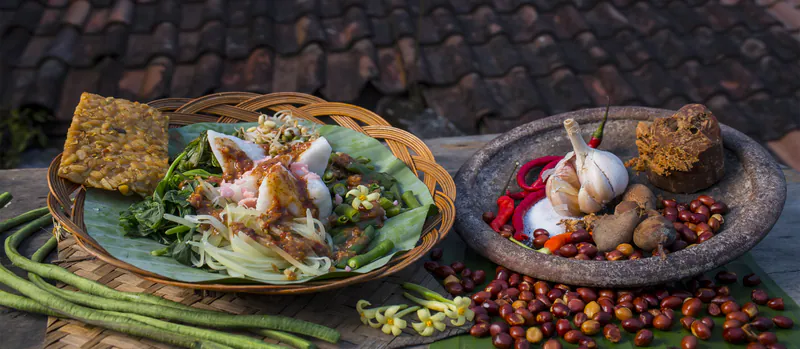
Pecel (Javanese vegetables with spicy peanut sauce)
Indonesian · 45 min · 511 kcal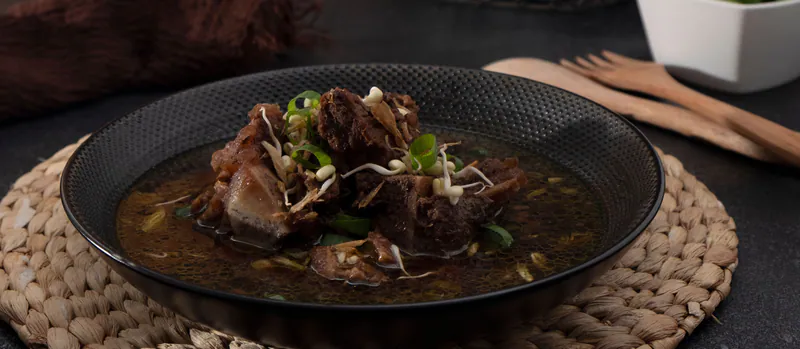
Rawon (East Javanese black beef soup)
Indonesian · 3 h · 610 kcal
Soto ayam
Indonesian · 1 h 25 min · 582 kcal