
Sauces, pastes & condiments · Asian sauces
Petis udang (black shrimp paste)
A thick, black, sweet shrimp paste from Java, used in rujak, tahu tek and lontong balap sauces.
Also called: petis, petis udang, black shrimp paste, Javanese shrimp paste (sweet), hae ko, hei ko, prawn paste (black)
Around the world: petis udang, petis (id) · petis, hae ko (ms)
What it is
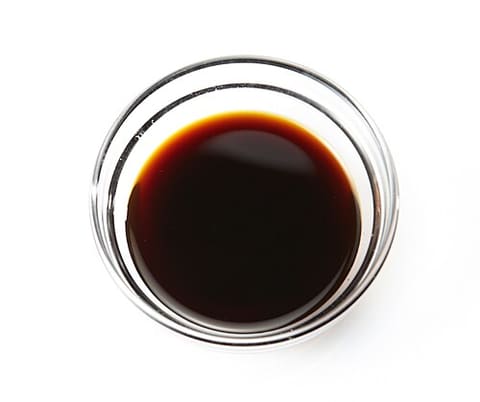
Petis is made by boiling down the liquid from cooking shrimp (or fish) with sugar and flour until it becomes a dark, glossy, toffee-like paste. It is sweeter and much less pungent than terasi (fermented shrimp paste). It is the base of the peanut and chilli sauces of East Javanese dishes such as rujak cingur, tahu tek and tahu campur.
How it’s used
- Rujak cingur and fruit rujak dressings
- Tahu tek and tahu campur sauces
- Lontong balap
- Dipping sauce for fried snacks
Characteristics
- Taste
- Sweet, salty and savoury with a mild shrimp flavour.
- Texture
- Thick and sticky like molasses.
- Appearance
- Glossy black.
- Sold as
- paste
- Cooking uses
- Mainly a seasoning
- Common in
- Indonesian
Storage
Refrigerated. Refrigerate after opening; keeps several months.
Diet, allergens and safety
Contains Crustaceans.
- Vegetarian
- Vegan
- Dairy-free
- Egg-free
- Gluten-free
- Nut-free
- Soy-free
- Caffeine-free
- Contains crustaceans, one of the most common and serious food allergens.
Nutrition per 100 g
- Energy
- 51 kcal
- Protein
- 1.35 g
- Carbohydrate
- 10.92 g
- Fat
- 0.25 g
- Fibre
- 0.3 g
- Sugars
- 0 g
USDA FoodData Central: Sauce, oyster, ready-to-serve (a close stand-in).
Substitutes
Optional — what works if you don’t have it, and how it changes the dish.
- Shrimp paste — A little toasted terasi mixed with kecap manis.
Related ingredients
Recipes with petis udang (black shrimp paste)
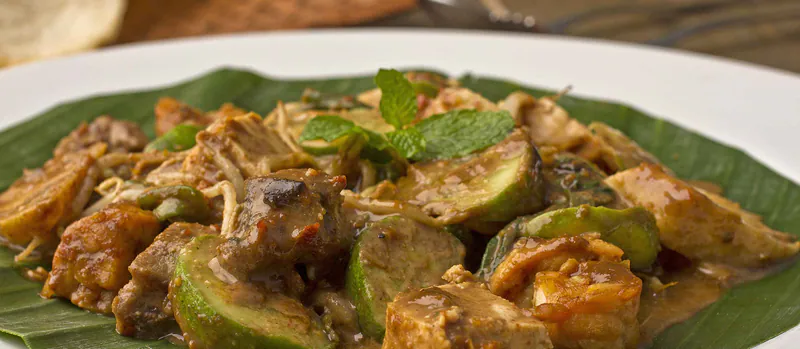
Rujak cingur (Surabaya salad with beef snout and petis dressing)
 Indonesian · 3 h 10 min · 680 kcal