
Pecel (Javanese vegetables with spicy peanut sauce)
Non-vegetarian
Pecel
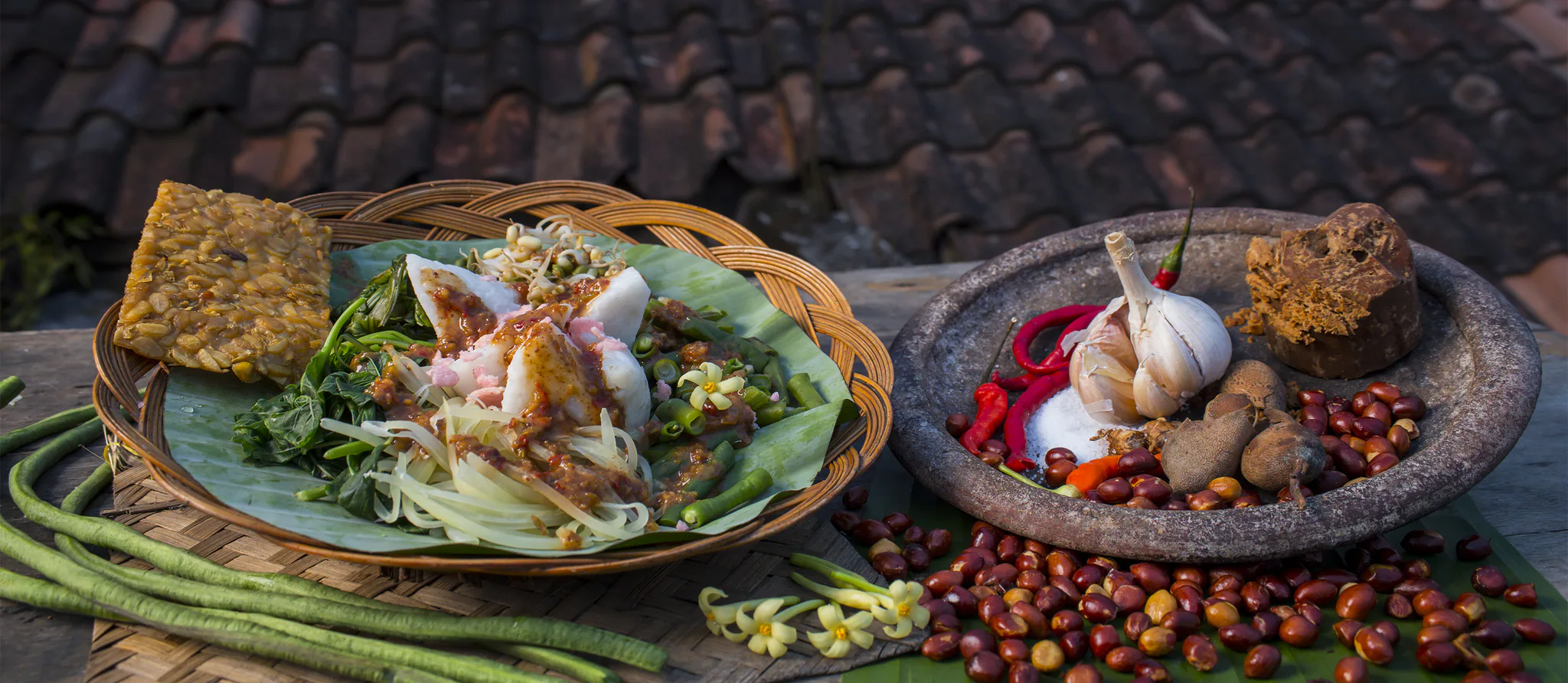
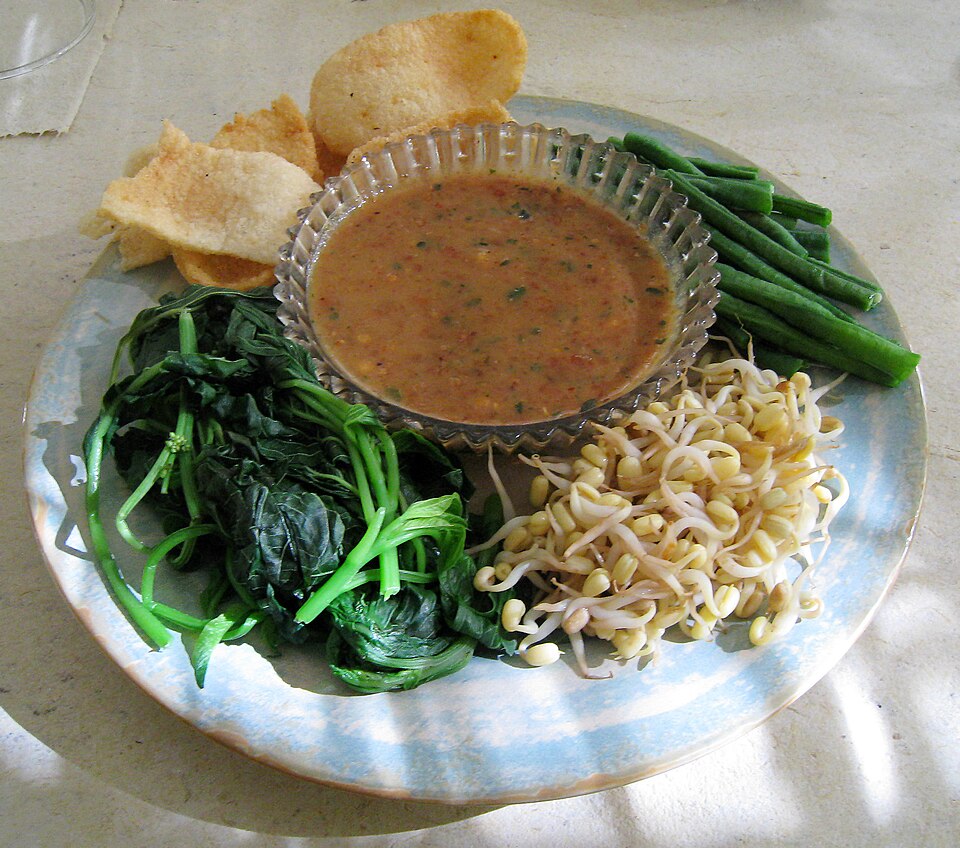
Blanched water spinach, bean sprouts, long beans and cabbage with raw cucumber, doused in a sweet, hot and tangy sauce of roasted peanuts, chilli, palm sugar, tamarind, kencur and lime leaves. An everyday East Javanese plate, often served on rice.
Pecel (Javanese vegetables with spicy peanut sauce) is an Indonesian salad, ready in about 45 minutes and made with peanuts, kencur (aromatic ginger) and jaggery / palm sugar. It serves 4 and is rated easy to cook.
- Prep
- 25 min
- Cook
- 20 min
- Total
- 45 min
- Serves
- 4
- Level
- Easy
- Calories
- 511
Main ingredients

Ingredients
For the peanut sauce
For the vegetables
To serve
Method
Peanut sauce
20 minStep 1
Fry the peanuts (opens in a new tab) in the oil over medium-low heat, stirring, for 6–8 minutes until golden and fragrant. Lift out and cool. Briefly fry the garlic (opens in a new tab), chillies and kencur (opens in a new tab) in the same oil for 1–2 minutes.
- 10 min
- medium-low heat
- Frying pan / skillet (opens in a new tab)
- Slotted spoon (opens in a new tab)
Step 2
Pound or grind the garlic (opens in a new tab), chillies, kencur (opens in a new tab), lime leaves, palm sugar (opens in a new tab), tamarind, shrimp paste (opens in a new tab) and salt to a paste, then add the peanuts (opens in a new tab) and grind to a coarse, thick paste.
A slightly coarse paste with bits of peanut is typical of pecel.
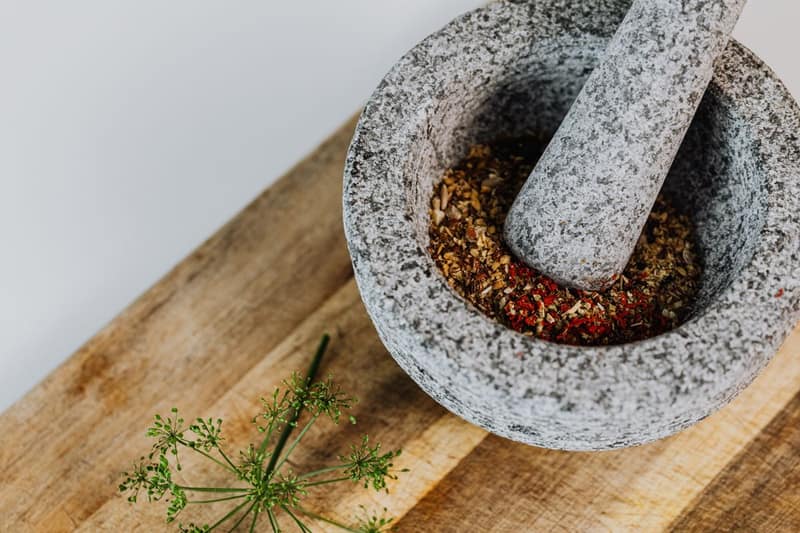
How it looks · Photo: https://kaboompics.com/ on Pexels Step 3
Stir in the hot water a little at a time until the sauce is thick but pourable. Taste: it should be sweet, hot and a little sour.
- 2 min
Vegetables
8 minStep 4
Blanch each vegetable separately in boiling salted water: the water spinach (opens in a new tab) and bean sprouts (opens in a new tab) for 30 seconds, the beans for 2–3 minutes and the cabbage (opens in a new tab) for 1 minute. Drain well.
To serve
3 minStep 5
Arrange the blanched vegetables and cucumber (opens in a new tab) on plates (over rice, if serving nasi pecel), pour over the peanut (opens in a new tab) sauce and add fried tempeh (opens in a new tab) on the side.
- 3 min
At a glance
1 · Peanut sauce in a pan
 Peanuts
 Neutral vegetable oil
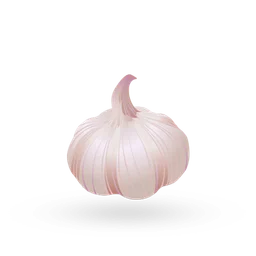 Garlic
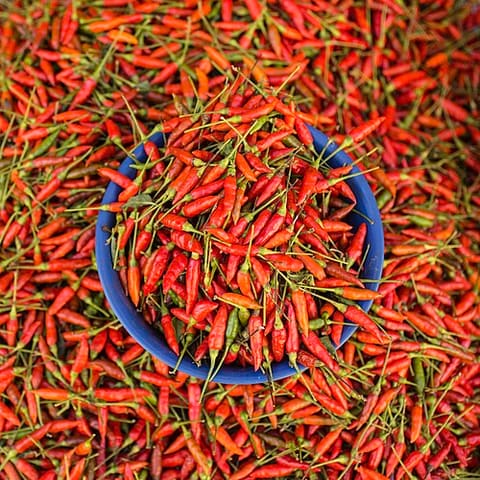 Fresh red chilli
- Kencur (aromatic ginger)
 Makrut lime leaves
 Jaggery / palm sugar
 Tamarind paste
 Shrimp paste
 Salt
then blanch
2 · Vegetables in a pan
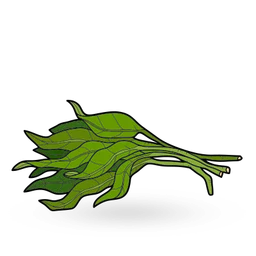 Water spinach
 Bean sprouts
 Green beans
 Cabbage
 Cucumber
then arrange
3 · To serve in a bowl
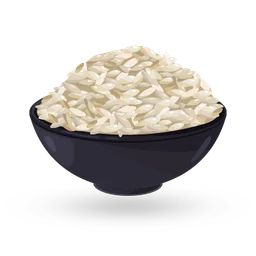 Long-grain white rice
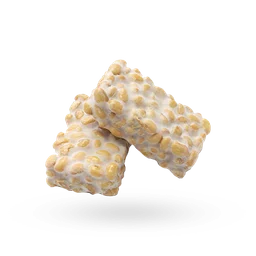 Tempeh
About this dish
- Origin
- East Java (Madiun, Blitar, Ponorogo), Indonesia · Well documentedMadiun is the best-known home of pecel; the peanut sauce is made in bulk as a dry paste (sambal pecel) and loosened with hot water to serve.Also popular in MalaysiaMore food from Indonesia
Indonesia - Dish
- Breakfast · Lunch · Salads · Main courses · Breakfast dishes
- Cooking method
- Blanched, Pan-fried, Blended
- Taste
- nutty, sweet & spicy, tangy, aromatic / warmly spiced
- Diet
- Pescatarian · No gluten ingredients · Dairy-freeWithout the optional extras: Vegan, Plant-based, Vegetarian (lacto-ovo), Eggetarian, Lacto-vegetarian, Ovo-vegetarianWorked out from the ingredients. How labels work
All labels
Pescatarian · Non-vegetarian · Flexitarian-friendly · No gluten ingredients · Dairy-free · Egg-free · Alcohol-free · Pork-free · Beef-free - Good for
- Everyday · Street food · Make-ahead
- Cook more with
- Peanuts · Kencur (aromatic ginger) · Jaggery / palm sugar · Garlic · Fresh red chilli · Makrut lime leaves
- Techniques
- Pan-frying · Boiling · Blanching · Wet grinding · Emulsification
Allergens
- Contains, can be adapted: Crustaceansfrom shrimp paste
- Contains: Peanutsfrom peanuts
- Contains, can be adapted: Soyfrom tempeh
Based on typical versions of these ingredients and not verified allergen-free. Brands differ and cross-contact happens, so always check labels. For severe allergies, follow your clinician’s advice.
Nutrition
511 kcal per serving
Estimated1 serving ≈ 430 g · recipe makes 4
Where the energy comes from
- Protein 13%
- Carbohydrate 29%
- Fat 58%
| Nutrient | Per serving | Per 100 g* |
|---|---|---|
| Energy | 511 kcal | 119 kcal |
| Protein | 18.3 g | 4.3 g |
| Carbohydrate | 40.3 g | 9.4 g |
| Net carbohydrate | 30.8 g | 7.2 g |
| Sugars | — | — |
| Added sugars | 14.6 g | 3.4 g |
| Fibre | 9.6 g | 2.2 g |
| Fat | 35.3 g | 8.2 g |
| Saturated fat | — | — |
| Trans fat | 0 g | 0 g |
| Cholesterol | 0 mg | 0 mg |
| Sodium | 699 mg | 163 mg |
| Salt equivalent | 1.7 g | 0.4 g |
Vitamins & minerals per serving
- Potassium
- 1006 mg
- Calcium
- 184 mg
- Iron
- 5.1 mg
- Magnesium
- 180 mg
- Vitamin A (RAE)
- 259 µg
- Vitamin C
- 81 mg
- Vitamin D
- 0 µg
- Vitamin B12
- 0 µg
- Folate (DFE)
- 227 µg
How these numbers were made
- Calculated from USDA FoodData Central (SR Legacy) per-100 g values and the listed quantities.
- *Per 100 g of combined raw ingredients; the cooked dish may weigh more or less.
- Optional ingredients are not included: shrimp paste, long-grain white rice, tempeh.
- Not counted (tiny amounts or “to taste”): makrut lime leaves.
- Kencur (aromatic ginger): Fresh ginger root used as a stand-in; kencur (Kaempferia galanga) is a small, camphor-scented rhizome used in similar small amounts.
- Jaggery / palm sugar: Brown sugar (FDC 168833) used as a stand-in for unrefined cane jaggery and palm sugar.
- Tamarind paste: Raw tamarind pulp (FDC 167763). Commercial concentrates vary in water content.
- “—” means the value isn’t known for enough of the ingredients; it is never zero by default.
- Values are estimates for guidance, not for medical dosing. U.S. Department of Agriculture, Agricultural Research Service. FoodData Central, 2019. fdc.nal.usda.gov.
Good to know
Tips
- Make a double batch of the paste without water; it keeps for weeks and turns into sauce in seconds with hot water.
Common mistakes
- Over-boiling the greens, which makes them watery and dilutes the sauce.
Serve with
- Serve with rice, fried tempeh or tofu, peyek (peanut crackers) and a fried egg.
- In Madiun it is served on a banana leaf (pincuk).

Storage
- The peanut paste (without water) keeps 2 weeks refrigerated; blanched vegetables are best eaten the same day.
Variations
- Nasi pecel: Pecel served over steamed rice with tempeh, tofu and peyek: a complete breakfast in East Java.
- Pecel lele: Despite the name, fried catfish with sambal and raw vegetables, sold at Javanese night stalls.
- Gado-gado: The Jakarta relative, with boiled egg, potato and a milder, creamier peanut sauce.
Original editorial recipe · FriendsPantry editorial · source: TasteAtlas (dish facts) · Not yet independently reviewed · Added
Sauces, chutneys & dips for this dish
Recipe DNA
How this dish is built
Built from the recipe’s own sections. Each band’s width is its share of the dish by weight. Choose a component to see what it does.
What the dish is built around
For the vegetables
- Water spinach, leaves and tender stems, cut into 6 cm lengths1 bunch · 300 g
- Bean sprouts, tails trimmed150 g
- Green beans, long beans or green beans, cut into 5 cm lengths150 g
- Cabbage, shredded200 g
- Cucumber, sliced, raw1 piece · 300 g
Reviews & corrections
Reviews come from signed-in cooks and appear after a moderator checks them. We never show made-up ratings.
You might also like
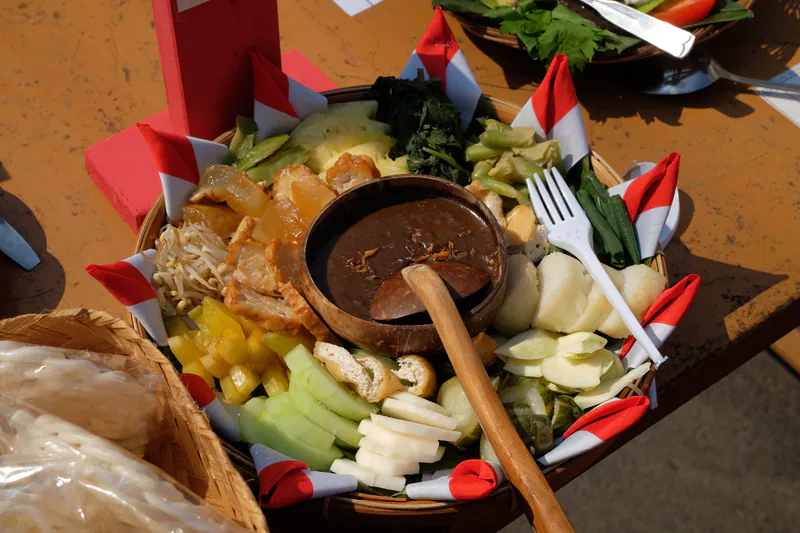
Gado-gado
 Indonesian · 55 min · 682 kcal · Contains egg
Bumbu kacang (peanut satay sauce)
Indonesian · 30 min · 164 kcal · Vegan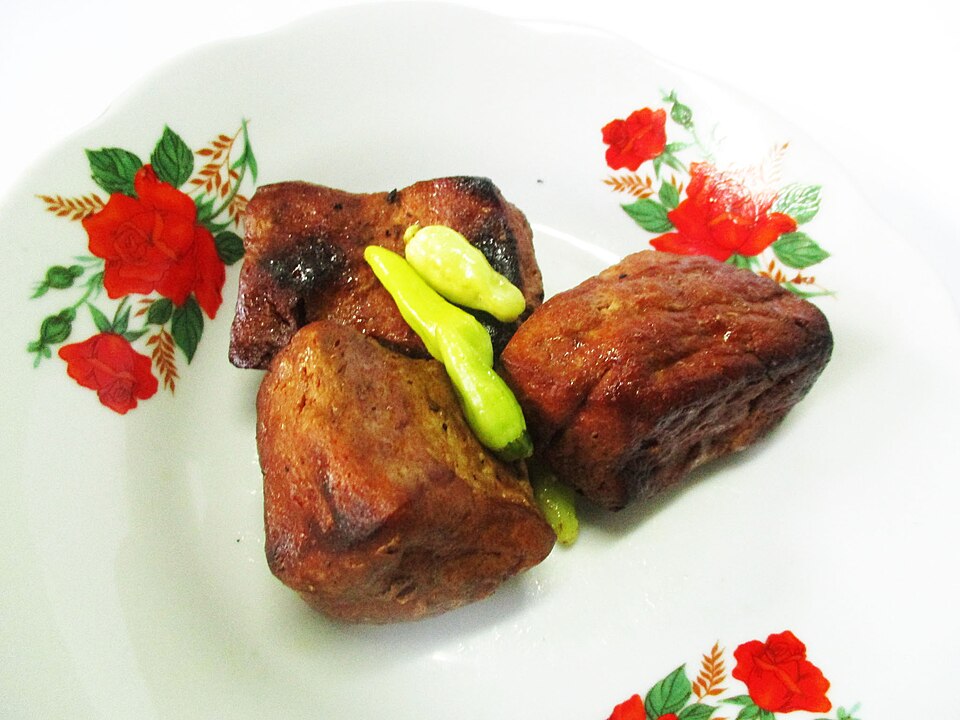
Tempe bacem
Indonesian · 55 min · 413 kcal · Vegan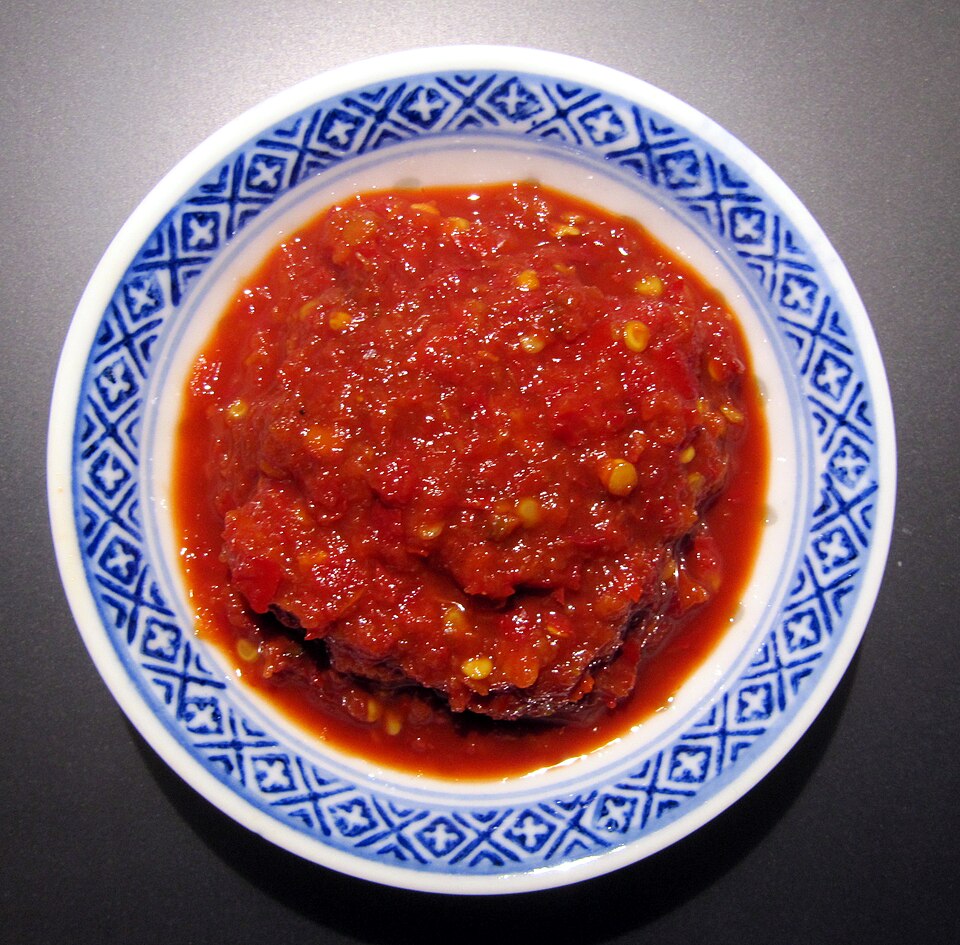
Sambal oelek
Indonesian · 20 min · 7 kcal · Vegan