
Ingredients and chemistry · beginner
Enzymatic browning
Cut apples, potatoes, brinjal and avocados turn brown because an enzyme reacts with air.
What happens
When plant cells are cut or bruised, an enzyme called polyphenol oxidase (PPO) meets phenolic compounds and oxygen from the air. The enzyme turns the phenolics into quinones, which link together into brown pigments, similar to melanin. It needs three things together: the enzyme, the phenolic compounds and oxygen. Remove any one and browning slows or stops. Acid, cold, keeping air away and heat that destroys the enzyme (blanching) all work. This browning is not dangerous, but it changes colour and sometimes flavour.
Why it matters in the kitchen
Knowing the cause means you can keep cut fruit, potatoes and brinjal looking fresh, and understand the same reaction when it's wanted, as in black tea.
Temperatures and conditions
- Fastest at room temperature 20–40 °C
- Slowed by refrigeration 0–5 °C
- Enzyme inactivated by blanching 70–100 °C · Brief blanching, then cooling, before freezing vegetables.
In practice
- Cut apple, pear or banana turning brown.
- Peeled potatoes and cut brinjal darkening unless kept in water.
- Guacamole browning on its surface.
- Black tea: tea leaves are rolled to break cells, letting PPO oxidise them, while green tea is heated early to stop the enzyme.
Myths and facts
Myth: Putting the avocado stone in guacamole stops it browning.
Fact: It only protects the small area it covers from air. Pressing film onto the whole surface or adding lime juice works far better.
Myth: A browned apple has gone bad.
Fact: The browning is a harmless reaction; the fruit is safe though less attractive.
Myth: Black banana skins in the fridge mean the fruit is spoiled.
Fact: Cold damages the skin cells and releases the enzyme, so the skin darkens while the flesh is often fine.
Use it to cook better
- Drop cut potatoes, brinjal and lotus root into cold water until cooking.
- Toss cut apples, pears or avocado with lemon or lime juice.
- Press cling film directly onto the surface of guacamole or cut avocado.
- Blanch vegetables briefly before freezing to destroy browning enzymes.
- Cut fruit for salads close to serving time and keep it cold.
Try it at home
Stop the browning
You need: 1 apple, Lemon juice, A glass of water, Cling film, 4 small plates
- Cut the apple into 4 equal slices.
- Leave one plain, brush one with lemon juice, drop one into water and wrap one tightly in cling film.
- Check after 30 minutes and after 2 hours.
What you’ll see: The plain slice browns first; the lemon, water and wrapped slices stay pale longer because acid or lack of air slows the enzyme.
Going deeper
Ascorbic acid (vitamin C) both lowers pH and converts quinones back to colourless phenolics until it is used up, which is why lemon juice is so effective. Some sulphur compounds also inhibit PPO, which is why commercial dried fruit is often treated with sulphites. Varieties differ a lot in PPO and phenolic content, so some apples brown in minutes and others barely at all.
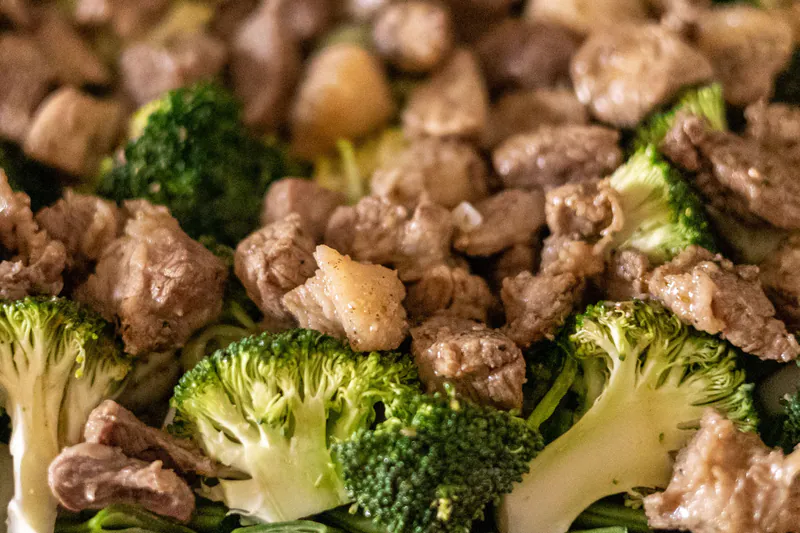
 Cantonese · 30 min · 309 kcal
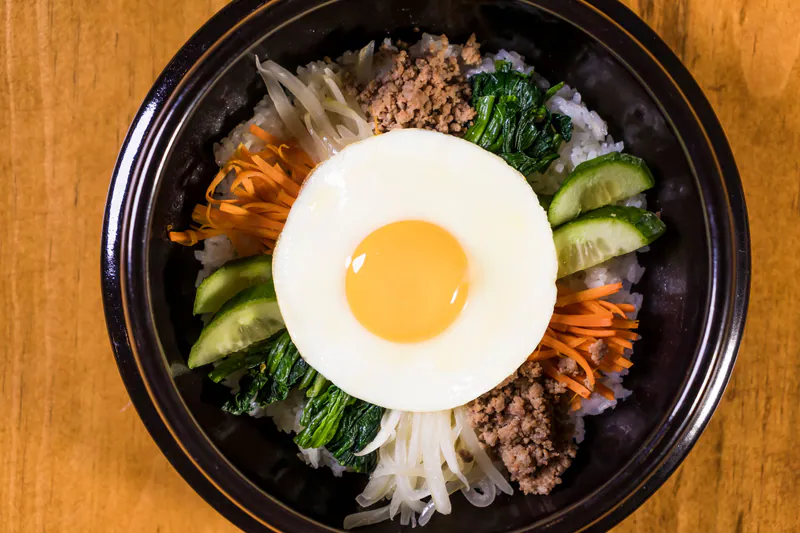
 Korean · 1 h · 657 kcal
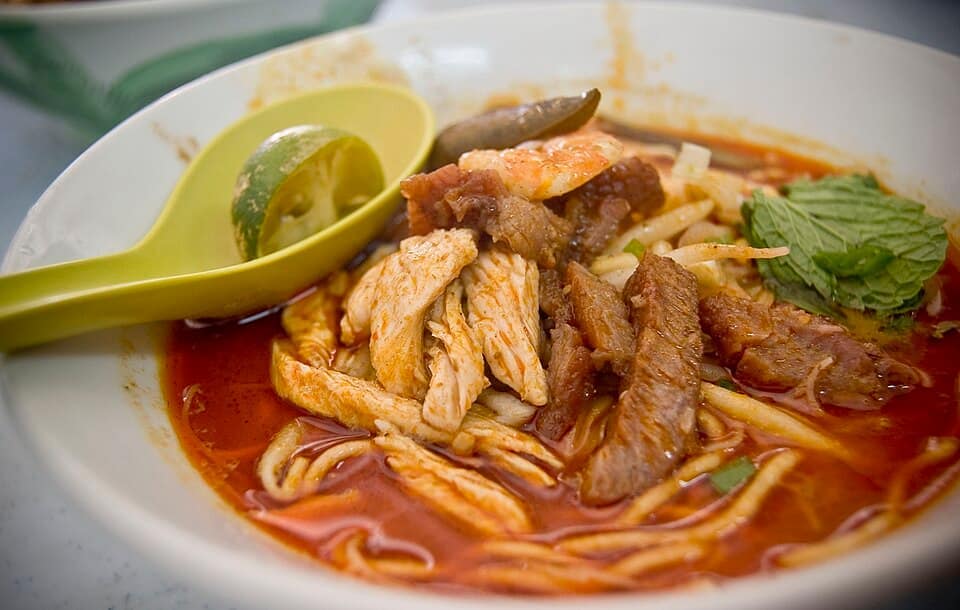
 Malaysian · 1 h 5 min · 950 kcal
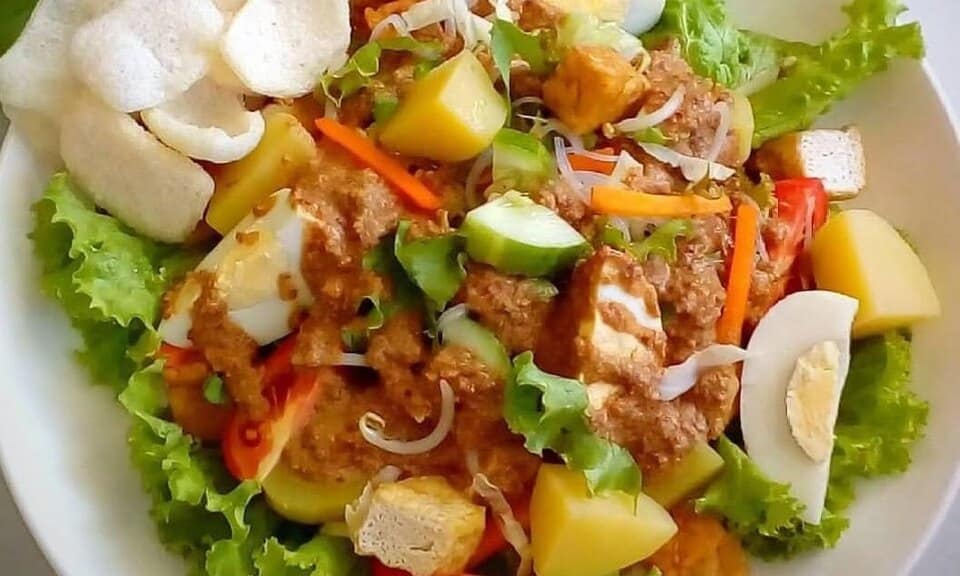
 Indonesian · 55 min · 682 kcal ·
 Ethiopian · 40 min · 169 kcal ·
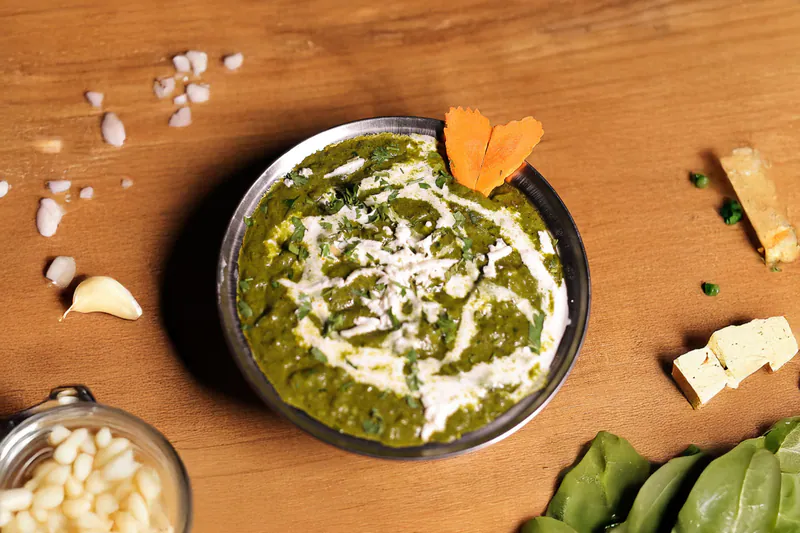
 Punjabi · 40 min · 344 kcal ·
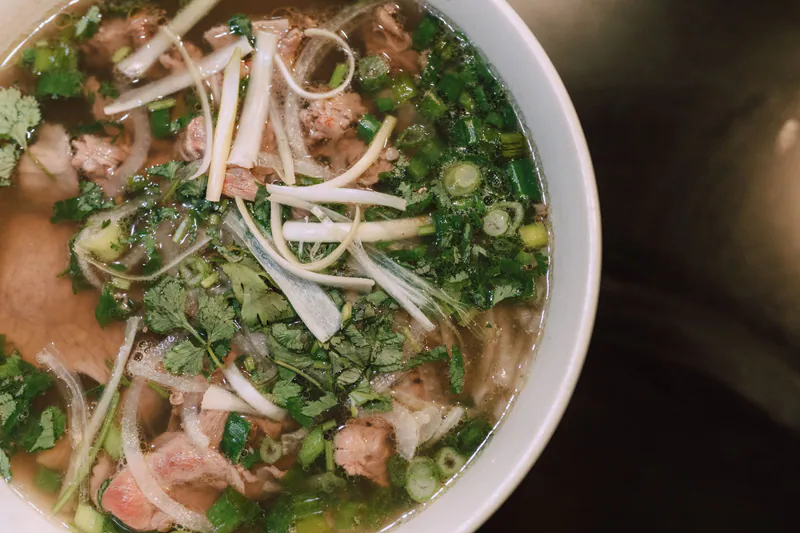
 Vietnamese · 1 h 15 min · 624 kcal