
 Macedonian · Balkan · Breads & flatbreads
Kozinjak (Macedonian Easter sweet bread)
Contains egg (no meat or fish)
Козињак · kozinjak
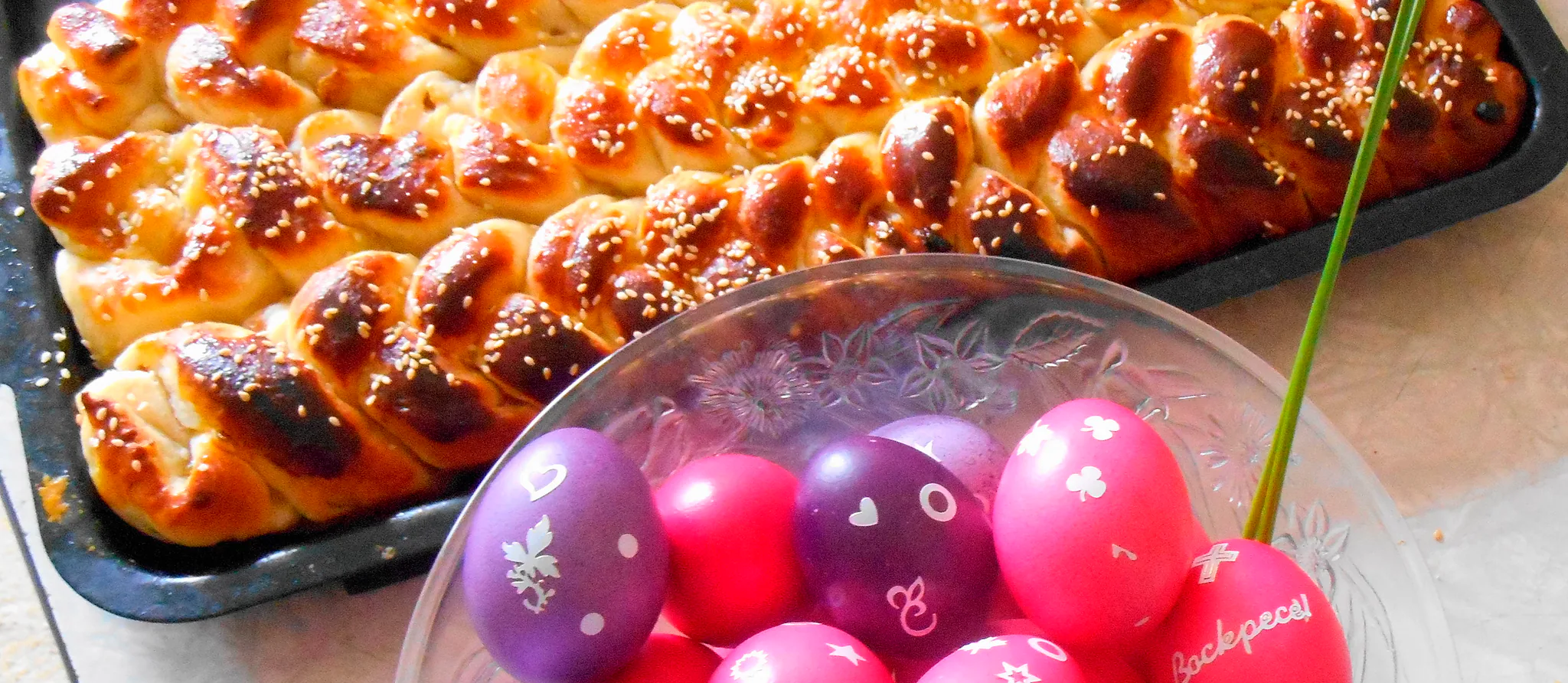
A soft, stringy Macedonian Easter bread enriched with eggs, milk and butter, scented with lemon and orange zest and studded with rum-soaked raisins. It is braided, glazed with yolk and baked under a crackly crust of sugar.
Kozinjak (Macedonian Easter sweet bread) is a Macedonian bread from North Macedonia, ready in about 3 hours 50 minutes and made with all-purpose flour, egg and butter. It serves 12 and is rated intermediate to cook.
- Prep
- 40 min
- Cook
- 40 min
- Rest
- 2 h 30 min
- Total
- 3 h 50 min
- Serves
- 12
- Level
- Intermediate
- Calories
- 360
Main ingredients
Ingredients
For the raisins
For the dough
For the glaze
Method
Raisins
1 minStep 1
Soak the raisins (opens in a new tab) in the rum (opens in a new tab) while you make the dough.
- 1 min
Dough
36 minStep 2
Stir the yeast and 1 tsp of the sugar (opens in a new tab) into the warm milk (opens in a new tab) and leave for 10 minutes until foamy.
- 10 min
Step 3
In a mixer bowl beat the eggs (opens in a new tab) with the rest of the sugar (opens in a new tab), zests, vanilla (opens in a new tab) and salt. Add the yeast mixture and the flour and knead for 5 minutes, then add the melted butter (opens in a new tab) a little at a time and knead for 10 minutes more until the dough is soft, glossy and pulls away from the bowl. Work in the drained raisins (opens in a new tab).
The dough should be soft and slightly sticky; oil your hands rather than adding a lot of flour.

How it looks · Photo: Kampus Production on Pexels Step 4
Cover and leave to rise in a warm place until doubled, about 1½ hours.
Step 5
Divide the dough into 3 and roll each into a 45 cm rope. Braid them, tuck the ends under and set on a lined tray (or coil into a round tin). Cover and rise for 45–60 minutes until puffy.
Glaze
40 minStep 6
Heat the oven (opens in a new tab) to 180 °C. Brush the bread with the yolk beaten with milk (opens in a new tab) and sprinkle thickly with sugar (opens in a new tab). Bake for 35–40 minutes until deep golden; cover loosely with foil if it browns too fast. Cool on a rack.
At a glance
1 · Raisins in a bowl
 Raisins
 Rum
then stir
2 · Dough in a bowl
 Milk
 Dried yeast
 Sugar
 All-purpose flour
 Egg
 Butter
 Lemon zest
 Orange zest
 Vanilla extract
 Salt
then heat
3 · Glaze in a pan
 Egg yolk
- Milk
- Sugar
About this dish
- Origin
- North Macedonia · Well documentedBaked for Easter across North Macedonia, where it is also called milibrod; it is a close relative of Bulgarian kozunak and Romanian cozonac.More food from North Macedonia
North Macedonia - Dish
- Breakfast · Snack · Breads & flatbreads · Sweets & confectionery
- Cooking method
- Oven-baked
- Taste
- sweet, citrusy, buttery
- Diet
- Vegetarian (lacto-ovo) · No nut ingredientsWorked out from the ingredients. How labels work
All labels
Vegetarian (lacto-ovo) · Eggetarian · Pescatarian · Flexitarian-friendly · No nut ingredients · Pork-free · Beef-free - Good for
- Festive & celebration · Make-ahead
- Techniques
- Baking · Kneading · Fermentation
Allergens
- Contains: Milkfrom milk, butter
- Contains: Eggsfrom egg, egg yolk
- Contains: Wheatfrom all-purpose flour
- Contains: Glutenfrom all-purpose flour
- May contain: Sulphitesfrom raisins
Based on typical versions of these ingredients and not verified allergen-free. Brands differ and cross-contact happens, so always check labels. For severe allergies, follow your clinician’s advice.
Nutrition
360 kcal per serving
Calculated1 serving ≈ 117 g · recipe makes 12
Where the energy comes from
- Protein 9%
- Carbohydrate 66%
- Fat 24%
| Nutrient | Per serving | Per 100 g* |
|---|---|---|
| Energy | 360 kcal | 307 kcal |
| Protein | 8.2 g | 7 g |
| Carbohydrate | 58.5 g | 50 g |
| Net carbohydrate | 56.4 g | 48.2 g |
| Sugars | 18.7 g | 16 g |
| Added sugars | 12.1 g | 10.3 g |
| Fibre | 2.1 g | 1.8 g |
| Fat | 9.5 g | 8.1 g |
| Saturated fat | 5.2 g | 4.5 g |
| Trans fat | — | — |
| Cholesterol | 82 mg | 70 mg |
| Sodium | 181 mg | 155 mg |
| Salt equivalent | 0.5 g | 0.4 g |
Vitamins & minerals per serving
- Potassium
- 171 mg
- Calcium
- 46 mg
- Iron
- 2.8 mg
- Magnesium
- 18 mg
- Vitamin A (RAE)
- 91 µg
- Vitamin C
- 2 mg
- Vitamin D
- 0.6 µg
- Vitamin B12
- 0.2 µg
- Folate (DFE)
- 175 µg
How these numbers were made
- Calculated from USDA FoodData Central (SR Legacy) per-100 g values and the listed quantities.
- *Per 100 g of combined raw ingredients; the cooked dish may weigh more or less.
- “—” means the value isn’t known for enough of the ingredients; it is never zero by default.
- Values are estimates for guidance, not for medical dosing. U.S. Department of Agriculture, Agricultural Research Service. FoodData Central, 2019. fdc.nal.usda.gov.
Good to know
Tips
- Tear a slice rather than cutting it to see the long, stringy strands that mark a well-kneaded kozinjak.
Common mistakes
- Adding too much flour to a sticky dough, which gives a dry, dense loaf.
Serve with
- Serve at Easter breakfast with dyed eggs, white cheese and coffee.
Storage
- Keeps 3–4 days wrapped in a cloth or bag at room temperature; freezes well for 2 months.
Variations
- Kozunak (Bulgaria) (Bulgaria): The Bulgarian Easter bread, often sprinkled with almonds.
- Kozinjak with poppy seeds: Some families sprinkle poppy or sesame seeds over the glaze instead of sugar.
Original editorial recipe · FriendsPantry editorial · source: TasteAtlas (dish facts) · Not yet independently reviewed · Added
Recipe DNA
How this dish is built
Reviews & corrections
Reviews come from signed-in cooks and appear after a moderator checks them. We never show made-up ratings.
You might also like
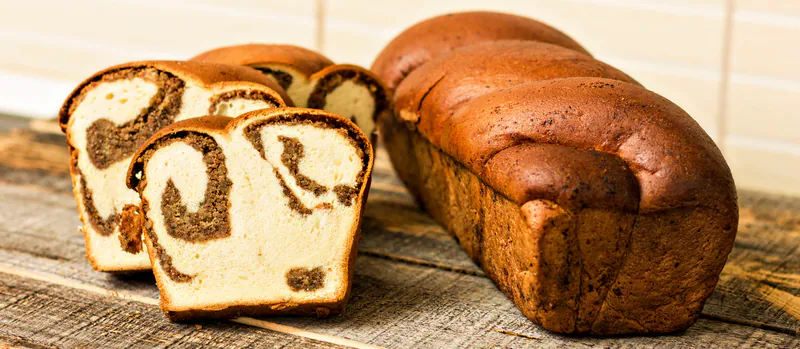
Kozunak (Bulgarian Easter sweet bread)
 Bulgarian · 4 h 20 min · 2234 kcal · Contains egg

Panettone (home method)
 Italian · 1 h 50 min · 399 kcal · Contains egg
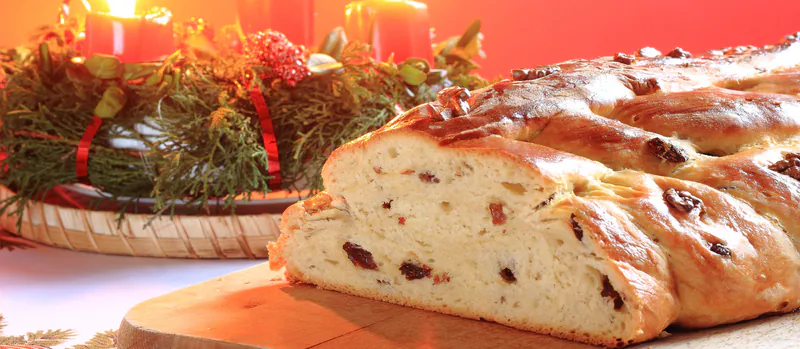
Vánočka (Czech Christmas braided bread)
 Czech · 3 h 50 min · 327 kcal · Contains egg
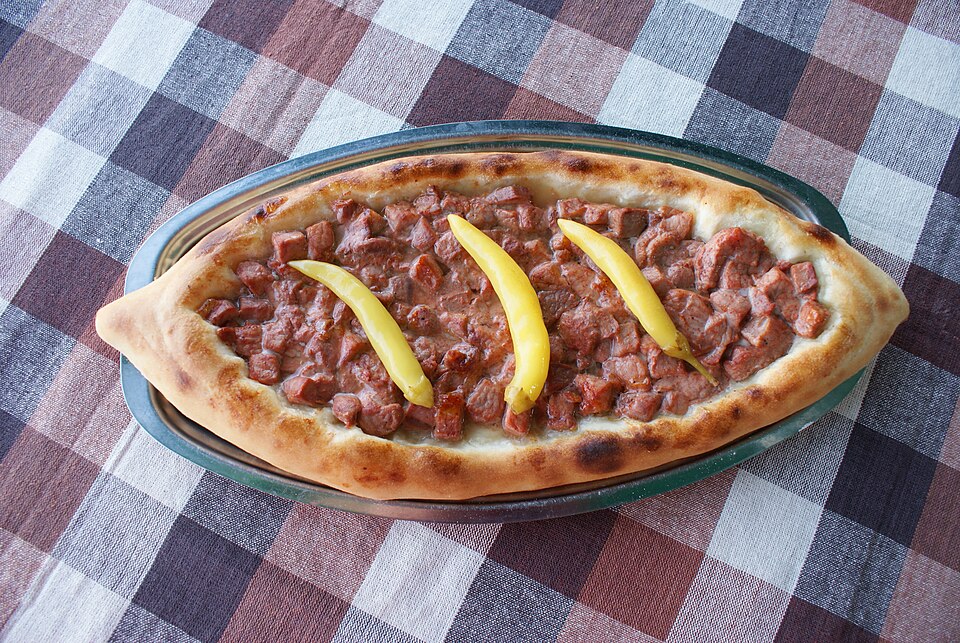
Pastrmajlija
Macedonian · 1 h 40 min · 801 kcal