
Fruits · Citrus
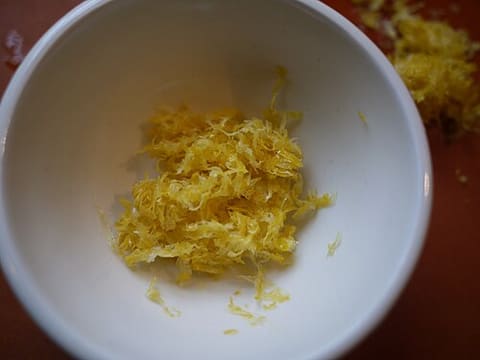
Lemon zest
The finely grated yellow outer skin of a lemon, rich in aromatic oils; adds citrus fragrance without acidity.
Also called: lemon peel, grated lemon rind
A kind of lemon
Photo: Rebecca Siegel, via Wikimedia Commons (CC-BY-2.0)
What it is
Lemon zest is the thin, coloured outermost layer of lemon peel, grated or pared without the bitter white pith underneath. It carries the fruit's fragrant oils, so it gives a strong lemon aroma with little sourness. Wash or scrub the fruit first; unwaxed lemons are preferred.
How it’s used
- Grated into cakes, biscuits and sweet doughs
- Stirred into gremolata, risotto and pasta
- Rubbed into sugar for curd and syrups
- Added to marinades and dressings for fragrance
Characteristics
Storage
Frozen. Best zested just before use; extra zest can be frozen in a small sealed container and used from frozen.
Diet, allergens and safety
No major allergens in typical versions.
- Vegetarian
- Vegan
- Dairy-free
- Egg-free
- Gluten-free
- Nut-free
- Soy-free
- Caffeine-free
Nutrition per 100 g
- Energy
- 47 kcal
- Protein
- 1.5 g
- Carbohydrate
- 16 g
- Fat
- 0.3 g
- Fibre
- 10.6 g
- Sugars
- 4.17 g
USDA FoodData Central: Lemon peel, raw.
Substitutes
Optional — what works if you don’t have it, and how it changes the dish.
- Orange or lime zest — Swap 1:1; changes the citrus character.
Related ingredients
Recipes with lemon zest
See all 29Alfajores de maicena
 Argentine · 1 h 50 min · 170 kcal · Contains egg
Arroz doce
 Portuguese · 1 h 55 min · 278 kcal · Contains egg

Blueberry Muffins
 American · 47 min · 220 kcal · Contains egg
Buchty
 Czech · 2 h 30 min · 245 kcal · Contains egg
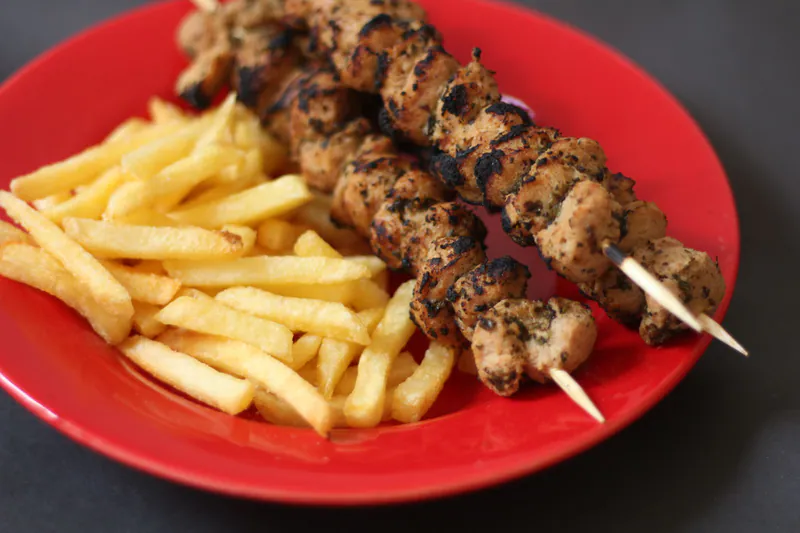
Chicken souvlaki
 Greek · 2 h 27 min · 370 kcal

Chocolate babka
 Polish · 15 h 25 min · 349 kcal · Contains egg
Cocada amarela
 Angolan · 1 h 40 min · 352 kcal · Contains egg
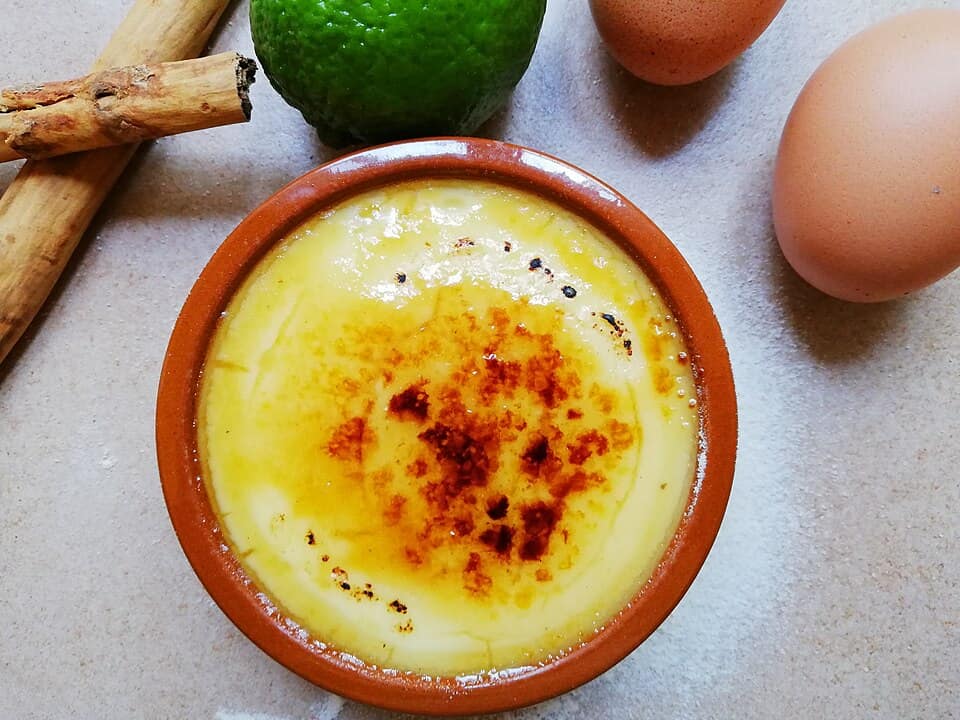
Crema catalana
 Spanish · 3 h 30 min · 288 kcal · Contains egg

Dresden Christmas stollen
 German · 16 h 45 min · 275 kcal · Vegetarian
Galaktoboureko
Greek · 3 h 30 min · 421 kcal · Contains eggGremolata
 Italian · 8 min · 5 kcal · Vegan
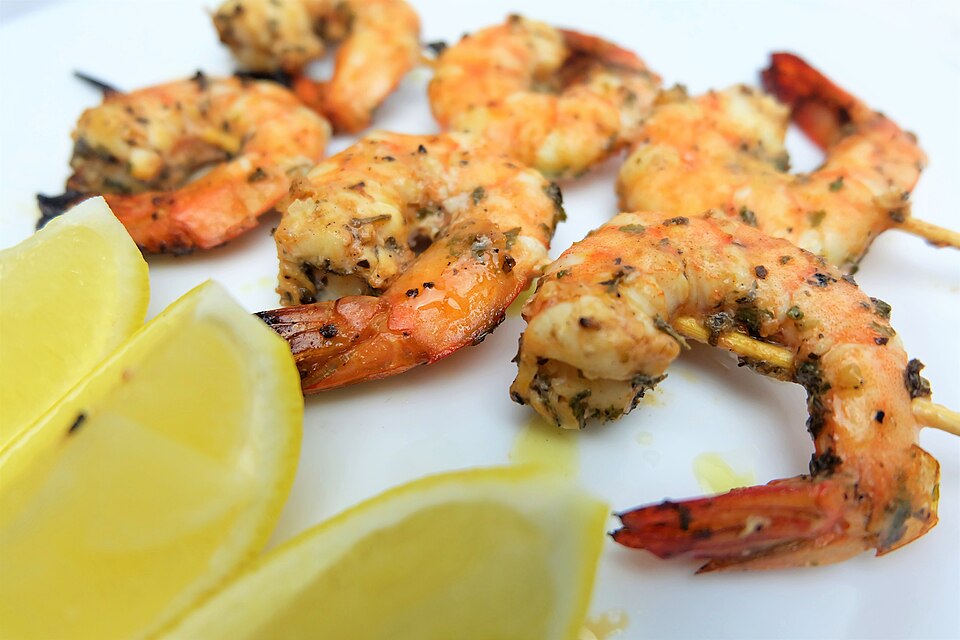
Grilled Garlic Prawn Skewers
Mediterranean · 35 min · 196 kcal
17 more
- Grilled Lemon-Herb Salmon · International
- Hot cross buns · British
- Lemon drizzle cake · British
- Lemon Garlic Baked Salmon · International
- Lemon-Olive Oil Vinaigrette · Mediterranean
- Madeleines · French
- Mashuai · Omani
- Meggyleves · Hungarian
- Melting moments · Australian
- New York cheesecake · American
- Osso buco alla milanese · Italian
- Papanași · Romanian
- Pastéis de nata · Portuguese
- Potica (walnut roll) · Slovenian
- Stracciatella alla romana · Italian
- Tarta de Santiago · Spanish
- Versunkener Apfelkuchen · German
More citrus
Citrus
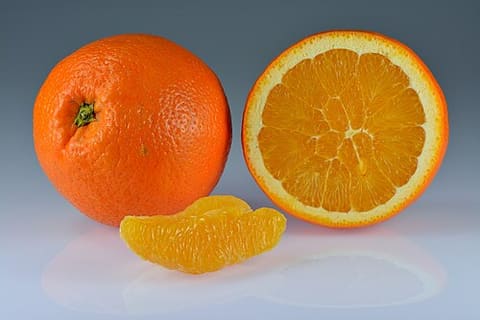
Orange
Sweet, juicy citrus fruit with an orange rind; eaten fresh, juiced and used in salads, marinades and baking.
31 recipes
Citrus
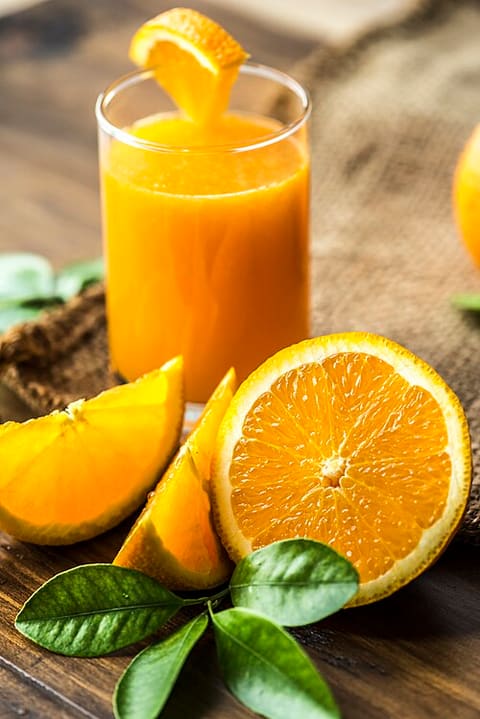
Orange juice
Juice of sweet oranges, fresh or bottled; drunk on its own and used in marinades, glazes, cakes and smoothies.
13 recipes

Citrus
Lemon
Bright yellow, sour citrus fruit; its juice, zest and flesh add acidity and fresh aroma to almost every cuisine.
341 recipes
Citrus
Lemon juice
The sour juice squeezed from lemons; adds brightness, balances richness and stops cut fruit browning.
272 recipes
Citrus
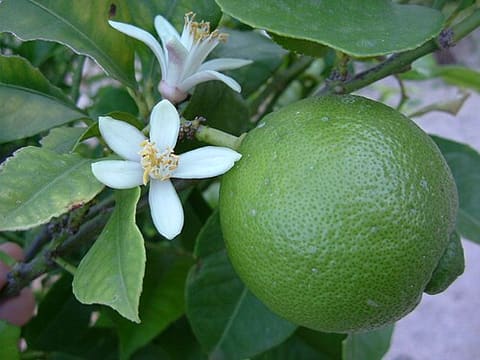
Lime
Small, green, sour citrus fruit; its juice and zest season Thai, Mexican, Indian and Caribbean food.
188 recipes
Citrus
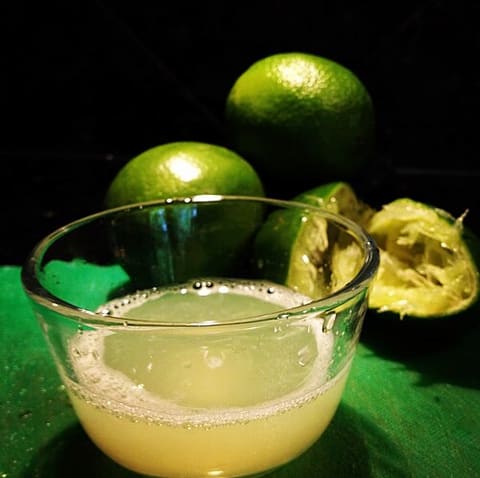
Lime juice
Sharp juice of fresh limes; sours ceviche, salsas, Thai salads and drinks.
140 recipes
Citrus
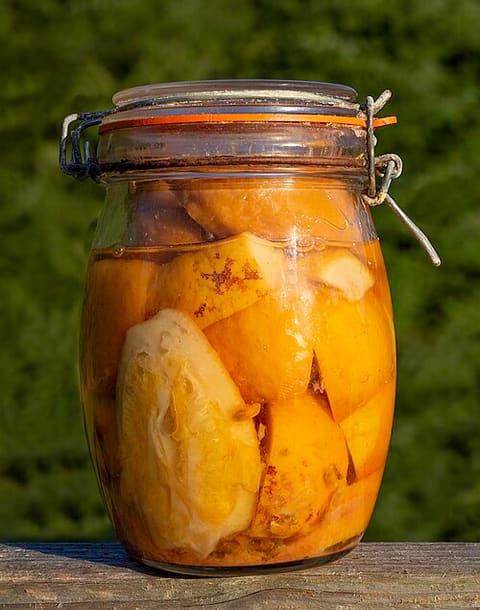
Preserved lemon
Lemons cured in salt and their own juice until soft; the rind adds a mellow, salty-lemony depth to tagines and salads.
2 recipes
Citrus
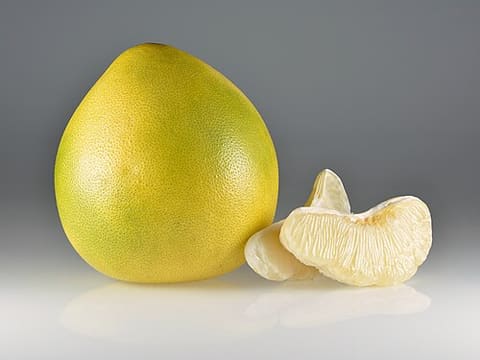
Pomelo
The largest citrus fruit, with thick pith and mild, sweet, slightly bitter segments eaten fresh and in Asian salads.
1 recipe