
Baking essentials · Flavourings
Vanilla extract
Vanilla flavouring, usually extract made by steeping cured vanilla pods in alcohol; also covers whole pods and essence.
Also called: vanilla, vanilla essence, vanilla bean, vanilya
Read the full spice guide: flavour, history and how to use it
What it is
Pure vanilla extract is made by soaking cured vanilla beans (the pods of a tropical orchid) in alcohol and water, giving a dark brown, aromatic liquid. Vanilla essence or flavouring is often synthetic vanillin, cheaper and one-dimensional. Whole pods are split and scraped for their tiny black seeds, and vanilla paste combines extract and seeds. A little goes a long way.
Vanilla planifolia
How it’s used
- Cakes, cookies and custards
- Ice cream and panna cotta
- Whipped cream and frostings
- Hot chocolate, milkshakes and syrups
- Poaching fruit (pods)
Characteristics
- Taste
- Sweet, rounded, slightly woody; bitter neat.
- Aroma
- Warm, floral, creamy.
- Sold as
- extract, whole, paste
- Cooking uses
- Mainly a seasoning, Suitable for baking
- Common in
- International, French, American, Mexican, Malagasy
Storage
Cool, dry and dark. Keep tightly closed away from heat and light. Wrap pods airtight so they don't dry out.
Diet, allergens and safety
No major allergens in typical versions.
- Vegetarian
- Vegan
- Dairy-free
- Egg-free
- Gluten-free
- Nut-free
- Soy-free
- Caffeine-free
- Pure extract contains alcohol; most cooks off in baking, but consider it for no-cook uses and for those avoiding alcohol. Alcohol-free versions exist.
Nutrition per 100 g
- Energy
- 288 kcal
- Protein
- 0.06 g
- Carbohydrate
- 12.65 g
- Fat
- 0.06 g
- Fibre
- 0 g
- Sugars
- 12.65 g
USDA FoodData Central: Vanilla extract.
Substitutes
Optional — what works if you don’t have it, and how it changes the dish.
- Vanilla pod — 1 pod's seeds roughly equals 1–2 tsp extract; add the pod to warm liquids and remove.
Related ingredients
Recipes with vanilla extract
See all 86Alfajores de maicena
 Argentine · 1 h 50 min · 170 kcal · Contains egg
Alouda
 Mauritian · 1 h 15 min · 230 kcal · Vegetarian
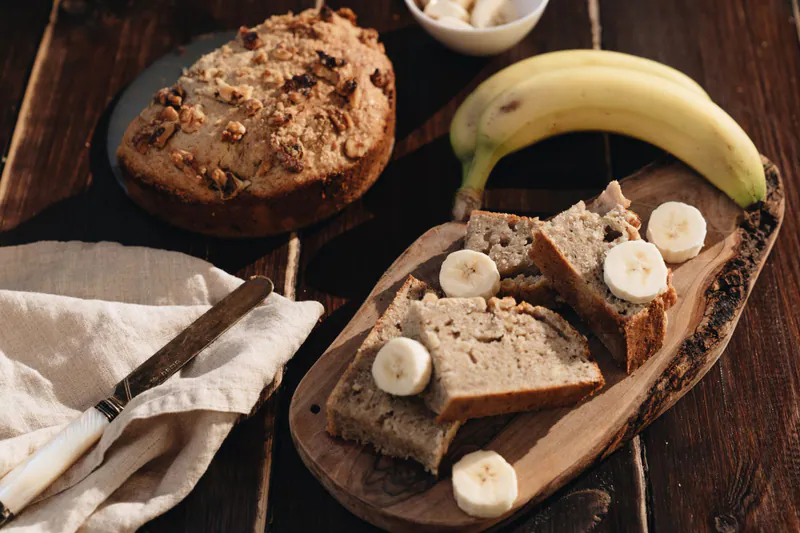
Banana bread
 American · 1 h 45 min · 278 kcal · Contains egg
Beignets de banane
 Gabonese · 30 min · 310 kcal · Contains egg
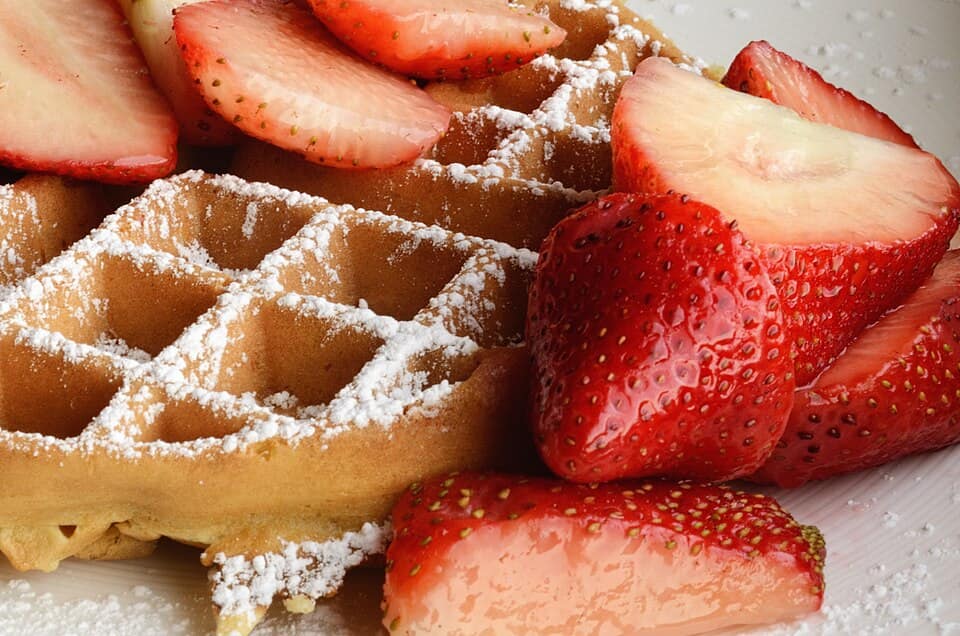
Belgian waffles (Brussels-style)
 Belgian · 1 h 40 min · 359 kcal · Contains egg
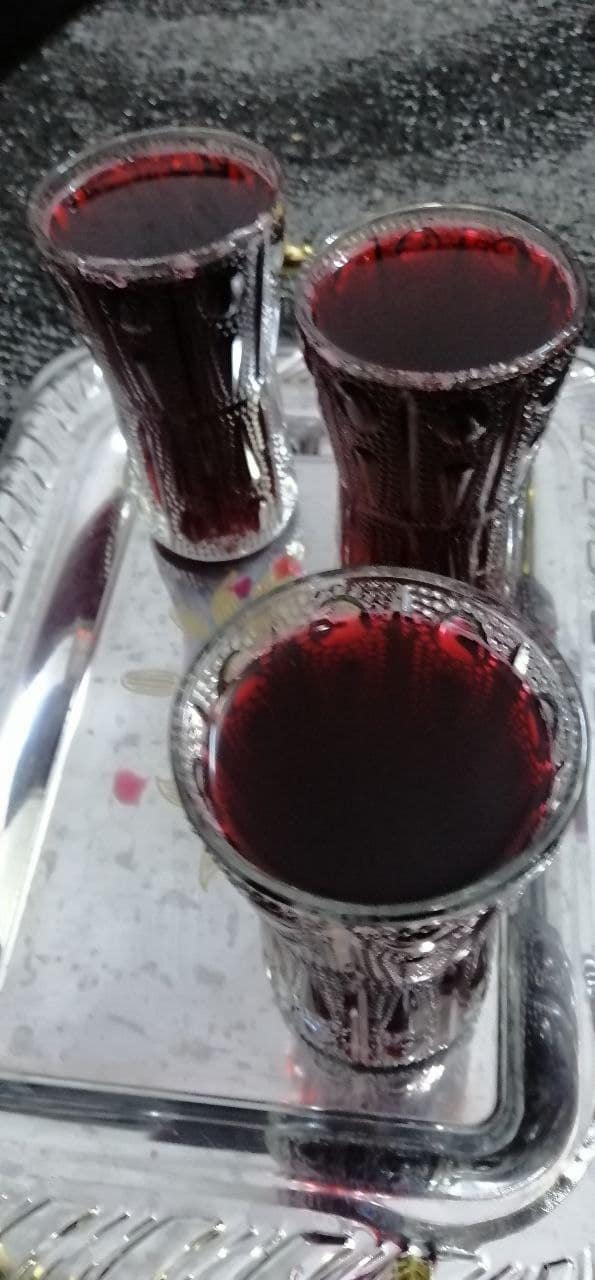
Bissap
 Senegalese · 2 h 45 min · 78 kcal · Vegan
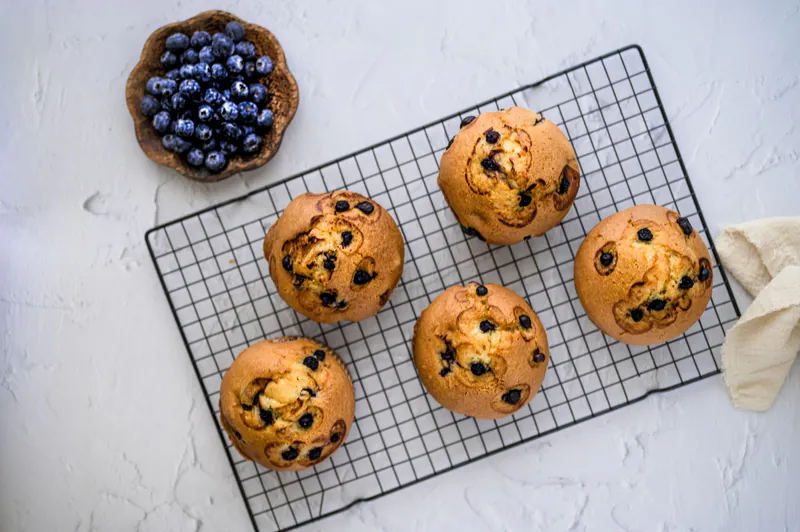
Blueberry Muffins
American · 47 min · 220 kcal · Contains egg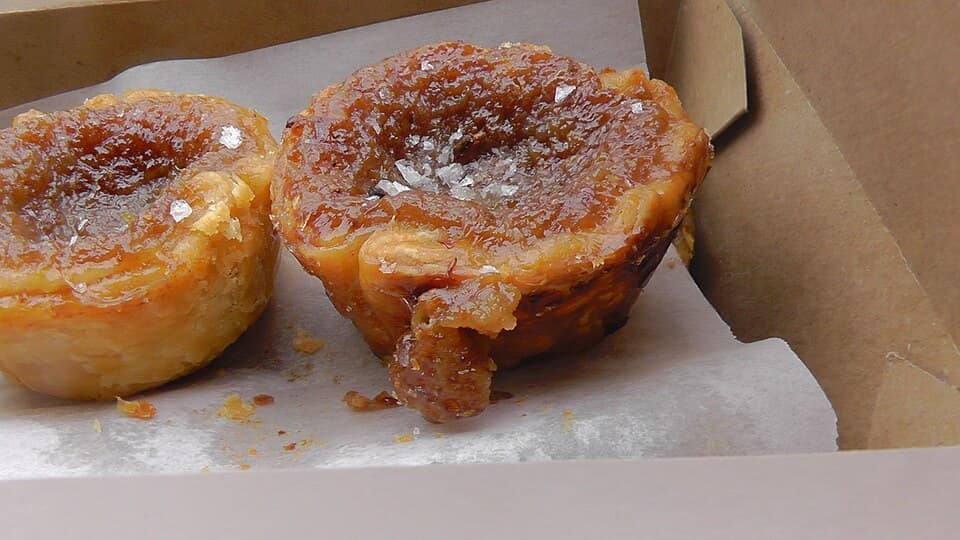
Butter tarts
 Canadian · 1 h 40 min · 258 kcal · Contains egg
Butterscotch sauce
 British · 22 min · 188 kcal · Vegetarian
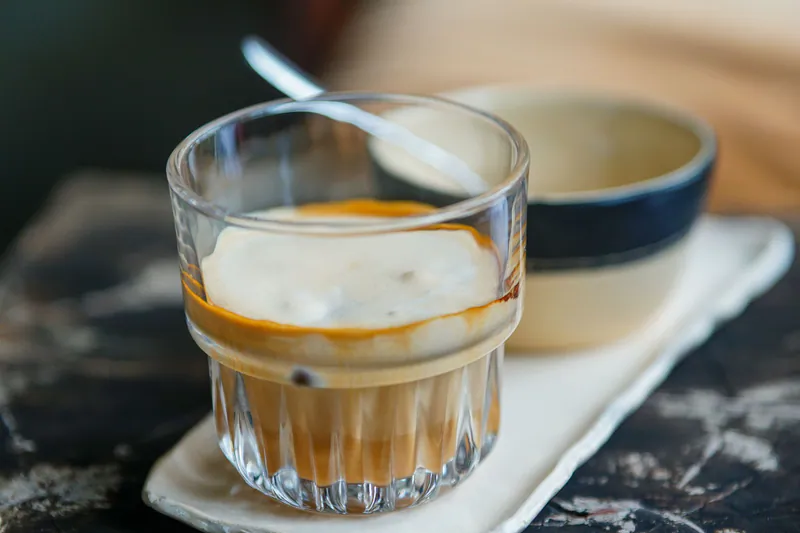
Cà phê trứng
 Vietnamese · 10 min · 159 kcal · Contains egg
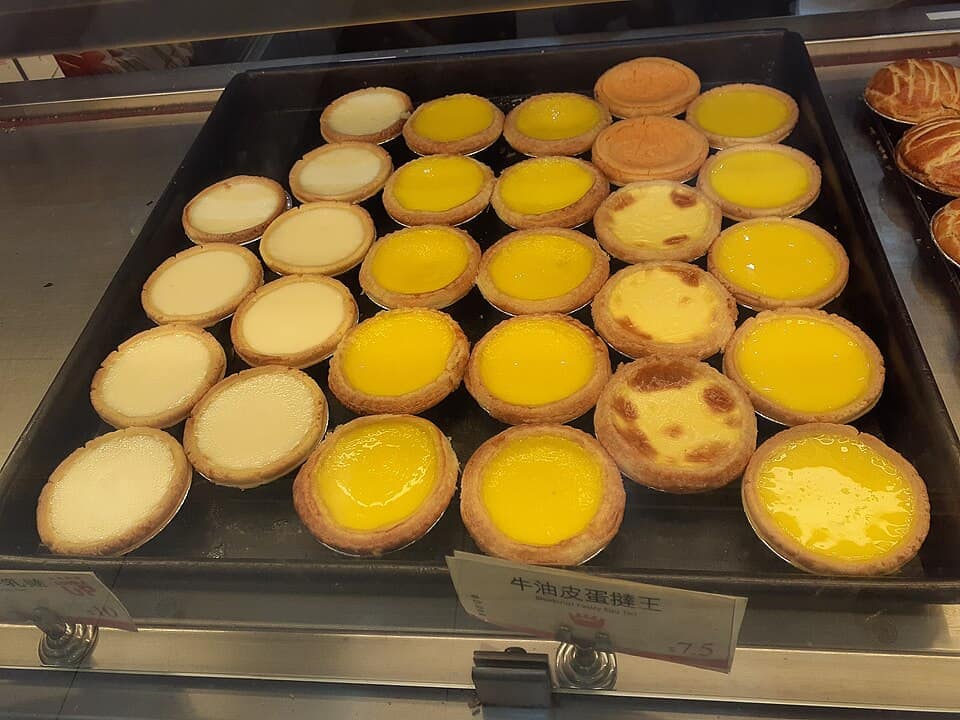
Cantonese egg tarts
 Cantonese · 1 h 27 min · 193 kcal · Contains egg
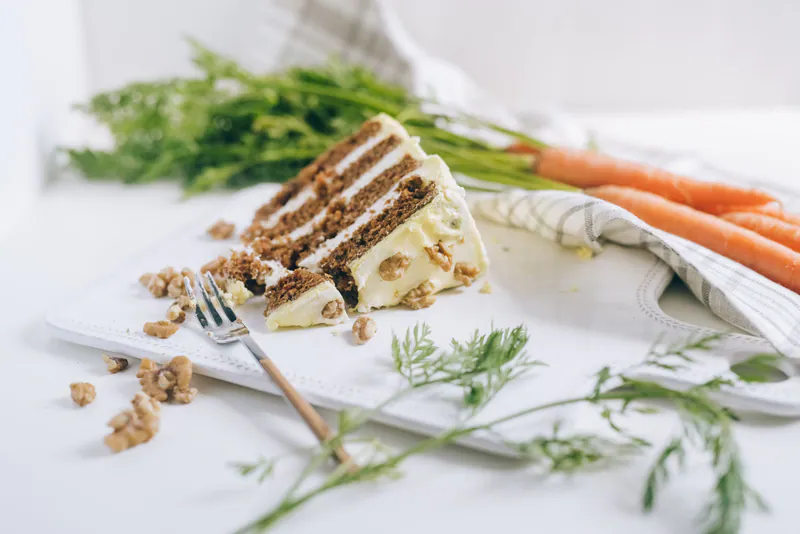
Carrot cake with cream cheese frosting
American · 2 h 40 min · 550 kcal · Contains egg
74 more
- Champurrado · Mexican
- Chocolate Avocado Mousse · International
- Chocolate chip cookies · American
- Chocolate sauce · French
- Cinnamon rolls with cream cheese frosting · American
- Clafoutis aux cerises · French
- Conchas (Mexican sweet bread) · Mexican
- Creamy Stovetop Rice Pudding · International
- Crème anglaise · French
- Crème brûlée · French
- Crème caramel · French
- Crème pâtissière (pastry cream) · French
- Danish pastries (spandauer) · Danish
- Dresden Christmas stollen · German
- Fırın sütlaç · Turkish
- Fudgy chocolate brownies · American
- Galaktoboureko · Greek
- Gnamakoudji (Ivorian ginger juice) · Ivorian
- Habichuelas con dulce · Dominican
- Homemade dulce de leche · Argentine
- Homemade Honey Nut Granola · International
- Hong Kong egg waffles · Hong Kong
- Horchata de arroz · Mexican
- Kaiserschmarrn · Austrian
- Kerala plum cake (alcohol-free) · Indian
- Kladdkaka · Swedish
- Ladob · Seychellois
- Lamingtons · Australian
- Leche flan · Filipino
- Liège waffles · Belgian
- Malva pudding · South African
- Medialunas (Argentine croissants) · Argentine
- Melktert · South African
- Melonpan · Japanese
- Melting moments · Australian
- Nalysnyky · Ukrainian
- Nanaimo bars · Canadian
- New York cheesecake · American
- Pain perdu · French
- Panna cotta · Italian
- Papanași · Romanian
- Pastéis de nata · Portuguese
- Pavlova · Australian
- Pecan pie · Southern US
- Pönnukökur · Icelandic
- Potica (walnut roll) · Slovenian
- Pots de crème au chocolat · French
- Pouding chômeur · Canadian
- Pound cake · British
- Profiteroles with chocolate sauce · French
- Pudim de leite condensado · Brazilian
- Purin · Japanese
- Reduced-sugar oat cookies · International
- Rich Hot Chocolate · International
- Roz bel laban (Egyptian rice pudding) · Egyptian
- Rupjmaizes kārtojums · Latvian
- Sachertorte · Austrian
- Schwarzwälder Kirschtorte · German
- Scones · British
- Sierra Leonean ginger beer · Sierra Leonean
- Skyr with blueberries and cream · Icelandic
- Sticky toffee pudding · British
- Syrniki · Russian
- Tembleque · Puerto Rican
- Thiakry · Senegalese
- Tres leches cake · Costa Rican
- Trileçe (caramel three-milk cake) · Albanian
- Tufahija (walnut-stuffed poached apples) · Bosnian
- Vanilla cupcakes with buttercream · American
- Vanilla milkshake · American
- Vegan chocolate cake · International
- Versunkener Apfelkuchen · German
- Victoria sponge · British
- Zoom-koom · Burkinabè
More flavourings
Flavourings
Rose water
Fragrant distillate of rose petals that perfumes Middle Eastern, Persian and South Asian sweets and drinks.
22 recipes
Flavourings
Orange blossom water
Distilled water scented with bitter-orange blossoms; perfumes North African and Levantine pastries and syrups.
6 recipes
Flavourings
Kewra water
Fragrant distillate of screwpine (pandanus) flowers; a few drops perfume biryanis, kormas and Indian sweets.
1 recipe