
Kitchen equipment · Mixer
Stand mixer
A powerful electric mixer with a tilting head and bowl; this catalogue record covers stand or hand mixers generally.
Useful to have · Electric · 59 recipes
What it is
A heavy countertop machine whose motorised head drives a beater, whisk or dough hook in a fixed bowl, often in a planetary motion that reaches the whole bowl. It works hands-free and handles stiff bread dough and big batches. In this catalogue the label 'Stand or hand mixer' means any electric mixer will do; the separate hand mixer record describes the lighter handheld kind.
What it’s for: Mixing, creaming, whipping and kneading without manual effort.
How to use it
- Attach the bowl and choose the flat beater (creaming), whisk (whipping) or dough hook (kneading).
- Add ingredients and start on the lowest speed to avoid splashing.
- Increase speed gradually; stop to scrape the bowl with a spatula.
- For bread, knead on low to medium until smooth and elastic.
Good to know
- Tasks
- creaming butter and sugar, whipping cream and egg whites, kneading bread dough, mixing cake batters, making meringue, mixing cookie dough
- Cooking methods
- Whipped, Oven-baked
- Materials
- metal body, stainless steel bowl, glass bowl
- Care and cleaning
- Wash bowl and attachments after use; some uncoated attachments are hand-wash only. Wipe the head when unplugged.
- Limitations
- Heavy, expensive and takes counter space; small quantities may not reach the beater.
Safety
- Keep hands, hair and spatulas away from moving attachments.
- Unplug before changing attachments.
If you don’t have one
- Hand mixer — Handles most cake and cream tasks; not heavy doughs.
- Whisk — Works with patience for cream and egg whites.
Equipment guide
How it works: A motor in the head drives a beater, whisk or dough hook in planetary motion: the attachment spins on its own axis while orbiting the bowl, so it reaches the whole bowl without moving the bowl. This beats air into creams and egg whites and works dough long enough to develop gluten.
| Material | Good | Watch out |
|---|---|---|
| Stainless steel | Durable, non-reactive, dishwasher-safe, does not hold smells. | Can scratch non-stick pans; conducts heat, so all-metal handles get hot. |
| Borosilicate or tempered glass | Non-reactive, lets you see the browning on the sides and base; holds heat well once hot. | Slow to heat; can shatter with sudden temperature changes (e.g. cold liquid into a hot dish, or from fridge to hot oven). |
| Die-cast metal body | Heavy, stable and durable. | Very heavy to move. |
| Plastic body | Light and cheap. | Can walk across the bench with stiff dough; usually less durable. |
- Tilt-head mixer
- Head lifts up; easy bowl access.
- Bowl-lift mixer
- Bowl raises to the beater; stiffer for heavy dough.
Buying guidance
Starting out: A 4.5–5 litre tilt-head mixer with a beater, whisk and dough hook.
Keen cook: A bowl-lift or stronger model if you knead bread dough regularly.
- Bowl: 4.5–7 litres
- Motor input: about 300–1,000 W (input wattage is a poor guide to power at the bowl; gearing matters)
- Metal gears and body
- Planetary action
- Attachment hub for extras
No brands or prices — check current reviews before buying.
Techniques:BakingKneadingEmulsificationFoams and airs
Related tools
Recipes that use it
Açma (soft Turkish breakfast rolls)
 Turkish · 2 h 32 min · 265 kcal · Contains egg
Agege bread
 Nigerian · 3 h 35 min · 210 kcal · Vegetarian
Alfajores de maicena
 Argentine · 1 h 50 min · 170 kcal · Contains egg
Anpan (sweet red bean buns)
 Japanese · 2 h 45 min · 266 kcal · Contains egg
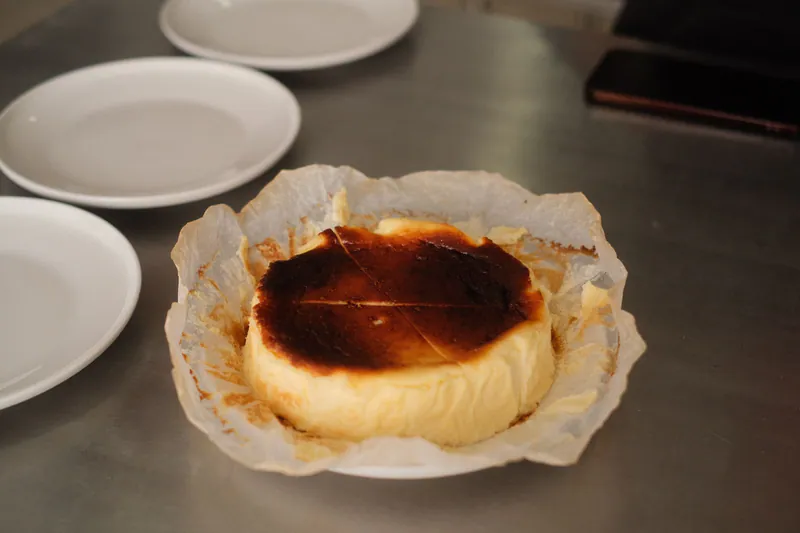
Basque burnt cheesecake
 Spanish · 4 h 10 min · 494 kcal · Contains egg
Bint al sahn
 Yemeni · 2 h 35 min · 474 kcal · Contains egg
Bolillos (Mexican crusty rolls)
 Mexican · 2 h 52 min · 247 kcal
Brioche Nanterre
 French · 17 h 45 min · 274 kcal · Contains egg
Buchty
 Czech · 2 h 30 min · 245 kcal · Contains egg
Castella (Nagasaki honey sponge)
Japanese · 2 h 15 min · 150 kcal · Contains eggChajá
 Uruguayan · 4 h 35 min · 351 kcal · Contains egg
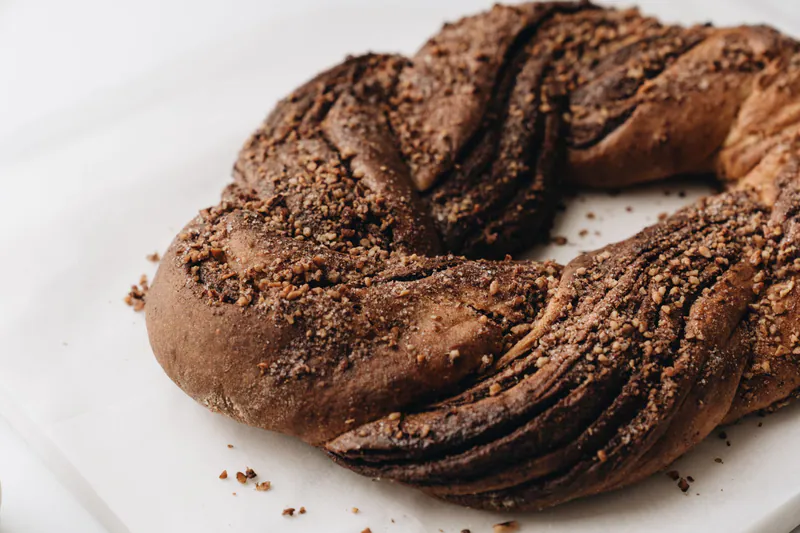
Chocolate babka
 Polish · 15 h 25 min · 349 kcal · Contains egg
47 more
- Chocolate chip cookies · American
- Chocolate éclairs · French
- Ciabatta · Italian
- Cinnamon rolls with cream cheese frosting · American
- Conchas (Mexican sweet bread) · Mexican
- Croissants · French
- Dresden Christmas stollen · German
- Easy White Sandwich Loaf · International
- Gers ogaily · Bahraini
- Gluten-free psyllium sandwich loaf · International
- Higher-protein Greek yoghurt bread · International
- Hot cross buns · British
- Japanese milk bread (tangzhong shokupan) · Japanese
- Ka'ak al-Quds · Palestinian
- Kanelbullar (Swedish cinnamon buns) · Swedish
- Korvapuusti (Finnish cinnamon rolls) · Finnish
- Ladi pav · Indian
- Lamingtons · Australian
- Liège waffles · Belgian
- Malabar parotta · South Indian
- Medialunas (Argentine croissants) · Argentine
- Melonpan · Japanese
- Nacatamal · Nicaraguan
- Nanaimo bars · Canadian
- New York cheesecake · American
- New York-style bagels · American
- Pain au chocolat · French
- Pan de muerto · Mexican
- Pão de queijo · Brazilian
- Pavlova · Australian
- Pineapple bun (bo lo bao) · Hong Kong
- Pirozhki with cabbage and egg · Russian
- Pouding chômeur · Canadian
- Pound cake · British
- Profiteroles with chocolate sauce · French
- Sachertorte · Austrian
- Schwarzwälder Kirschtorte · German
- Sticky toffee pudding · British
- Swiss butter plait (Zopf) · Swiss
- Tamales de rajas con queso · Mexican
- Tres leches cake · Costa Rican
- Trileçe (caramel three-milk cake) · Albanian
- Tufahija (walnut-stuffed poached apples) · Bosnian
- Vegan soft sandwich loaf · International
- Versunkener Apfelkuchen · German
- Victoria sponge · British
- Wholemeal tin loaf · British