
Advanced food science · advanced
Sous-vide science
Cooking sealed food in a water bath at exactly the target temperature gives edge-to-edge doneness, with safety controlled by time as well as heat.
What happens
In sous-vide cooking, food is sealed in a bag and cooked in water held at a precise temperature, often the exact final temperature you want inside the food. Because the water is no hotter than the target, the food can't overcook in the usual sense: the outside and centre end up the same. Water transfers heat far better than air, so the food heats efficiently even at low temperatures. Safety works on time and temperature together: at lower temperatures, bacteria die more slowly, so food must be held for long enough after the centre reaches temperature. Long holds also let enzymes and slow collagen breakdown tenderise tough cuts. There is no browning at these temperatures, so food is usually seared afterwards.
Why it matters in the kitchen
It shows how much doneness depends on temperature, and gives reliable results for meat, fish and eggs, as long as the safety rules for low-temperature cooking are followed.
Temperatures and conditions
- Fish 45–55 °C · Very soft at the low end; for vulnerable people, use fish frozen first or cook to 63 °C.
- Beef steak, rare to medium 52–60 °C
- Lowest commonly advised for long cooks 54–55 °C · Don't hold food below this for more than a few hours.
- Chicken breast (pasteurised with enough time) 60–65 °C · E.g. about 30–40 minutes at 60 °C once the centre is at temperature, per USDA time-temperature tables.
- Soft eggs 62–65 °C
- Vegetables (cell walls soften) 83–85 °C
In practice
- Steak cooked evenly pink from edge to edge, then seared.
- Very tender, juicy chicken breast.
- Soft, custardy 'onsen-style' eggs.
- Tough cuts like short ribs cooked for 24–72 hours until tender.
Myths and facts
Myth: Sous vide means boiling food in plastic.
Fact: The water is usually far below boiling. Use bags made for cooking (food-safe, rated for the temperature), not ordinary storage bags of unknown material.
Myth: Chicken is only safe if cooked to 74 °C.
Fact: 74 °C kills bacteria almost instantly. Lower temperatures also make chicken safe if it is held long enough, as USDA time-temperature tables show. Colour is not a guide.
Myth: You can't overcook food sous vide.
Fact: Temperature won't overshoot, but very long times make meat and fish mushy as proteins and connective tissue keep breaking down.
Use it to cook better
- Follow tested time-and-temperature charts that account for the thickness of the food.
- Start with cold food from the fridge and put it straight into a preheated bath.
- Chill cooked bags quickly in ice water if not serving at once, and refrigerate.
- Pat food very dry and sear it fast in a smoking-hot pan or under a grill after cooking.
- Avoid cooking below about 54–55 °C for more than a few hours.
Going deeper
Pasteurisation tables, such as the USDA FSIS lethality tables for poultry, give the holding time needed at each temperature for a set reduction in Salmonella; time needed rises steeply as temperature falls. Food must reach the bath temperature in its centre first, which for a 2.5 cm piece may take about an hour, so thickness matters more than weight. Vegetables need higher temperatures (about 83–85 °C) because pectin and hemicellulose in cell walls only break down well there.
Ingredients it affects most
Techniques that rely on it
Worth double-checking
- Sous-vide pasteurisation times depend on thickness, fat content and starting temperature; use tested tables (e.g. USDA FSIS, Douglas Baldwin's guide).
- The 54–55 °C minimum for long cooks is commonly cited guidance (Baldwin) rather than an official limit.
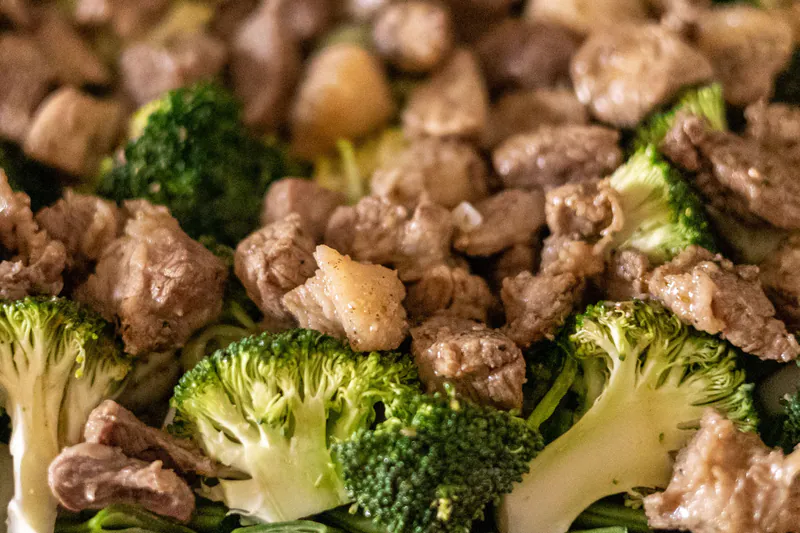
 Cantonese · 30 min · 309 kcal
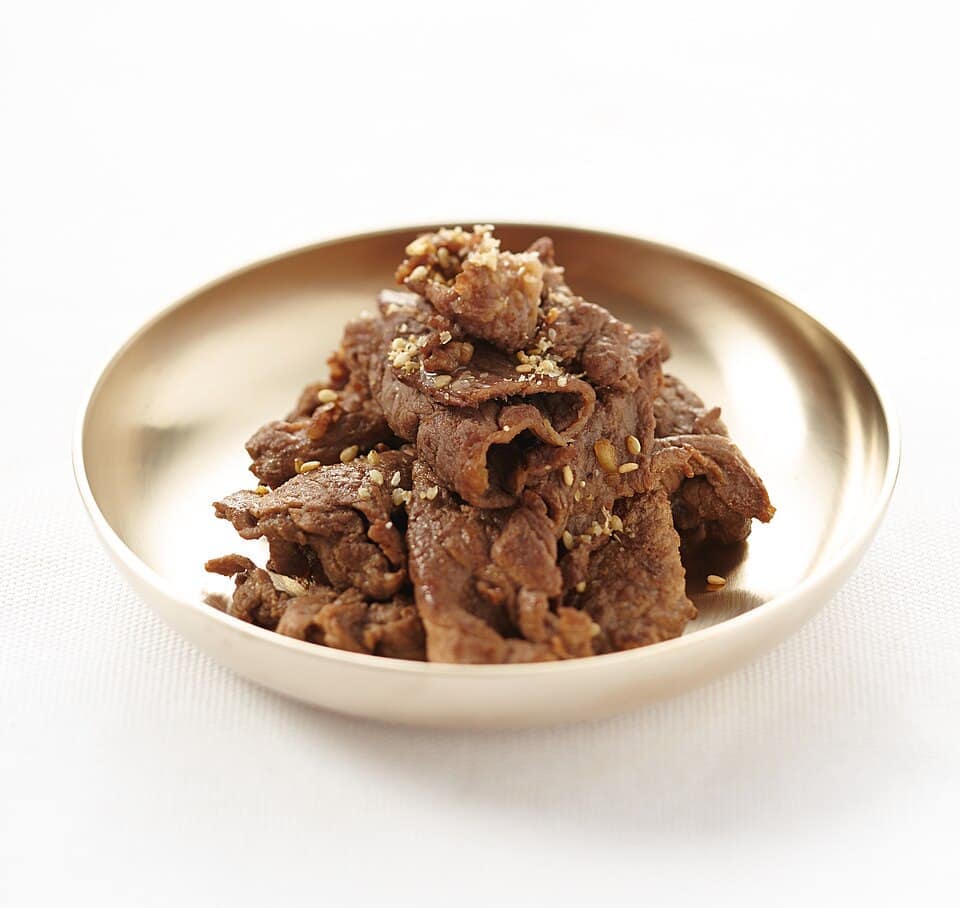
 Korean · 55 min · 288 kcal
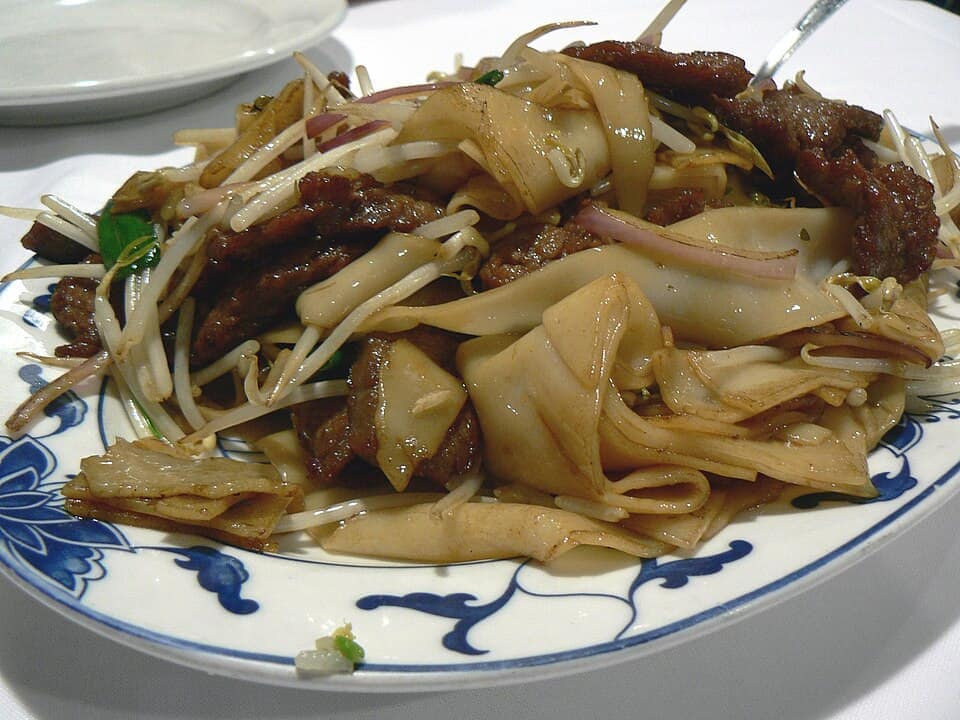
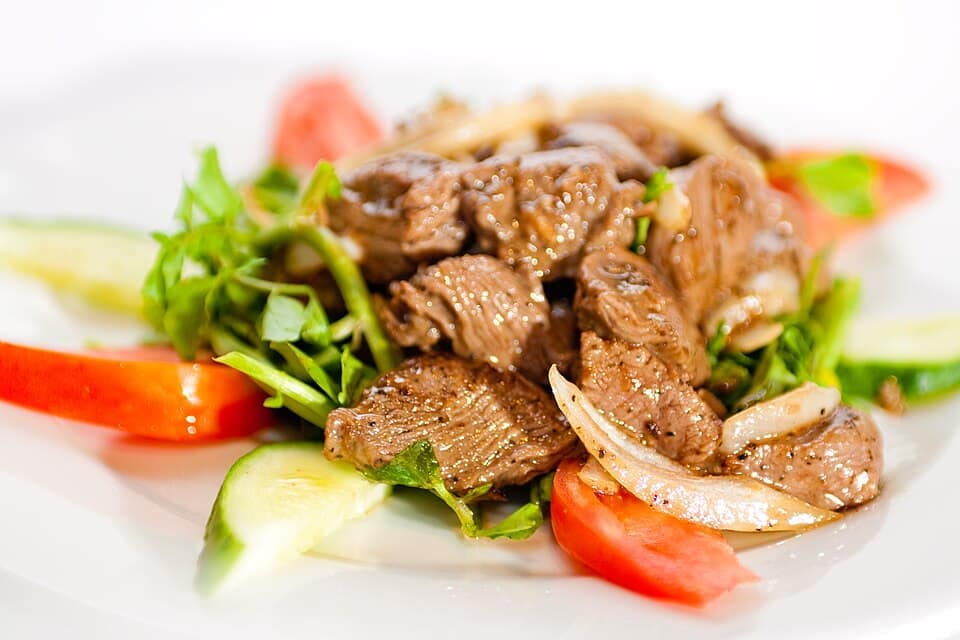
 Vietnamese · 53 min · 396 kcal
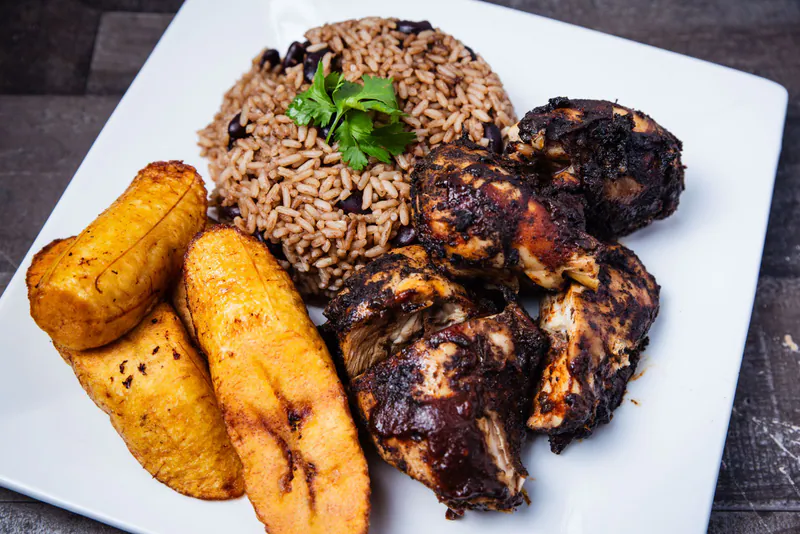
 Jamaican · 1 h 20 min · 503 kcal
 Filipino · 5 h 5 min · 335 kcal ·
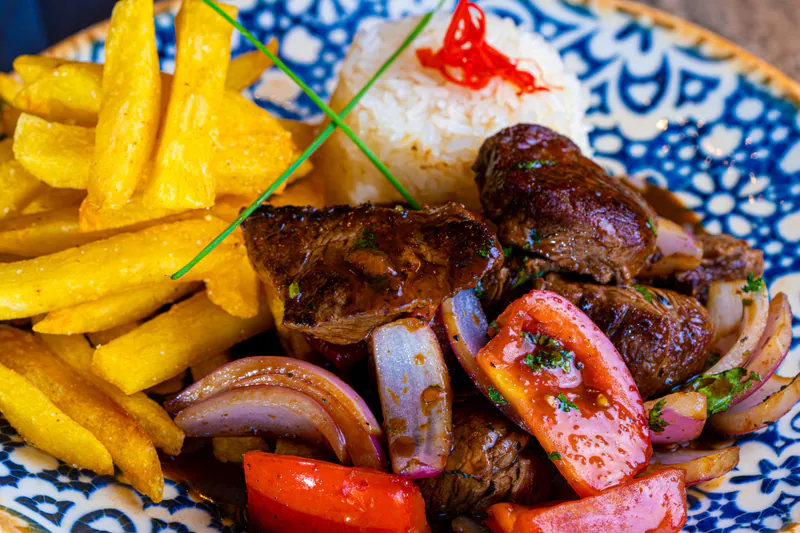
 Peruvian · 50 min · 447 kcal
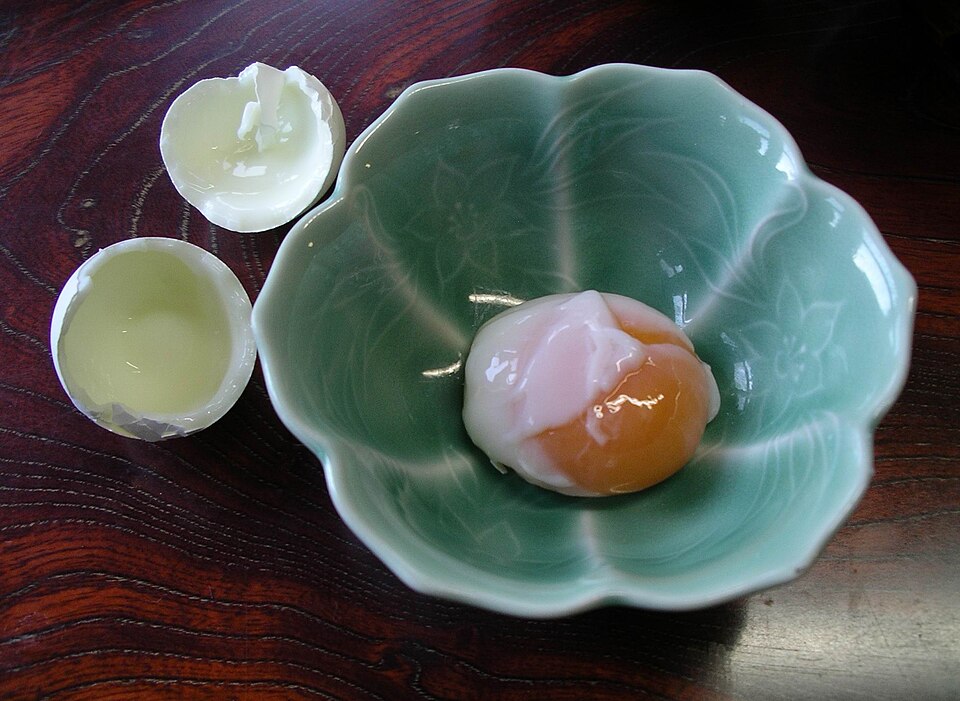
 Japanese · 50 min · 81 kcal
 Indian · 1 h 50 min · 687 kcal