Cuisine
Russian and Eastern European
Slavic cooking of beetroot, cabbage, potatoes, buckwheat and rye, filled dumplings, soups, sour cream and dill, and a deep tradition of fermentation.
Flavour character: Earthy and sour-savoury: beetroot sweetness, sour cream, fermented cabbage and pickles, dill and garlic, smoky pork, rye bread's sourness, mushrooms.
History
Rye, buckwheat, cabbage, turnips, mushrooms and fermented foods (sauerkraut, kvass, pickled cucumbers) fed the region for centuries. The masonry stove (Russian pech) encouraged slow-baked porridges and soups. Potatoes spread in the 18th and 19th centuries. In 19th-century Russia, French chefs influenced aristocratic dining, while French restaurants in turn adopted service à la russe (serving courses in sequence). The Soviet era standardised dishes such as Olivier salad across the USSR. Ukraine's borscht cooking was inscribed by UNESCO in 2022 as in need of urgent safeguarding.
Well documented
Geography and influences
The vast plains, forests and steppe from Poland to the Urals: rye, wheat (especially in Ukraine), buckwheat, potatoes, beetroot, cabbage, forest mushrooms and freshwater fish.
- Byzantine Orthodox fasting
- Tatar and Central Asian cooking (pelmeni, dumplings)
- French aristocratic cooking
- Ashkenazi Jewish cooking
- Soviet standardisation
Regional variations
- Russia
- Pelmeni, shchi, blini, kasha and zakuski tables.
- Ukraine
- Borscht with pampushky, varenyky, salo (cured pork fat).
- Poland
- Pierogi, bigos, żurek, kotlet schabowy.
- Belarus
- Potato-centred dishes: draniki, kalduny, machanka.
Festive and seasonal food
- Twelve meatless dishes at Christmas Eve (Wigilia in Poland, Sviata Vecheria in Ukraine), including kutia
- Kulich and paskha at Orthodox Easter
- Blini at Maslenitsa
- Olivier salad and seld pod shuboy at New Year
Signature dishes
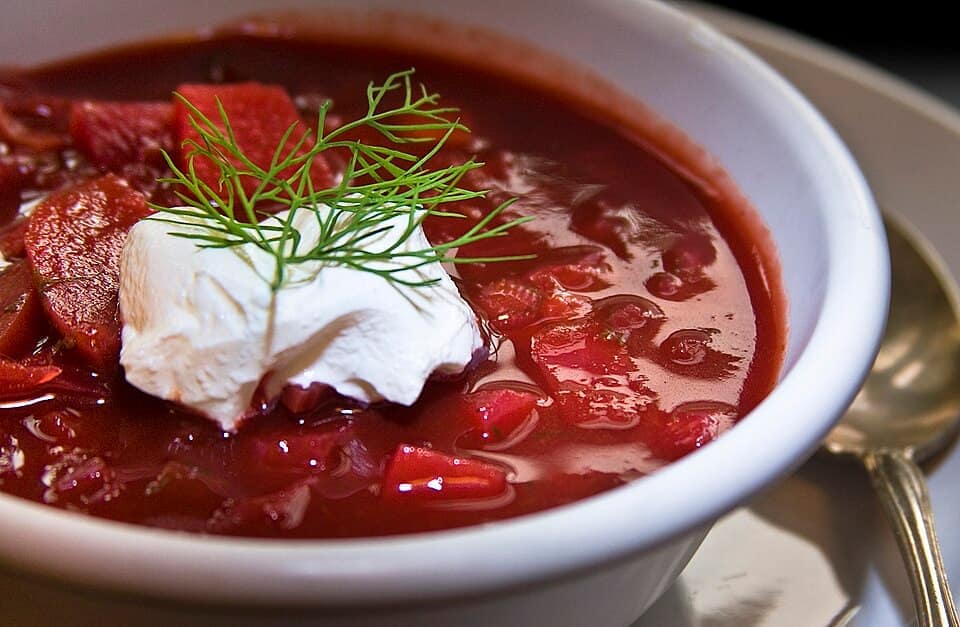
- Ukrainian borscht
- Pelmeni
- Pierogi ruskie
- Varenyky with sour cherries
- Beef stroganoff
- Olivier salad
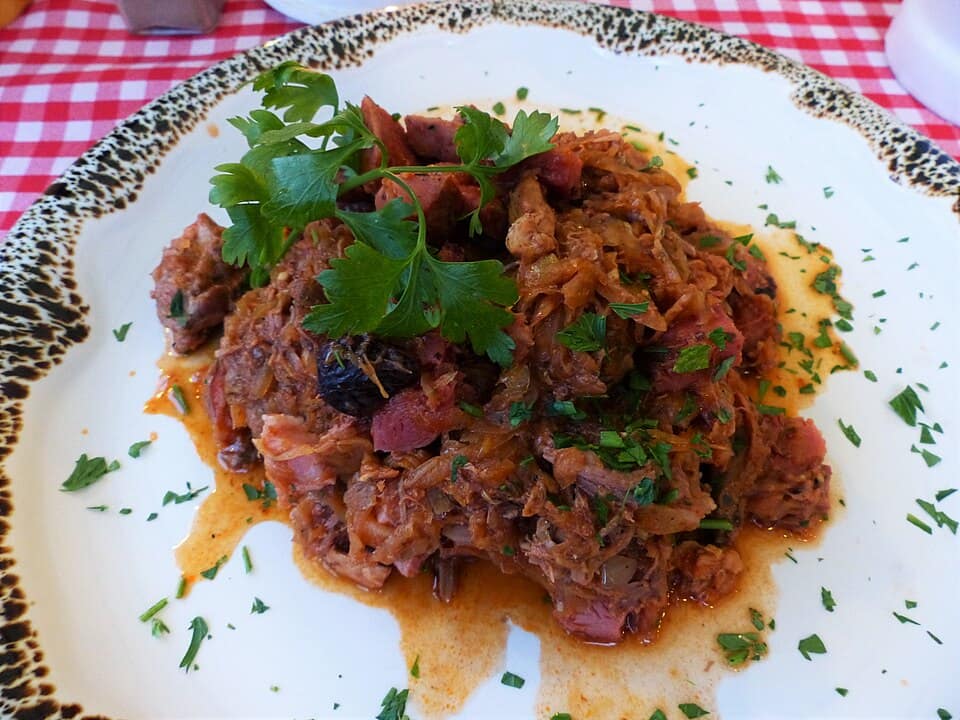
- Bigos
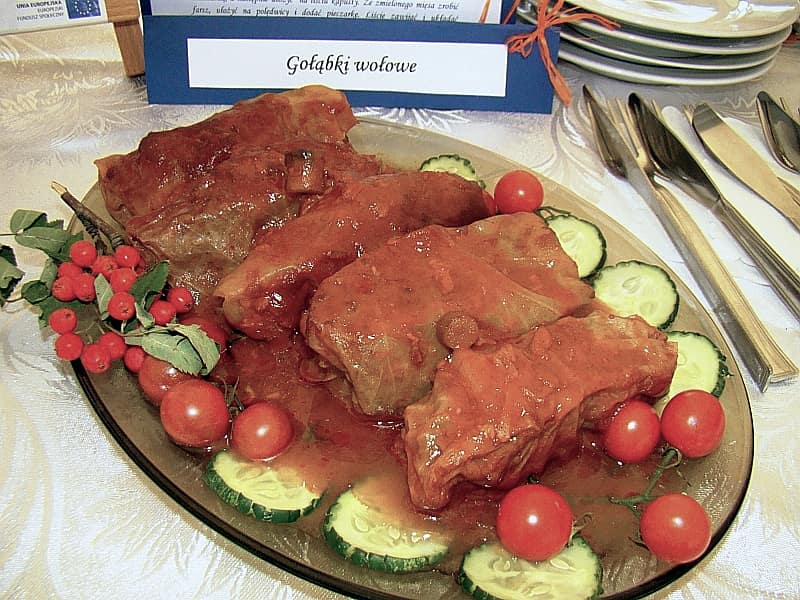
- Gołąbki
- Żurek
- Shchi
- Solyanka
- Syrniki
- Buckwheat blini
- Draniki
- Chicken Kyiv
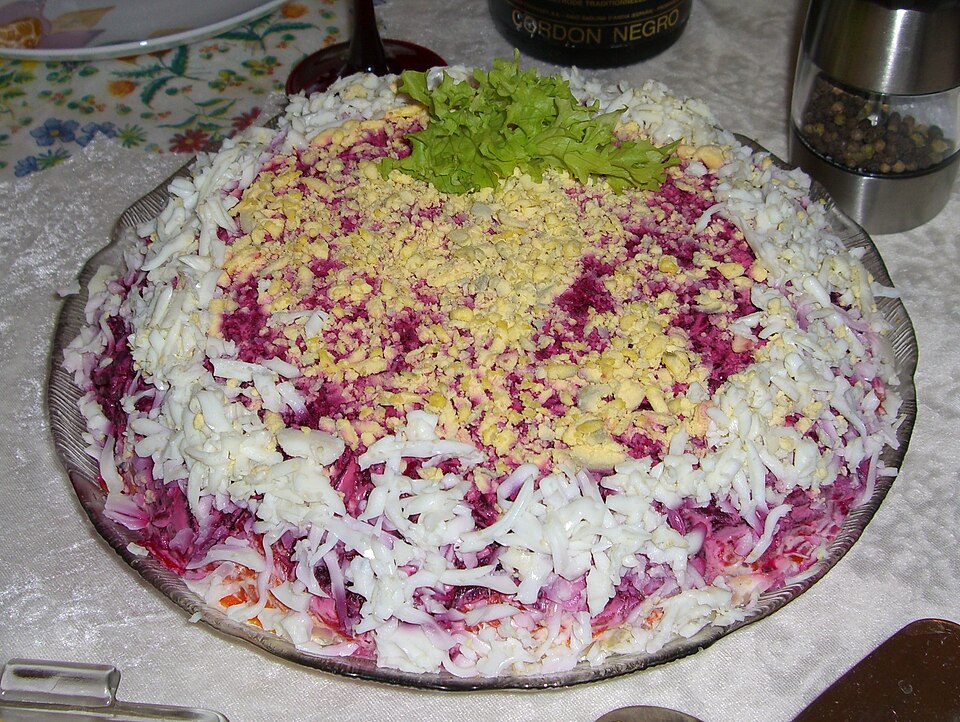
- Herring under a fur coat
Not on the site yet: Kulebyaka, Kholodets (aspic), Okroshka, Paskha and kulich (Easter)
 Polish · 1 h 35 min · 104 kcal ·
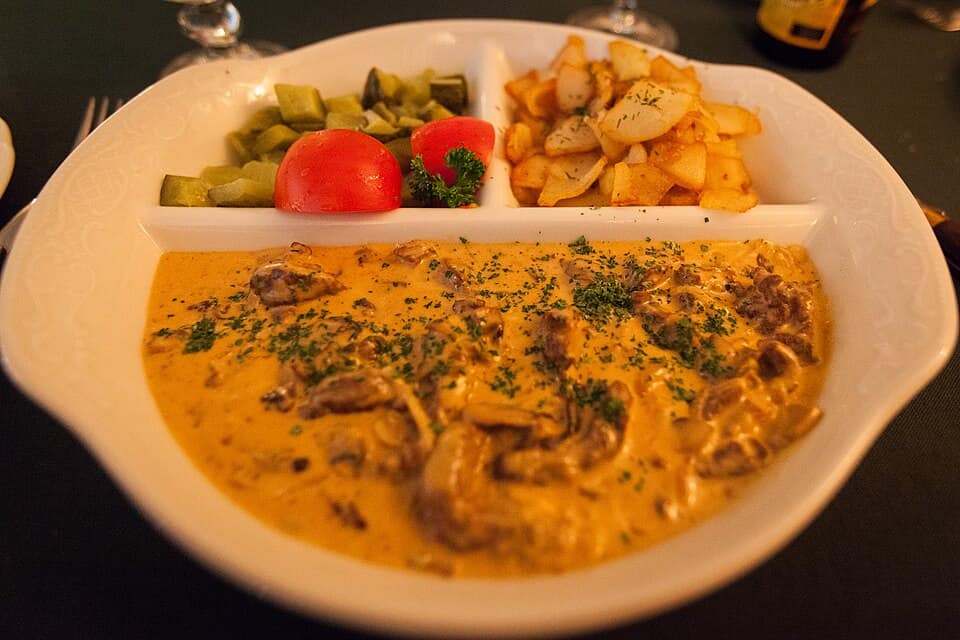
 Russian · 35 min · 421 kcal
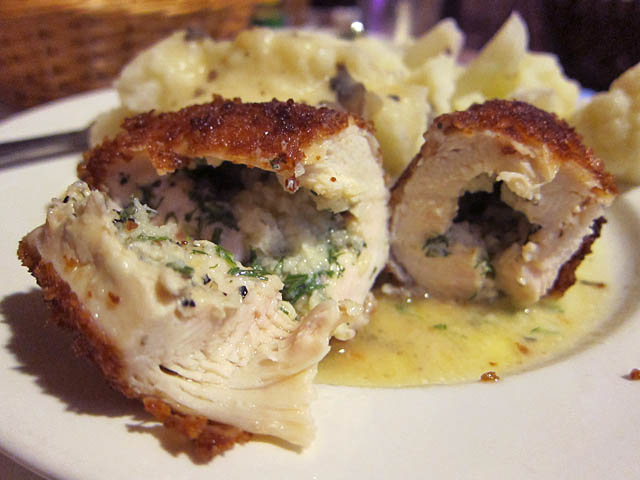
 Ukrainian · 1 h 50 min · 734 kcal
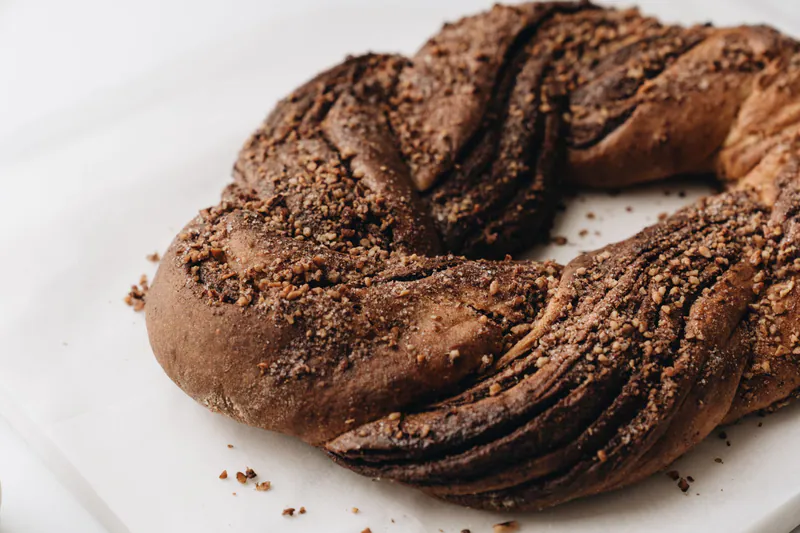
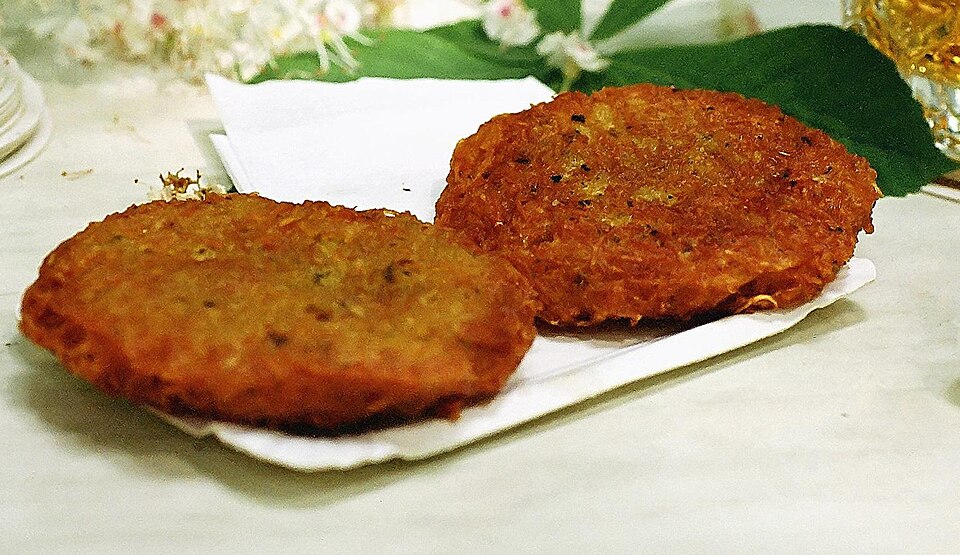
 Belarusian · 45 min · 391 kcal ·