
Grains, rice & flours · Whole grains
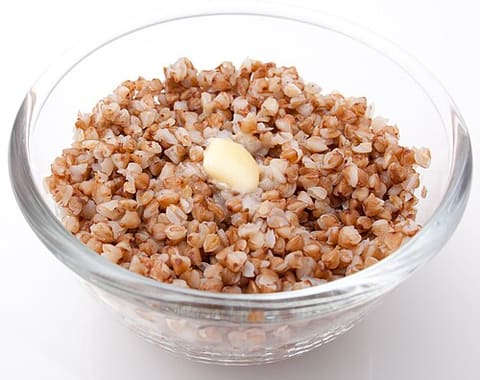
Buckwheat groats
Triangular seeds of a rhubarb relative, eaten like a grain; roasted kasha is toasty and earthy. Gluten-free despite the name.
Also called: buckwheat, kasha, grechka, kuttu, karabuğday
Photo: Laitr Keiows, via Wikimedia Commons (CC-BY-SA-3.0)
What it is
Buckwheat groats are the hulled, pyramid-shaped seeds of Fagopyrum esculentum, not a type of wheat. Raw groats are pale green-beige and mild; roasted groats (kasha) are reddish-brown and strongly toasty. They cook to soft, separate grains or a porridge. Buckwheat can cause allergy in some people.
Fagopyrum esculentum
How it’s used
- Kasha with onions and mushrooms
- Grechka porridge with butter or milk
- Stuffings for cabbage rolls
- Salads and grain bowls
- Kuttu dishes on Hindu fast days
Characteristics
- Taste
- Earthy, nutty; deeply toasty when roasted.
- Texture
- Soft but separate grains; mushy if overcooked.
- When cooked
- Toast in a dry pan or coat with egg (traditional kasha) to keep grains separate, then simmer in about twice the volume of water for 10–15 minutes.
- Sold as
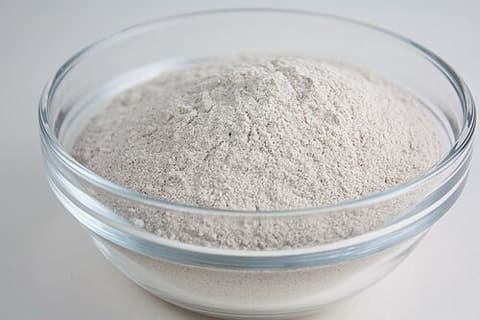
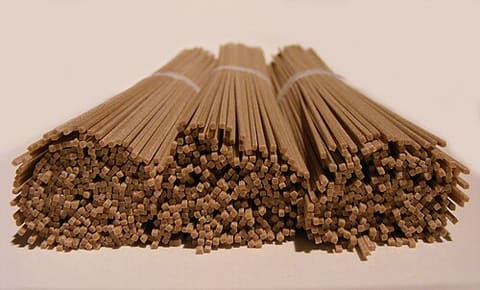
- whole, ground
- Cooking uses
- Commonly cooked, Suitable for boiling
- Common in
- Russian, Ukrainian, Polish, Belarusian, Lithuanian, Japanese, French
Kinds in our pantry
Storage
Pantry-stable. Airtight in a cool, dry place.
Diet, allergens and safety
No major allergens in typical versions.
- Vegetarian
- Vegan
- Dairy-free
- Egg-free
- Gluten-free
- Nut-free
- Soy-free
- Caffeine-free
- Naturally gluten-free, but buckwheat itself is a recognised allergen for some people (labelled in Japan and Korea).
Nutrition per 100 g
- Energy
- 343 kcal
- Protein
- 13.25 g
- Carbohydrate
- 71.5 g
- Fat
- 3.4 g
- Fibre
- 10 g
- Sugars
- — g
USDA FoodData Central: Buckwheat.
Substitutes
Optional — what works if you don’t have it, and how it changes the dish.
- Quinoa — Milder and less earthy; similar cooking time.
Related ingredients
Recipes with buckwheat groats
Buckwheat blini
 Russian · 2 h 10 min · 288 kcal
Buckwheat kasha with mushrooms
Russian · 40 min · 296 kcal · Vegetarian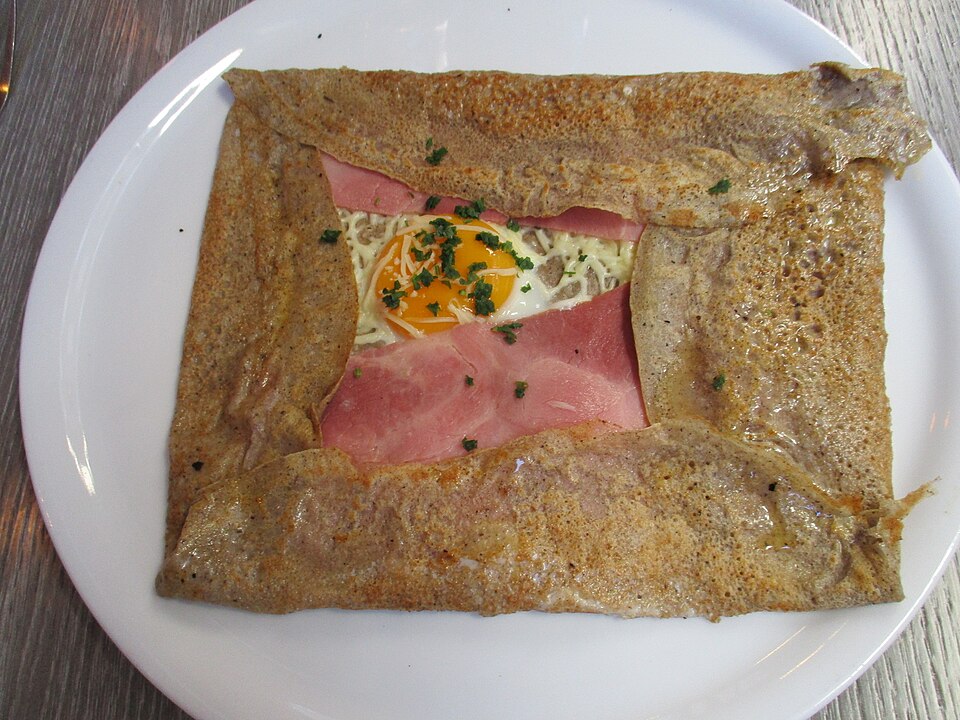
Galette complète
 French · 2 h 35 min · 517 kcal
Poffertjes
 Dutch · 1 h 35 min · 489 kcal · Contains egg
Seeded buckwheat gluten-free loaf
International · 4 h 20 min · 162 kcal · Vegan
More whole grains
Whole grains
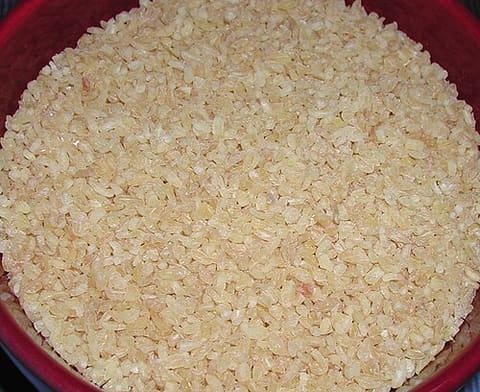
Bulgur wheat
Wheat that is parboiled, dried and cracked, so it only needs soaking or brief simmering; the grain of tabbouleh.
7 recipes
Whole grains
Couscous
Tiny pellets of durum semolina, pre-steamed and dried; most kinds just need hot liquid and five minutes.
4 recipes
Whole grains
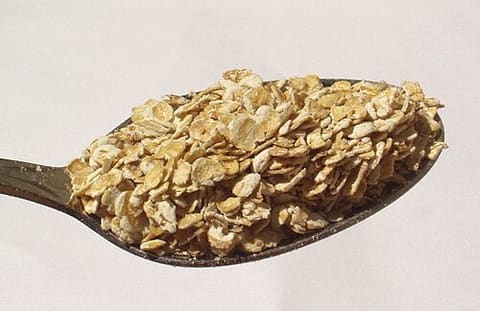
Rolled oats
Oat groats steamed and pressed into flakes; cook into porridge in minutes and add chew to baking.
16 recipes
Whole grains
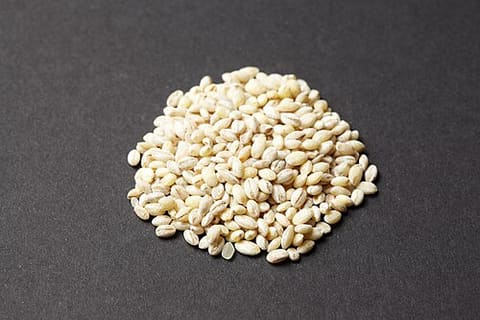
Pearl barley
Barley grains polished of their bran; plump, chewy and starchy, ideal for soups, stews and risotto-style dishes.
6 recipes
Whole grains
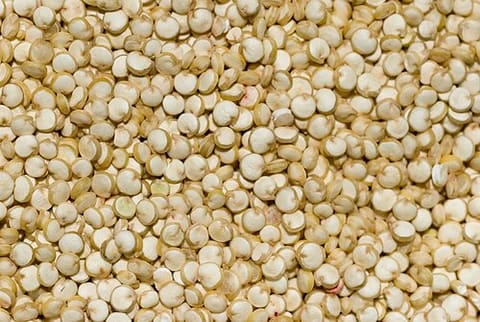
Quinoa
Small, round Andean seeds that cook in about 15 minutes into fluffy grains with a little curled tail; naturally gluten-free.
2 recipes
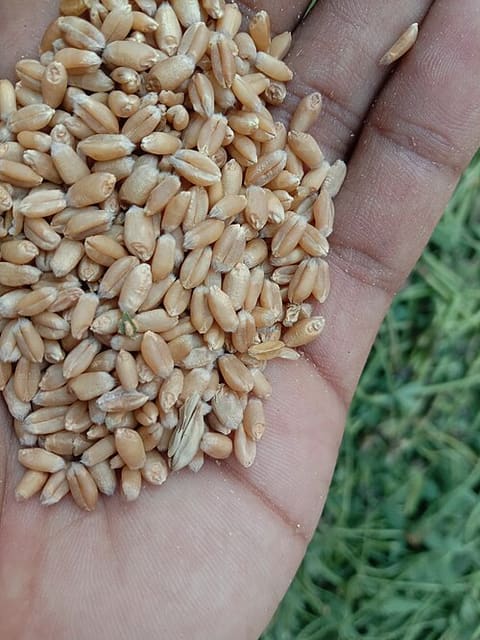
Whole grains
Whole wheat berries
Whole, unprocessed wheat kernels; firm and chewy, used in salads, porridges and festive sweets like ashure.
5 recipes
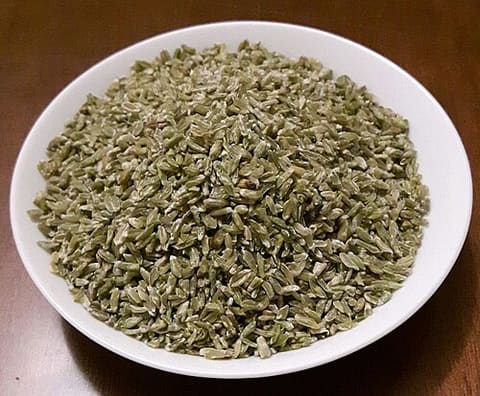
Whole grains
Freekeh
Young green wheat roasted to burn off the chaff, then often cracked; smoky, chewy and earthy.
1 recipe
Whole grains
Farro
Hulled ancient wheat grains, usually emmer; chewy and nutty, they hold their shape in soups and salads.
1 recipe