
Tonkotsu ramen
Non-vegetarian
豚骨ラーメン · tonkotsu rāmen
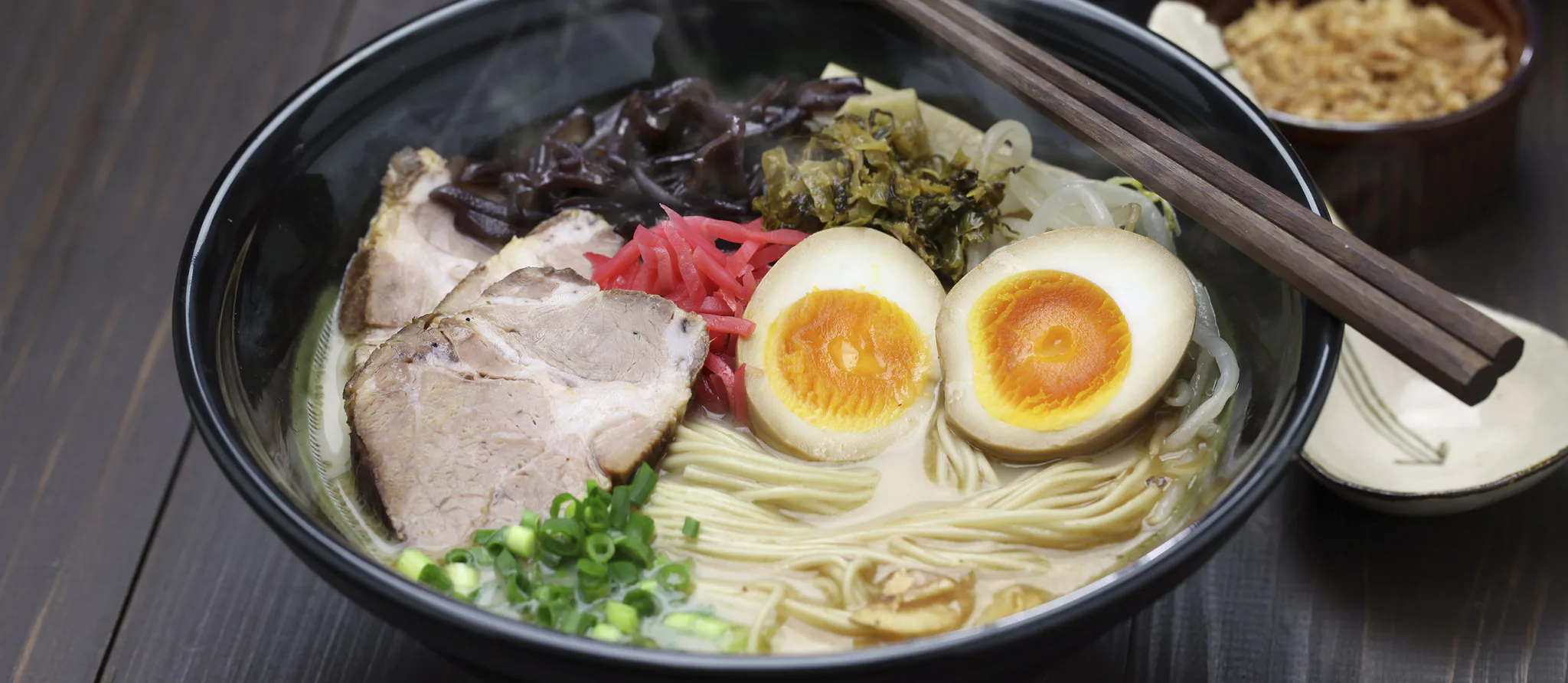
Thin noodles in a creamy, opaque broth made by boiling pork bones hard for many hours, topped with soy-braised pork belly, soft marinated eggs, spring onion, bamboo shoots and nori. This home version takes a day of mostly unattended simmering and is worth every minute.
Tonkotsu ramen is a Japanese noodle dish, ready in about 13 hours 40 minutes and made with pork bones (trotters and neck bones), pork belly and ramen noodles. It serves 4 and is rated advanced to cook.
- Prep
- 40 min
- Cook
- 12 h
- Rest
- 1 h
- Total
- 13 h 40 min
- Serves
- 4
- Level
- Advanced
- Calories
- 1939
Main ingredients
Ingredients
For the broth
For the chashu and tare
For the eggs
To serve
Method
Broth
55 minStep 1
Put the bones in the stockpot, cover with cold water, bring to the boil and boil hard for 10 minutes. Drain, then scrub every bone under running water to remove the grey scum and dark bits, and wash the pot.
This blanching step is what keeps the finished broth clean-tasting and ivory rather than grey.
Step 2
Return the bones to the clean pot with 6 litres of fresh water. Bring to a hard, rolling boil and keep it there, lid ajar, for 10–12 hours. Top up with boiling water whenever the bones poke above the surface, and stir the bottom every hour so nothing catches.
- 30 min
- high heat
- Stockpot / large pot (opens in a new tab)
A violent boil emulsifies the fat and collagen into the milky broth; a gentle simmer gives a clear stock instead.
Chashu and tare
2 hStep 3
Meanwhile, make the chashu: bring the soy sauce (opens in a new tab), sake (opens in a new tab), mirin (opens in a new tab), sugar (opens in a new tab), 300 ml water, sliced ginger and crushed garlic (opens in a new tab) to a simmer in a snug saucepan (opens in a new tab). Add the rolled pork belly (opens in a new tab), cover with a lid set slightly ajar and simmer gently for 2 hours, turning every 30 minutes.
- 120 min
- low heat
- Saucepan (opens in a new tab)
Food safety: Cook pork until it reaches at least 63 °C in the centre (71 °C for minced pork) and refrigerate leftovers within 2 hours.
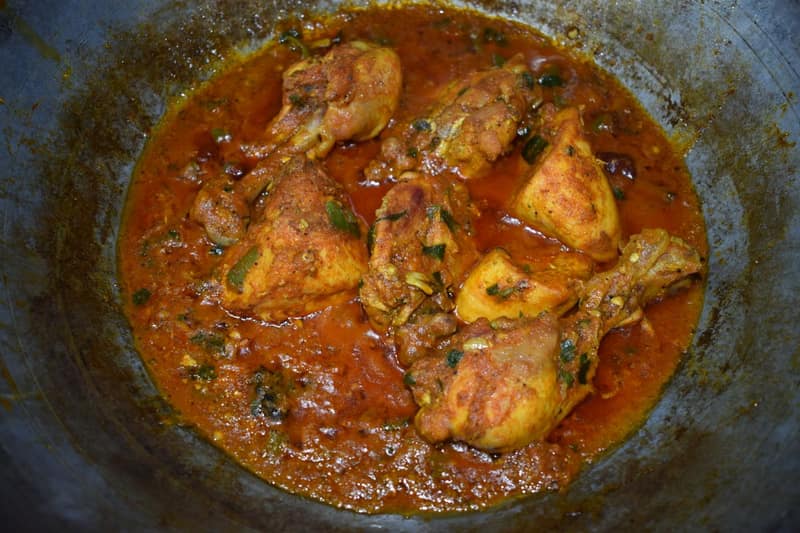
How it looks · Photo: Bachir Mamud on Pexels
Eggs
1 h 20 minStep 4
Boil the eggs (opens in a new tab) for 6½ minutes, cool in iced water and peel. Strain the cooled chashu liquid; put the eggs in a small container with enough of it to cover and refrigerate for at least 4 hours. Chill the pork in the rest of the liquid.
- 15 min
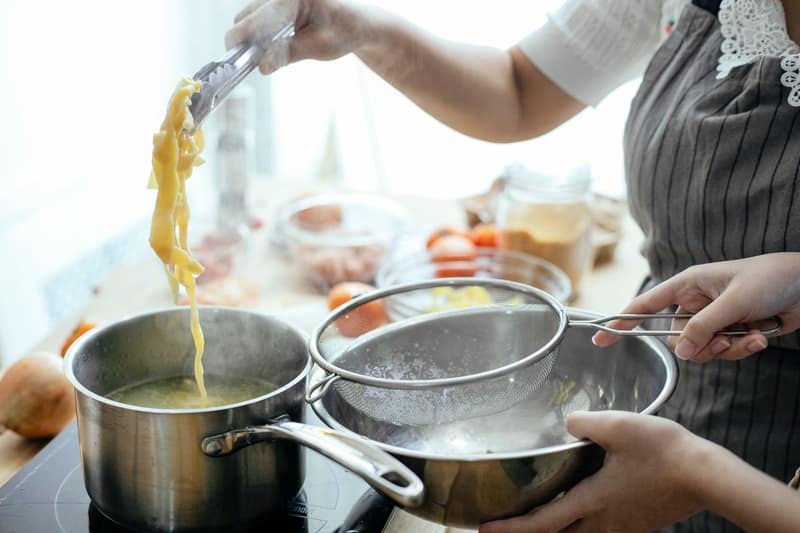
How it looks · Photo: Katerina Holmes on Pexels Step 5
For the last hour of the broth, add the onion (opens in a new tab), garlic (opens in a new tab), ginger and spring onion (opens in a new tab) greens. Strain the broth through a sieve, pressing on the bones. You need about 2 litres of creamy broth; boil it down further if it is thin.
Step 6
Make the tare: stir the salt into 120 ml of the chashu liquid. Slice the chilled pork 5 mm thick and sear the slices briefly in a hot dry pan, or blowtorch them, if you like.
- 5 min
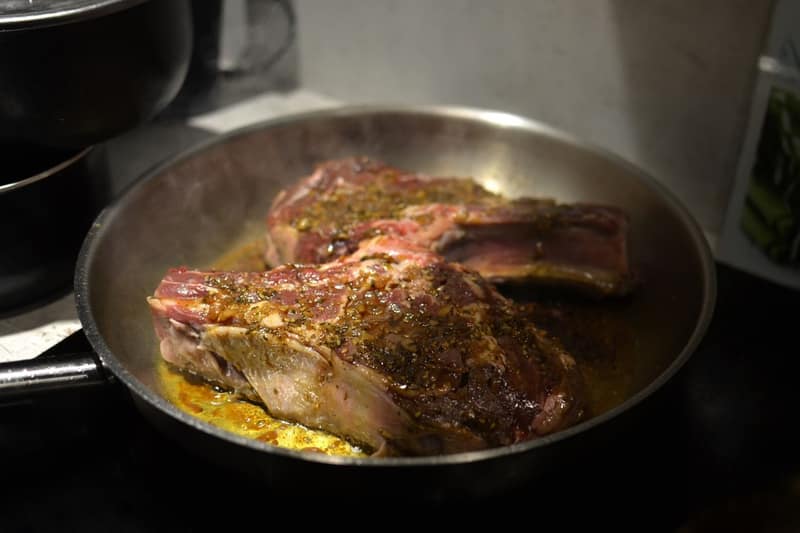
How it looks · Photo: Skylar Kang on Pexels
To serve
10 minStep 7
Warm four deep bowls. Put 2–3 tbsp tare in each and bring the broth back to a rolling boil. Cook the noodles in a large pan of unsalted boiling water for the time on the packet (often 1–2 minutes), keeping them firm.
- 5 min
- high heat
- Stockpot / large pot (opens in a new tab)
Step 8
Ladle (opens in a new tab) about 450 ml broth into each bowl and stir. Drain the noodles well, add them to the bowls and top with chashu, a halved egg (opens in a new tab), spring onion (opens in a new tab), bamboo shoots (opens in a new tab), nori (opens in a new tab), fish cake (opens in a new tab), enoki and sesame seeds (opens in a new tab). Serve at once.
At a glance
1 · Broth in a pot
 Pork bones (trotters and neck bones)
 Onion
 Garlic
 Fresh ginger
- Spring onion
then make
2 · Chashu and tare in a pan
 Pork belly
 Soy sauce
 Sake
 Mirin
 Sugar
- Fresh ginger
- Garlic
 Salt
then boil
3 · Eggs in a pan
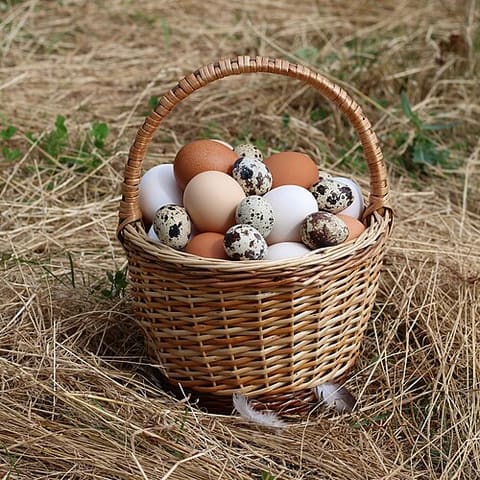 Egg
then warm
4 · To serve in a pot
 Ramen noodles
- Spring onion
 Bamboo shoots
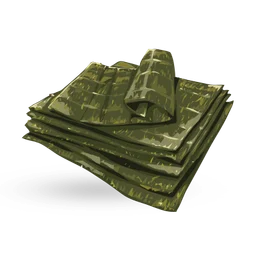 Nori
 Fish cake (eomuk / fish cake slices)
 Enoki mushrooms
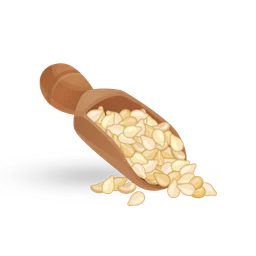 Sesame seeds
About this dish
- Origin
- Fukuoka (Kurume and Hakata), Kyushu, Japan · Well documentedThe cloudy pork-bone broth is traced to Kurume in the 1930s–40s; Fukuoka's Hakata style, with very thin noodles and refills (kaedama), made it famous.Also popular in United States, United Kingdom, Singapore, AustraliaMore food from Japan
Japan - Dish
- Lunch · Dinner · Noodles · Soups · Main courses · Noodle soups
- Cooking method
- Boiled, Braised, Simmered
- Taste
- umami, rich, savoury, creamy
- Diet
- Dairy-free · No nut ingredients · High-proteinWorked out from the ingredients. How labels work
All labels
Non-vegetarian · Dairy-free · No nut ingredients · Beef-free · High-protein - Good for
- Batch cooking · Make-ahead · Freezer-friendly
- Cook more with
- Pork bones (trotters and neck bones) · Pork belly · Ramen noodles · Onion · Garlic · Fresh ginger
- Techniques
- Searing · Boiling · Simmering · Braising · Slow-cooked gravy
Allergens
- Contains: Eggsfrom egg, ramen noodles, fish cake (eomuk / fish cake slices)
- Contains, can be adapted: Fishfrom fish cake (eomuk / fish cake slices)
- Contains: Wheatfrom soy sauce, ramen noodles, fish cake (eomuk / fish cake slices)
- Contains: Glutenfrom soy sauce, ramen noodles, fish cake (eomuk / fish cake slices)
- Contains: Soyfrom soy sauce, ramen noodles, fish cake (eomuk / fish cake slices)
- Contains, can be adapted: Sesamefrom sesame seeds
Based on typical versions of these ingredients and not verified allergen-free. Brands differ and cross-contact happens, so always check labels. For severe allergies, follow your clinician’s advice.
Nutrition
1939 kcal per serving
Estimated1 serving ≈ 1394 g · recipe makes 4
Where the energy comes from
- Protein 11%
- Carbohydrate 21%
- Fat 67%
| Nutrient | Per serving | Per 100 g* |
|---|---|---|
| Energy | 1939 kcal | 139 kcal |
| Protein | 53.5 g | 3.8 g |
| Carbohydrate | 101.2 g | 7.3 g |
| Net carbohydrate | 90.7 g | 6.5 g |
| Sugars | 10.5 g | 0.8 g |
| Added sugars | — | — |
| Fibre | 10.5 g | 0.8 g |
| Fat | 141.2 g | 10.1 g |
| Saturated fat | 49.2 g | 3.5 g |
| Trans fat | — | — |
| Cholesterol | 372 mg | 27 mg |
| Sodium | 4204 mg | 302 mg |
| Salt equivalent | 10.5 g | 0.8 g |
Vitamins & minerals per serving
- Potassium
- 1156 mg
- Calcium
- 177 mg
- Iron
- 11.8 mg
- Magnesium
- 113 mg
- Vitamin A (RAE)
- 108 µg
- Vitamin C
- 14 mg
- Vitamin D
- —
- Vitamin B12
- 2.2 µg
- Folate (DFE)
- 288 µg
How these numbers were made
- Calculated from USDA FoodData Central (SR Legacy) per-100 g values and the listed quantities.
- *Per 100 g of combined raw ingredients; the cooked dish may weigh more or less.
- Optional ingredients are not included: fish cake (eomuk / fish cake slices), enoki mushrooms, sesame seeds.
- Pork bones (trotters and neck bones): Pork spareribs (FDC 167853) scaled down as a rough estimate of the meat, fat and collagen that boiled pork bones release into a broth.
- Mirin: Sake (FDC 167723) used as a stand-in; true mirin is sweeter, so sugar is underestimated.
- “—” means the value isn’t known for enough of the ingredients; it is never zero by default.
- Values are estimates for guidance, not for medical dosing. U.S. Department of Agriculture, Agricultural Research Service. FoodData Central, 2019. fdc.nal.usda.gov.
Good to know
Tips
- A pressure cooker gets a respectable creamy broth in about 2½ hours on high pressure, followed by 20 minutes of hard boiling with the lid off.
- Ordering 'kaedama' in Hakata means a second portion of noodles dropped into your leftover broth; at home, cook a little extra.
Common mistakes
- Simmering instead of boiling hard, which gives a thin, clear soup.
- Salting the broth itself; seasoning comes from the tare in each bowl.
Serve with
- Put out beni shoga (red pickled ginger), crushed garlic, sesame seeds and chilli oil for diners to add at the table.
- Serve with gyoza on the side.
Food safety
- Cook pork until it reaches at least 63 °C in the centre (71 °C for minced pork) and refrigerate leftovers within 2 hours.
- Cool the broth quickly in a sink of cold water before refrigerating; never leave a large pot of stock to cool slowly at room temperature.
Storage
- Broth keeps 4 days refrigerated or 3 months frozen; chashu keeps 5 days in its liquid; eggs 3 days in the marinade.
Reheating
- Bring the broth to a rolling boil and whisk to re-emulsify; warm sliced chashu in the hot broth.
Variations
- Hakata ramen: Very thin, firm noodles, a lighter salt tare and minimal toppings, with noodle refills.
- Kumamoto ramen: Tonkotsu broth finished with fragrant black garlic oil (mayu) and fried garlic chips.
- Tonkotsu shoyu: Pork-bone broth with a soy-based tare, common in Tokyo-style ie-kei ramen.
Original editorial recipe · FriendsPantry editorial · source: TasteAtlas (dish facts) · Not yet independently reviewed · Added
Recipe DNA
How this dish is built
Reviews & corrections
Reviews come from signed-in cooks and appear after a moderator checks them. We never show made-up ratings.
You might also like
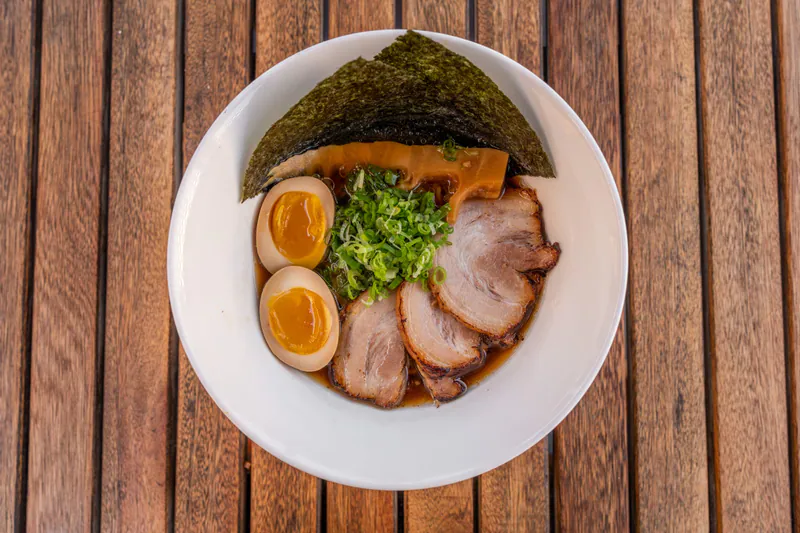
Shoyu ramen (home-style)
 Japanese · 40 min · 751 kcal
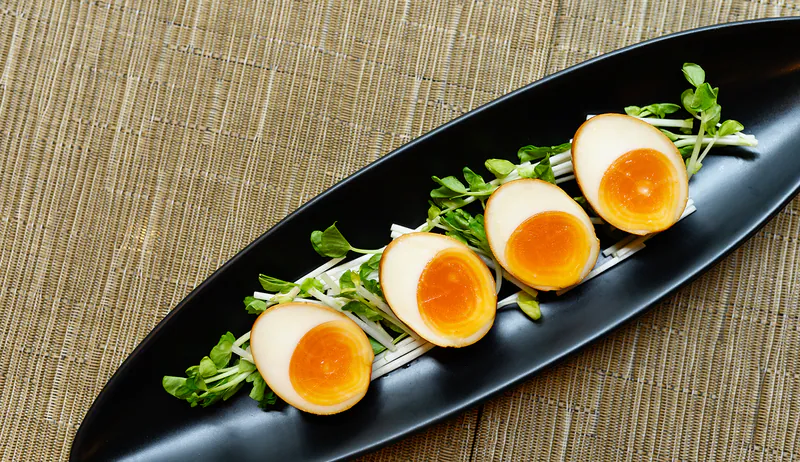
Ajitsuke tamago (ramen eggs)
Japanese · 6 h 20 min · 116 kcal · Contains egg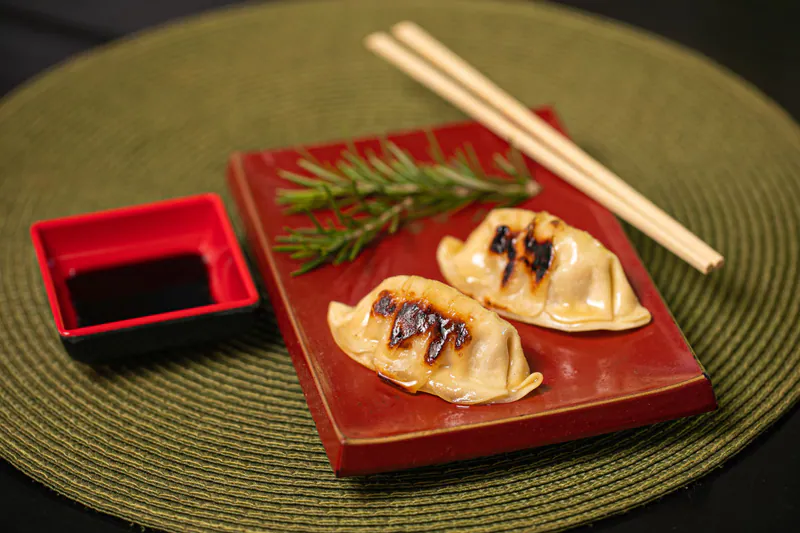
Gyoza (pan-fried pork dumplings)
Japanese · 55 min · 447 kcal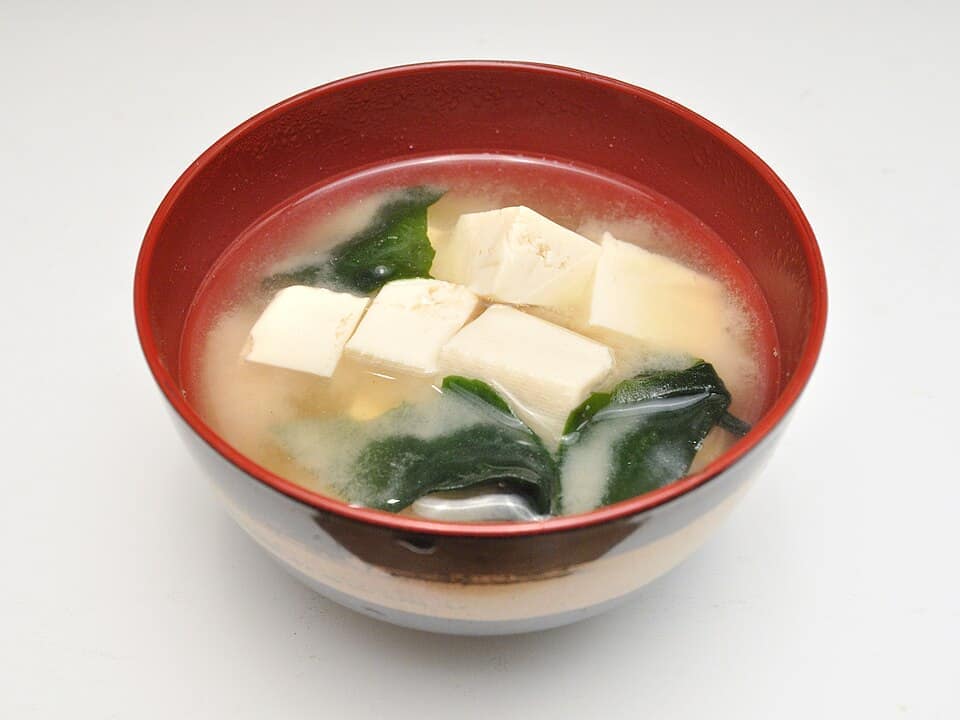
Miso soup with tofu and wakame
Japanese · 13 min · 84 kcal