
Pasta, noodles & bread · Noodles
Ramen noodles
Springy yellow wheat noodles made with alkaline salts (kansui); used in ramen and as chow mein noodles.
Also called: ramen, chow mein noodles, instant noodles (noodles only)
A kind of noodles
What it is
Ramen noodles get their yellow colour, firm springiness and slightly eggy flavour from alkaline mineral water (kansui), not usually from egg. They are sold fresh, frozen, dried, or deep-fried in instant blocks. This record covers the noodles only, not instant seasoning sachets. They are firmer and chewier than udon.
How it’s used
- Ramen in pork, chicken, miso or soy broth
- Tsukemen (dipping noodles)
- Yakisoba and chow mein
- Instant noodle dishes
Characteristics
Storage
Pantry-stable. Dried and instant noodles in the pantry; fresh in the fridge by the pack date.
Diet, allergens and safety
Contains Wheat, Gluten. May contain Eggs, Soy — check the label.
- Vegetarian
- Vegan
- Dairy-free
- Egg-free (check label)
- Gluten-free
- Nut-free
- Soy-free (check label)
- Caffeine-free
- Contains wheat and gluten; unsuitable for people with coeliac disease or a wheat allergy.
- May contain egg or soy; check the label.
Nutrition per 100 g
- Energy
- 471 kcal
- Protein
- 10.88 g
- Carbohydrate
- 63.64 g
- Fat
- 21.24 g
- Fibre
- 6.7 g
- Sugars
- 0 g
USDA FoodData Central: Noodles, chinese, chow mein.
Substitutes
Optional — what works if you don’t have it, and how it changes the dish.
- Dried pasta — Spaghetti boiled with baking soda in the water approximates the texture.
Related ingredients
Recipes with ramen noodles
Budae jjigae (army base stew)
 Korean · 30 min · 740 kcal
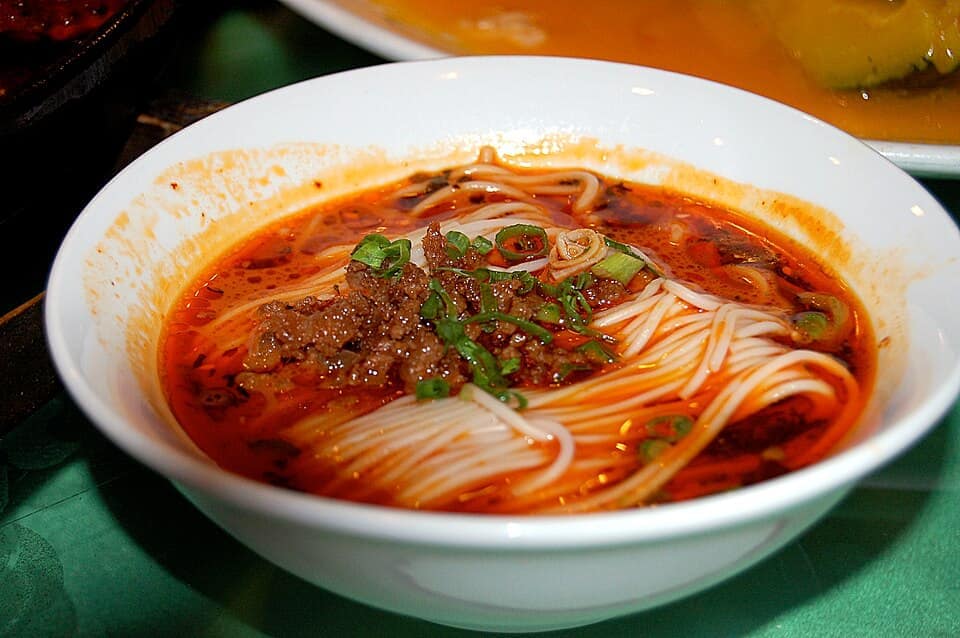
Dan dan noodles
 Sichuan · 25 min · 709 kcal
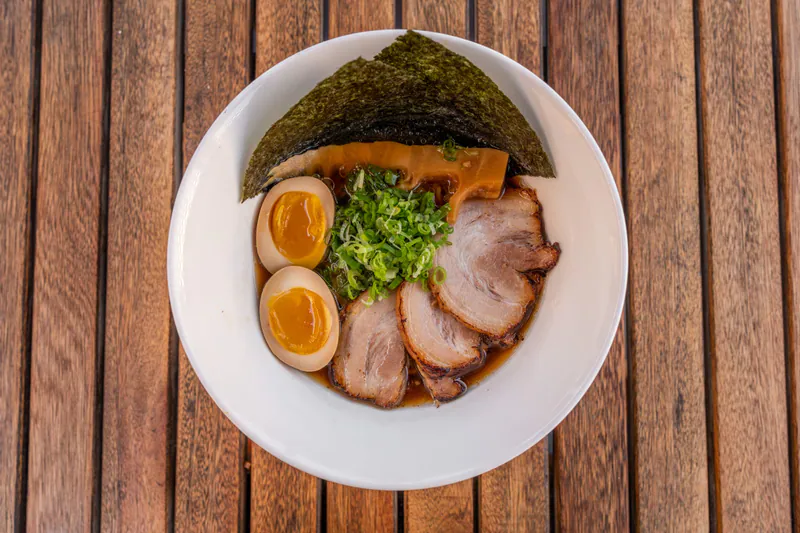
Shoyu ramen (home-style)
 Japanese · 40 min · 751 kcal
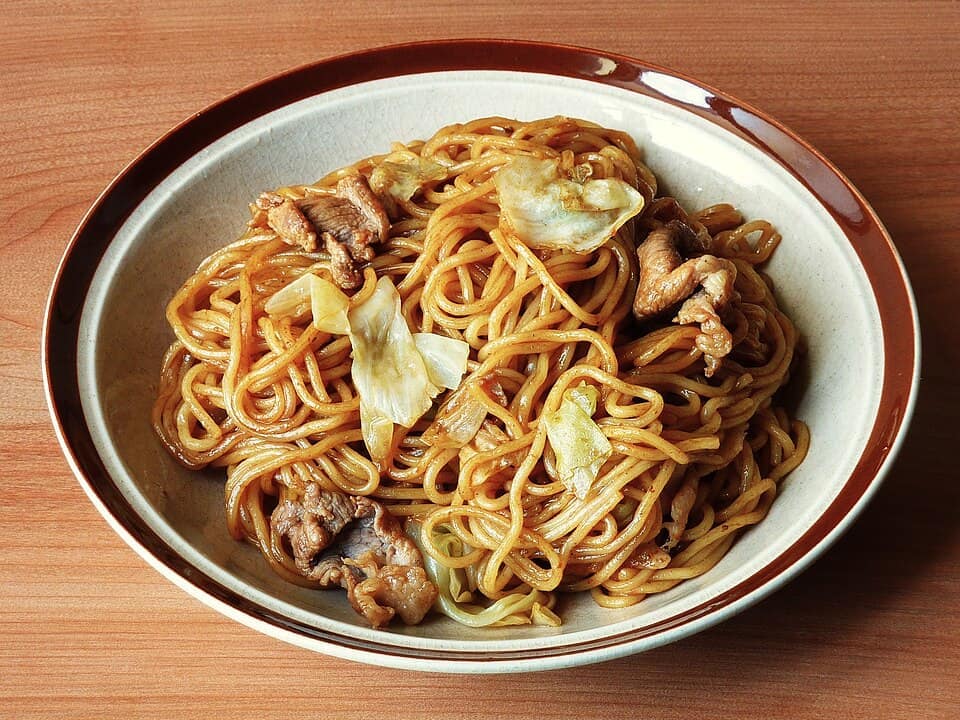
Yakisoba
Japanese · 27 min · 677 kcal
More noodles
Noodles
Egg noodles
Chinese-style wheat noodles enriched with egg; springy, yellow and good for lo mein, chow mein and soups.
19 recipes
Noodles
Noodles
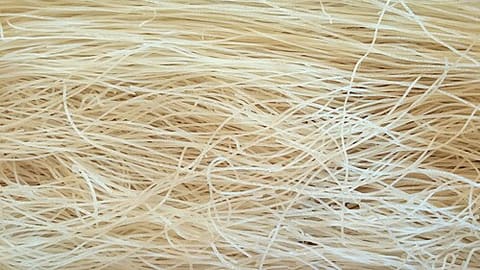
Long strands of dough or starch, from wheat and egg noodles to rice, buckwheat and glass noodles.
53 recipes
Noodles
Rice noodles
Dried noodles of rice flour and water, from hair-thin vermicelli to flat pho noodles; gluten-free and quick to soak.
18 recipes
Noodles
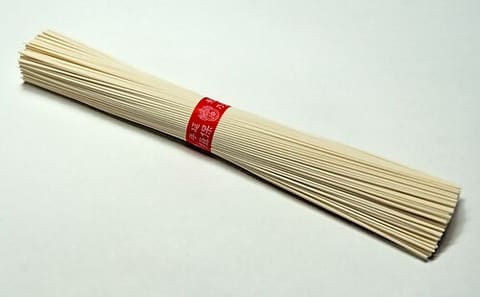
Udon noodles
Thick, white Japanese wheat noodles with a soft, bouncy chew; sold fresh, frozen or dried.
6 recipes
Noodles
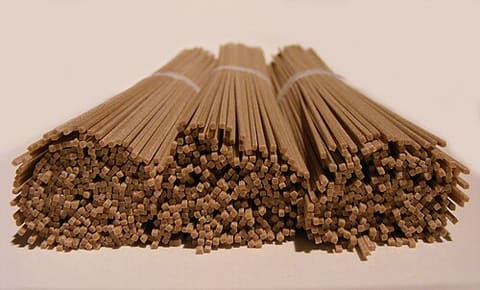
Soba noodles
Thin, grey-brown Japanese buckwheat noodles, served hot in broth or cold with dipping sauce.
2 recipes
Noodles
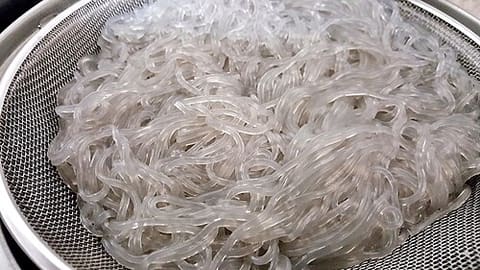
Glass noodles
Transparent noodles of mung bean or sweet potato starch; slippery, chewy and gluten-free.
6 recipes
Noodles
Fresh wide rice noodles (ho fun)
Soft, fresh sheets or wide ribbons of steamed rice batter; the noodles in beef chow fun and pad see ew.
1 recipe
Noodles
Falooda vermicelli
Very thin vermicelli noodles cooked soft and layered with rose syrup, milk, basil seeds and ice cream in falooda.
2 recipes