
Nigiri sushi
Non-vegetarian
握り寿司 · nigirizushi
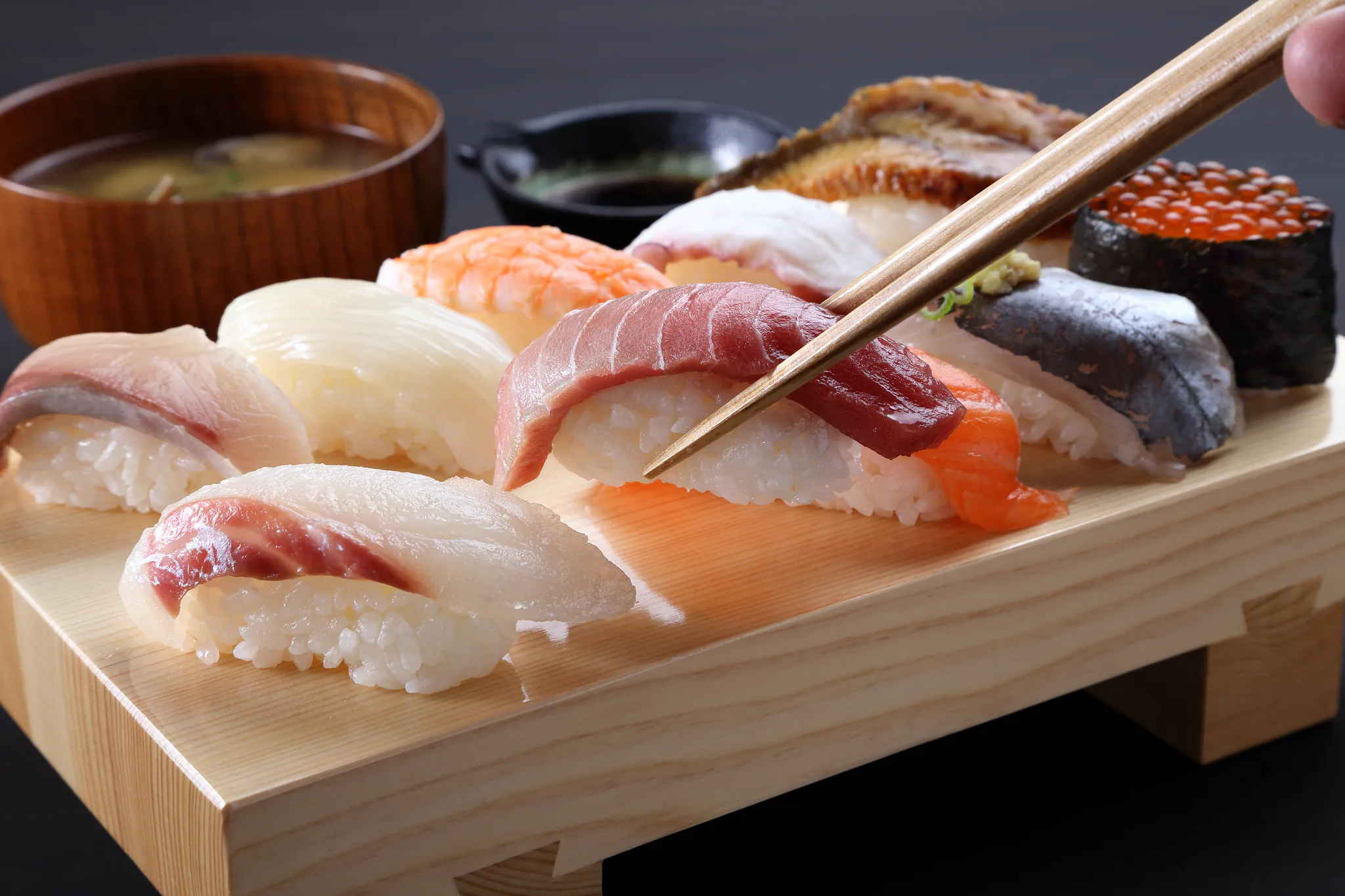
Small ovals of lightly seasoned vinegared rice pressed by hand and topped with a slice of raw fish or cooked prawn, with a dab of wasabi between the two. The original fast food of 19th-century Edo (Tokyo), it is all about the balance of good rice and very fresh fish.
Nigiri sushi is a Japanese rice dish, ready in about 1 hour 50 minutes and made with short-grain rice, rice vinegar and tuna. It serves 4 and is rated advanced to cook.
- Prep
- 50 min
- Cook
- 20 min
- Rest
- 40 min
- Total
- 1 h 50 min
- Serves
- 4
- Level
- Advanced
- Calories
- 468
Main ingredients
Ingredients
For the sushi rice
For the sushi vinegar
For the toppings
For shaping
To serve
Method
Sushi rice
33 minStep 1
Rinse the rice in a bowl of cold water, swirling and draining, 4–5 times until the water is almost clear. Drain in a sieve for 15 minutes, then put in a heavy saucepan (opens in a new tab) with the 330 ml water and the kombu (opens in a new tab) and leave to soak for 30 minutes.
Step 2
Bring to the boil, remove the kombu (opens in a new tab), cover tightly and cook on the lowest heat for 13 minutes. Turn off the heat and leave the lid on for 10 minutes more.
- 23 min
- low heat
A rice cooker on its sushi setting works just as well.
Sushi vinegar
10 minStep 3
Meanwhile, warm the 50 ml rice vinegar (opens in a new tab) with the sugar (opens in a new tab) and salt just until dissolved; do not boil.
- 2 min
- low heat
Step 4
Tip the hot rice into a wide bowl, ideally a wooden hangiri. Pour the vinegar over a spatula (opens in a new tab) onto the rice and fold it in with slicing strokes, without mashing, while fanning the rice to cool it quickly to body temperature and give it a gloss. Cover with a damp cloth.
Food safety: Cooked rice can carry Bacillus cereus spores that survive cooking; keep sushi rice at room temperature for no more than a few hours and refrigerate other leftover rice within an hour.
Toppings
20 minStep 5
Push a skewer (opens in a new tab) along the underside of each prawn (opens in a new tab) to keep it straight, then boil for 2 minutes until pink. Cool in iced water, peel leaving the tail on, and remove the vein. Cut along the belly without going through and open each prawn flat like a butterfly.
- 10 min
- high heat
- Skewers (opens in a new tab)
Step 6
With a long, very sharp knife, slice the tuna (opens in a new tab) and salmon (opens in a new tab) against the grain into rectangles about 8 cm long, 3 cm wide and 5 mm thick, each in one smooth pulling stroke.
Food safety: Use only fish sold for eating raw (sashimi grade), which has been frozen to kill parasites. Keep it refrigerated until you slice it and eat raw-fish sushi within 2 hours of making it.
Shaping
30 minStep 7
Mix the water and 1 tbsp rice vinegar (opens in a new tab) for shaping in a small bowl. Moisten your hands, take about 18 g of rice (a walnut-sized amount) and squeeze it gently into a firm, oblong pillow.
- 5 min
The rice should hold its shape when lifted yet fall apart in the mouth; squeeze lightly.
Step 8
Lay a slice of fish across the fingers of your other hand, smear a little wasabi (opens in a new tab) down the middle and set the rice on top. Press with two fingers to mould the topping around the rice, turn it over so the fish is on top and press once more to neaten. Repeat with all the rice and toppings; prawns (opens in a new tab) go on without wasabi if you prefer.
- 25 min
To serve
1 minStep 9
Serve immediately with soy sauce (opens in a new tab) and pickled ginger (opens in a new tab). Dip the fish side, not the rice, lightly into the soy sauce and eat each piece in one bite.
- 1 min

How it looks · Photo: Willians Huerta on Pexels
At a glance
1 · Sushi rice in a pot
 Short-grain rice
 Kombu (dried kelp)
then warm
2 · Sushi vinegar in a bowl
 Rice vinegar
 Sugar
 Salt
then push
3 · Toppings in a pot
 Tuna
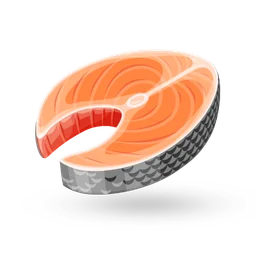 Salmon
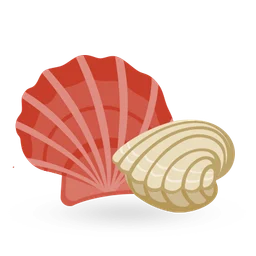 Prawns / shrimp
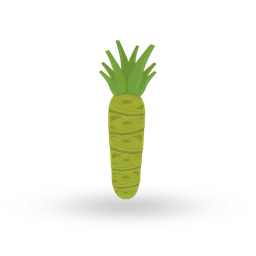 Wasabi
then mix
4 · Shaping in a bowl
- Rice vinegar
then serve
5 · To serve in a bowl
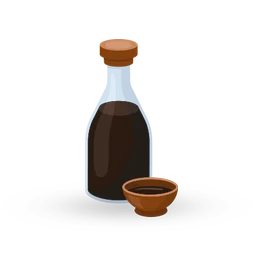 Soy sauce
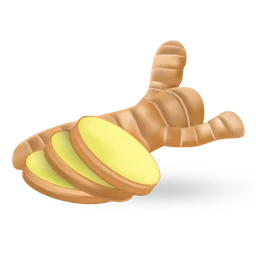 Pickled sushi ginger (gari)
About this dish
- Origin
- Edo (Tokyo), Japan · Well documentedHand-pressed sushi was sold from street stalls in Edo in the early 1800s; Hanaya Yohei is often credited with popularising it. Earlier sushi was fermented or pressed in boxes.Also popular in United States, United Kingdom, France, BrazilMore food from Japan
Japan - Dish
- Lunch · Dinner · Rice dishes · Finger food · Main courses
- Cooking method
- Raw, Boiled
- Taste
- umami, fresh, sour, mild
- Diet
- Pescatarian · Dairy-free · No nut ingredients · High-proteinWorked out from the ingredients. How labels work
All labels
Pescatarian · Non-vegetarian · Dairy-free · Egg-free · No nut ingredients · Alcohol-free · Pork-free · Beef-free · High-protein · Low-fat · Calorie-conscious - Good for
- Festive & celebration
- Cook more with
- Short-grain rice · Rice vinegar · Tuna · Sugar · Salmon · Prawns / shrimp
Allergens
- Contains: Fishfrom tuna, salmon
- Contains: Crustaceansfrom prawns / shrimp
- Contains: Wheatfrom soy sauce
- Contains: Glutenfrom soy sauce
- Contains: Soyfrom soy sauce
- May contain: Mustardfrom wasabi
Based on typical versions of these ingredients and not verified allergen-free. Brands differ and cross-contact happens, so always check labels. For severe allergies, follow your clinician’s advice.
Nutrition
468 kcal per serving
Estimated1 serving ≈ 352 g · recipe makes 4
Where the energy comes from
- Protein 29%
- Carbohydrate 59%
- Fat 12%
| Nutrient | Per serving | Per 100 g* |
|---|---|---|
| Energy | 468 kcal | 133 kcal |
| Protein | 32.5 g | 9.2 g |
| Carbohydrate | 67.3 g | 19.1 g |
| Net carbohydrate | — | — |
| Sugars | — | — |
| Added sugars | — | — |
| Fibre | — | — |
| Fat | 6 g | 1.7 g |
| Saturated fat | 1.4 g | 0.4 g |
| Trans fat | — | — |
| Cholesterol | 88 mg | 25 mg |
| Sodium | 1616 mg | 459 mg |
| Salt equivalent | 4 g | 1.1 g |
Vitamins & minerals per serving
- Potassium
- 624 mg
- Calcium
- 49 mg
- Iron
- 1.6 mg
- Magnesium
- 76 mg
- Vitamin A (RAE)
- —
- Vitamin C
- —
- Vitamin D
- —
- Vitamin B12
- —
- Folate (DFE)
- —
How these numbers were made
- Calculated from USDA FoodData Central (SR Legacy) per-100 g values and the listed quantities.
- *Per 100 g of combined raw ingredients; the cooked dish may weigh more or less.
- Optional ingredients are not included: kombu (dried kelp).
- Rice vinegar: Distilled vinegar (FDC 172237) used as a stand-in for unseasoned rice vinegar.
- Pickled sushi ginger (gari): Raw ginger root used as a stand-in; gari is young ginger thinly sliced and pickled in sweetened rice vinegar, so it carries a little added sugar.
- “—” means the value isn’t known for enough of the ingredients; it is never zero by default.
- Values are estimates for guidance, not for medical dosing. U.S. Department of Agriculture, Agricultural Research Service. FoodData Central, 2019. fdc.nal.usda.gov.
Good to know
Tips
- Buy fish the day you make sushi and tell the fishmonger it is for eating raw.
- Sushi rice is easiest to shape at body temperature; rice from the fridge turns hard and crumbly.
Common mistakes
- Squeezing the rice too hard, which makes dense, gluey nigiri.
- Sawing the fish back and forth, which tears the flesh; slice in one long stroke.
Serve with
- Serve with miso soup and a few slices of tamagoyaki nigiri (sweet rolled omelette tied to the rice with a strip of nori).
- Drink green tea; eat ginger between pieces to refresh the palate.
Food safety
- Use only fish sold for eating raw (sashimi grade), which has been frozen to kill parasites. Keep it refrigerated until you slice it and eat raw-fish sushi within 2 hours of making it.
- Cooked rice can carry Bacillus cereus spores that survive cooking; keep sushi rice at room temperature for no more than a few hours and refrigerate other leftover rice within an hour.
- Raw fish is not recommended for pregnant people, young children or anyone with a weakened immune system; choose cooked toppings such as prawn, eel or omelette.
Storage
- Best eaten within an hour. Raw-fish sushi should not be kept; refrigerating it hardens the rice.
Variations
- Salmon nigiri (sake nigiri): Topped with salmon alone; one of the most popular nigiri outside Japan.
- Unagi nigiri: Grilled freshwater eel brushed with sweet soy glaze, held on with a band of nori.
- Aburi nigiri: The topping is lightly seared with a blowtorch just before serving.
- Tamago nigiri: A slab of sweet rolled omelette tied to the rice with a strip of nori.
Original editorial recipe · FriendsPantry editorial · source: TasteAtlas (dish facts) · Not yet independently reviewed · Added
Recipe DNA
How this dish is built
Built from the recipe’s own sections. Each band’s width is its share of the dish by weight. Choose a component to see what it does.
The staple
For the sushi rice
- Short-grain rice, Japanese short-grain (sushi) rice300 g
- Water330 ml · 330 g
- Kombu (dried kelp), 5 cm square, wiped (optional)1 piece · 10 g
Reviews & corrections
Reviews come from signed-in cooks and appear after a moderator checks them. We never show made-up ratings.
You might also like
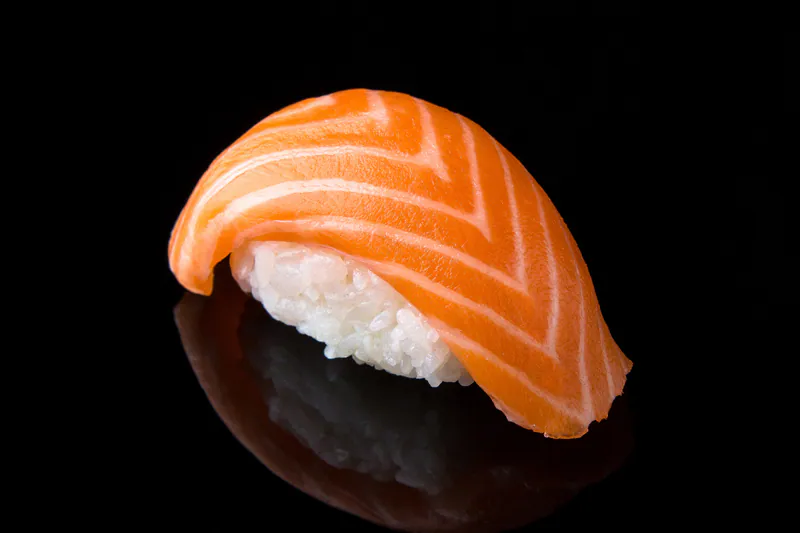
Salmon nigiri (sake nigiri)
 Japanese · 1 h 40 min · 517 kcal
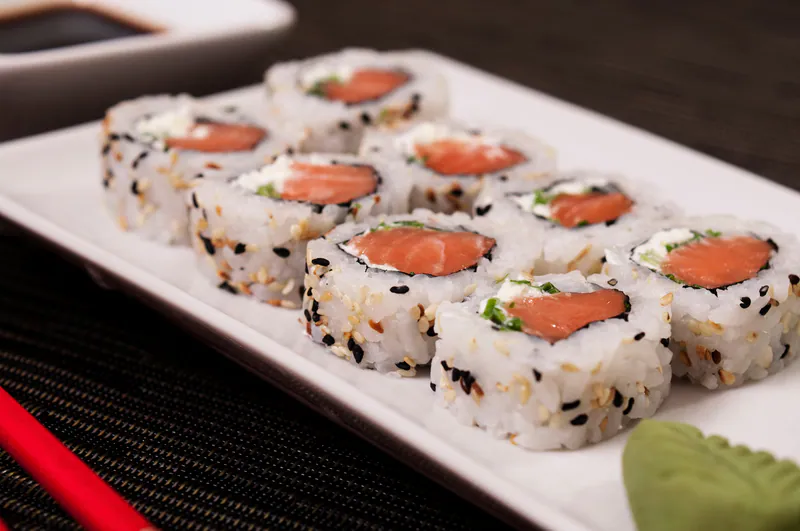
California roll (uramaki)
Japanese · 1 h 45 min · 517 kcal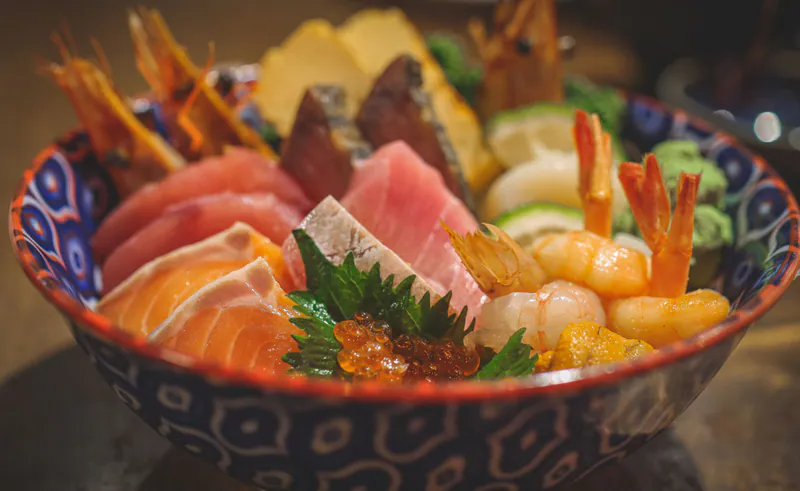
Chirashizushi (scattered sushi bowl)
Japanese · 1 h 20 min · 582 kcal
Tamagoyaki
Japanese · 15 min · 228 kcal