
 Japanese · Norwegian · Rice dishes
Salmon nigiri (sake nigiri)
Non-vegetarian
サーモン握り · sāmon nigiri
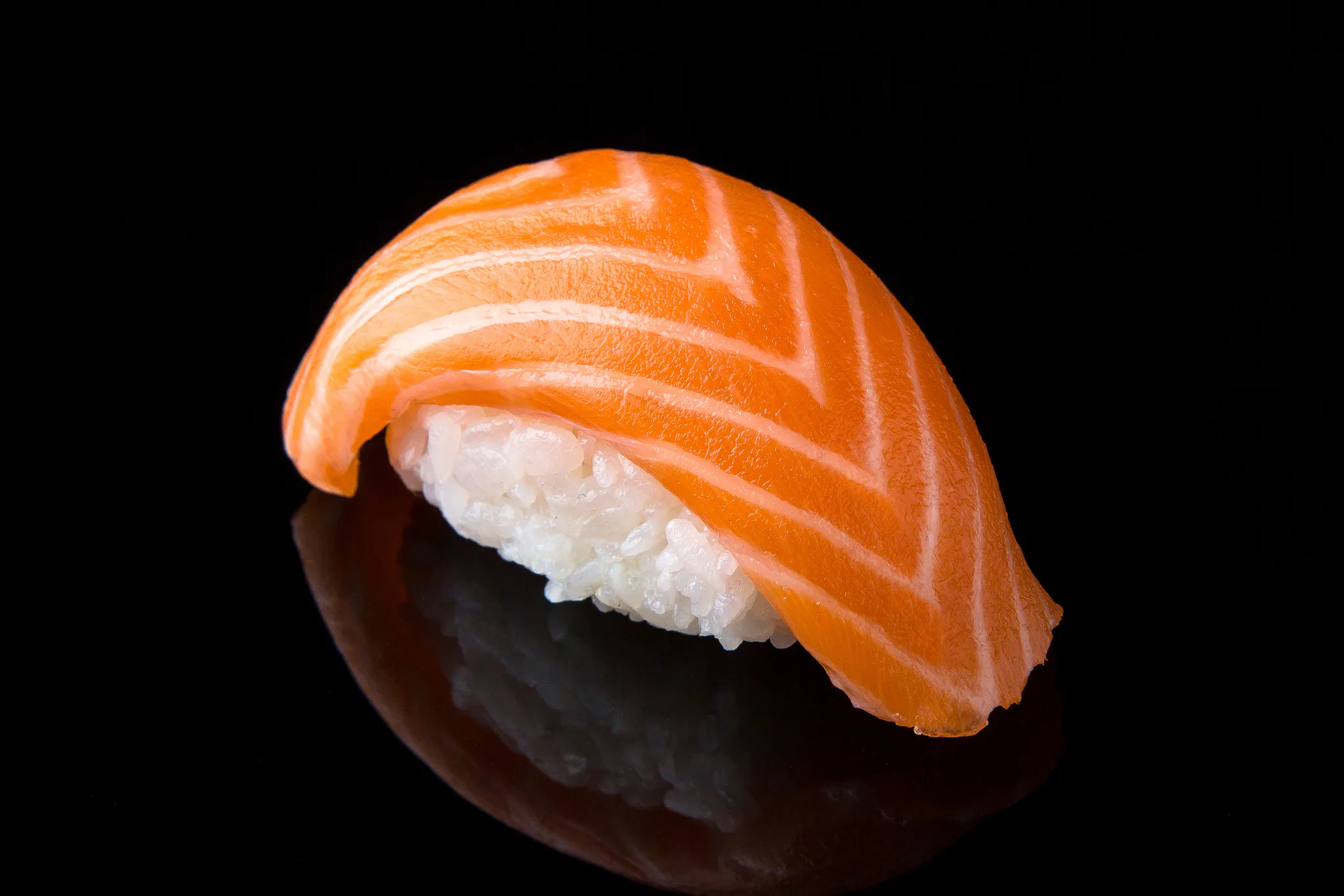
Hand-pressed ovals of vinegared rice draped with thick slices of raw salmon, with a touch of wasabi between them. Soft, rich and mild, it is the piece many people try first and the most ordered nigiri in the world.
Salmon nigiri (sake nigiri) is a Japanese rice dish from Norway, ready in about 1 hour 40 minutes and made with short-grain rice, rice vinegar and salmon. It serves 4 and is rated intermediate to cook.
- Prep
- 40 min
- Cook
- 20 min
- Rest
- 40 min
- Total
- 1 h 40 min
- Serves
- 4
- Level
- Intermediate
- Calories
- 517
Main ingredients
Ingredients
For the sushi rice
For the sushi vinegar
For the topping
For shaping
To serve
Method
Sushi rice
33 minStep 1
Wash the rice in several changes of cold water until it runs nearly clear, drain for 15 minutes, then soak in the 330 ml water in a heavy saucepan (opens in a new tab) for 30 minutes.
Step 2
Bring to the boil, cover tightly and cook on the lowest heat for 13 minutes, then leave to steam off the heat, still covered, for 10 minutes.
- 23 min
- low heat
Sushi vinegar
10 minStep 3
Dissolve the sugar (opens in a new tab) and salt in the 50 ml rice vinegar (opens in a new tab) over low heat. Spread the hot rice in a wide bowl, sprinkle over the vinegar and fold it through with a spatula (opens in a new tab) while fanning, until the rice is glossy and at body temperature. Keep it covered with a damp cloth.
Food safety: Cooked rice can carry Bacillus cereus spores that survive cooking; keep sushi rice at room temperature for no more than a few hours and refrigerate other leftover rice within an hour.
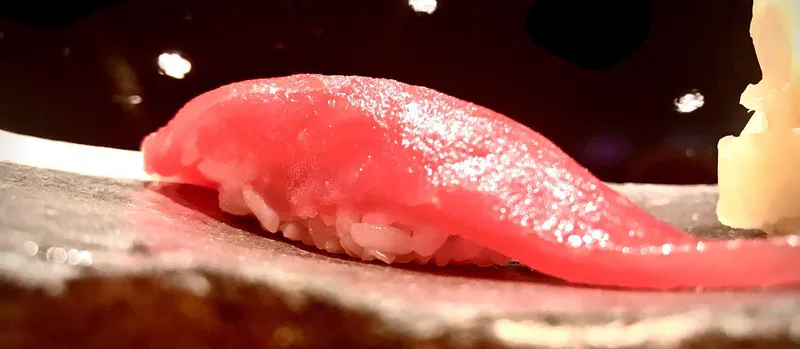
How it looks · Photo: Klaus Nielsen on Pexels
Topping
10 minStep 4
Trim the salmon (opens in a new tab) into a neat block and cut slices on a slight diagonal against the white lines of fat, about 7–8 cm long and 5–6 mm thick, using a single long pulling stroke for each.
Food safety: Use only fish sold for eating raw (sashimi grade), which has been frozen to kill parasites. Keep it refrigerated until you slice it and eat raw-fish sushi within 2 hours of making it.
Shaping
25 minStep 5
Wet your hands in the water mixed with the 1 tbsp vinegar. Shape about 18 g of rice into a firm oval. Hold a salmon (opens in a new tab) slice in your palm, brush a little wasabi (opens in a new tab) along it, lay the rice on top and press the two together with your fingers. Turn over and give it a final gentle press to shape. Repeat.
- 25 min
To serve
2 minStep 6
Arrange on a board and serve straight away with soy sauce (opens in a new tab), ginger and, if you like, a few thin lemon (opens in a new tab) wedges.
- 2 min
At a glance
1 · Sushi rice in a pot
 Short-grain rice
then dissolve
2 · Sushi vinegar in a bowl
 Rice vinegar
 Sugar
 Salt
then trim
3 · Topping in a bowl
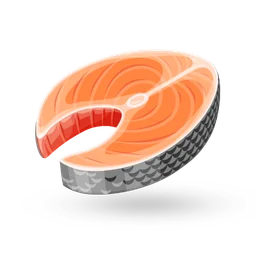 Salmon
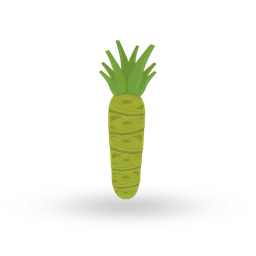 Wasabi
then wet
4 · Shaping in a bowl
- Rice vinegar
then arrange
5 · To serve in a bowl
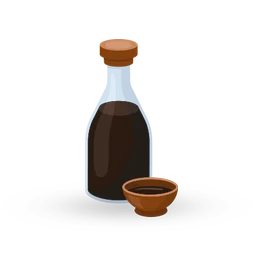 Soy sauce
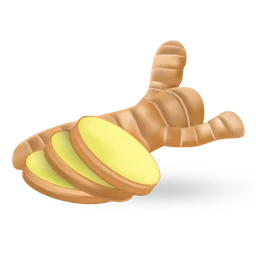 Pickled sushi ginger (gari)
 Lemon
About this dish
- Origin
- Norway and Japan, Norway · Commonly attributedRaw salmon was not traditionally eaten as sushi in Japan because wild Pacific salmon can carry parasites. In the 1980s Norway promoted its farmed Atlantic salmon to Japanese buyers as safe to eat raw, and by the 1990s salmon nigiri had become a fixture in Japan and worldwide.Also popular in Japan, United States, United Kingdom, BrazilMore food from Norway
Norway - Dish
- Lunch · Dinner · Rice dishes · Finger food
- Cooking method
- Raw, Boiled
- Taste
- rich, umami, fresh, mild
- Diet
- Pescatarian · Dairy-free · No nut ingredients · High-proteinWorked out from the ingredients. How labels work
All labels
Pescatarian · Non-vegetarian · Dairy-free · Egg-free · No nut ingredients · Alcohol-free · Pork-free · Beef-free · High-protein - Good for
- Festive & celebration
- Cook more with
- Short-grain rice · Rice vinegar · Salmon · Sugar · Wasabi · Soy sauce
- Techniques
- Boiling
Allergens
- Contains: Fishfrom salmon
- Contains: Wheatfrom soy sauce
- Contains: Glutenfrom soy sauce
- Contains: Soyfrom soy sauce
- May contain: Mustardfrom wasabi
Based on typical versions of these ingredients and not verified allergen-free. Brands differ and cross-contact happens, so always check labels. For severe allergies, follow your clinician’s advice.
Nutrition
517 kcal per serving
Estimated1 serving ≈ 334 g · recipe makes 4
Where the energy comes from
- Protein 21%
- Carbohydrate 53%
- Fat 25%
| Nutrient | Per serving | Per 100 g* |
|---|---|---|
| Energy | 517 kcal | 155 kcal |
| Protein | 27 g | 8.1 g |
| Carbohydrate | 67.2 g | 20.1 g |
| Net carbohydrate | — | — |
| Sugars | — | — |
| Added sugars | — | — |
| Fibre | — | — |
| Fat | 14 g | 4.2 g |
| Saturated fat | 3.2 g | 1 g |
| Trans fat | — | — |
| Cholesterol | 55 mg | 16 mg |
| Sodium | 1594 mg | 477 mg |
| Salt equivalent | 4 g | 1.2 g |
Vitamins & minerals per serving
- Potassium
- 548 mg
- Calcium
- 33 mg
- Iron
- 1.3 mg
- Magnesium
- 65 mg
- Vitamin A (RAE)
- —
- Vitamin C
- 5 mg
- Vitamin D
- 11 µg
- Vitamin B12
- 3.2 µg
- Folate (DFE)
- 34 µg
How these numbers were made
- Calculated from USDA FoodData Central (SR Legacy) per-100 g values and the listed quantities.
- *Per 100 g of combined raw ingredients; the cooked dish may weigh more or less.
- Optional ingredients are not included: lemon.
- Rice vinegar: Distilled vinegar (FDC 172237) used as a stand-in for unseasoned rice vinegar.
- Pickled sushi ginger (gari): Raw ginger root used as a stand-in; gari is young ginger thinly sliced and pickled in sweetened rice vinegar, so it carries a little added sugar.
- “—” means the value isn’t known for enough of the ingredients; it is never zero by default.
- Values are estimates for guidance, not for medical dosing. U.S. Department of Agriculture, Agricultural Research Service. FoodData Central, 2019. fdc.nal.usda.gov.
Good to know
Tips
- Farmed Atlantic salmon sold for sashimi is the usual choice; wild salmon must be properly frozen before being eaten raw.
- Chill the salmon well before slicing; cold fish cuts more cleanly.
Common mistakes
- Cutting the slices too thin, which lets the rice dominate.
- Leaving the finished sushi to sit, which warms the fish and dries the rice.
Serve with
- Serve on a mixed platter with tuna nigiri and California rolls, plus miso soup.
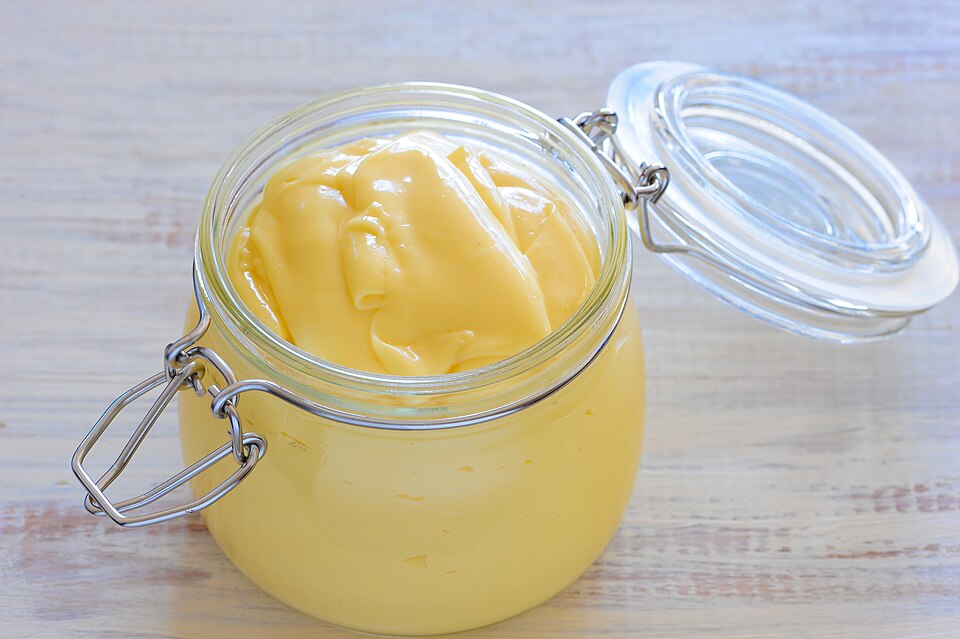
- Try it aburi-style: sear the top briefly with a blowtorch and add a drop of mayonnaise and a squeeze of lemon.
Food safety
- Use only fish sold for eating raw (sashimi grade), which has been frozen to kill parasites. Keep it refrigerated until you slice it and eat raw-fish sushi within 2 hours of making it.
- Cooked rice can carry Bacillus cereus spores that survive cooking; keep sushi rice at room temperature for no more than a few hours and refrigerate other leftover rice within an hour.
Storage
- Do not store; eat within 2 hours of making.
Variations
- Aburi salmon nigiri: The salmon is flame-seared until the fat melts, often with a little mayonnaise.
- Salmon and avocado nigiri: A thin slice of avocado under the salmon; a popular style outside Japan.
Original editorial recipe · FriendsPantry editorial · source: TasteAtlas (dish facts) · Not yet independently reviewed · Added
Recipe DNA
How this dish is built
Built from the recipe’s own sections. Each band’s width is its share of the dish by weight. Choose a component to see what it does.
The staple
For the sushi rice
- Short-grain rice, Japanese short-grain (sushi) rice300 g
- Water330 ml · 330 g
Reviews & corrections
Reviews come from signed-in cooks and appear after a moderator checks them. We never show made-up ratings.
You might also like
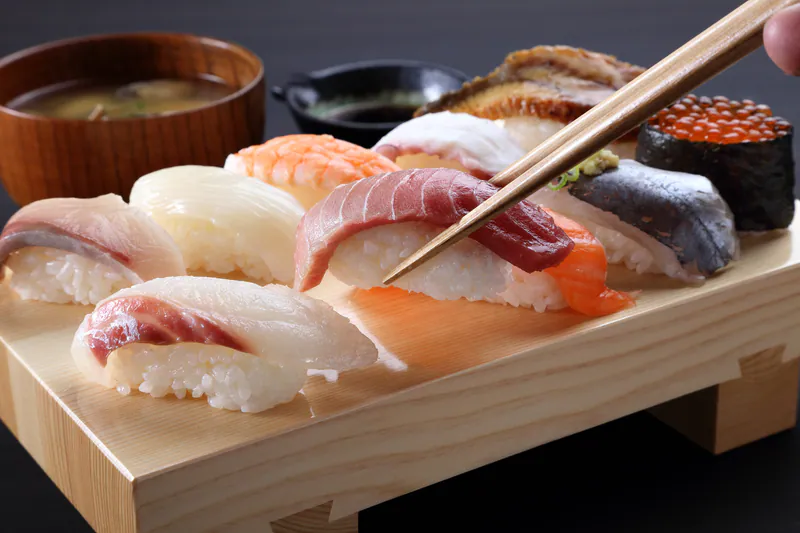
Nigiri sushi
Japanese · 1 h 50 min · 468 kcal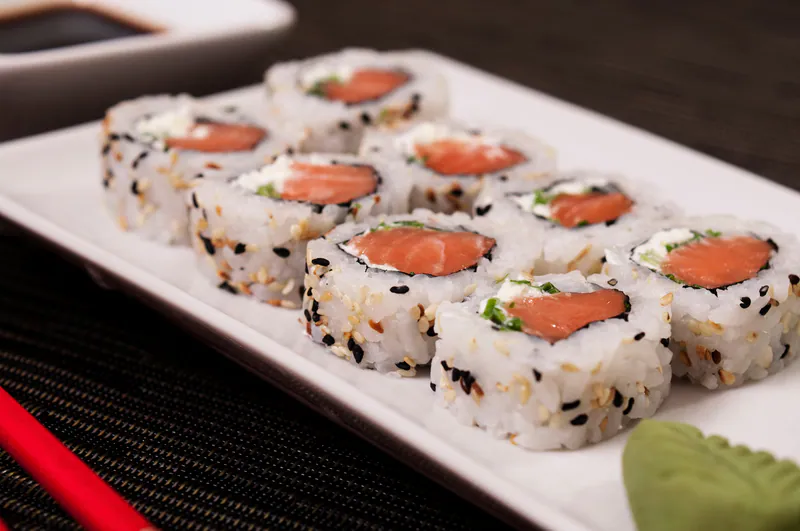
California roll (uramaki)
Japanese · 1 h 45 min · 517 kcal
Salmon onigiri
Japanese · 1 h · 232 kcal
Miso soup with tofu and wakame
Japanese · 13 min · 84 kcal