
Miso ramen (Sapporo-style)
Non-vegetarian
味噌ラーメン · miso rāmen
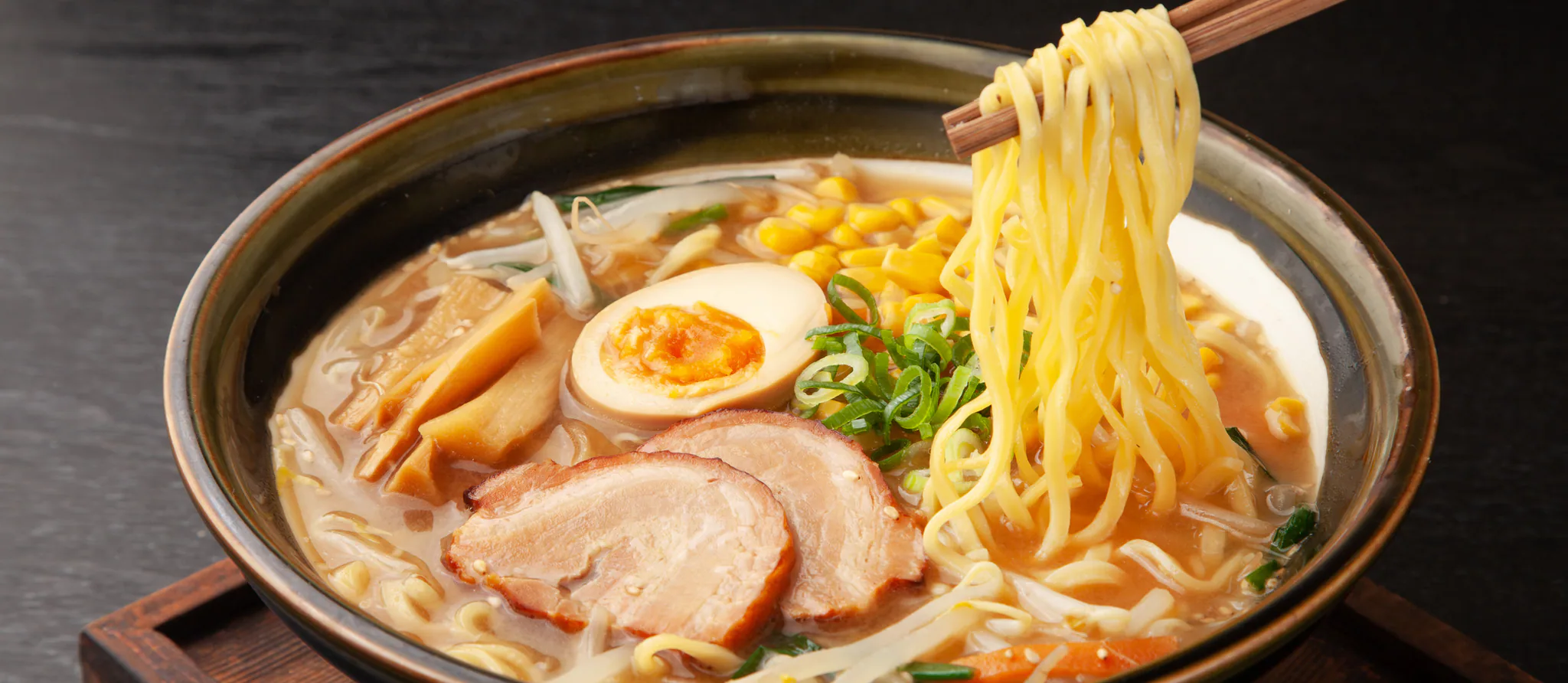
Springy wheat noodles in a rich, cloudy broth seasoned with miso, garlic and ginger, crowned with wok-fried pork, bean sprouts and cabbage, sweet corn and a pat of butter. A hearty winter bowl from snowy Sapporo on Hokkaido.
Miso ramen (Sapporo-style) is a Japanese noodle dish, ready in about 40 minutes and made with miso, ground pork and chicken stock. It serves 2 and is rated intermediate to cook.
- Prep
- 15 min
- Cook
- 25 min
- Total
- 40 min
- Serves
- 2
- Level
- Intermediate
- Calories
- 1357
Main ingredients
Ingredients
For the toppings
For the miso base
For the soup
For the noodles
Method
Toppings
8 minStep 1
Bring a small pan of water to the boil, lower in the eggs (opens in a new tab) and cook for 6½ minutes for jammy yolks. Cool in cold water and peel.
- 8 min
- medium-high heat
- Saucepan (opens in a new tab)
Miso base
3 minStep 2
Mix the miso (opens in a new tab), sesame (opens in a new tab) paste, mirin (opens in a new tab), soy sauce (opens in a new tab) and doubanjiang to a smooth paste.
Step 3
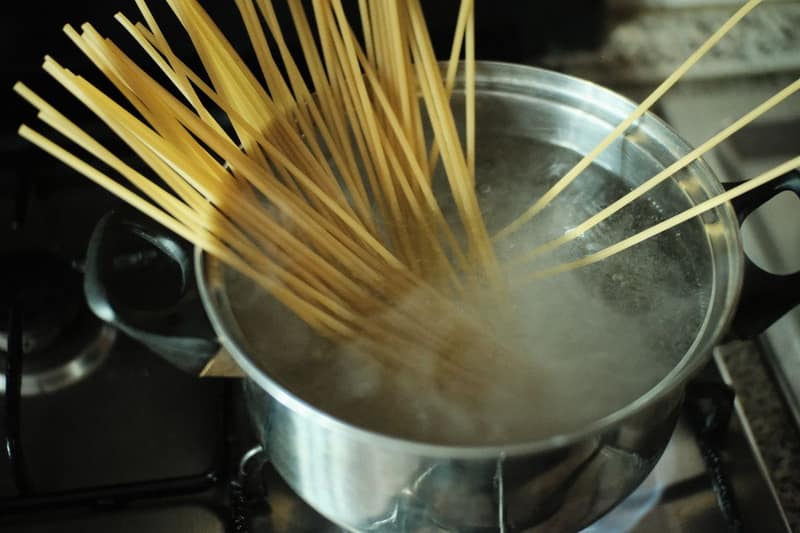
Put a large pot of unsalted water on to boil for the noodles.
How it looks · Photo: Gianpiero Ferraro on Pexels
Soup
10 minStep 4
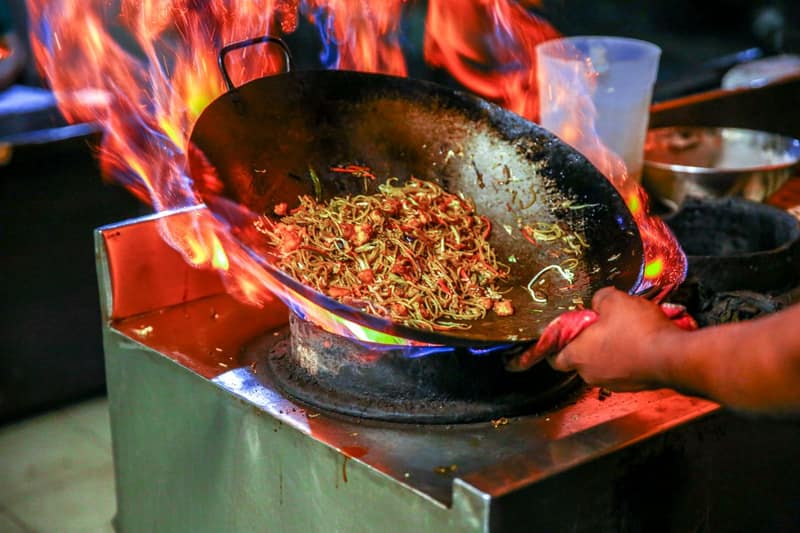
Heat the oil in a wok (opens in a new tab) over high heat. Fry the garlic (opens in a new tab) and ginger for a few seconds, add the pork and stir-fry, breaking it up, until it loses its pink colour. Add the onion (opens in a new tab) and cabbage (opens in a new tab) and toss for 2 minutes, then the bean sprouts (opens in a new tab) for 30 seconds more.
- 5 min
- high heat
- Wok (opens in a new tab)
How it looks · Photo: Aesthos AR. Photography on Pexels Step 5
Pour in the stock and bring to the boil, scraping up the browned bits; simmer for 3 minutes. Turn the heat to low, ladle a little hot stock into the miso (opens in a new tab) paste to loosen it, then stir it back into the wok (opens in a new tab) with the sesame oil (opens in a new tab). Keep hot without boiling.
- 5 min
- low heat
Boiling miso hard dulls its aroma.
Noodles
6 minStep 6
Cook the noodles in the boiling water according to the packet, usually 1½–2 minutes for fresh noodles. Drain very well, shaking off all the water.
- 3 min
- high heat
- Slotted spoon (opens in a new tab)
Step 7
Divide the noodles between two warmed deep bowls. Ladle over the soup, piling the pork and vegetables on top. Add a halved egg (opens in a new tab), corn (opens in a new tab), butter (opens in a new tab), spring onion (opens in a new tab), bamboo shoots (opens in a new tab) and nori (opens in a new tab) to each bowl and sprinkle with sesame seeds (opens in a new tab). Eat at once, before the noodles soften.
- 3 min
How it looks · Photo: Klaus Nielsen on Pexels
At a glance
1 · Toppings in a pan
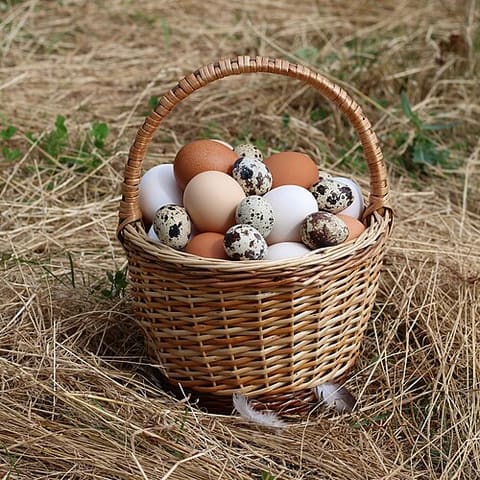 Egg
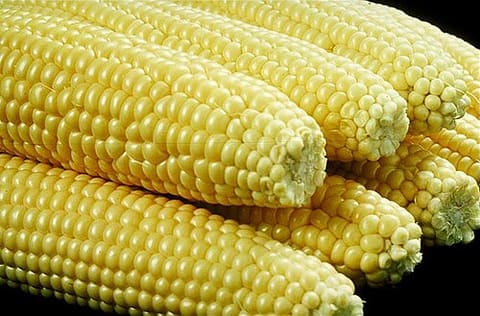 Sweet corn
 Butter
 Spring onion
 Bamboo shoots
 Nori
 Sesame seeds
then mix
2 · Miso base in a pot
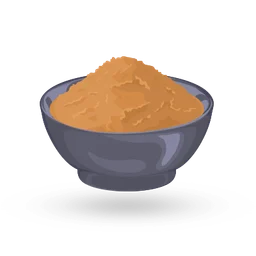 Miso
- Chinese sesame paste
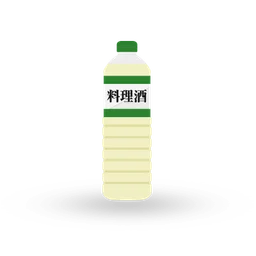 Mirin
 Soy sauce
 Chilli bean paste (doubanjiang)
then heat
3 · Soup in a pot
 Neutral vegetable oil
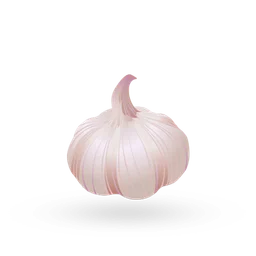 Garlic
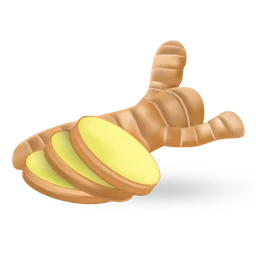 Fresh ginger
 Ground pork
- Onion
 Cabbage
 Bean sprouts
 Chicken stock
 Toasted sesame oil
then cook
4 · Noodles in a pot
 Ramen noodles
About this dish
- Origin
- Sapporo, Hokkaido, Japan · Well documentedCredited to the Aji no Sanpei noodle shop in Sapporo in the mid-1950s, after a customer asked for noodles in his pork and miso soup. Instant-noodle versions spread it across Japan in the 1960s; the corn and butter topping is a Hokkaido touch.Also popular in United StatesMore food from Japan
Japan - Dish
- Lunch · Dinner · Noodles · Soups · Main courses · Noodle soups
- Cooking method
- Stir-fried, Simmered, Boiled
- Taste
- umami, savoury, rich, garlicky
- Diet
- No nut ingredients · High-proteinWorked out from the ingredients. How labels work
All labels
Non-vegetarian · No nut ingredients · Beef-free · High-protein - Good for
- One-pot
- Cook more with
- Miso · Ground pork · Chicken stock · Ramen noodles · Egg · Mirin
- Techniques
- Stir-frying · Boiling · Simmering · Deglazing
Allergens
- Contains: Milkfrom butter
- Contains: Eggsfrom egg, ramen noodles
- Contains: Wheatfrom soy sauce, chilli bean paste (doubanjiang), ramen noodles
- Contains: Glutenfrom miso, soy sauce, chilli bean paste (doubanjiang), ramen noodles
- Contains: Soyfrom miso, soy sauce, chilli bean paste (doubanjiang), ramen noodles
- Contains: Sesamefrom chinese sesame paste, toasted sesame oil, sesame seeds
- May contain: Celeryfrom chicken stock
Based on typical versions of these ingredients and not verified allergen-free. Brands differ and cross-contact happens, so always check labels. For severe allergies, follow your clinician’s advice.
Nutrition
1357 kcal per serving
Estimated1 serving ≈ 984 g · recipe makes 2
Where the energy comes from
- Protein 16%
- Carbohydrate 37%
- Fat 48%
| Nutrient | Per serving | Per 100 g* |
|---|---|---|
| Energy | 1357 kcal | 138 kcal |
| Protein | 54.1 g | 5.5 g |
| Carbohydrate | 126.7 g | 12.9 g |
| Net carbohydrate | 111.8 g | 11.4 g |
| Sugars | — | — |
| Added sugars | — | — |
| Fibre | 14.9 g | 1.5 g |
| Fat | 73.4 g | 7.5 g |
| Saturated fat | 24 g | 2.4 g |
| Trans fat | — | — |
| Cholesterol | 275 mg | 28 mg |
| Sodium | 3352 mg | 341 mg |
| Salt equivalent | 8.4 g | 0.9 g |
Vitamins & minerals per serving
- Potassium
- 1412 mg
- Calcium
- 149 mg
- Iron
- 13.2 mg
- Magnesium
- 132 mg
- Vitamin A (RAE)
- 170 µg
- Vitamin C
- 39 mg
- Vitamin D
- —
- Vitamin B12
- 1 µg
- Folate (DFE)
- 393 µg
How these numbers were made
- Calculated from USDA FoodData Central (SR Legacy) per-100 g values and the listed quantities.
- *Per 100 g of combined raw ingredients; the cooked dish may weigh more or less.
- Optional ingredients are not included: chinese sesame paste, chilli bean paste (doubanjiang), bamboo shoots, nori.
- Mirin: Sake (FDC 167723) used as a stand-in; true mirin is sweeter, so sugar is underestimated.
- “—” means the value isn’t known for enough of the ingredients; it is never zero by default.
- Values are estimates for guidance, not for medical dosing. U.S. Department of Agriculture, Agricultural Research Service. FoodData Central, 2019. fdc.nal.usda.gov.
Good to know
Tips
- Warm the bowls with hot water before serving; ramen cools quickly.
- Have every topping ready before the noodles go in; they overcook in seconds.
Common mistakes
- Salting the noodle water or the stock before adding miso, which makes the soup too salty.
- Letting the noodles sit in the soup, which makes them soft and swollen.
Serve with
- Serve with gyoza and a cold beer or barley tea.
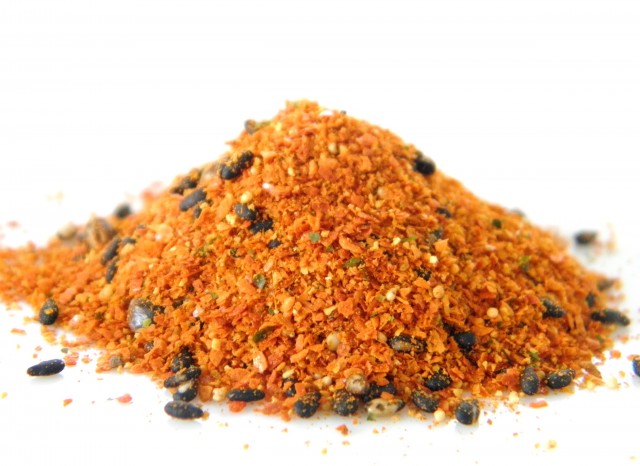
- Add a spoon of chilli oil or a sprinkle of shichimi at the table.
Food safety
- Cook minced meat and sausages until the centre reaches 71 °C (160 °F) and the juices run clear.
Storage
- Keep soup and noodles separately; the soup keeps 2 days refrigerated.
Reheating
- Reheat the soup until steaming without letting it boil hard, and cook fresh noodles.
Variations
- Spicy miso ramen: More doubanjiang or chilli oil stirred into the miso base.
- Miso ramen with seafood: Hokkaido shops add crab, scallops or squid to the wok with the vegetables.
- Vegetarian miso ramen: Kombu and shiitake stock with tofu in place of pork.
Original editorial recipe · FriendsPantry editorial · source: TasteAtlas (dish facts) · Not yet independently reviewed · Added
Recipe DNA
How this dish is built
Built from the recipe’s own sections. Each band’s width is its share of the dish by weight. Choose a component to see what it does.
The body of the dish
For the miso base
- Miso4 tbsp · 68 g
- Chinese sesame paste (optional)1 tbsp · 15 g
- Mirin1 tbsp · 16 g
- Soy sauce1 tsp · 5.7 g
- Chilli bean paste (doubanjiang) (optional)1 tsp · 5.9 g
Reviews & corrections
Reviews come from signed-in cooks and appear after a moderator checks them. We never show made-up ratings.
You might also like
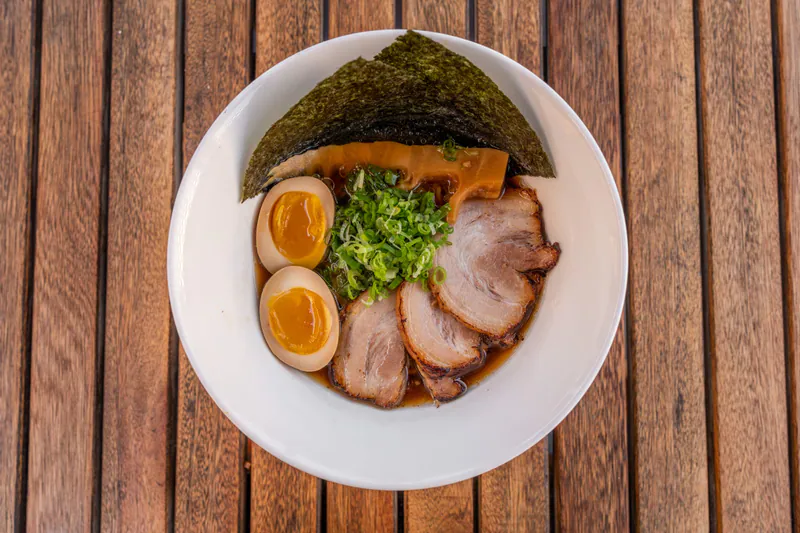
Shoyu ramen (home-style)
 Japanese · 40 min · 751 kcal
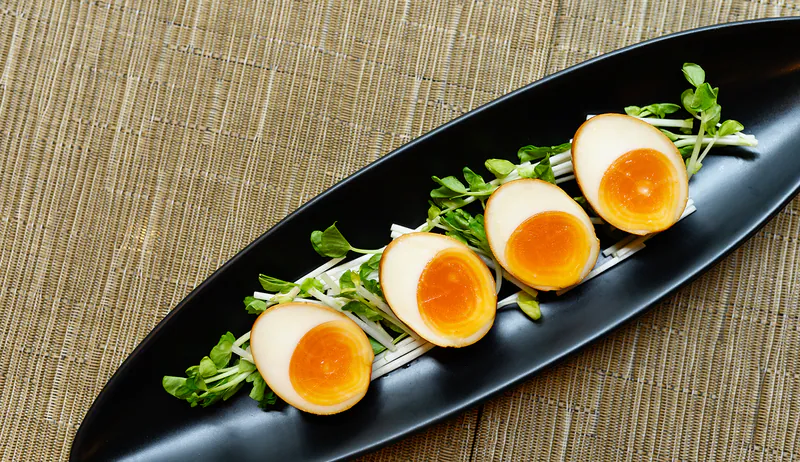
Ajitsuke tamago (ramen eggs)
Japanese · 6 h 20 min · 116 kcal · Contains egg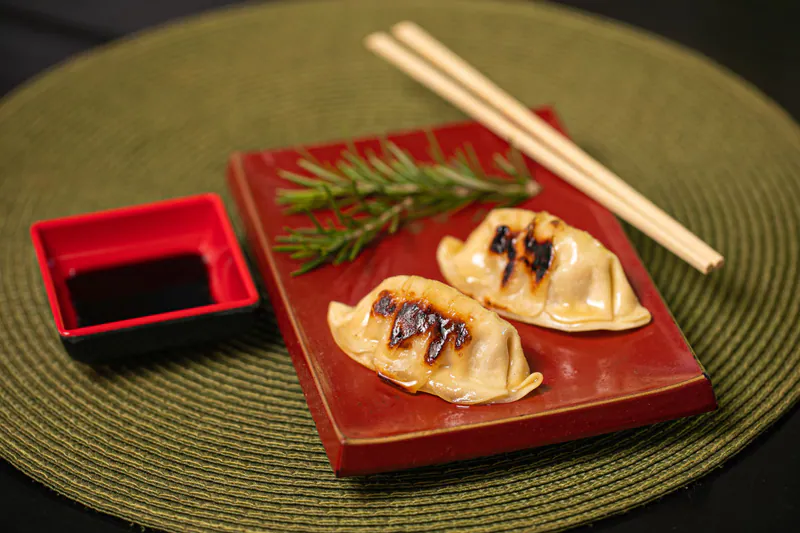
Gyoza (pan-fried pork dumplings)
Japanese · 55 min · 447 kcal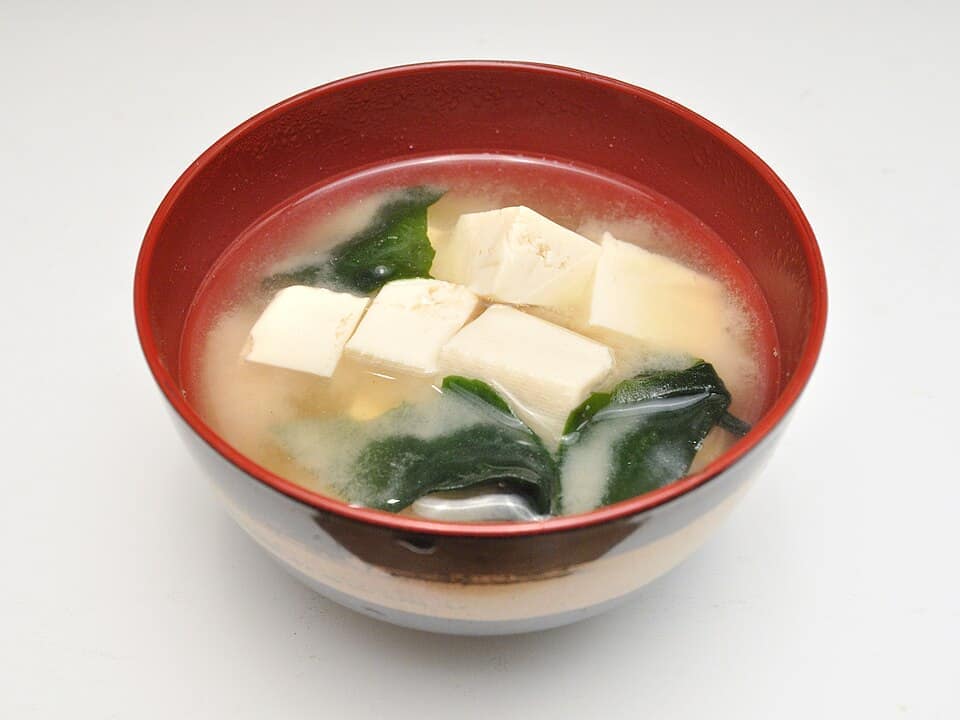
Miso soup with tofu and wakame
Japanese · 13 min · 84 kcal